

Chelaner albipes
- Scientific Name
- Chelaner albipes
- Tribe
- Solenopsidini
- Subfamily
- Myrmicinae
- Author
- Heterick, 2001
- Distribution
- Found in 1 countries
Chelaner albipes Overview
Chelaner albipes is an ant species of the genus Chelaner. It is primarily documented in 1 countries , including Australia. Detailed taxonomic data and occurrence records can be further explored via authoritative databases such as AntWeb or the Global Biodiversity Information Facility (GBIF).
Chelaner albipes
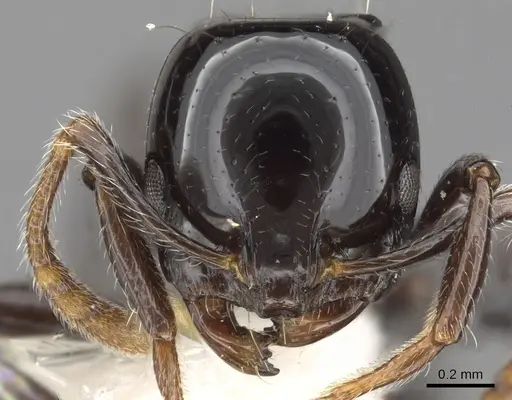
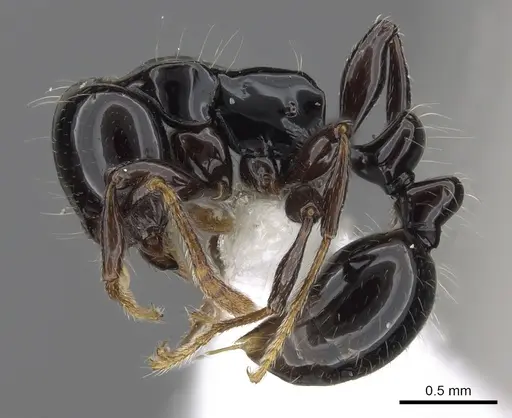
Chelaner albipes is a stunning Australian ant species belonging to the rubriceps species group. Workers measure 2.44-2.72mm with a beautiful shining, almost glassy appearance. Their cuticle ranges from dark russet to blackish-brown, with notably dark orange mandibles and amber-colored antennae and tarsi, the 'white-footed' name refers to the pale tarsi. They are identifiable by their long white erect setae (bristles) and distinctive high, scale-like petiolar and postpetiolar nodes. This species forages arboreally in trees, though they also nest in rainforest litter. [1][2]
Quick Summary
- Difficulty: Medium
- Origin & Habitat: Australia (Queensland), specifically Gayundah Creek on Hinchinbrook Island and Mt Webb National Park. They inhabit tropical to subtropical rainforest environments and forage in the canopy. [1]
- Colony Type: Unconfirmed, colony structure has not been documented. Based on related species in the rubriceps group, likely single-queen colonies. [1]
- Size & Growth:
- Queen: Not described in available literature, queen measurements unavailable [1]
- Worker: 2.44-2.72mm (total body length) [1]
- Colony: Unknown, no colony size data available for this species [1]
- Growth: Unknown, no development data available. Based on related species in the rubriceps group, expect moderate growth [1]
- Development: Unconfirmed, no direct development data exists. Based on typical Myrmicinae patterns from similar Australian species, estimate 6-10 weeks at optimal temperature (Development time is estimated from related species in the genus. Actual timing may vary.)
- Antkeeping:
- Temperature: Keep at 24-28°C based on their Queensland tropical/subtropical origin. A gentle gradient allowing workers to self-regulate is ideal.
- Humidity: Moderate to high, they inhabit rainforest litter and forage in humid canopy conditions. Keep nest substrate moist but not waterlogged, with some drier areas available. [1]
- Diapause: Unknown for this species. Queensland experiences mild winters, so a reduced activity period may occur but is likely not required.
- Nesting: In nature they nest in rainforest litter and forage arboreally. In captivity, a naturalistic setup with moist substrate (like a terrarium-style formicarium) works well. They do well in Y-tong or acrylic nests with chambers scaled to their small size. [1]
- Behavior: This is a small, attractive ant species. They are arboreal foragers, meaning they actively search for food in elevated areas rather than just on the ground. Workers have distinctive long white bristles. Their small size (under 3mm) means escape prevention is important, they can slip through small gaps. Temperament is not well-documented but related species are generally non-aggressive. [1]
- Common Issues: small size makes escape likely without fine mesh barriers, no documented colony structure means uncertainty about queen numbers, development timeline is estimated, not directly studied, humidity requirements are inferred from habitat, not confirmed, limited availability in the antkeeping hobby
Appearance and Identification
Chelaner albipes is one of the most distinctive Australian ants. Workers measure 2.44-2.72mm in total length, making them a small but striking species. The most recognizable features are their beautiful shining, almost vitreous (glass-like) dark russet to blackish-brown cuticle, combined with long white erect bristles (setae) covering their body. Their mandibles are dark orange, and their antennae and tarsi (feet) are amber-colored, this pale foot coloring gives them the species name 'albipes' meaning 'white-footed' in Latin. They have notably high, scale-like (squamiform) petiolar and postpetiolar nodes, these are the segments connecting their thorax to their abdomen. The combination of these features makes them unmistakable compared to other Australian ants. [1][2]
Natural Habitat and Distribution
This species is known only from Queensland, Australia. The type specimens were collected from Gayundah Creek on Hinchinbrook Island and from Mt Webb National Park. They inhabit tropical to subtropical rainforest environments. Unlike many ants that nest primarily in soil, C. albipes forages arboreally, meaning workers climb and search for food in trees and vegetation. Specimens have been collected using pyrethrum knockdown (a method where insects are knocked out of trees onto sheets) and from berlesate samples (rainforest leaf litter). This arboreal foraging behavior is characteristic of the rubriceps species group to which they belong. [1]
Housing and Nesting
In captivity, Chelaner albipes does well in standard small-ant setups. Because they naturally nest in rainforest litter and forage in trees, a naturalistic terrarium-style setup with moist substrate works well, this mimics the humid floor of their native habitat. However, they also adapt to more conventional setups. Y-tong (acrylic) nests with appropriately scaled chambers work fine, as do test tube setups for founding colonies. The key is providing chambers and passages sized for their small 2.5mm workers, too-large spaces can stress them. Keep the nest substrate consistently moist but not waterlogged, as they come from humid rainforest environments. A small water tube for drinking access is appreciated. [1]
Feeding and Diet
Like other members of the rubriceps species group, these ants are likely omnivorous. In the wild, they probably forage for small insects, honeydew from aphids and scale insects, and other protein sources. In captivity, offer a varied diet: small live prey like fruit flies or pinhead crickets, and sugar sources such as honey water or sugar water. Protein should be offered regularly, small insects are ideal. They are small ants, so prey items should be appropriately sized. A constant sugar water supply is recommended, with protein prey offered 2-3 times per week.
Temperature and Seasonal Care
Chelaner albipes comes from Queensland's tropical to subtropical climate, so they prefer warmer conditions. Keep the nest area at 24-28°C. A heating cable on one side of the nest can create a gentle temperature gradient, allowing workers to self-regulate by moving between warmer and cooler areas. Queensland winters are mild, so a formal diapause (hibernation) period is likely not required, but you may notice reduced activity during cooler months. If you keep them at room temperature (around 20-24°C), they should do fine year-round without special winter care. Avoid temperatures below 18°C for extended periods.
Behavior and Temperament
This is a small, visually striking ant species. They are arboreal foragers, meaning they are active climbers and will explore elevated areas of their enclosure. Workers have the distinctive long white bristles that make them so recognizable. Their small size means they are not aggressive and pose no threat to keepers. However, their tiny size (under 3mm) makes them excellent escape artists, use fine mesh on any ventilation and ensure all connections are tight-fitting. Related species in the genus are generally peaceful and non-aggressive. They are not known to sting, and even if they could, their small size would make it imperceptible to humans. [1]
Frequently Asked Questions
How long does it take for Chelaner albipes to produce first workers?
The exact development timeline is unconfirmed for this species. Based on typical Myrmicinae development from related Australian species, expect first workers (nanitics) approximately 6-10 weeks after the queen lays eggs, assuming optimal temperature around 26°C.
What do Chelaner albipes ants eat?
They are omnivorous like other Monomorium species. Offer small live prey (fruit flies, pinhead crickets, small mealworms) for protein and a constant sugar source (honey water or sugar water). Their small size means prey should be appropriately sized.
Are Chelaner albipes good for beginners?
This species is rated as Medium difficulty. While visually stunning, there is limited information available about their specific care requirements. They are small and require careful attention to escape prevention. If you have experience with other small Myrmicinae species, this is a good choice. [1]
What temperature do Chelaner albipes need?
Keep them warm at 24-28°C based on their Queensland tropical origin. A gentle gradient allowing workers to choose their preferred temperature is ideal. Room temperature in most homes (20-24°C) may be slightly cool, consider using a heating cable on one side of the nest.
How big do Chelaner albipes colonies get?
Colony size is not documented in available literature. Based on related species in the rubriceps group, colonies likely reach several hundred workers at maximum. They are not known for supercolonies. [1]
Can I keep multiple Chelaner albipes queens together?
Colony structure is unconfirmed for this species. The natural colony type (single queen vs multiple queens) has not been documented. It is not recommended to combine unrelated foundress queens unless you observe them accepting each other, many ant species are territorial during founding.
Do Chelaner albipes need hibernation?
Diapause requirements are unknown. Queensland has mild winters, so a formal hibernation period is likely not required. You may notice reduced activity during cooler months, which is normal.
What makes Chelaner albipes different from other ants?
They are arguably the most beautiful Australian ant species, their shining, almost glass-like dark russet body with long white erect bristles and distinctive high petiolar nodes makes them unmistakable. They also forage arboreally (in trees), unlike many ground-nesting ants. [1]
Why are my Chelaner albipes escaping?
At only 2.5mm, they are tiny and can squeeze through remarkably small gaps. Use fine mesh (at least 0.5mm) on all ventilation, check all tube connections, and ensure your formicarium has no gaps larger than about 1mm. Small ants = high escape risk. [1]
References

This caresheet is licensed under CC BY-SA 4.0 .
CASENT0902288
View on AntWeb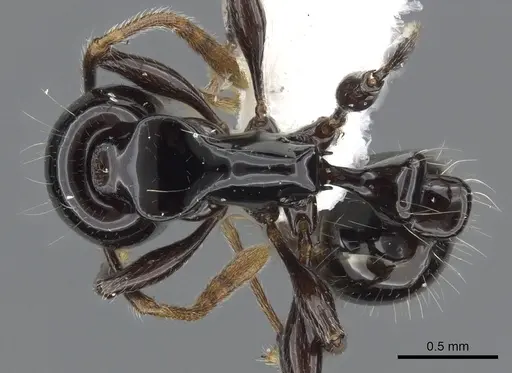
Literature
Loading...Loading products...