

Cephalotes unimaculatus
- Scientific Name
- Cephalotes unimaculatus
- Tribe
- Attini
- Subfamily
- Myrmicinae
- Author
- Smith, 1853
- Distribution
- Found in 3 countries
Cephalotes unimaculatus Overview
Cephalotes unimaculatus is an ant species of the genus Cephalotes. It is primarily documented in 3 countries , including Dominican Republic, Haiti, Trinidad and Tobago. Detailed taxonomic data and occurrence records can be further explored via authoritative databases such as AntWeb or the Global Biodiversity Information Facility (GBIF).
Cephalotes unimaculatus
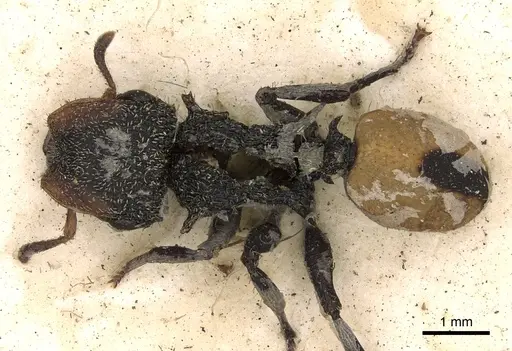
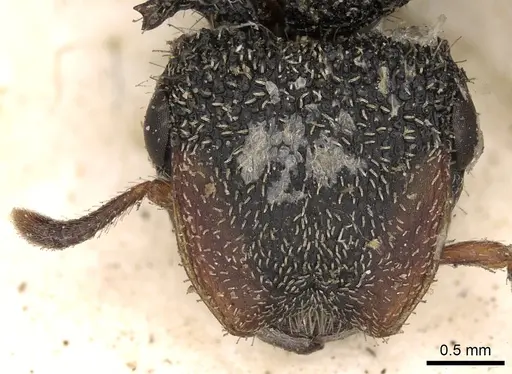
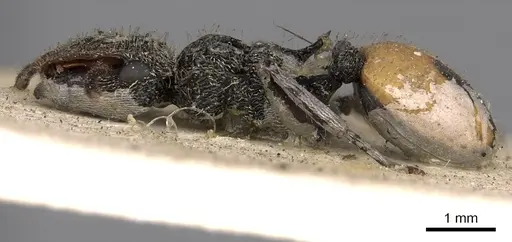
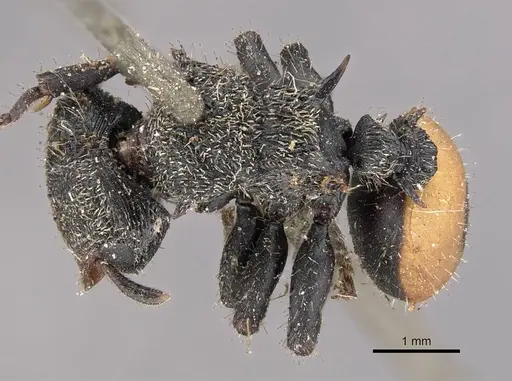
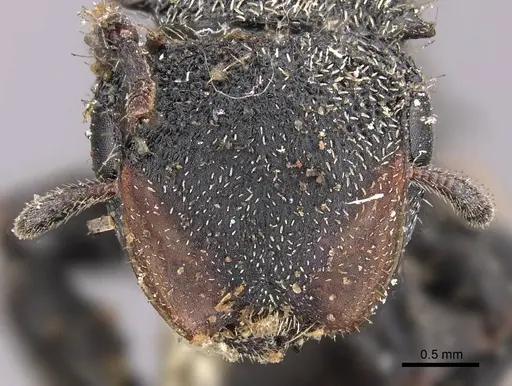
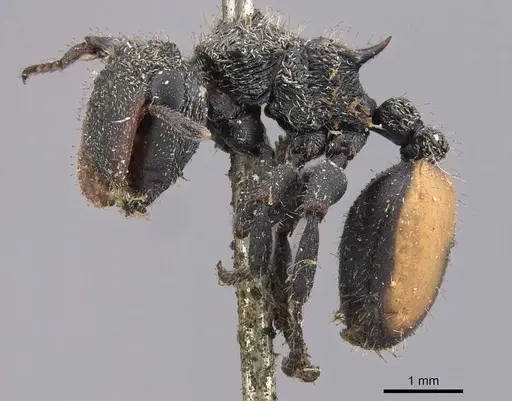
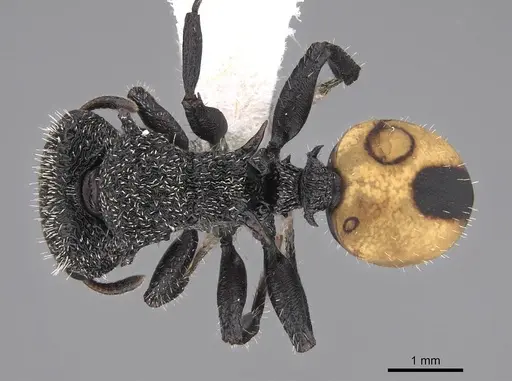
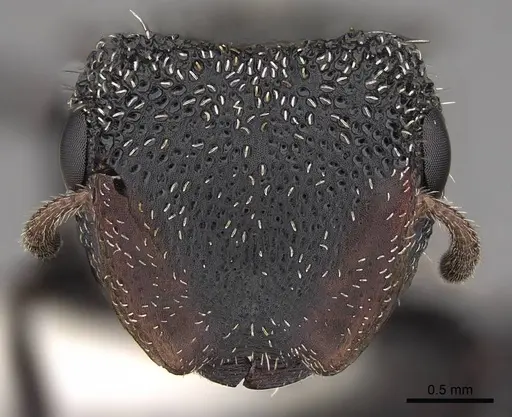
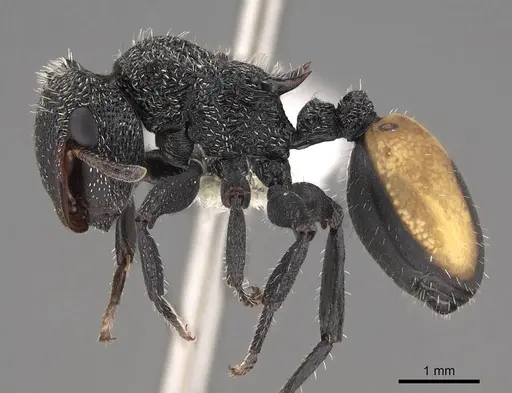
Cephalotes unimaculatus is a distinctive turtle ant species endemic to Hispaniola (Dominican Republic and Haiti). Workers are medium-sized at 5.6-7.8mm with a flattened, armor-like body typical of Cephalotes ants. The species is easily recognized by its striking coloration: the head, mesosoma, and thorax are black or dark brown, while the gaster (abdomen) is a bright yellowish-orange with a distinctive black spot on the upper portion [1][2]. This species belongs to the hamulus clade and is one of six extant members of this group, all of which lack soldiers [3]. They are arboreal nesters, building colonies in small dead branches and cavities above ground in dry forest habitats [4][5].
Quick Summary
- Difficulty: Medium
- Origin & Habitat: Hispaniola (Dominican Republic and Haiti), with possible historic records from the Virgin Islands. Found in dry forest habitats at elevations from 7 to 1,372 meters [4][5].
- Colony Type: Colony structure is not fully documented in scientific literature. As a Cephalotes species, they likely form single-queen colonies. The hamulus group species all lack soldiers, workers handle all colony tasks [3].
- Colony: Monogyne
- Founding: Claustral
- Size & Growth:
- Queen: Not specifically measured in available literature, estimated 8-10mm based on genus patterns
- Worker: 5.6-7.8mm [1]
- Colony: Unknown, typical Cephalotes colonies reach several hundred workers
- Growth: Moderate, estimated based on genus patterns
- Development: Estimated 6-10 weeks at optimal temperature based on related Cephalotes species (Development timeline is not directly studied for this species. Estimates based on typical Myrmicinae development patterns.)
- Antkeeping:
- Temperature: Keep at 24-28°C. This species is adapted to tropical conditions in the Caribbean. A gentle temperature gradient allows workers to regulate their exposure [4].
- Humidity: Moderate humidity around 60-75%. These are dry forest ants, so avoid overly damp conditions. Provide a water tube but ensure good ventilation to prevent mold [4][5].
- Diapause: No documented diapause required. As a tropical species from Hispaniola, they likely remain active year-round with stable temperatures [4].
- Nesting: Arboreal nesters, in nature they nest in dead branches and wood cavities above ground. In captivity, they do well in acrylic nests or Y-tong setups with narrow chambers scaled to their flattened body shape. Provide wooden structures or cork bark for them to potentially expand into [4][5].
- Behavior: Workers are active foragers on vegetation throughout the day, searching for honeydew, nectar, and small prey [4][5]. They are not aggressive but will bite if threatened. Their flattened body allows them to access narrow cavities in wood. They are moderate escape artists, use standard barrier methods but they are not as small as some Myrmicinae. They have unique gut bacteria (Rhizobiales) associated with herbivory adaptation [6][7].
- Common Issues: tropical species requires consistent warmth, cold temperatures below 20°C can slow or stop activity, arboreal nature means they need vertical space and climbing structures, wild-caught colonies may have parasites, quarantine and monitor new colonies, colonies may be slow to establish in captivity, patience is key with this species, dry forest adaptation means too much humidity can cause mold problems
Housing and Nest Setup
Cephalotes unimaculatus is an arboreal species that nests in wood cavities above ground. In captivity, they do well in acrylic formicariums or Y-tong nests with chambers sized appropriately for their flattened body shape. Unlike some ground-nesting ants, they benefit from vertical space and climbing structures. Provide small pieces of cork bark or wooden bridges that mimic their natural arboreal habitat. A test tube setup can work for founding colonies, but transition them to a proper nest once the colony reaches 20-30 workers. These ants are not aggressive and can be housed in standard setups with proper escape barriers [4][5].
Feeding and Diet
Like other Cephalotes species, C. unimaculatus is omnivorous with a preference for carbohydrate sources. Workers forage on vegetation in the wild, likely collecting honeydew from aphids and scale insects, plus nectar from flowers. Offer sugar water or honey water as a constant food source. For protein, provide small insects like fruit flies, small crickets, or mealworm pieces. They are not aggressive predators but will accept small prey items. Some Cephalotes species have gut bacteria linked to herbivory, so plant-based sugars are particularly important [6][4].
Temperature and Seasonal Care
As a tropical species from the Caribbean, Cephalotes unimaculatus requires warm conditions year-round. Maintain temperatures between 24-28°C for optimal activity and brood development. They are found in dry forests across a wide elevation range (7-1,372m), suggesting they can tolerate some temperature variation but prefer warmth. Unlike temperate species, they do not require a winter diapause period. Room temperature in most homes should be sufficient, but a small heating cable on one side of the nest can help maintain ideal conditions if your space runs cool. Avoid temperatures below 20°C for extended periods [4][5].
Behavior and Colony Dynamics
This species is a day-active forager that travels along vegetation in search of food. Workers are distinctive with their bright yellow-orange gasters marked with a black spot, this coloration makes them easily visible as they move through leaves and branches [4][5]. Like all hamulus group species, C. unimaculatus lacks soldiers, all workers handle colony defense and foraging. They have a flattened, armor-like body that helps them access narrow cavities in their nesting wood. The species hosts unique gut bacteria (Rhizobiales) that may aid in processing plant-based foods [6][7]. Colonies appear to grow moderately, expect several months before a founding colony reaches 50+ workers.
Origin and Natural History
Cephalotes unimaculatus is endemic to Hispaniola, found only in the Dominican Republic and Haiti. The species was originally described from Brazil, but this location is considered erroneous, all verified populations are from the Caribbean islands [1]. They are particularly abundant in Jaragua National Park in the Dominican Republic, where they nest in small dead branches of living Acacia trees. The species forages throughout the day on vegetation in dry forest habitats [4][5]. Their closest relative is Cephalotes vinosus, which shares similar body sculpture but lacks the distinctive yellow gaster coloration [2].
Frequently Asked Questions
How long does it take for Cephalotes unimaculatus to have first workers?
The exact timeline is not documented, but based on typical Cephalotes development, expect 6-10 weeks from egg to first worker at optimal temperature (24-28°C). Founding colonies can be slow to establish, patience is essential.
What do Cephalotes unimaculatus ants eat?
They are omnivorous with a preference for carbohydrates. Offer sugar water or honey water constantly, plus small insects for protein. They forage on vegetation in the wild, collecting honeydew and nectar.
Are Cephalotes unimaculatus good for beginners?
This species is rated Medium difficulty. They require warm, stable temperatures and proper humidity control. They are not as challenging as some exotic species but do require more specific conditions than common temperate ants.
What temperature do Cephalotes unimaculatus need?
Keep them at 24-28°C. As a tropical Caribbean species, they need consistent warmth. Avoid temperatures below 20°C.
Do they need hibernation or diapause?
No. As a tropical species from Hispaniola, they do not require a winter rest period. Maintain warm temperatures year-round.
How big do Cephalotes unimaculatus colonies get?
Colony size is not specifically documented, but typical Cephalotes species reach several hundred workers. They are not among the largest ant species.
Can I keep multiple queens together?
Not recommended. There is no documented evidence of multi-queen colonies in this species. Like most Cephalotes, they likely form single-queen colonies.
What makes Cephalotes unimaculatus different from other ants?
They have a distinctive appearance with a black body and bright yellow-orange gaster with a black spot. They are arboreal nesters in wood cavities and belong to the hamulus group, all of which lack soldiers. They also host unique gut bacteria associated with herbivory.
Where is Cephalotes unimaculatus found in the wild?
This species is endemic to Hispaniola, found only in the Dominican Republic and Haiti. They are common in dry forests like Jaragua National Park, nesting in dead branches above ground and foraging on vegetation throughout the day.
When will my colony start foraging actively?
Workers are day-active foragers in the wild. In captivity, they should become active foragers once the colony reaches 10-20 workers. They search for food along surfaces and will readily take sugar water.
Why are my ants not thriving?
Check that temperatures are consistently warm (24-28°C). Ensure humidity is moderate, not too wet as they are dry forest adapted. Verify they have access to carbohydrate sources. Wild-caught colonies may carry parasites that affect captive success.
References

This caresheet is licensed under CC BY-SA 4.0 .
Literature
Loading...Loading products...