

Cephalotes umbraculatus
- Scientific Name
- Cephalotes umbraculatus
- Tribe
- Attini
- Subfamily
- Myrmicinae
- Author
- Fabricius, 1804
- Distribution
- Found in 12 countries
Cephalotes umbraculatus Overview
Cephalotes umbraculatus is an ant species of the genus Cephalotes. It is primarily documented in 12 countries , including Bolivia, Plurinational State of, Brazil. Detailed taxonomic data and occurrence records can be further explored via authoritative databases such as AntWeb or the Global Biodiversity Information Facility (GBIF).
Cephalotes umbraculatus
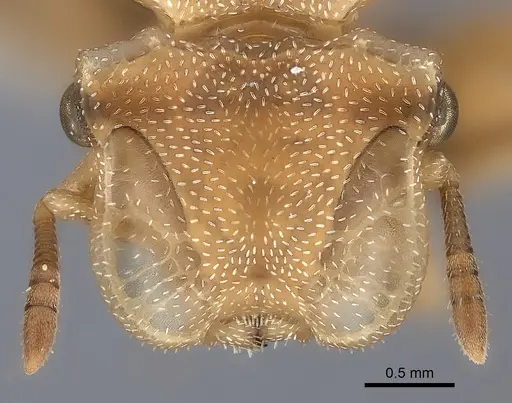
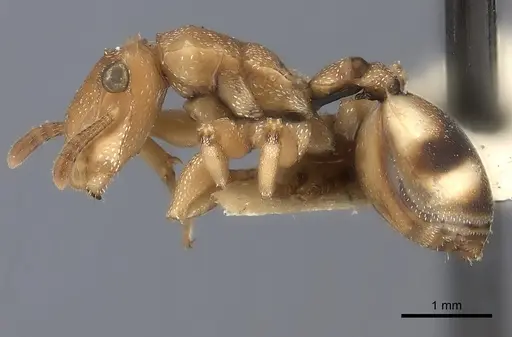
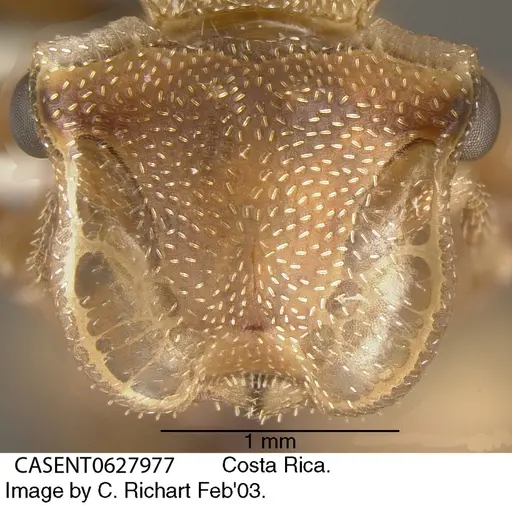
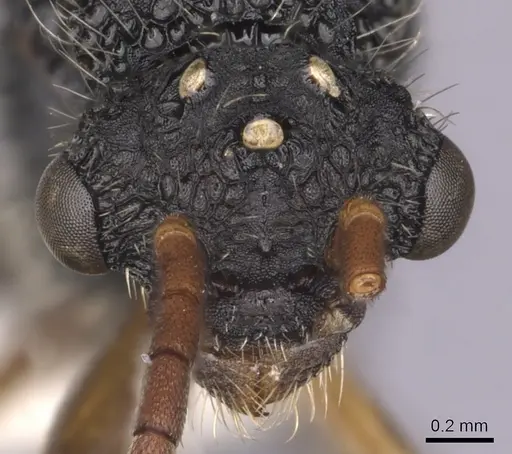
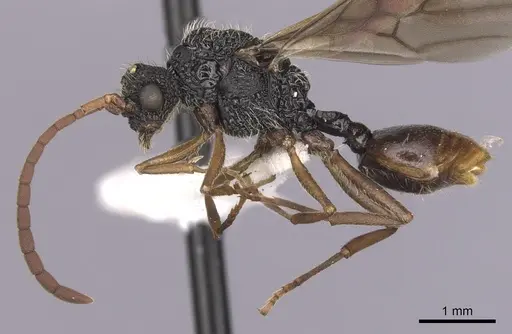
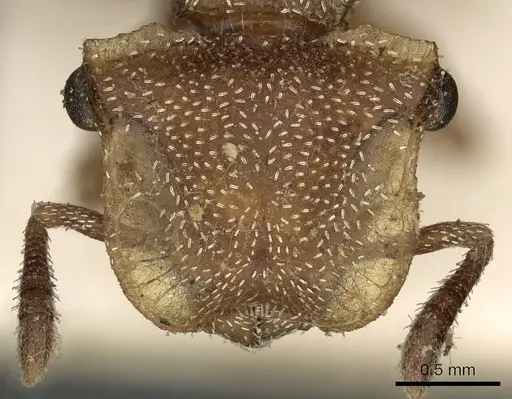
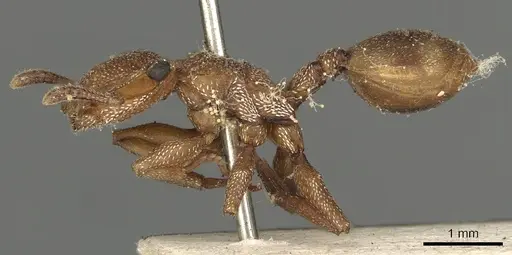
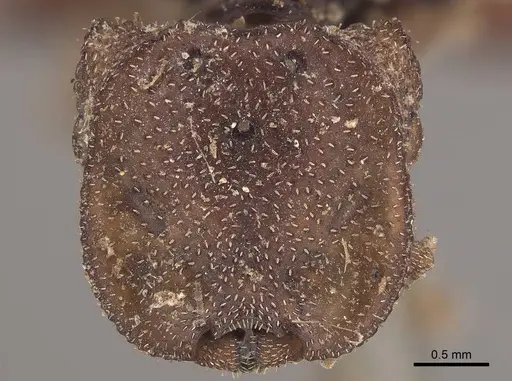
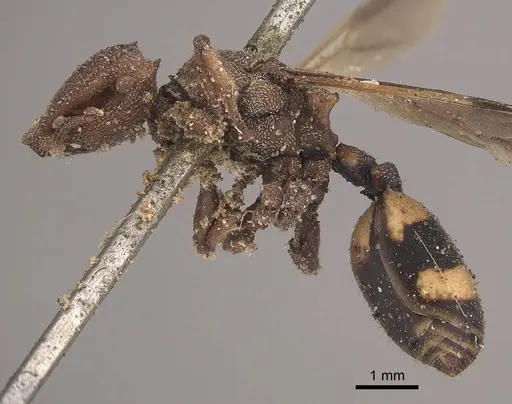
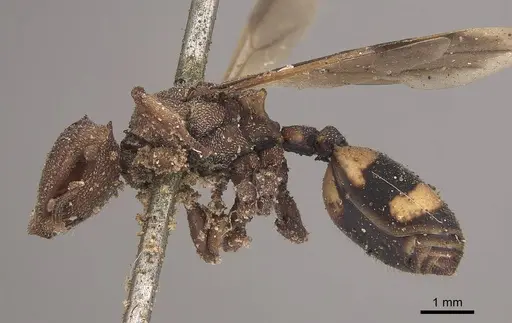
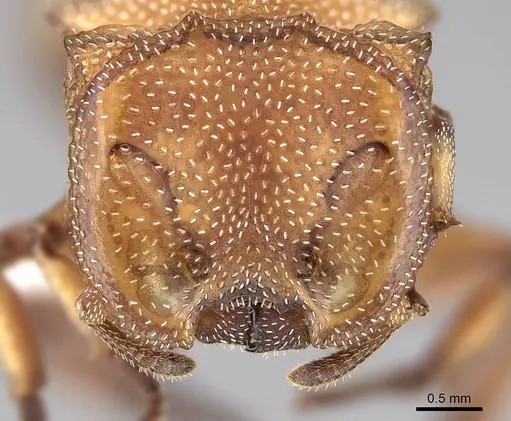
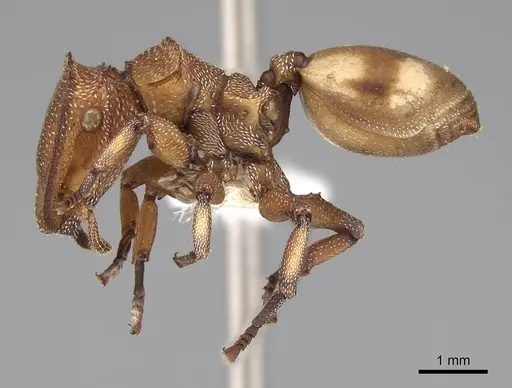
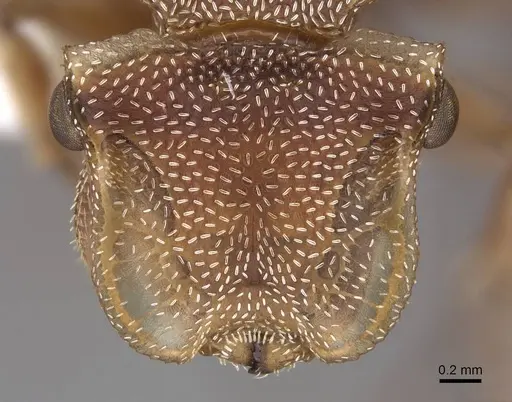
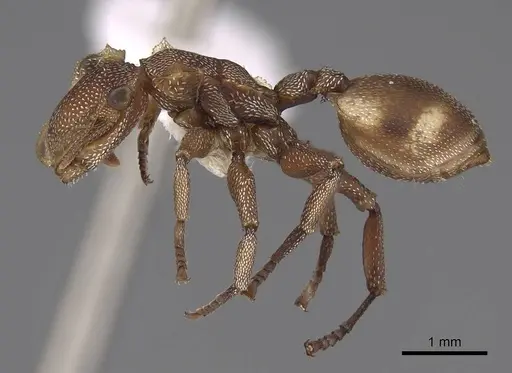
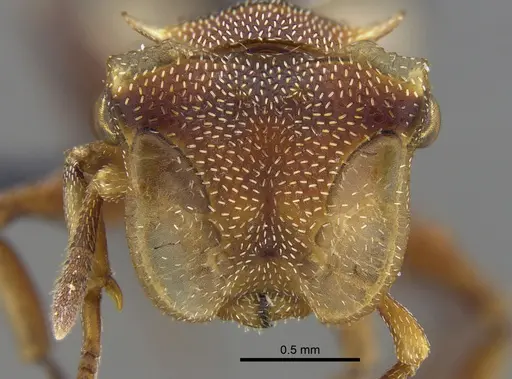
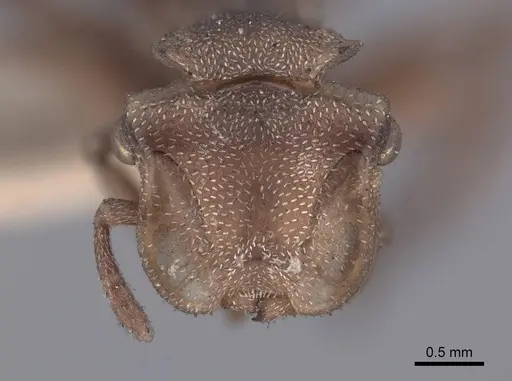
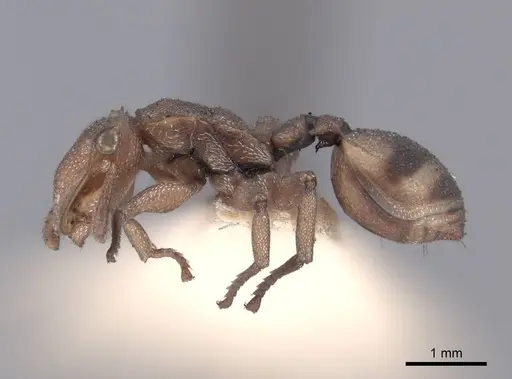
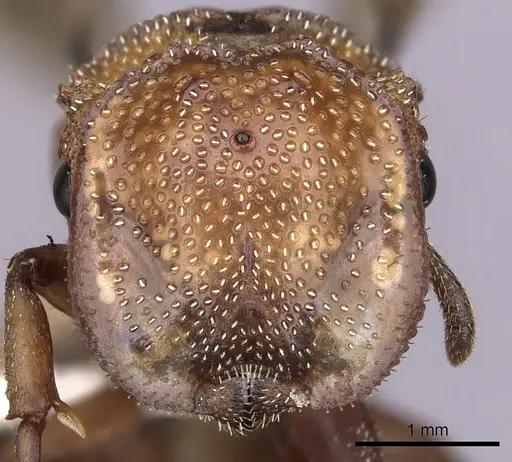
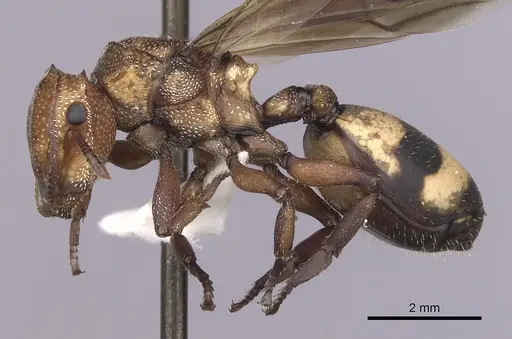
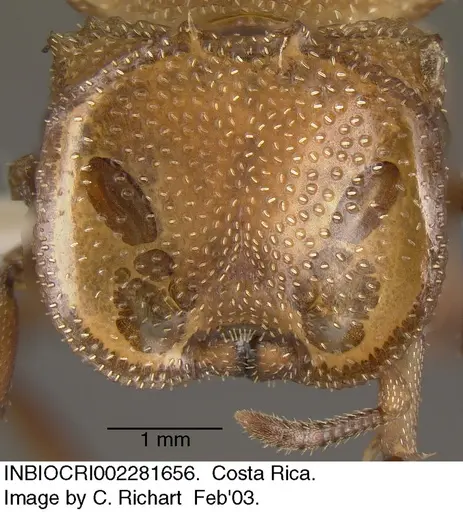
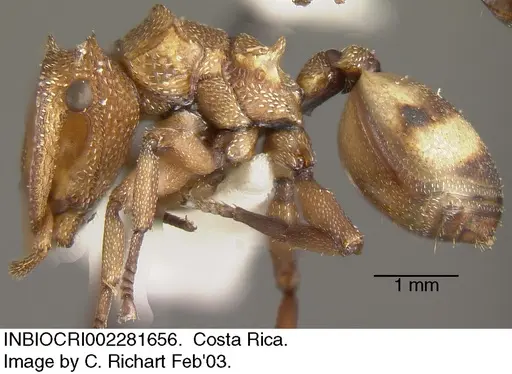
Cephalotes umbraculatus is a distinctive turtle ant species found throughout Central and northern South America, from Mexico to Bolivia. Workers measure 5.3-6.2mm and are easily identified by their three-segmented antennal club combined with a transverse brown strip across the first gastral segment. Their coloration ranges from yellowish to light brown, though some specimens display darker brown markings on the gaster. This species is arboreal, nesting in tree cavities, twigs, and bromeliads rather than ground nests. They are one of the most common turtle ant species in tropical forests across their range [1].
What makes C. umbraculatus particularly interesting is its defensive behavior, when disturbed, workers raise their gaster overhead and release pungent chemicals from their abdomen or mouth region. This species also has a specialized gut microbiome that helps them obtain essential nutrients, particularly nitrogen, from their herbivorous diet, a trait shared among turtle ants [2]. Their unique appearance, with flattened lateral expansions on their body segments, gives them the 'turtle' name and helps them seal nest entrances.
Quick Summary
- Difficulty: Medium
- Origin & Habitat: Neotropical forests from Mexico through Central America to Bolivia, including the Guianas and Trinidad. Found in forest habitats and disturbed areas like roadside vegetation. Typically nests in arboreal cavities including bromeliads, twigs, and bark cavities at elevations from 2m to 1248m [1][3].
- Colony Type: Monogyne (single-queen colonies)
- Colony: Monogyne
- Founding: Claustral
- Size & Growth:
- Queen: 10.0-11.0 mm
- Worker: 5.3-6.2 mm
- Colony: Unknown maximum, likely several hundred workers based on genus patterns
- Growth: Moderate, inferred from typical Cephalotes development
- Development: 6-10 weeks (estimated based on related Cephalotes species) (Development times not specifically documented for this species, estimates based on genus-level data for similar tropical Myrmicinae)
- Antkeeping:
- Temperature: Keep at 24-28°C. As a tropical species, they need warm, stable temperatures. Use a heating cable on one side of the nest to create a gentle gradient, placing it on top of the nest to avoid excessive evaporation.
- Humidity: Moderate to high humidity (60-80%). These arboreal ants prefer damp forest conditions but need good ventilation to prevent mold. Mist the outworld regularly and keep nest material slightly moist but not waterlogged.
- Diapause: No, as a tropical species they do not require hibernation. Maintain consistent temperatures year-round.
- Nesting: Arboreal nesters, they naturally inhabit tree cavities, twigs, and bromeliads. In captivity, they do well in acrylic nests or Y-tong setups with narrow chambers scaled to their size. Provide pieces of cork or small twigs in the outworld as enrichment since they're arboreal foragers.
- Behavior: Cephalotes umbraculatus is relatively docile but has effective chemical defenses. When threatened, workers raise their gaster overhead and release pungent chemicals, they have a very strong odor when handled [4]. They are arboreal foragers, foraging individually rather than in trails. Their gaster-raising posture when foraging is distinctive among turtle ants [5]. They are moderately repelled by floral parts, which affects their role as flower visitors [6]. Escape prevention is important, while not the smallest ants, they can squeeze through small gaps, so use appropriate barriers.
- Common Issues: tropical species requires consistent warmth, cold drafts can stress or kill colonies, chemical defenses can be overwhelming when handling, work in ventilated areas, arboreal nature means they need vertical space and climbing structures, wild-caught colonies may have parasites that require treatment, colonies can be difficult to establish from founding queens due to their specialized requirements
Housing and Nest Setup
Cephalotes umbraculatus is an arboreal species, meaning they naturally live in elevated tree cavities rather than underground nests. In captivity, they do well in acrylic formicariums or Y-tong nests with chambers sized appropriately for their 5-6mm workers. The key is providing narrow passages and chambers that match their body size, turtle ants have distinctive flattened body segments that help them seal nest entrances, so they'll use this behavior in captivity too.
The outworld should include vertical climbing structures since they're arboreal foragers. You can add pieces of cork, small twigs, or artificial plants for them to climb on. These ants don't need deep substrate, a thin layer of soil or sand is sufficient for the outworld floor. Since they're found in bromeliads and tree cavities in the wild, they appreciate having small cavities and hiding spots available in their foraging area.
Escape prevention is important. While not among the smallest ants, they can squeeze through surprisingly small gaps. Use tight-fitting lids and apply fluon or similar barriers to the rim of the nest. Their strong chemical defenses mean they'll readily attempt escape when disturbed. [1][3]
Feeding and Diet
Turtle ants (Cephalotes) are primarily herbivorous/nectarivorous, feeding on honeydew, nectar, and plant secretions. In captivity, offer sugar water (1:1 ratio) or honey as a constant energy source. They also accept small insects like fruit flies, small crickets, and mealworms as protein, though their diet is less carnivorous than many ant species.
What makes Cephalotes unique is their specialized gut microbiome that helps them extract nutrients, particularly nitrogen, from their plant-based diet [2]. This means sugar and nectar sources are more important than protein-rich foods. Feed them sugar water or honey at all times, and offer small insects 2-3 times per week. Remove any uneaten prey after 24 hours to prevent mold.
Their arboreal foraging style means they discover food in the canopy, in captivity, place food items on the floor of the outworld or on elevated platforms to mimic their natural feeding positions. They forage individually rather than in trails, so don't expect coordinated food discovery.
Temperature and Humidity
As a tropical species from Central and South American forests, Cephalotes umbraculatus requires warm, humid conditions. Keep the nest area at 24-28°C. A heating cable placed on top of the nest (never underneath where it can dry out the substrate) creates a gentle warmth gradient. Monitor with a thermometer placed near the nest chambers.
Humidity should be moderate to high, think damp forest floor. Maintain 60-80% relative humidity by misting the outworld regularly and keeping the nest's water reservoir filled. However, good ventilation is essential to prevent mold growth. These ants are found in bromeliads and tree cavities, which provide better airflow than sealed underground nests.
Because they're tropical, there's no winter dormancy requirement. Keep temperatures consistent year-round. Avoid placing the colony near air conditioning vents, windows with cold drafts, or any area that experiences temperature fluctuations. Sudden temperature drops can stress or kill these ants. [3]
Behavior and Defense
Cephalotes umbraculatus has distinctive defensive behaviors that set them apart from many common pet ants. When threatened, workers raise their gaster overhead, a unique posture among turtle ants that signals their readiness to deploy chemical defenses [5]. They release pungent chemicals from their gaster or mouth region, and handlers report a very strong, unpleasant odor when these ants are crushed or handled roughly [4].
This chemical defense is their primary protection rather than biting or stinging. In captivity, this means you'll want to handle them carefully and work in a well-ventilated area. They're not aggressive toward humans but will use their defenses if they feel trapped or threatened.
Foraging behavior is also distinctive, they forage individually rather than in trails, and their gaster-raising posture is visible while they're searching for food. This is a peaceful, non-aggressive species toward other ants in the canopy, though they'll defend their nest vigorously against intruders.
Colony Establishment
Establishing a colony from a founding queen can be challenging with this species. Like other Cephalotes, they're likely claustral, the queen seals herself in a cavity and raises the first workers using stored fat reserves. Provide a claustral setup: a test tube or small container with a damp cotton ball, placed in darkness.
The founding chamber should be small and snug, these ants evolved to nest in tight tree cavities. After the queen seals herself in, minimize disturbance until the first workers (nanitics) emerge. This typically takes 6-10 weeks based on genus patterns, though exact timing for this species isn't documented.
Wild-caught colonies may face parasite issues. Army ants (Eciton) are known predators, they've been recorded preying on this species in the wild [7]. Additionally, turtle ants harbor specialized gut bacteria [8], so wild colonies may need careful acclimation to captive food sources. Quarantine and observe any wild-caught colony before introducing them to your existing ant collection.
Frequently Asked Questions
How long does it take for Cephalotes umbraculatus to produce first workers?
Based on genus-level data for similar Cephalotes species, expect 6-10 weeks from egg to first worker at optimal temperatures (24-28°C). Exact development time for this specific species hasn't been documented in scientific literature.
What do Cephalotes umbraculatus eat?
They primarily feed on sugar sources (honeydew, nectar, sugar water) and small insects. Their specialized gut microbiome allows them to extract nutrients from plant-based diets. Offer constant sugar water or honey, plus small insects like fruit flies 2-3 times weekly.
Are Cephalotes umbraculatus good for beginners?
They are rated as medium difficulty. They're not the easiest species for beginners because they require warm, humid tropical conditions and have specific arboreal nesting needs. Their chemical defenses can also be overwhelming during handling. However, they're docile and fascinating to observe.
Can I keep multiple Cephalotes umbraculatus queens together?
No, this is a monogyne species with single-queen colonies. Unlike some Cephalotes that can be polygynous, C. umbraculatus colonies have only one reproductive queen. Combining unrelated queens is not recommended.
Do they need hibernation or diapause?
No, as a tropical species from Central and South America, they do not require hibernation. Maintain consistent warm temperatures (24-28°C) year-round. Temperature drops below 20°C can stress or harm the colony.
What size colony do Cephalotes umbraculatus reach?
Colony size maximum is not well documented. Based on genus patterns and their status as one of the more common turtle ant species, colonies likely reach several hundred workers. They are not among the largest Cephalotes species.
What type of nest is best for turtle ants?
Acrylic or Y-tong nests work well. The key is providing narrow chambers and passages scaled to their 5-6mm worker size. They naturally nest in tree cavities, so they'll appreciate having small twigs or cork pieces in their setup as enrichment.
Why do my turtle ants raise their gaster?
This is their defensive posture, they're preparing to release chemical defenses. It's a warning sign. When you see this behavior, the ants feel threatened. Minimize disturbances and give them space. This is normal behavior, not a sign of illness.
References

This caresheet is licensed under CC BY-SA 4.0 .
CASENT0217845
View on AntWeb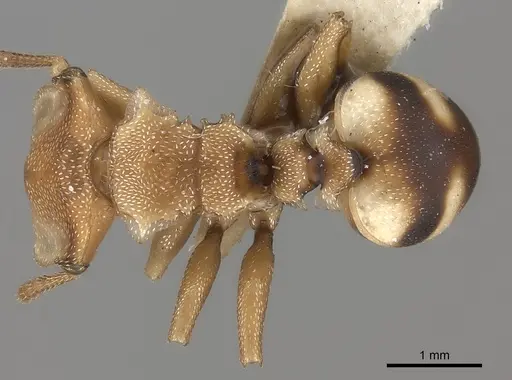
CASENT0627977
View on AntWeb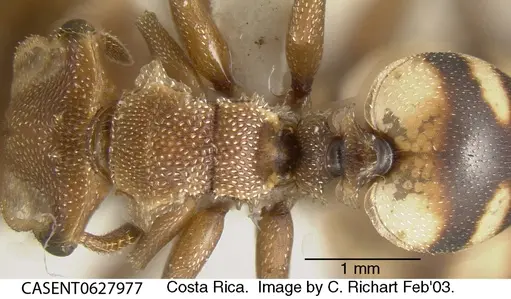
CASENT0627978
View on AntWeb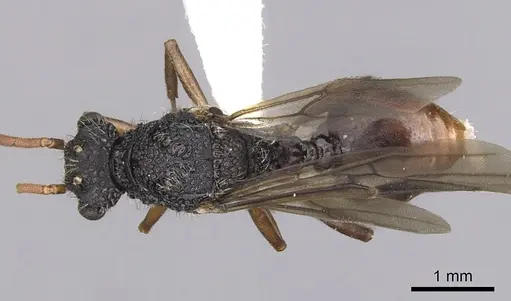
CASENT0900238
View on AntWeb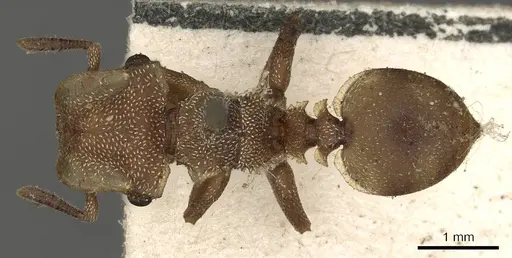
CASENT0919605
View on AntWeb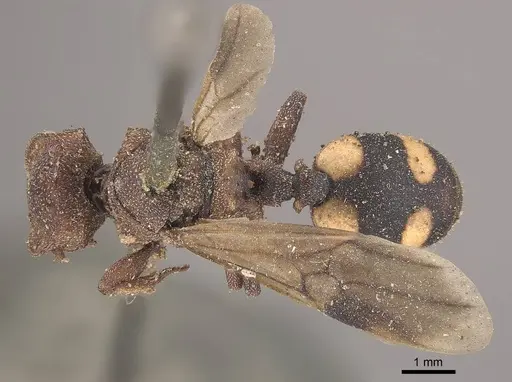
CASENT0922582
View on AntWeb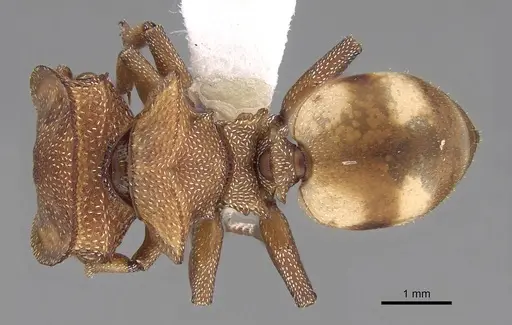
CASENT0922583
View on AntWeb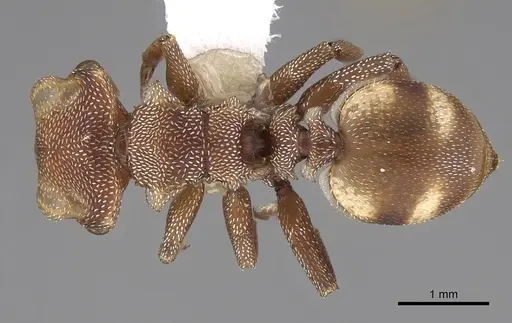
CBUMAGENT41892
View on AntWeb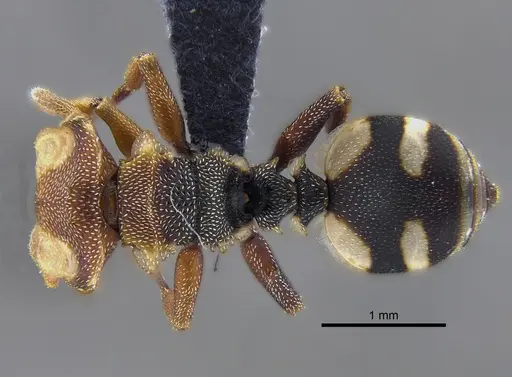
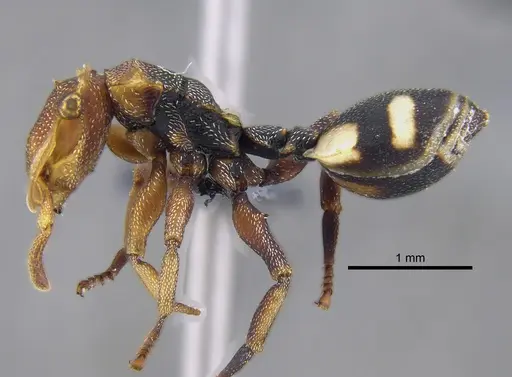
ECOFOG-BUG-2179-07
View on AntWeb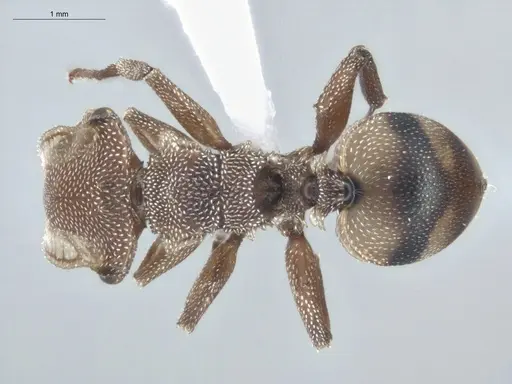
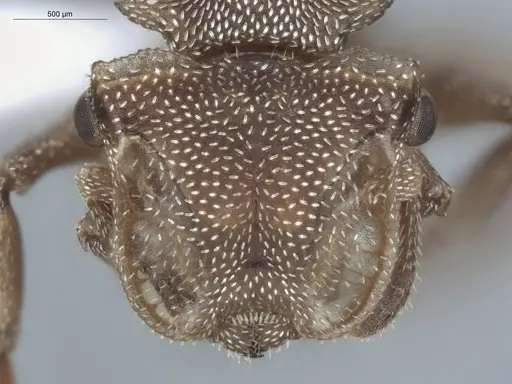
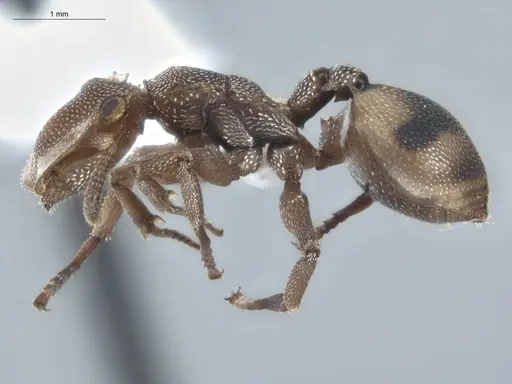
FMNHINS0000047667
View on AntWeb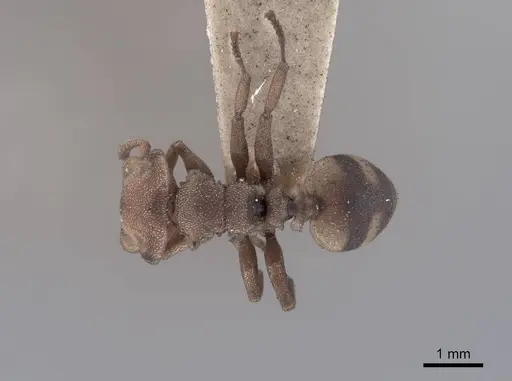
INBIOCRI002281655
View on AntWeb
INBIOCRI002281656
View on AntWeb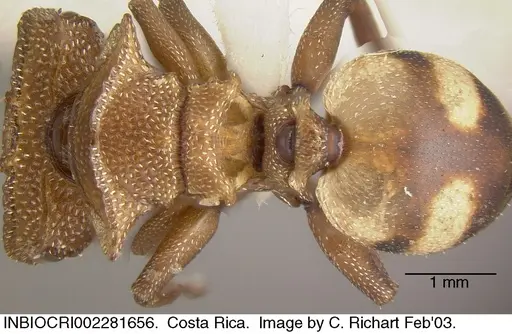
Literature
Loading...Loading products...