

Cephalotes texanus
- Scientific Name
- Cephalotes texanus
- Tribe
- Attini
- Subfamily
- Myrmicinae
- Author
- Santschi, 1915
- Common Name
- Texas Turtle Ant
- Distribution
- Found in 2 countries
Cephalotes texanus Overview
Cephalotes texanus (commonly known as the Texas Turtle Ant) is an ant species of the genus Cephalotes. It is primarily documented in 2 countries , including Mexico, United States of America. Detailed taxonomic data and occurrence records can be further explored via authoritative databases such as AntWeb or the Global Biodiversity Information Facility (GBIF).
Cephalotes texanus - "Texas Turtle Ant"
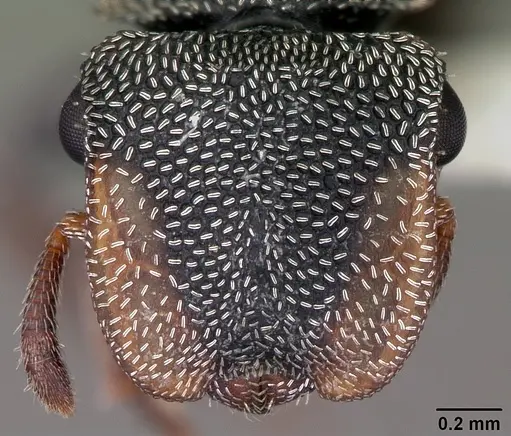
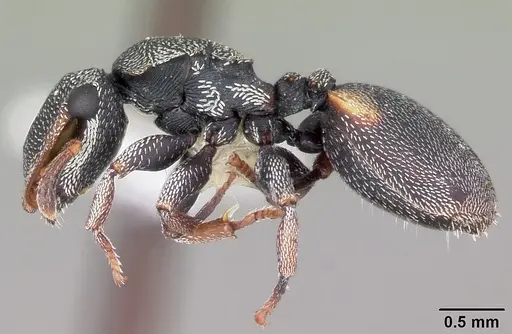
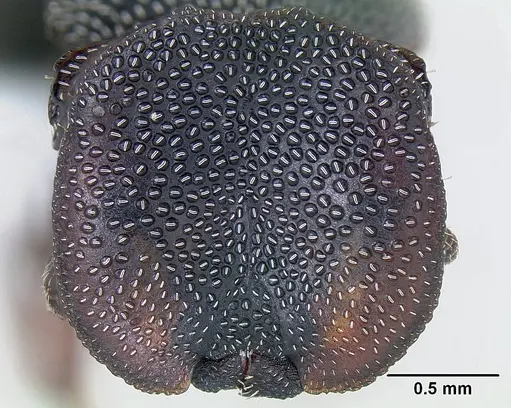
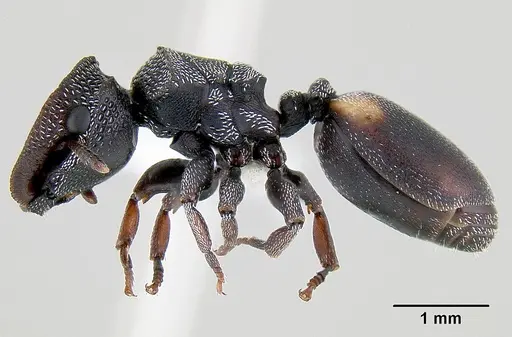
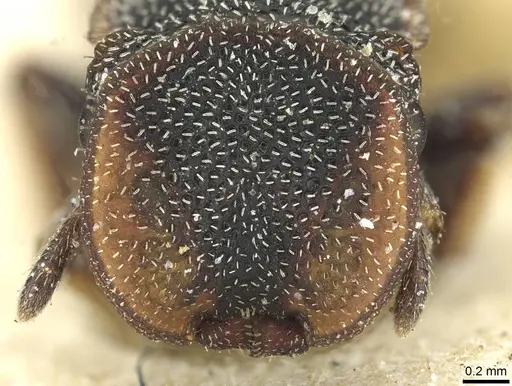
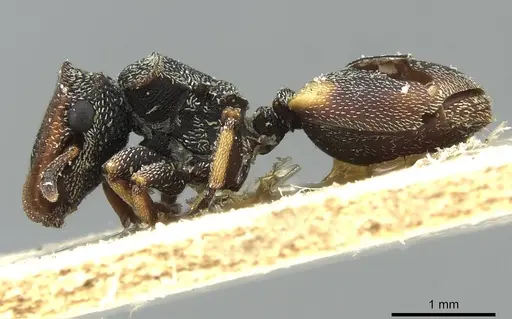
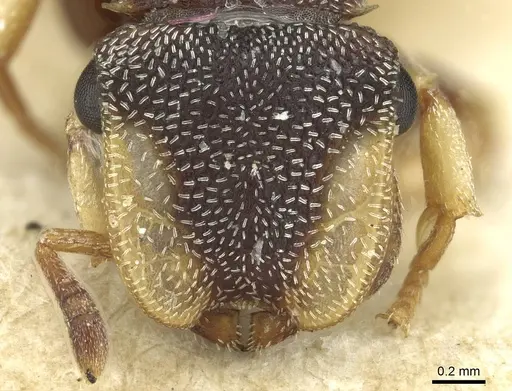
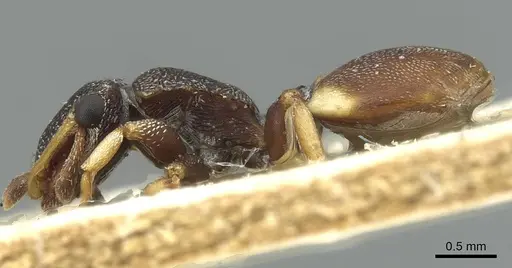
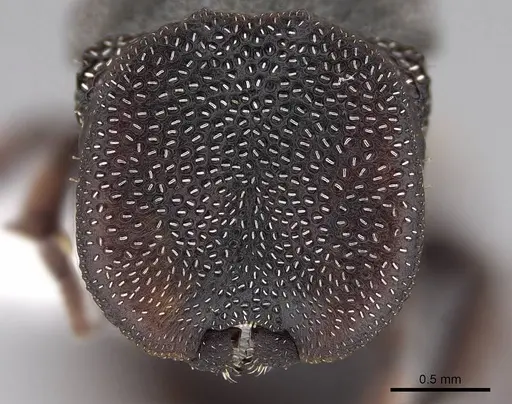
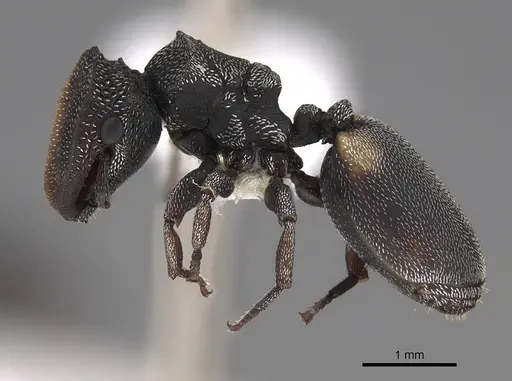
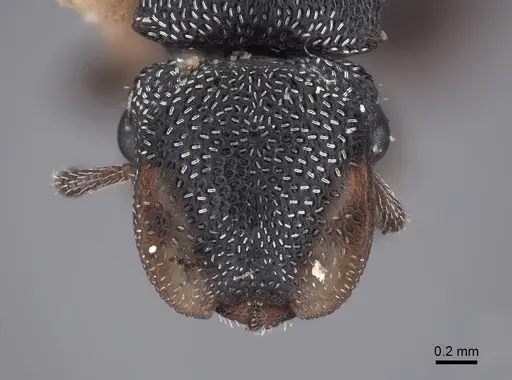
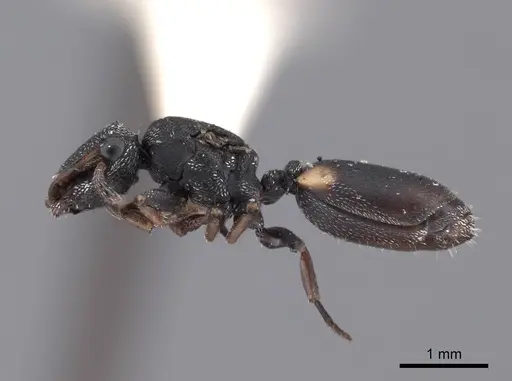
Cephalotes texanus is a distinctive turtle ant native to the southern United States and northern Mexico. Workers are 3-4mm with a strongly flattened, broad body and a unique disk-shaped head. The species gets its 'turtle ant' name from its flattened, shell-like appearance. Soldiers have an extraordinary phragmotic ability, they use their flattened heads as living doors to block nest entrances, creating a V-shaped barrier with two guards working back-to-back. Colonies are polygynous with multiple queens and contain strongly polymorphic workers including majors with enlarged heads. They nest in tree cavities, primarily in live-oak trees, and are one of the few ant species that feed on pollen.
Quick Summary
- Difficulty: Medium
- Origin & Habitat: Southern United States (Texas, New Mexico) and northern Mexico. They are arboreal ants that nest in cavities within trees, particularly live oaks (Quercus virginiana) and other hardwoods [1][2].
- Colony Type: Polygynous colonies with multiple queens working together. Colonies contain strongly polymorphic workers including minors, medias, majors, and soldiers [3][2].
- Colony: Polygyne
- Size & Growth:
- Queen: 6-6.6mm [4]
- Worker: 3.6-4mm (minors/medias),4-5.4mm (majors/soldiers) [4]
- Colony: 31-232 individuals including workers and queens [4]
- Growth: Slow, colonies remain relatively small
- Development: Unknown, no direct development data available for this species (Development timeline has not been directly studied. Based on related Cephalotes species, expect development to take several months from egg to adult worker.)
- Antkeeping:
- Temperature: Keep nest area at 21-26°C. Foraging only occurs when temperature reaches 70°F (21°C) or higher [2]. Provide a temperature gradient allowing ants to self-regulate.
- Humidity: Moderate humidity around 50-70%. As arboreal nesters, they prefer slightly drier conditions than ground-nesting ants. Provide a water tube but avoid excessive moisture.
- Diapause: Unknown, no specific diapause data found. Based on their southern range, they likely have reduced activity in winter rather than true hibernation.
- Nesting: Arboreal cavity-nesters. In captivity, they do well in acrylic nests with narrow chambers that accommodate their flattened body shape. Provide connections between chambers that allow soldiers to block passages. Test tubes can work for founding colonies but will need upgrading as the colony grows.
- Behavior: Turtle ants are notably sluggish and spend long periods immobile in nest chambers. They are not aggressive but will open their mandibles as a warning display when disturbed. Soldiers serve as living door guards, using their phragmotic heads to block nest entrances, this is one of their most fascinating behaviors. Foragers are active during daylight hours only and are very alert to vibrations and movement. They have excellent escape prevention needs due to their small size. They are herbivorous, feeding primarily on pollen and honeydew rather than hunting prey.
- Common Issues: small size means escapes are likely without fine mesh barriers, colonies remain relatively small, don't expect the massive worker numbers of some species, soldier phragmotic behavior can trap workers if passages are too narrow, slow growth may frustrate keepers expecting rapid colony development, wild-caught colonies may have parasites that affect survival in captivity
Housing and Nest Setup
Cephalotes texanus is an arboreal species that naturally nests in tree cavities, particularly in live oaks. In captivity, they do best in acrylic formicariums with chambers scaled to their flattened body shape. The key requirement is providing narrow passages where soldiers can position themselves as living doors, this is their natural defense behavior and should be accommodated in captivity. Chamber dimensions should allow majors and soldiers to move comfortably while still being narrow enough for the phragmotic behavior to function. Test tubes work for founding colonies but will need upgrading as the colony grows. Because they are small (workers 3-4mm), escape prevention must be excellent, use fine mesh on any ventilation holes and ensure all connections are secure. [1][2]
Feeding and Diet
Unlike most ants, Cephalotes texanus is primarily herbivorous. They collect pollen grains trapped by sticky hairs on leaves and feed on honeydew from aphids [2]. In captivity, offer pollen (either fresh or frozen/golden pollen from bee suppliers) as a primary food source, this is one of the few ant species that can digest pollen. They also readily accept sugar water or honey. While they will attack and immobilize termites in laboratory settings, this appears to be defensive rather than predatory feeding behavior [4]. Offer pollen 2-3 times per week and maintain a constant sugar water source. Fresh pollen is preferred but they can also process stored pollen. Their unique gut microbiome includes bacteria that help them extract nutrients from pollen and recycle nitrogen [5][6].
Temperature and Activity
These ants are strictly diurnal foragers, they only leave the nest during daylight hours and only when temperature reaches 70°F (21°C) or higher [2]. Keep the nest area at roughly 21-26°C. A heating cable on one side of the nest can create a temperature gradient, allowing the ants to choose their preferred temperature. They are very sluggish in the nest and often remain immobile for hours, packing together in chambers. This is normal behavior, not a sign of illness. Foragers are alert and will retreat if they detect vibrations or movement near the colony. Avoid placing the colony enclosure in high-traffic areas.
The Soldier's Phragmotic Defense
One of the most fascinating behaviors of Cephalotes texanus is the soldier's phragmotic head defense. When a minor worker approaches the nest entrance, the guarding major positions itself with its flattened head covering the entrance. The minor touches the major's antennae as a greeting, and the major crouches down to allow the minor to squeeze through the narrow space between its thorax and the chamber roof. If passages are wide enough for two majors, they position back-to-back, creating a V-shaped barrier with the opening closed by their thoracic dorsi [4]. This behavior can occasionally trap workers temporarily, this is normal and not a problem. In captivity, provide passages just wide enough for this behavior to occur naturally.
Colony Structure and Polymorphism
Cephalotes texanus colonies are polygynous, meaning they have multiple queens working together. A documented colony contained 12 queens,56 majors, and 112 medias/minors, a total of 180 individuals [2]. The worker caste is strongly polymorphic: minors (3.6-4mm) are the smallest workers, medias are intermediate, and majors (4-5.4mm) have enlarged heads. Soldiers are a specialized major caste with the distinctive disk-shaped head used for nest defense. All castes participate in brood care, both majors and minors gently handle eggs and larvae despite their clumsy-looking heads [4]. Colonies typically contain 31-232 individuals total, making them a relatively small species compared to many common keeping ants.
Unique Gut Symbionts
Cephalotes texanus has a unique gut microbiome that sets it apart from other turtle ants. It harbors a specific bacterial strain (Opitutales ASV2) that is 100% identical to a cultured symbiont with urea-degrading capability [6]. This nitrogen-recycling system allows them to survive on nitrogen-poor diets like pollen. The gut microbiome changes with development: young larvae show lower bacterial colonization (20.6% amplification) while older larvae and adults show much higher rates (74.6-94.5%) [7]. This means providing a stable, established colony is important for their long-term health. The microbiome is also distinct from other Cephalotes species, making this species particularly specialized.
Frequently Asked Questions
Can I keep Cephalotes texanus in a test tube?
Yes, test tubes work for founding colonies. However, you'll need to upgrade to a formicarium as the colony grows because they need proper chambers for their phragmotic defense behavior to function. The narrow passages in an acrylic nest allow soldiers to act as living doors.
What do Cephalotes texanus eat?
They are primarily herbivorous. Offer pollen (fresh or frozen bee pollen) as a staple food, they are one of the few ant species that can digest it. Also provide constant sugar water or honey. They may accept other sweet liquids but avoid protein-rich foods as their diet is not predatory.
How long does it take for first workers to hatch?
The exact egg-to-worker timeline is unknown for this species. Based on related Cephalotes species, expect several months from egg to adult worker. They are slow-growing colonies that typically max out around 200 individuals.
Are Cephalotes texanus good for beginners?
They are rated as medium difficulty. They have specific dietary needs (pollen requirement) and slower growth than many beginner species. Their small size also requires good escape prevention. However, their fascinating soldier behavior and relatively small colony size make them interesting for keepers willing to meet their needs.
Can I keep multiple queens together?
Yes, this species is naturally polygynous, colonies have multiple queens working together. You can introduce multiple foundress queens to start a colony, or add additional queens to an existing colony. They are not aggressive toward each other.
Do they need hibernation?
Diapause requirements are not well documented for this species. Based on their southern range (Texas, Mexico), they likely have reduced activity in winter months rather than true hibernation. A cool period around 15-18°C during winter months is probably sufficient.
Why are my turtle ants not foraging?
Check your temperature, they only forage when it's 70°F (21°C) or warmer and only during daylight hours [2]. They are also very sluggish by nature and may spend hours immobile in nest chambers. If conditions are correct and they still won't forage, they may be adjusting to captivity or the colony may be stressed.
How big do Cephalotes texanus colonies get?
Colony size ranges from 31-232 individuals including workers and queens [4]. This is relatively small compared to many common ant species. The polygynous structure means multiple queens contribute to egg production, but overall colony size stays modest.
What makes Cephalotes texanus special?
Their phragmotic soldier behavior is unique, soldiers use their flattened heads as living doors to block nest entrances. They are also one of the few truly herbivorous ant species, feeding primarily on pollen and honeydew. Their unique nitrogen-recycling gut microbiome allows them to thrive on a diet that would starve other ants.
References

This caresheet is licensed under CC BY-SA 4.0 .
CASENT0104842
View on AntWeb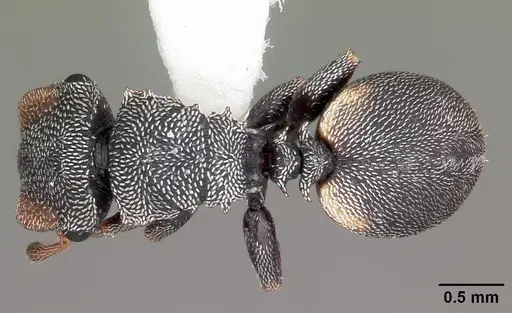
CASENT0106141
View on AntWeb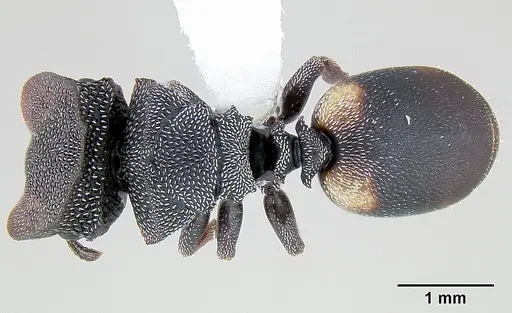
CASENT0912620
View on AntWeb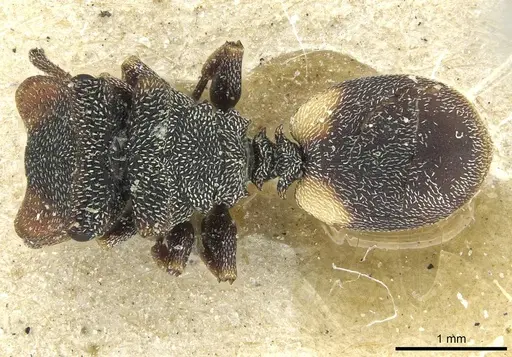
CASENT0912621
View on AntWeb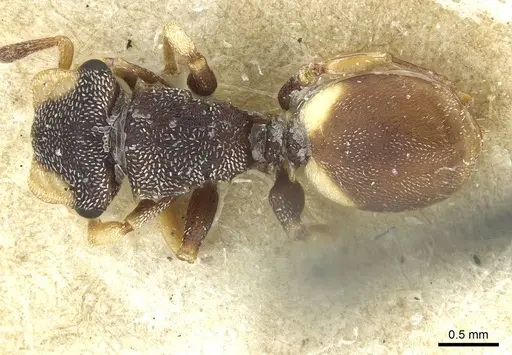
CASENT0922580
View on AntWeb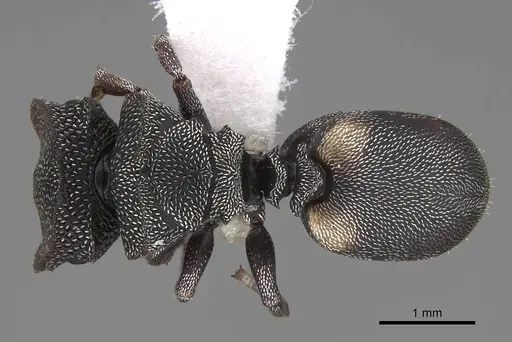
FMNHINS0000047669
View on AntWeb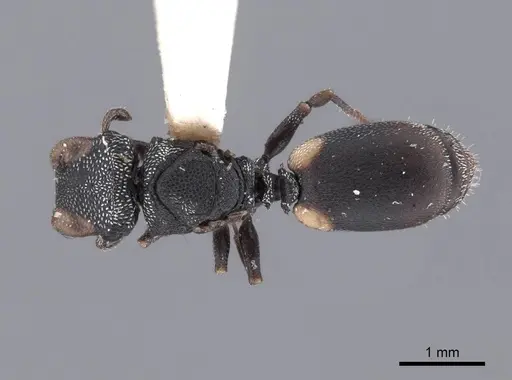
Literature
Loading...Loading products...