

Cephalotes setulifer
- Scientific Name
- Cephalotes setulifer
- Tribe
- Attini
- Subfamily
- Myrmicinae
- Author
- Emery, 1894
- Distribution
- Found in 5 countries
Cephalotes setulifer Overview
Cephalotes setulifer is an ant species of the genus Cephalotes. It is primarily documented in 5 countries , including Costa Rica, Honduras, Mexico. Detailed taxonomic data and occurrence records can be further explored via authoritative databases such as AntWeb or the Global Biodiversity Information Facility (GBIF).
Cephalotes setulifer
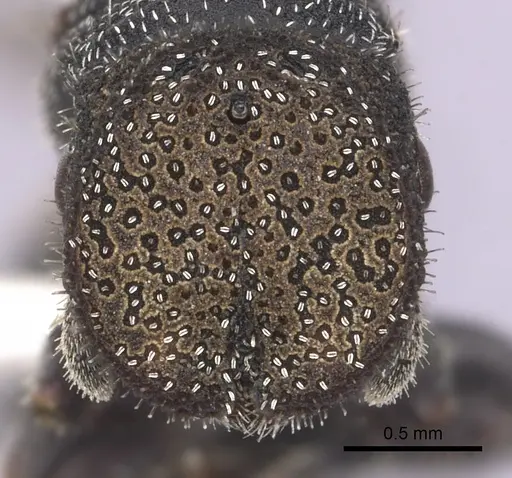
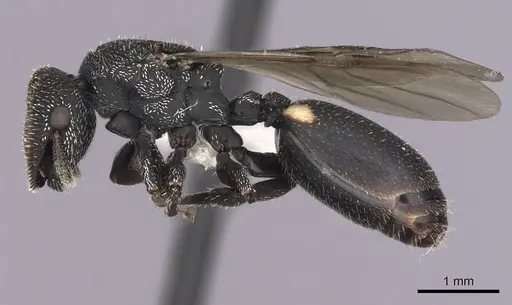
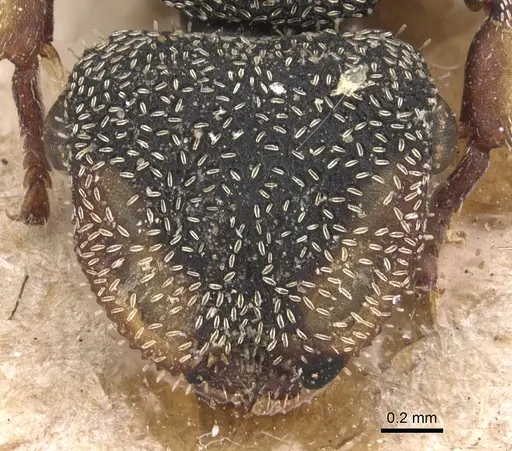
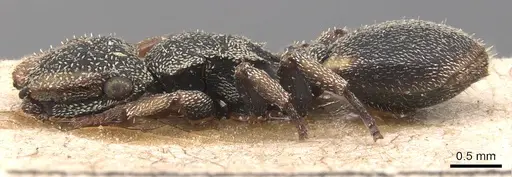
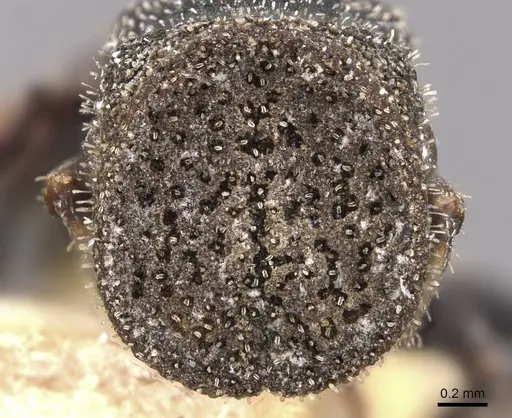
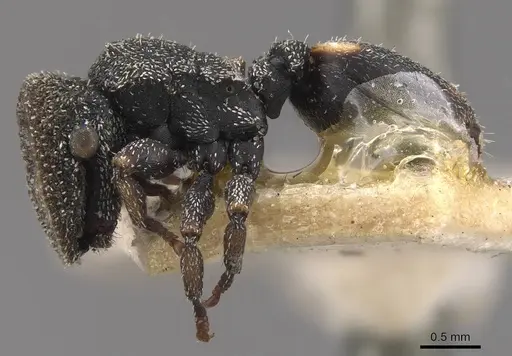
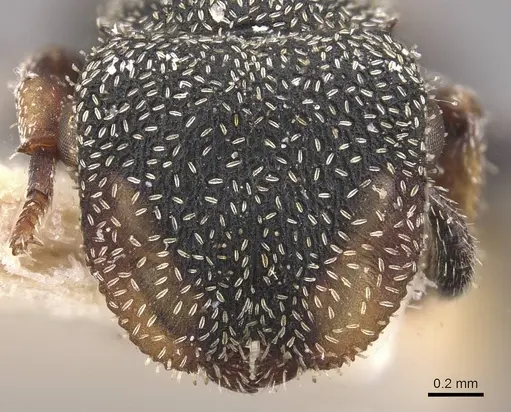
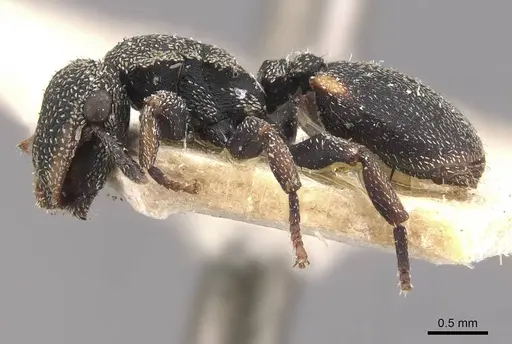
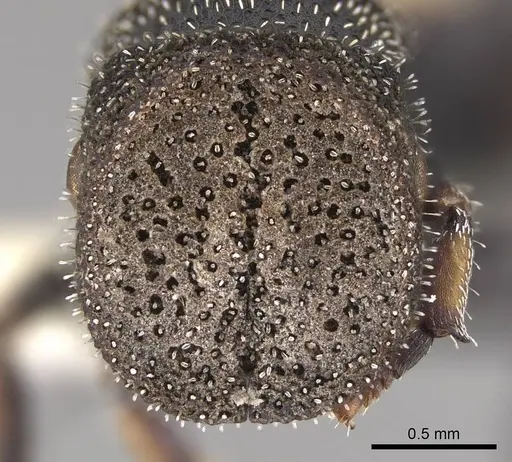
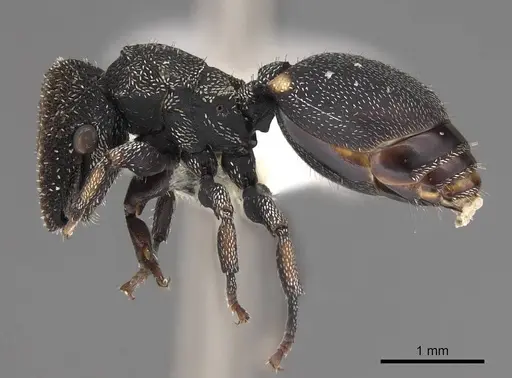
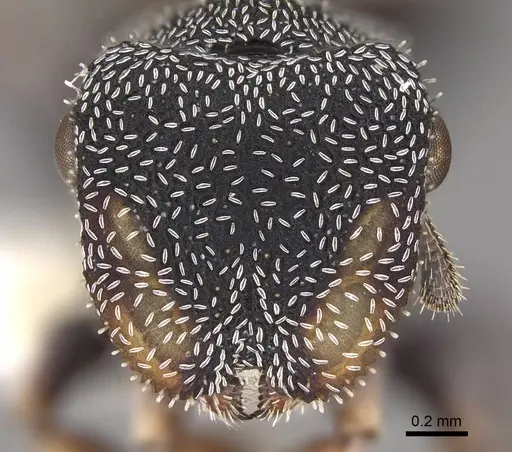
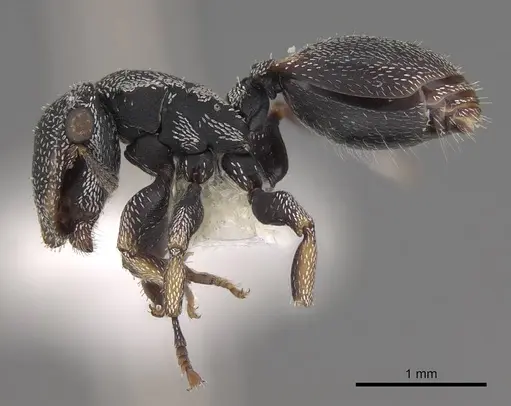
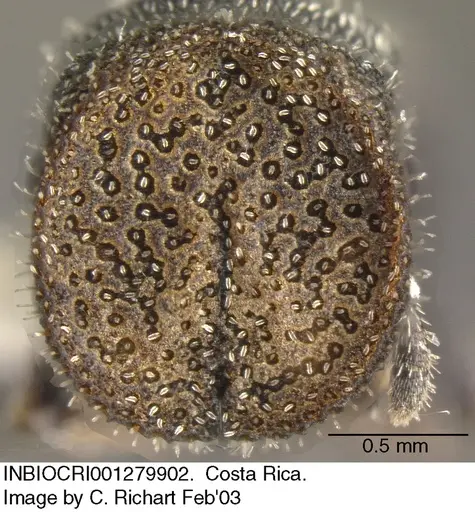
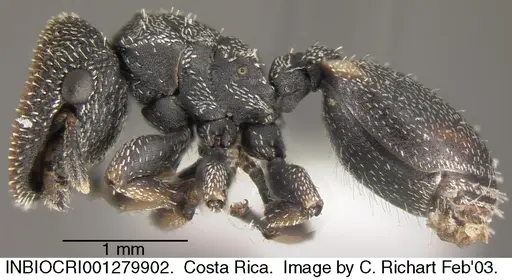
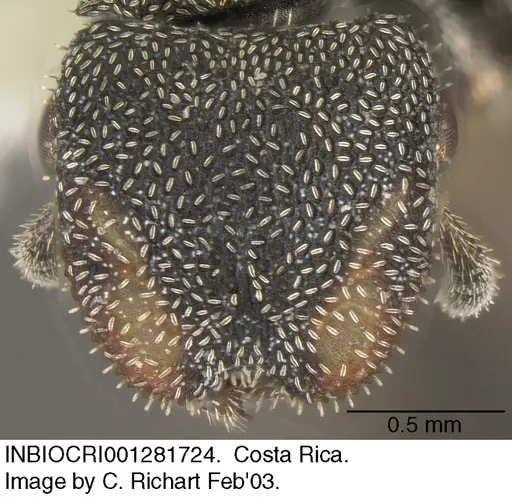
Cephalotes setulifer is a small, distinctive turtle ant native to the Neotropical lowlands of Costa Rica, Panama, and Colombia. Workers measure 3.4-4.4mm with a strikingly flattened, broad body that is predominantly black with silvery-white scales giving them a frosted appearance [1]. The most remarkable feature of this species is their head structure, queens and soldiers have a broad, dish-like disc on their head that becomes heavily encrusted with a secreted material, which they use to block nest entrances like living cork plugs [2]. This species is an obligate commensalist of the tropical tree Cordia alliodora, nesting exclusively in the tree's hollow stem domatia [3].
Quick Summary
- Difficulty: Expert
- Origin & Habitat: Neotropical lowlands of Costa Rica, Panama, Colombia, and Honduras. Found at elevations from 70-1000m in early successional vegetation and disturbed habitats [4][2]. They live inside hollow stems (domatia) of Cordia alliodora trees where they tend to symbiotic scale insects [3].
- Colony Type: Monogyne, single queen colonies with strongly polymorphic worker castes (minor workers and major soldiers) [5]. The soldier caste has an enlarged head disc used for nest defense.
- Colony: Monogyne
- Size & Growth:
- Queen: 7.1mm [2]
- Worker: 3.4-4.4mm [2]
- Colony: Unknown, likely small to moderate based on typical Cephalotes patterns
- Growth: Unknown, likely moderate
- Development: Unconfirmed, no direct development data exists for this species (Development timeline has not been studied. Based on related Cephalotes species, expect several months from egg to first worker at tropical temperatures.)
- Antkeeping:
- Temperature: Keep warm, around 24-28°C. This is a lowland tropical species from warm, humid forests, they do not tolerate cool temperatures [2].
- Humidity: High humidity required,70-85%. These ants live inside tree stems in humid forest canopy environments [3]. Provide moist but ventilated nesting areas.
- Diapause: No, as a tropical species, they do not require hibernation. Maintain consistent warm conditions year-round.
- Nesting: This species is challenging to keep because it is an obligate plant-ant that nests in hollow Cordia alliodora stems. In captivity, they do best in narrow acrylic or plaster nests that mimic their natural stem cavities. Provide tight chambers scaled to their flattened body shape.
- Behavior: Peaceful but defensive. Workers are not aggressive but soldiers use their encrusted head discs to physically block nest entrances, this is their primary defense mechanism [2]. They are obligate commensalists of Cordia alliodora and cannot survive without access to their host plant's domatia. Foraging is subtle, and they tend to scale insects for honeydew. Escape prevention is critical due to their small size, they can squeeze through tiny gaps.
- Common Issues: obligate plant-ant, cannot be kept in standard setups without understanding their host relationship, escape risk is high due to tiny size, use fine mesh and tight-fitting barriers, requires warm, humid conditions year-round, cool temperatures are fatal, colonies may struggle without access to their symbiotic host plant or scale insects, slow growth and small colony sizes make them difficult to establish
Housing and Nest Setup
Cephalotes setulifer presents unique housing challenges because it is an obligate plant-ant that naturally lives inside hollow stems. In captivity, use a Y-tong (AAC) nest or acrylic formicarium with chambers scaled to their remarkably flattened body shape. The chambers should be tight and narrow, these ants are built like tiny pancakes and will slip through standard test tube setups. Provide a water tube for humidity but ensure the nest area stays moist without flooding. Because they are obligate commensalists of Cordia alliodora, they may struggle in captivity without some connection to their natural host relationship, consider providing artificial domatia or accepting that this species is best left to experienced specialists. [3][2]
Temperature and Humidity
This is a lowland tropical species that demands warmth and humidity. Keep the nest at 24-28°C consistently, they do not tolerate temperatures below 20°C and cool conditions will kill the colony. Maintain humidity at 70-85% by keeping the nest substrate moist. Use a small heating cable on one side of the nest to create a gentle temperature gradient, placing it on top of the nest to avoid evaporating moisture too quickly. Adequate ventilation is essential to prevent mold while maintaining humidity, avoid both stagnant air and excessive drying. [2]
Feeding and Diet
In the wild, C. setulifer lives in Cordia alliodora domatia where they tend to symbiotic scale insects (coccoids) for honeydew [6]. In captivity, provide a constant sugar source like honey water or sugar water, and offer protein in the form of small insects. They are small ants with modest protein needs, tiny fruit flies, small mealworms, or pinhead crickets work well. Because they are specialized plant-ant commensalists, they may be picky eaters compared to generalist ants. Offer food 2-3 times per week and remove uneaten prey after 24 hours.
Behavior and Colony Structure
This species has a strongly polymorphic worker caste with distinct minor workers and major soldiers [1]. The soldiers have dramatically enlarged heads with a broad disc that becomes encrusted with a secreted material, they use this as a living cork to block the nest entrance when threatened [2]. Colonies are monogyne with a single queen [5]. Workers are not aggressive but will defend the nest vigorously using their soldier caste. The colony should be handled gently, these are delicate ants with their flattened body shape making them prone to injury. They are not stingers and pose no danger to keepers.
Escape Prevention
Escape prevention is critical with this species. Workers are only 3.4-4.4mm and remarkably flattened, they can squeeze through gaps that seem impossible. Use fluon on all tube connections, fine mesh on any ventilation holes, and ensure all enclosure lids fit tightly. Check for gaps around water tube connections and any seams in acrylic setups. This is not a species for casual keeping, if you cannot provide excellent escape prevention, choose a different species.
Seasonal Care
As a tropical species from lowland Central America, C. setulifer does not require any diapause or winter rest. Maintain consistent warm temperatures and humidity year-round. Any cooling period can be fatal, keep them away from air conditioning vents, drafty windows, or any cold surfaces. The stable, warm conditions of a tropical terrarium work well for this species. [2]
Frequently Asked Questions
Can I keep Cephalotes setulifer in a test tube setup?
Test tubes are not ideal for this species. Their extremely flattened body shape means they can slip through standard test tube setups, and they need tight chambers scaled to their size. A Y-tong (AAC) nest or custom acrylic formicarium with narrow chambers works better.
How long does it take for Cephalotes setulifer to produce first workers?
The development timeline has not been documented for this species. Based on related Cephalotes species, expect 2-4 months from egg to first worker at optimal tropical temperatures (26-28°C).
Are Cephalotes setulifer good for beginners?
No. This is an expert-level species because they are obligate plant-ant commensalists that require specific housing, warm humid conditions, and excellent escape prevention. They are not forgiving of mistakes like many common ant species.
Can I keep multiple queens together?
No. This species is monogyne, colonies have a single queen [5]. Combining unrelated queens has not been documented and is not recommended.
What do Cephalotes setulifer eat?
They need a constant sugar source (honey water or sugar water) and protein from small insects like fruit flies or tiny mealworms. In the wild they tend scale insects for honeydew, so they may accept sugar sources readily.
What temperature do they need?
Keep them warm at 24-28°C. This is a lowland tropical species that does not tolerate cool temperatures, anything below 20°C can be fatal.
Why are my Cephalotes setulifer dying?
Common causes include: temperatures below 20°C, low humidity, escape through tiny gaps, or stress from improper housing. This species is challenging and requires attention to detail. If your colony is declining, check temperature first, then escape prevention.
Do they need hibernation?
No. As a tropical species from Costa Rica and Panama, they do not require any diapause. Keep them warm and active year-round.
How big do colonies get?
Colony size is not well documented for this species. Based on related Cephalotes, colonies likely reach a few hundred workers at most. They are not large colony formers.
What makes Cephalotes setulifer special?
They are one of the few obligate plant-ant commensalists, living exclusively in Cordia alliodora tree domatia. Their soldiers have remarkable head discs covered in secreted material that they use as living cork plugs to seal their nests. Their flattened, silvery-black appearance is also distinctive.
References

This caresheet is licensed under CC BY-SA 4.0 .
CASENT0627974
View on AntWeb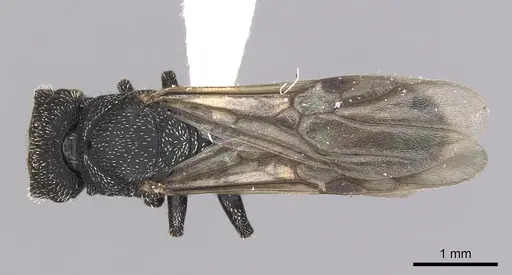
CASENT0904926
View on AntWeb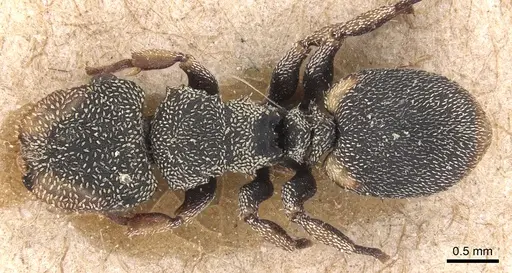
CASENT0909296
View on AntWeb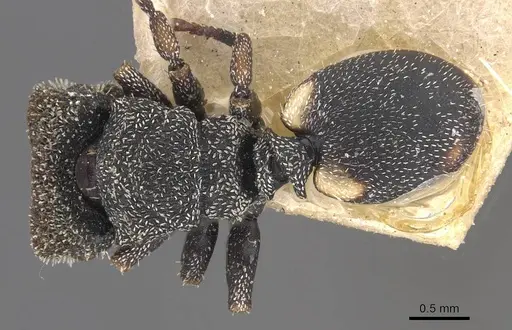
CASENT0909297
View on AntWeb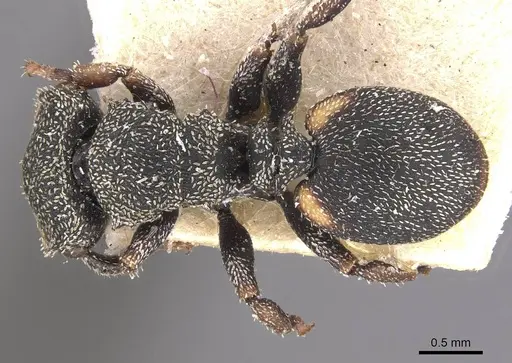
CASENT0922524
View on AntWeb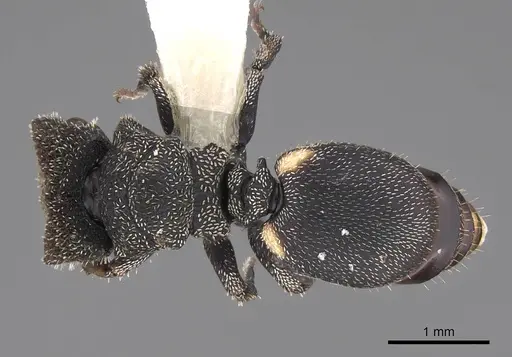
CASENT0922525
View on AntWeb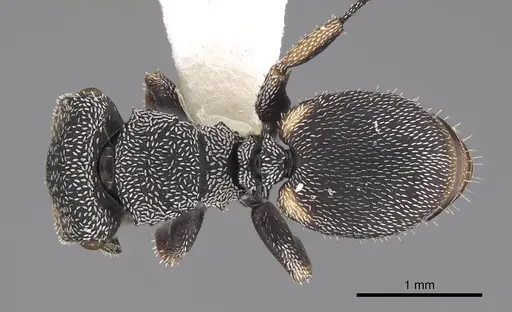
INBIOCRI001279902
View on AntWeb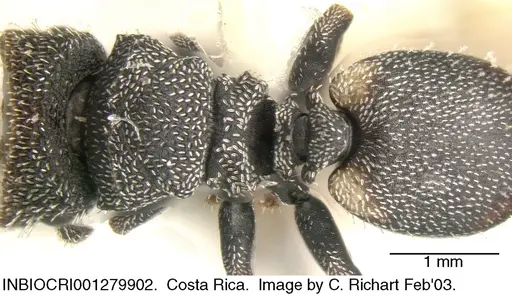
INBIOCRI001281724
View on AntWeb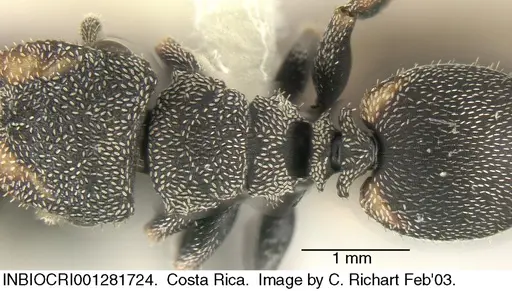
Literature
Loading...Loading products...