

Cephalotes rohweri
- Scientific Name
- Cephalotes rohweri
- Tribe
- Attini
- Subfamily
- Myrmicinae
- Author
- Wheeler, 1916
- Common Name
- Sonoran Turtle Ant
- Distribution
- Found in 2 countries
Cephalotes rohweri Overview
Cephalotes rohweri (commonly known as the Sonoran Turtle Ant) is an ant species of the genus Cephalotes. It is primarily documented in 2 countries , including Mexico, United States of America. Detailed taxonomic data and occurrence records can be further explored via authoritative databases such as AntWeb or the Global Biodiversity Information Facility (GBIF).
Cephalotes rohweri - "Sonoran Turtle Ant"
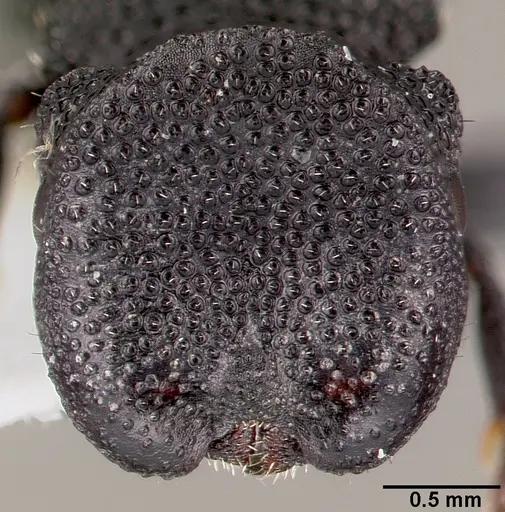
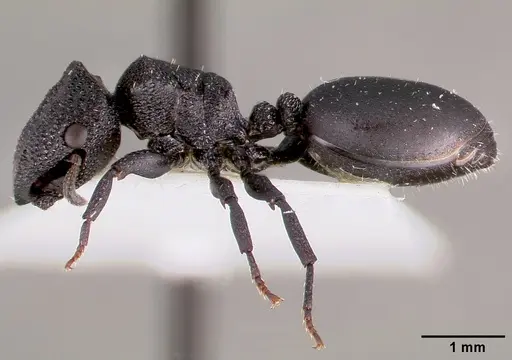
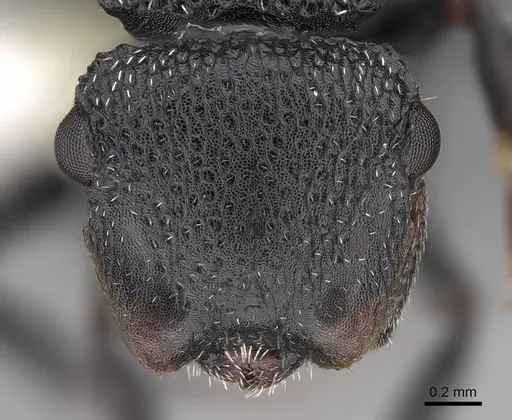
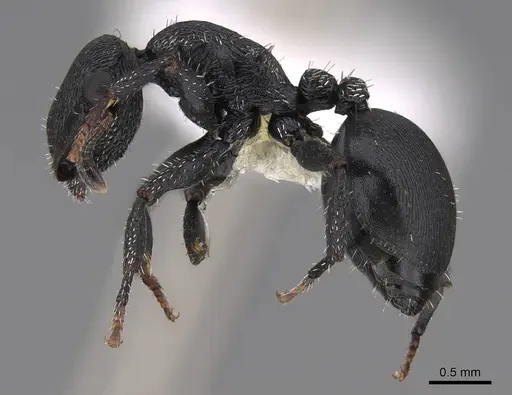
Cephalotes rohweri is a small to medium-sized turtle ant native to the American Southwest and northern Mexico. Workers measure 4-6mm, soldiers are 6.8-7.4mm, and queens reach 7.9-8.2mm [1]. They are mostly black with some ferruginous (rusty) markings on the mandibles, frontal carinae, leg tips, and sometimes the head [2]. This species belongs to the 'wheeleri clade' and is known for its highly specialized soldier caste, workers have distinctive spines on the petiole and postpetiole, while soldiers have large, armored heads used to physically block nest entrances [3][4].
What makes C. rohweri particularly interesting is its polydomous nesting behavior, a single colony occupies multiple cavities (typically 2-7) in tree branches, and they actively allocate soldiers and workers across these different nest sites based on cavity size and defendability [3]. They also have an unusually complex gut microbiome that helps them recycle nitrogen, which is especially important since they feed heavily on honeydew and pollen rather than protein-rich prey [5]. This is one of the few ant species documented to eat pollen [6].
Quick Summary
- Difficulty: Medium
- Origin & Habitat: Southern Arizona (USA), western New Mexico, and northern Mexico. They nest in canyon bottoms and foothills at elevations 2,800 to 3,700 feet, specifically in old beetle burrows within branches and limbs of oak trees (Quercus spp.) and Yellow Paloverde (Parkinsonia microphylla) [2][7].
- Colony Type: Single-queen colonies (monogyne) with a distinct soldier caste. Colonies are polydomous, they maintain multiple nest cavities simultaneously and allocate workers and soldiers across them [3][4].
- Colony: Monogyne
- Size & Growth:
- Queen: 7.9-8.2mm [1]
- Worker: 4.0-5.5mm [1]
- Colony: Up to 75 workers in natural colonies, though research colonies have been studied with 58-324 total individuals (workers + soldiers) [2][3]
- Growth: Slow to moderate, small colony size and polydomous structure suggest gradual growth
- Development: Unknown, no direct development data available for this species. Related Cephalotes species typically take 6-10 weeks at optimal temperatures. (Development timeline has not been directly studied. Expect slower growth compared to common pet ants due to small maximum colony size.)
- Antkeeping:
- Temperature: Keep at room temperature or slightly warm, around 22-26°C. As a desert/semi-arid species from Arizona, they tolerate warmer conditions but avoid extreme heat. A gentle gradient is ideal.
- Humidity: Moderate, they come from relatively dry canyon habitats. Keep nest substrate lightly moist but allow it to dry partially between waterings. Avoid overly damp conditions that could mold.
- Diapause: No, this is a warm-climate species from the American Southwest. They do not require hibernation and remain active year-round if kept warm.
- Nesting: This species naturally nests in narrow tree branch cavities (old beetle burrows). In captivity, they do best in acrylic/naturalistic setups with narrow chambers that match their arboreal nesting preferences. They need multiple connected chambers or the ability to expand into new spaces as they grow, reflecting their polydomous nature.
- Behavior: Generally calm and non-aggressive, but they have a unique defense mechanism. The soldier caste uses its heavily armored head to physically block small nest entrances, creating a living door [3][4]. They are not known to sting. Workers forage on the ground as well as in vegetation, searching for honeydew and small arthropods [2]. They are escape artists due to their small worker size, use fine mesh barriers. Colonies will defend multiple nest cavities simultaneously, allocating soldiers based on cavity size and defensibility.
- Common Issues: polydomous nesting means they need expansion space, cramped colonies may fail to thrive, small colony size (max ~75 workers) means slow growth that can frustrate beginners, escape prevention is critical, workers are small and will find tiny gaps, gut microbiome is specialized, they may have specific dietary needs (honeydew/pollen) that differ from typical ants, they need multiple nest chambers connected together to mimic their natural cavity system
Housing and Nest Setup
Cephalotes rohweri is an arboreal nesting species that naturally lives in narrow cavities inside tree branches, specifically old larval burrows of wood-boring beetles [7]. In captivity, you should replicate this with an acrylic nest or naturalistic setup that has narrow chambers (roughly 3-5mm wide passages). The key difference from most ant pets is their polydomous nature, they naturally occupy multiple connected cavities [3]. This means you should either provide a formicarium with multiple chambers connected by tubing, or plan to add additional nest space as the colony grows.
Because soldiers block nest entrances with their heads, the chamber entrances should be small (2-4mm) to allow this defensive behavior to work [3]. If entrances are too large, the soldiers cannot effectively block them. Avoid test tube setups, these don't provide the narrow, enclosed cavities this species prefers. A Y-tong or acrylic nest with appropriately sized tunnels works well.
Feeding and Diet
C. rohweri has an unusual diet compared to most ant pets. They primarily feed on honeydew (the sugary secretion from aphids and scale insects) and are one of the few ant species documented to eat pollen [6]. They also consume small arthropods for protein [2].
For captive care, offer sugar water or honey water as a constant energy source. For protein, small fruit flies, pinhead crickets, or other tiny insects work well. The pollen-eating behavior suggests they may benefit from occasional pollen supplements, though this is optional. Feed protein prey 2-3 times per week, and keep sugar water available at all times. Remove uneaten prey after 24 hours to prevent mold.
Their gut microbiome is highly specialized for nitrogen recycling, they have specific bacteria that help them extract nutrients from their primarily honeydew-based diet [5]. This means they may be less dependent on protein than typical ants, but offering some is still important for brood development.
Temperature and Seasonal Care
As a species from the American Southwest (Arizona, Mexico), C. rohweri prefers warm, relatively dry conditions. Keep the nest at 22-26°C, room temperature is usually fine, and you can add a heating cable on one side if your home runs cool. They do not require hibernation (diapause) and remain active year-round when kept warm.
Avoid temperatures above 30°C or prolonged cold. Since they naturally live in canyon bottoms and foothills at 2,800-3,700 feet elevation, they are adapted to temperature swings but not extreme cold. If your colony becomes sluggish, warming them slightly often helps.
Humidity should be moderate, think desert canyon rather than rainforest. Keep the nest substrate lightly moist but allow it to dry partially between waterings. Good ventilation is important to prevent mold while maintaining humidity. [2]
Colony Structure and Soldier Behavior
One of the most fascinating aspects of C. rohweri is their polydomous colony structure and soldier-based defense system. Unlike most ants that live in a single nest, colonies of this species occupy 2-7 separate cavities simultaneously [3]. They strategically allocate soldiers to different cavities based on how defensible each entrance is, smaller entrances that fit exactly one soldier's head are easier to defend [3].
The soldiers (also called majors) have massively enlarged, armored heads specifically adapted for blocking nest entrances. When a threat approaches, soldiers position themselves at the cavity opening and use their heads as living doors [4]. For larger entrances, multiple soldiers cooperate to form a blockade. This is their primary defense mechanism, they do not have a painful sting.
Colony size is relatively small, typically under 75 workers in natural colonies, with 8-63 soldiers per colony [3]. The queen remains in one cavity while workers and brood are distributed across multiple nests. When new cavities become available, colonies rapidly expand into them, moving brood and allocating soldiers proportionally [3].
Growth and Development
C. rohweri colonies grow slowly compared to common pet ants like Lasius or Camponotus. Maximum colony size is around 75 workers in the wild, so even established colonies remain relatively small [2]. This is partly because they invest heavily in soldier production, a colony with 300+ individuals might have 60+ soldiers [3].
The development timeline from egg to worker has not been directly documented for this species. Based on related Cephalotes species, expect 6-10 weeks at optimal temperature (around 24°C). First workers (nanitics) will be smaller than normal workers.
Because colonies stay small, patience is key. Don't expect rapid exponential growth. Instead, focus on maintaining stable conditions and providing appropriate cavity space for the colony to expand into new chambers as they would in the wild.
Common Problems and Solutions
The biggest challenge with C. rohweri is replicating their natural polydomous nesting. If you keep them in a single, cramped nest, they may not thrive even if other conditions are perfect. Solution: Plan for expansion from the start, or use a formicarium with multiple connected chambers.
Escape prevention is critical, workers are small (4-5mm) and will squeeze through tiny gaps. Use fine mesh barriers and check all connections regularly.
Their small maximum colony size can be disappointing for keepers expecting rapid growth. Accept that this is a 'quality over quantity' species, a healthy colony of 50 workers with active soldiers is a success.
Finally, their specialized gut microbiome means they may be more sensitive to sudden diet changes or poor water quality. Use clean water and avoid processed foods. [3]
Frequently Asked Questions
How long does it take for Cephalotes rohweri to produce first workers?
The exact timeline is unknown for this species, but based on related Cephalotes ants, expect 6-10 weeks from egg to first worker at optimal temperature (around 24°C). Colonies grow slowly and maximum size is only around 75 workers, so patience is essential.
Can I keep Cephalotes rohweri in a test tube?
Test tubes are not ideal for this species. They naturally nest in narrow tree branch cavities and are polydomous (occupy multiple connected cavities). Use an acrylic nest or formicarium with narrow chambers (3-5mm passages) and plan for expansion space.
What do Cephalotes rohweri eat?
They primarily eat honeydew (sugary secretions from aphids) and are one of the few ant species that eat pollen. They also consume small arthropods for protein. In captivity, offer sugar water or honey water constantly, and protein prey (fruit flies, small crickets) 2-3 times per week.
How big do Cephalotes rohweri colonies get?
Natural colonies max out at around 75 workers, though research has found colonies with 58-324 total individuals (workers + soldiers). They remain relatively small compared to most ant species.
Do Cephalotes rohweri need hibernation?
No, they do not require hibernation. As a species from the warm American Southwest, they remain active year-round when kept at room temperature (22-26°C).
Are Cephalotes rohweri good for beginners?
They are rated as medium difficulty. While not aggressive, their polydomous nesting requirements and slow growth make them better suited for keepers who understand ant biology. They are not ideal for complete beginners expecting rapid results.
Why do Cephalotes rohweri need multiple nest chambers?
This species is polydomous, in the wild, a single colony occupies 2-7 separate tree cavity nests. They allocate workers and soldiers across all cavities based on defensibility. In captivity, providing multiple connected chambers mimics their natural behavior and helps colonies thrive.
When should I move Cephalotes rohweri to a formicarium?
You can start them in an appropriate acrylic nest from the beginning, since test tubes don't suit their arboreal nesting needs. Ensure the chamber entrances are small enough (2-4mm) for soldiers to block effectively.
Why are my Cephalotes rohweri dying?
Common causes include: cramped nesting space (they need multiple chambers), escape-related losses (they are small and find tiny gaps), poor humidity control (mold from too-wet conditions), or inadequate food (they need constant sugar and regular protein). Check that your setup matches their arboreal cavity-nesting preferences.
References

This caresheet is licensed under CC BY-SA 4.0 .
CASENT0003326
View on AntWeb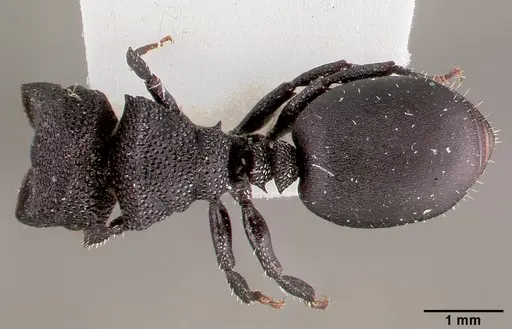
CASENT0922581
View on AntWeb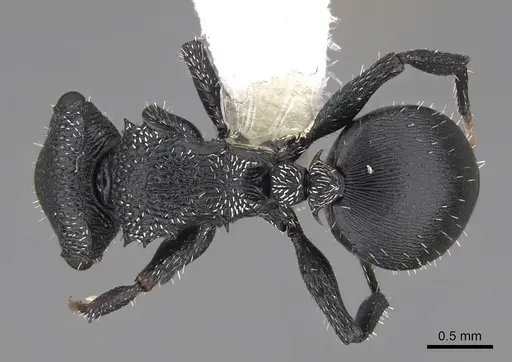
Literature
Loading...Loading products...