

Cephalotes quadratus
- Scientific Name
- Cephalotes quadratus
- Tribe
- Attini
- Subfamily
- Myrmicinae
- Author
- Mayr, 1868
- Distribution
- Found in 2 countries
Cephalotes quadratus Overview
Cephalotes quadratus is an ant species of the genus Cephalotes. It is primarily documented in 2 countries , including Argentina, Paraguay. Detailed taxonomic data and occurrence records can be further explored via authoritative databases such as AntWeb or the Global Biodiversity Information Facility (GBIF).
Cephalotes quadratus
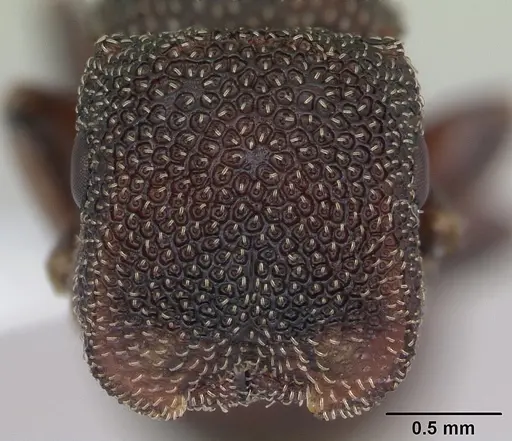
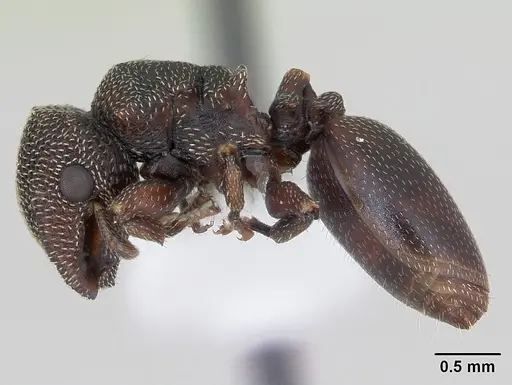
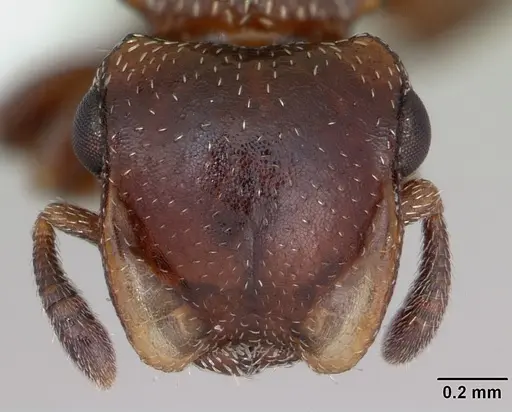
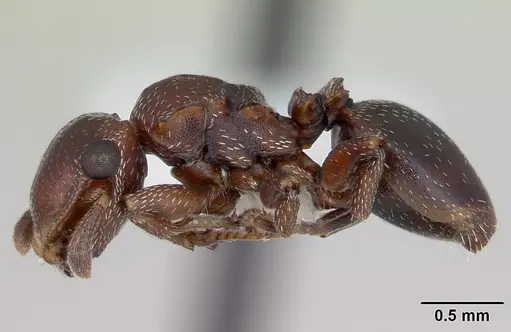
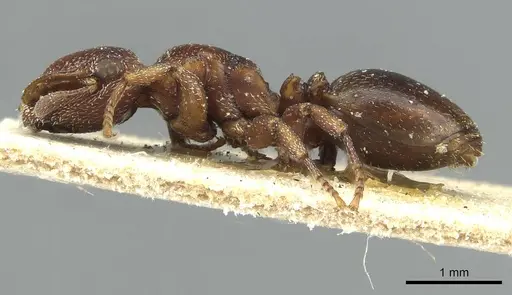
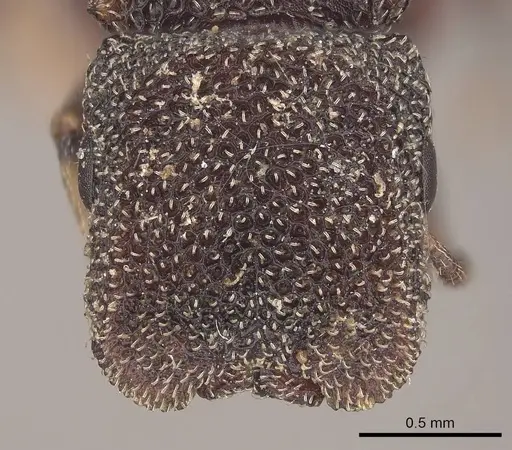
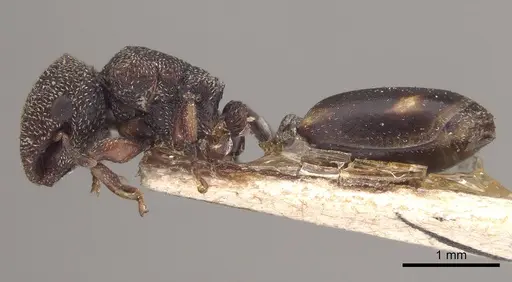
Cephalotes quadratus is a small to medium-sized ant belonging to the fiebrigi species group within the genus Cephalotes, commonly known as turtle ants. Workers measure 4.26-4.56mm while the soldier caste reaches approximately 6.4mm. The species is distinguished from its close relatives C. guayaki and C. fiebrigi by the absence of erect hairs on the head, mesosoma, and pedicel. The head is broader than long with a strongly convex dorsal surface, and the body has a brown coloration with dark yellow-orange frontal carinae. This ant is found across the Neotropical region of South America, including Argentina, Brazil, and Paraguay [1][2][3].
Like other turtle ants, C. quadratus is arboreal, nesting in hollow twigs, branches, and tree cavities. The genus Cephalotes is known for its distinctive soldier caste that uses their uniquely shaped heads to block nest entrances as a defensive adaptation. The species is assigned to the Tropical Climate Specialists functional group, indicating it prefers warm, humid forest environments [3]. Unfortunately, the specific biology of this species remains unstudied, though general Cephalotes behavior suggests they feed on nectar, honeydew, and small arthropods.
Quick Summary
- Difficulty: Medium
- Origin & Habitat: Neotropical South America, Argentina, Brazil, Paraguay. Found in tropical and subtropical forest habitats, typically arboreal in hollow twigs and branches [1][2][3].
- Colony Type: Single-queen colonies (monogyne) based on typical Cephalotes colony structure. The genus typically has distinct soldier castes for defense.
- Colony: Monogyne
- Founding: Claustral
- Size & Growth:
- Queen: Approximately 6.4mm (soldier caste). Queen measurements not specifically documented.
- Worker: 4.26-4.56mm.
- Colony: Unknown for this specific species. Related Cephalotes species typically form colonies of several hundred workers.
- Growth: Moderate, based on typical Cephalotes development patterns.
- Development: Estimated 6-10 weeks at optimal tropical temperatures (24-28°C) based on genus-level data for related Cephalotes species. (Development time not specifically documented for this species. Estimates based on typical Attini tribe patterns.)
- Antkeeping:
- Temperature: Keep at 24-28°C. As a tropical species from northern Argentina and Paraguay, they require warm conditions year-round. A gentle temperature gradient allows thermoregulation.
- Humidity: High humidity (70-80%) is essential. These are forest-dwelling arboreal ants that prefer consistently moist conditions. Mist the outworld regularly and ensure the nest area retains moisture without becoming waterlogged.
- Diapause: No, this is a tropical species that does not require hibernation. Maintain warm temperatures year-round.
- Nesting: Arboreal nesting in captivity works well using acrylic nests or Y-tong setups with narrow chambers scaled to their size. Provide hollow twigs or bamboo sections as enrichment. They prefer dark, enclosed spaces similar to their natural tree cavity habitats.
- Behavior: Turtle ants are generally docile but will defend their nest vigorously. The soldier caste uses their distinctive flattened heads to block nest entrances, this is their primary defense mechanism. They are not aggressive toward humans and rarely sting. Workers are active foragers that search for nectar and small prey. Their small worker size (under 5mm) means escape prevention should be moderate, they can fit through small gaps but are not as tiny as some Myrmicinae. They are primarily arboreal, so they will explore upward and use vertical space.
- Common Issues: tropical temperature requirements mean colonies can fail if kept too cool, avoid air conditioning drafts and cold rooms, arboreal nature means they need vertical space and climbing structures, horizontal-only setups may cause stress, specific biology is poorly documented so unexpected issues may arise, monitor colony behavior closely, high humidity needs can lead to mold problems if ventilation is inadequate, small colony size at founding means founding colonies are fragile and need minimal disturbance
Housing and Nest Setup
Cephalotes quadratus is an arboreal ant that naturally nests in hollow twigs, branches, and tree cavities. In captivity, acrylic nests (like Y-tong) work well, providing dark chambers that mimic their natural tree-hole habitat. The chambers should be appropriately sized for their worker size of 4-5mm, not too large or they may feel exposed. Include small connecting tubes that allow easy movement between chambers. Add a water reservoir to maintain humidity, as these tropical ants need consistent moisture. The outworld should include climbing structures like twigs, cork, or artificial plants since they naturally forage upward in the canopy. A test tube setup can work for founding colonies, but transition to a proper nest once the colony reaches 15-20 workers. [1]
Feeding and Diet
Like other Cephalotes species, C. quadratus likely has an omnivorous diet typical of the Attini tribe. They feed on nectar and honeydew in nature, along with small insects and other arthropods. In captivity, offer sugar water or honey diluted with water as a constant energy source. For protein, provide small live prey like fruit flies, pinhead crickets, or small mealworms. They are not aggressive hunters but will scavenge dead insects. Feed protein prey 2-3 times per week, and replace sugar water every 2-3 days to prevent fermentation. Remove uneaten prey after 24 hours to maintain cleanliness. The small worker size means prey items should be appropriately sized, nothing larger than their head.
Temperature and Humidity
As a tropical species from Argentina, Brazil, and Paraguay, Cephalotes quadratus requires warm, humid conditions. Maintain temperatures between 24-28°C year-round, this is non-negotiable for tropical species. A heating cable on one side of the nest can create a gentle gradient, but avoid direct heat that could dry out the nest. For humidity, aim for 70-80% relative humidity. Use a water reservoir connected to the nest and mist the outworld regularly. However, balance humidity with adequate ventilation to prevent mold growth. The substrate or nest material should feel consistently damp but never waterlogged. Room temperature in most homes may be too cold, use a thermostat-controlled heater or heat cable to maintain proper temperatures, especially in cooler climates. [3]
Behavior and Defense
Cephalotes quadratus has the characteristic defensive behavior of turtle ants. The soldier caste (majors) have uniquely flattened, shield-shaped heads that they use to block nest entrances, this is their primary defense mechanism against predators. When threatened, soldiers will plug the nest holes while workers continue activities behind them. This passive defense makes them docile toward keepers since they rarely need to attack. Workers are moderately active and will forage throughout the outworld, especially upward toward any elevated food sources. They are not known for stinging and pose no danger to humans. The colony will establish scent trails to food sources, and workers communicate through chemical signals. Their small size means they are agile and can explore effectively, but they are not escape artists like some tiny Myrmicinae.
Colony Growth and Development
The colony starts with a claustral founding queen who seals herself into a small chamber (likely a hollow twig or cavity) and raises her first workers alone on stored body fat. The first generation of workers (nanitics) are typically smaller than subsequent workers. Growth rate is moderate, expect 6-10 weeks from egg to first worker at optimal temperatures. Once the first workers emerge, the queen stops foraging and becomes entirely dependent on workers for food. Colony growth continues steadily with each generation. The soldier caste develops as the colony grows larger, these majors serve purely defensive roles. Maximum colony size is unknown for this specific species but likely reaches several hundred workers based on related Cephalotes. Patience is key during founding as the colony is most vulnerable in its early stages.
Frequently Asked Questions
How long does it take for Cephalotes quadratus to produce first workers?
Expect first workers (nanitics) to emerge in approximately 6-10 weeks at optimal temperatures of 24-28°C. This estimate is based on typical Cephalotes and Attini development patterns, as specific development data for C. quadratus has not been documented.
What do Cephalotes quadratus ants eat?
They are omnivorous like other turtle ants. Offer sugar water or honey as a constant energy source, and protein prey like small insects (fruit flies, pinhead crickets, small mealworms) 2-3 times per week. They are not aggressive hunters but will scavenge and forage for nectar and honeydew.
What temperature do Cephalotes quadratus ants need?
Keep them at 24-28°C year-round. This tropical species requires warm conditions and will not tolerate cool temperatures. Use a heating cable or thermostat-controlled heater if your room temperature is below this range.
Are Cephalotes quadratus good for beginners?
They are rated as medium difficulty. While generally docile and fascinating to watch, their specific biology is poorly documented, and they have specific humidity and temperature requirements that must be met. They are better suited for keepers with some experience who can maintain tropical conditions consistently.
How big do Cephalotes quadratus colonies get?
The maximum colony size is not documented for this specific species, but related Cephalotes species typically reach several hundred workers. Expect moderate growth over several years.
Do Cephalotes quadratus need hibernation?
No, they do not require hibernation. As a tropical species from Argentina, Brazil, and Paraguay, they need warm temperatures year-round. Do not expose them to cold temperatures or simulate winter conditions.
What type of nest is best for Cephalotes quadratus?
Arboreal setups work best, acrylic nests (Y-tong) or naturalistic setups with hollow twigs/branches mimic their natural tree cavity nesting. Provide dark chambers, a water reservoir for humidity, and climbing structures in the outworld.
Can I keep multiple Cephalotes quadratus queens together?
This species is typically monogyne (single-queen). Combining unrelated queens has not been documented and is not recommended. If you acquire a wild-caught colony, it likely has a single reproductive queen.
Why are my Cephalotes quadratus dying?
The most common causes are: temperatures below 24°C (tropical species are cold-intolerant), low humidity below 70%, mold from poor ventilation, or stress from disturbance during founding. Check your temperature and humidity levels first, then review feeding and cleaning schedules.
References

This caresheet is licensed under CC BY-SA 4.0 .
CASENT0173705
View on AntWeb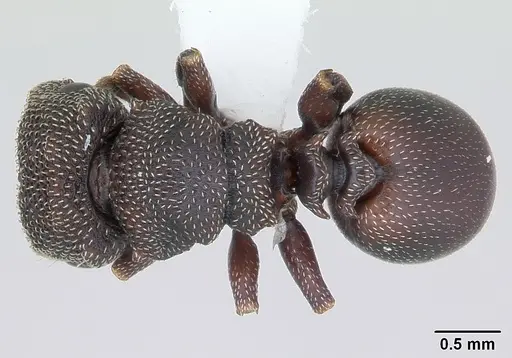
CASENT0173706
View on AntWeb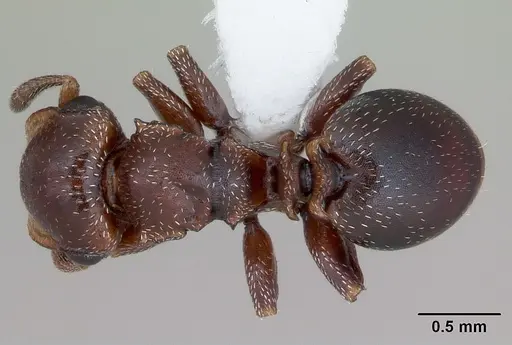
CASENT0912619
View on AntWeb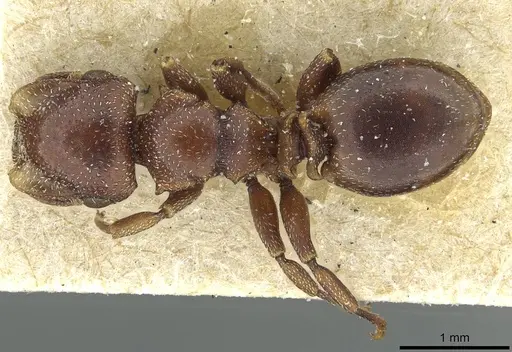
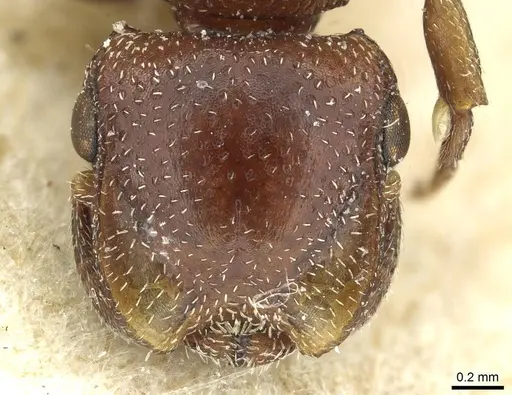
CASENT0919603
View on AntWeb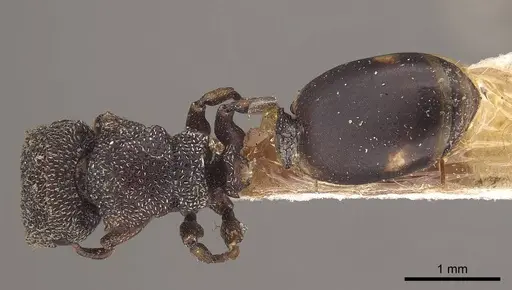
Literature
Loading...Loading products...