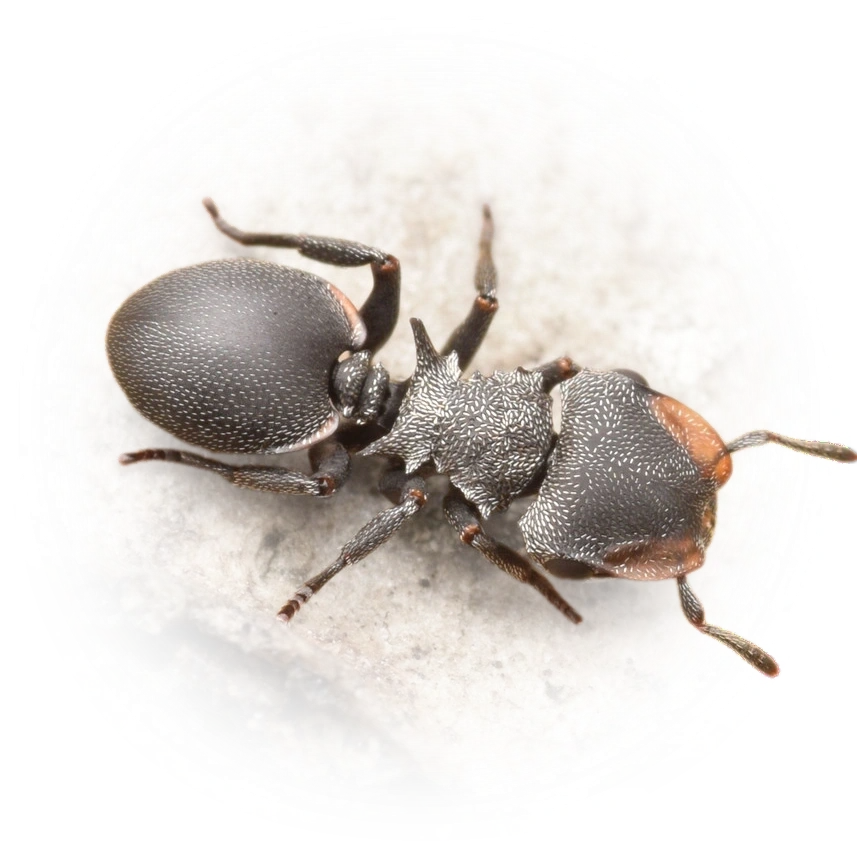

Cephalotes pusillus
- Scientific Name
- Cephalotes pusillus
- Tribe
- Attini
- Subfamily
- Myrmicinae
- Author
- Klug, 1824
- Distribution
- Found in 9 countries
Cephalotes pusillus Overview
Cephalotes pusillus is an ant species of the genus Cephalotes. It is primarily documented in 9 countries , including Argentina, Bolivia, Plurinational State of. Detailed taxonomic data and occurrence records can be further explored via authoritative databases such as AntWeb or the Global Biodiversity Information Facility (GBIF).
Cephalotes pusillus
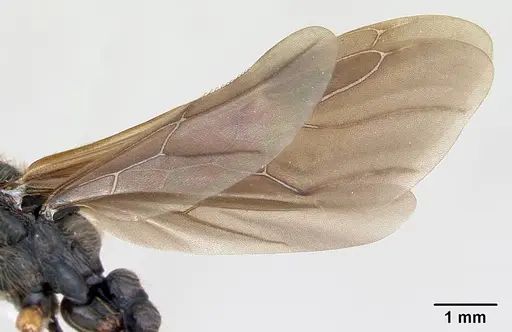
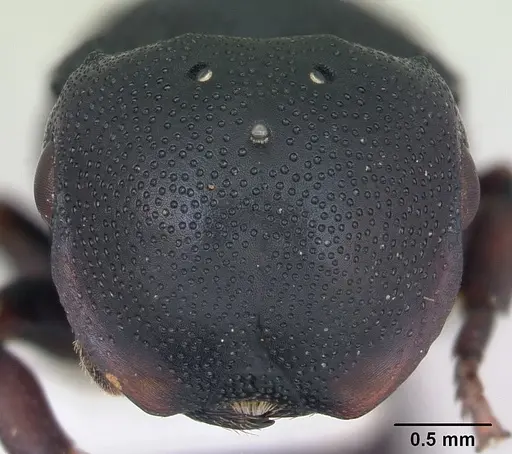
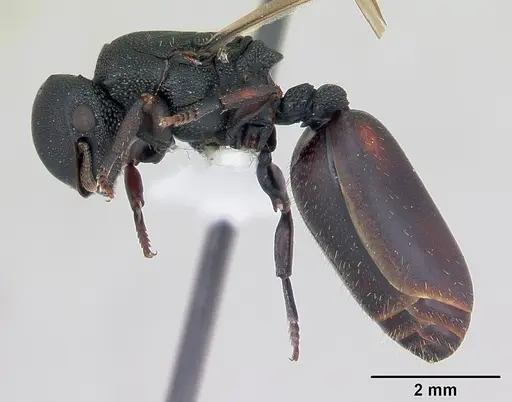
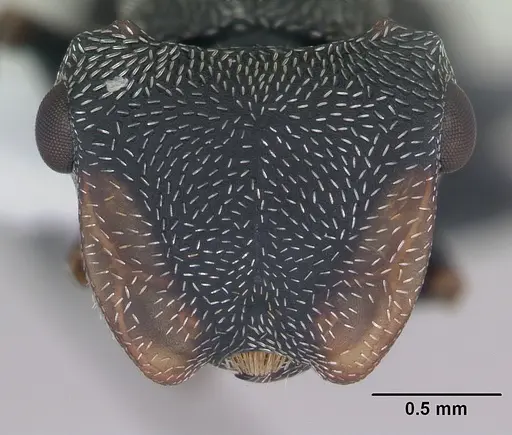
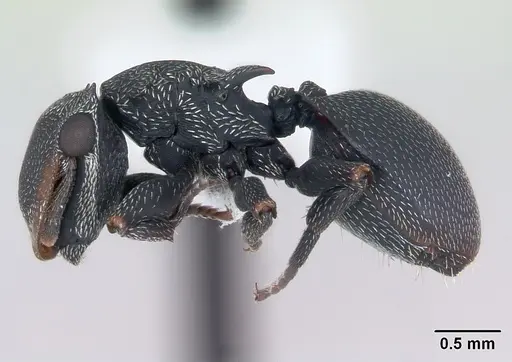
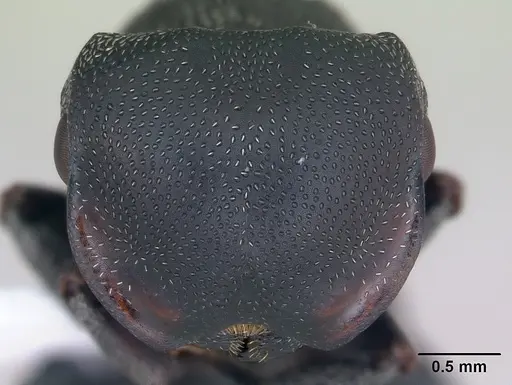
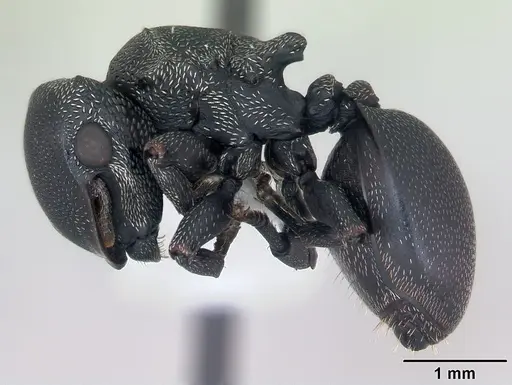
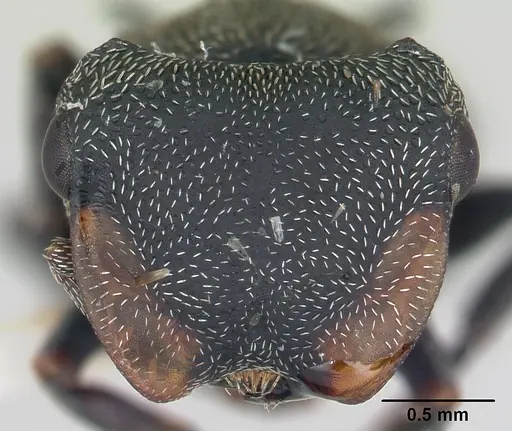
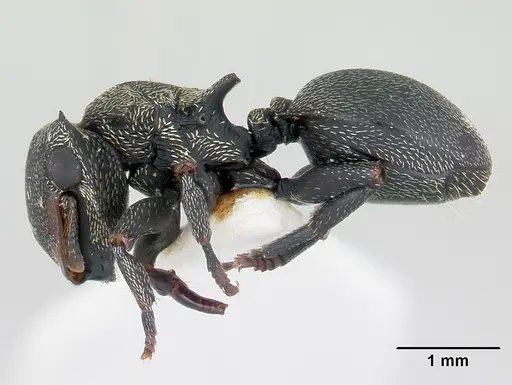
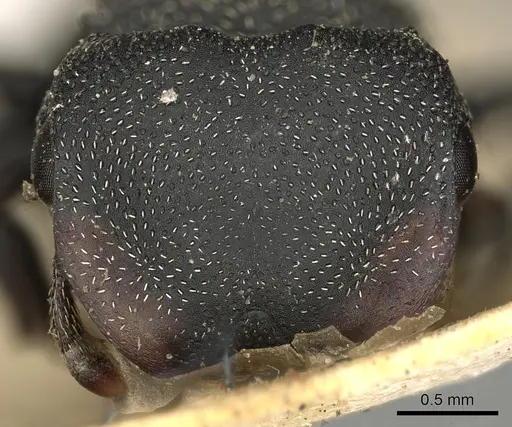
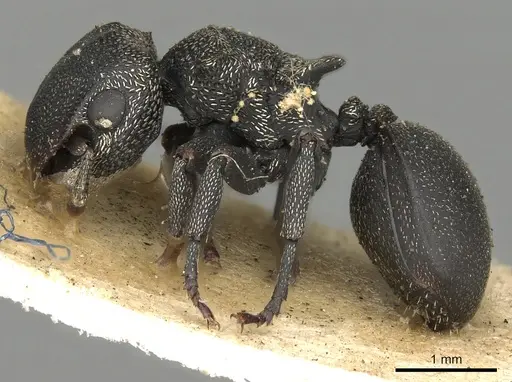
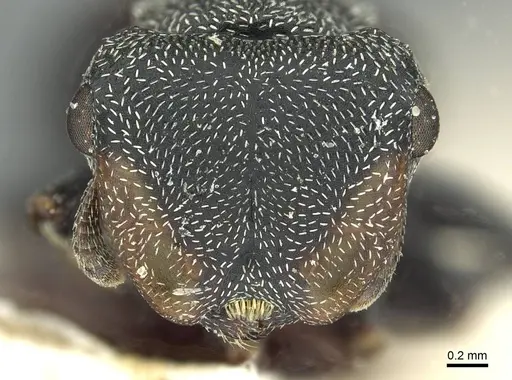
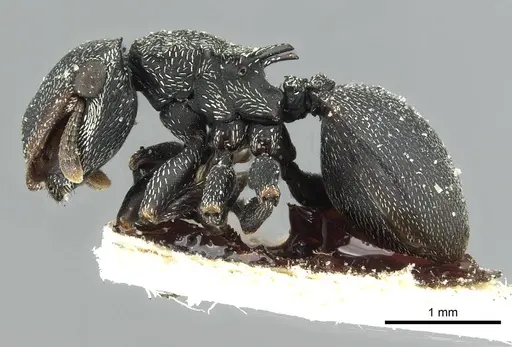
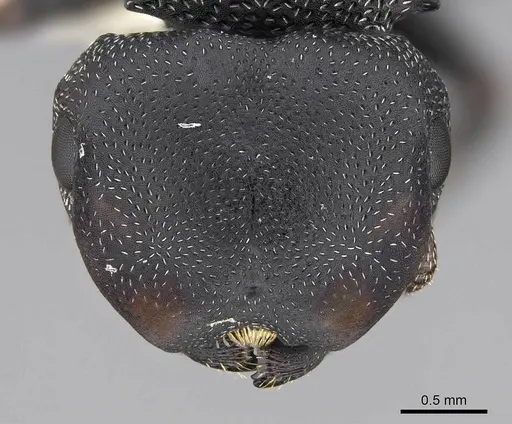
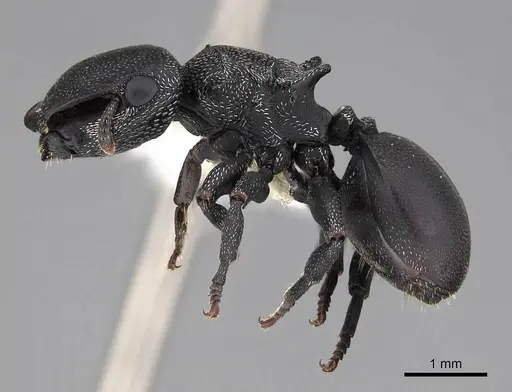
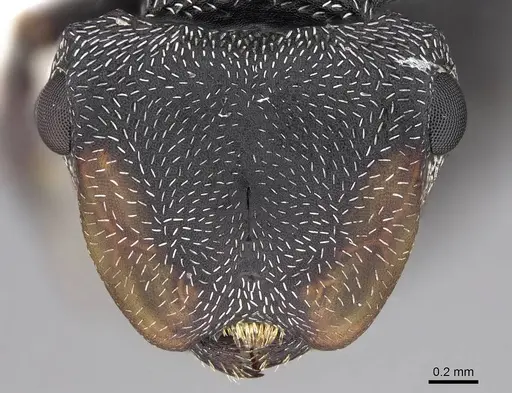
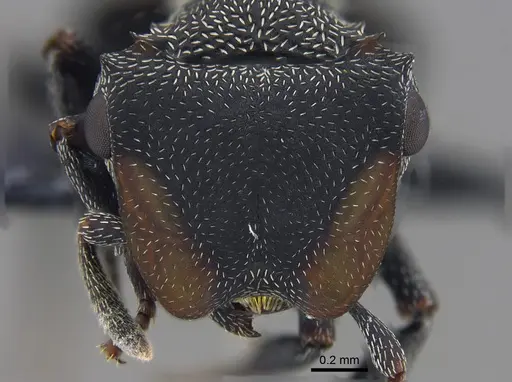
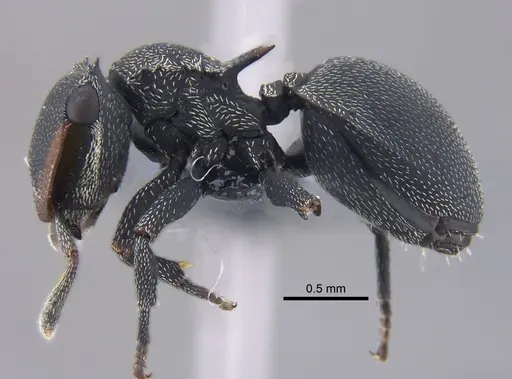
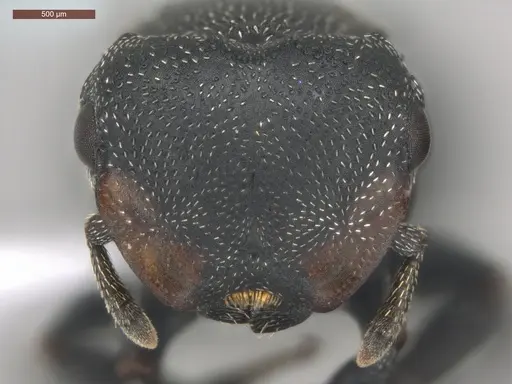
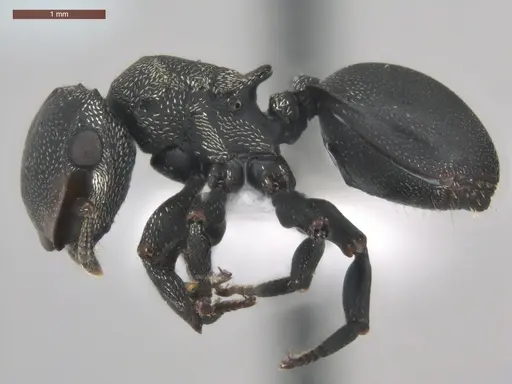
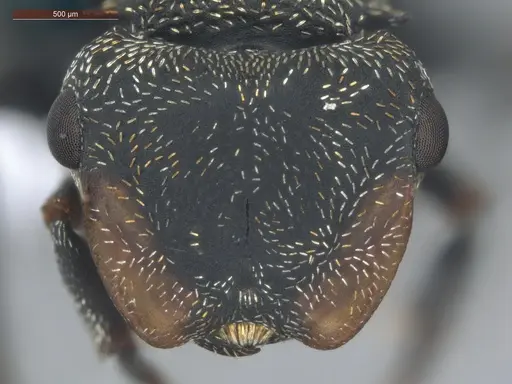
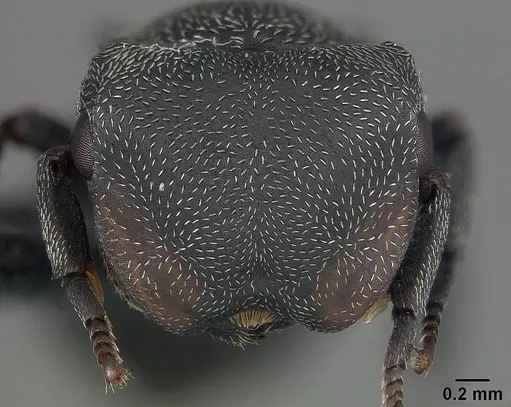
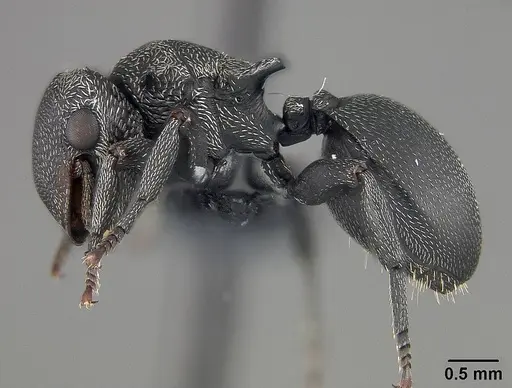
Cephalotes pusillus is a small, distinctive turtle ant native across much of northern South America, from Colombia to Argentina. Workers are 4-6mm with a flattened, broad body and a characteristic squared head. They are mostly black with some ferruginous (rusty) markings on the legs and antennae. This species is one of the most common and widespread Cephalotes species, found in diverse habitats including Cerrado savanna, Atlantic forest, and Amazon regions [1]. Unlike many aggressive ant species, C. pusillus is known for its timid temperament and plays an interesting role in Neotropical ecosystems as both a pollen-consumer and visitor of extrafloral nectaries.
Quick Summary
- Difficulty: Easy
- Origin & Habitat: Widespread across northern South America (Argentina, Bolivia, Brazil, Colombia, Ecuador, Guyana, Paraguay, Peru, Trinidad, Venezuela). Found in arboreal habitats including tree cavities, twigs, bromeliads, and hollow branches in tropical and subtropical forests, Cerrado savanna, and Caatinga. Altitudinal range from near sea level to 2000m [1][2].
- Colony Type: Monogyne (single-queen colonies). Colonies can reach around 2,400 workers and soldiers. Polydomic, nests in multiple connected locations in tree cavities [3][4].
- Colony: Monogyne
- Founding: Claustral
- Size & Growth:
- Queen: 9.77-11.16mm [3]
- Worker: 3.84-5.52mm minor workers, soldiers 6.44-7.76mm [3]
- Colony: Approximately 2,400 workers and soldiers in established colonies [3]
- Growth: Moderate, inferred from colony development patterns in related species
- Development: Estimated 6-8 weeks based on typical Myrmicinae development at optimal temperature (Development time inferred from genus-level data, direct measurements not available for this species)
- Antkeeping:
- Temperature: Keep at 22-26°C. Foraging observed from 15-33°C with optimal around 23°C [5]. Room temperature is typically suitable.
- Humidity: Moderate to high. As an arboreal species, they prefer humid conditions. Provide a water tube and keep nesting area moist but not waterlogged.
- Diapause: No true diapause required, being tropical, they remain active year-round with stable temperatures. Reduce feeding slightly during winter months if room temperature drops.
- Nesting: Arboreal nesting in hollow twigs and branches. In captivity, they do well in Y-tong (acrylic) nests with narrow chambers, or test tube setups with access to a foraging area. Provide twigs/branches for natural nesting behavior.
- Behavior: Timid and non-aggressive. Workers are slow-moving and generally ignore potential threats rather than attack. They are diurnal foragers, actively searching for pollen, nectar, and small prey during the day [6][7]. Minor workers have a unique defensive behavior, they can cooperate to form temporary shields blocking nest entrances using their heads [8]. They are skilled at escaping predators through their cryptic behavior rather than fighting. Small size means escape prevention is important, use fine mesh barriers.
- Common Issues: colonies may fail if kept too dry, arboreal ants need humidity, wild-caught colonies can harbor parasites that kill them in captivity, small size makes them vulnerable to flooding in test tube setups, they are slow-growing and beginners may lose patience, entomopathogenic fungi can infect colonies in humid, poorly ventilated setups
Housing and Nest Setup
Cephalotes pusillus is an arboreal ant that naturally nests in hollow twigs, branches, and tree cavities. In captivity, Y-tong (acrylic) nests work well because they provide the dark, enclosed spaces these ants prefer. You can also use test tube setups, but add some dry twigs or cork bark pieces to the outworld so they can explore and potentially nest in more natural structures. The nest chambers should be relatively narrow, these ants feel secure in tight spaces. Make sure your setup has good humidity control since arboreal ants are sensitive to drying out. A water tube connected to the nest works well for maintaining moisture. [3][2]
Feeding and Diet
These ants are omnivorous but have a notable preference for pollen. In captivity, they readily accept sugar water, honey, or diluted syrup as an energy source. For protein, offer small insects like fruit flies, small crickets, or frozen bloodworms. They are known to collect pollen from flowers, so you might see them actively gathering pollen if available. They also visit extrafloral nectaries in the wild, so they may accept sugar sources readily. Feed them a few times per week, offer protein 2-3 times weekly and keep a sugar source available constantly. Remove uneaten prey after 24 hours to prevent mold.
Temperature and Humidity
Keep your colony at room temperature, ideally between 22-26°C. These ants are tropical and don't need special heating, standard room temperature is usually perfect. They can tolerate temperatures from 15-33°C but grow best in the mid-20s. For humidity, aim for moderate to high levels (60-80%). As arboreal ants from humid tropical forests, they need consistent moisture. Use a water tube setup and mist the nest occasionally, but avoid making it soaking wet. Good ventilation helps prevent mold while maintaining humidity. [5]
Behavior and Defense
Cephalotes pusillus is famous for its cooperative defense behavior. When their nest is threatened, minor workers can form temporary shields by pressing their heads together to block the entrance. These shields last only 10-15 seconds but can effectively block intruders [8]. The colony ratio is roughly 1 major (soldier) to 20-50 minor workers [9]. Despite having soldiers, they are not aggressive, their main defense is staying hidden and escaping. Workers are diurnal and slow-moving, often ignoring threats rather than attacking. This makes them excellent for observation but means they are not suitable if you want an aggressive ant species.
Colony Development
Colonies grow moderately fast once established. A mature colony can contain around 2,400 workers and soldiers [3]. They have distinct worker castes, minor workers handle most tasks while soldiers (majors) are larger and have defensive roles. The species is polydomic, meaning they maintain multiple nest chambers connected together, this is natural for them and you might see them use several areas in larger setups. Queens are large (10-11mm) and claustral, sealing themselves in to raise the first brood. Growth from founding to first workers typically takes 6-8 weeks under good conditions.
Frequently Asked Questions
Can I keep Cephalotes pusillus in a test tube?
Yes, test tubes work well for starting colonies. Add a water tube for humidity and provide a foraging area. Since they are arboreal, consider adding some cork bark or small twigs to the outworld for them to explore.
How long until first workers appear?
Expect first workers (nanitics) around 6-8 weeks after the queen lays her first eggs, assuming temperatures around 24-26°C. This is typical for Myrmicinae ants.
Are Cephalotes pusillus good for beginners?
Yes, they are considered easy to keep. They are docile, don't require special heating, and accept a wide variety of foods. The main challenges are maintaining proper humidity and preventing escapes due to their small size.
What do Cephalotes pusillus eat?
They are omnivorous but love pollen. Offer sugar water or honey regularly, and protein sources like small insects or frozen bloodworms 2-3 times per week.
Do they need hibernation?
No, they are tropical ants and do not require hibernation. Keep them at stable room temperature year-round.
Why are my ants dying?
Common causes include: too dry conditions (arboreal ants need humidity), poor ventilation causing mold, parasites from wild-caught colonies, or flooding in test tube setups. Check humidity levels and ensure the nest has good air flow.
Can I keep multiple queens together?
No, this species is monogyne (single-queen). Only keep one queen per colony. Multiple unrelated queens will fight.
When should I move them to a formicarium?
Move them when the test tube becomes crowded or the colony reaches 50+ workers. An acrylic Y-tong nest works well for their arboreal nesting preferences.
Are they escape artists?
Yes, due to their small size, they can escape through tiny gaps. Use fine mesh on all openings and check connections between nest and outworld regularly.
References

This caresheet is licensed under CC BY-SA 4.0 .
CASENT0173701
View on AntWeb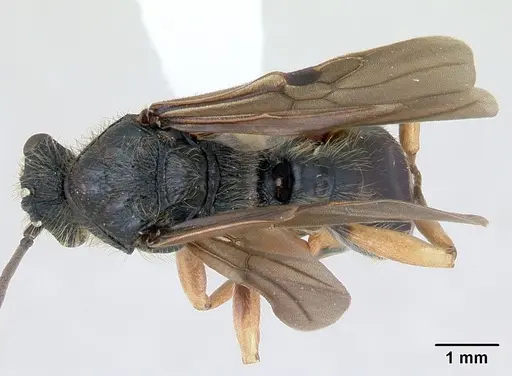
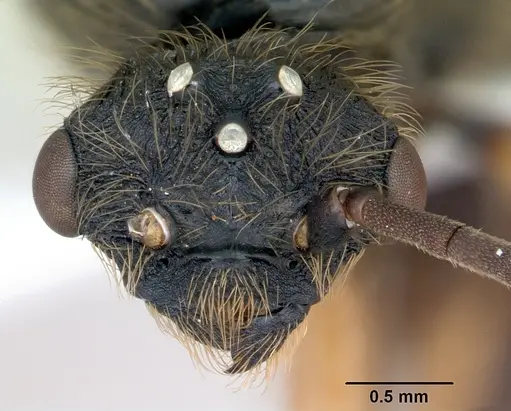
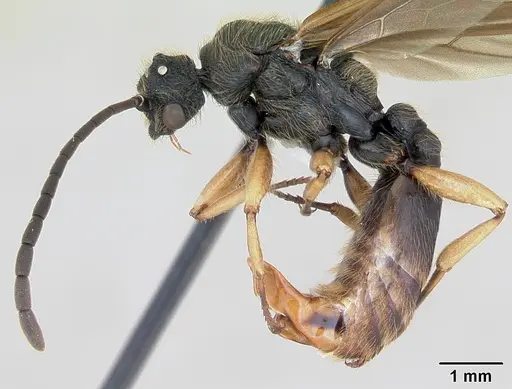
CASENT0173702
View on AntWeb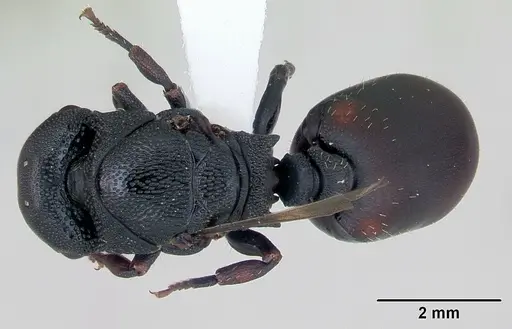
CASENT0173703
View on AntWeb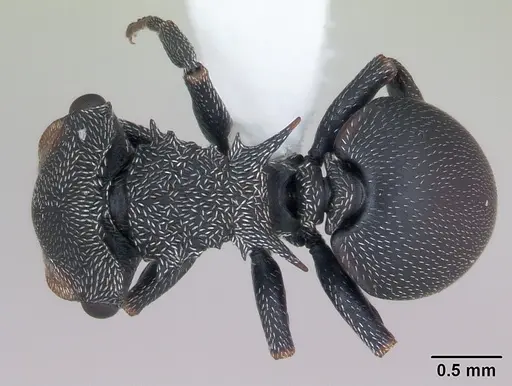
CASENT0173704
View on AntWeb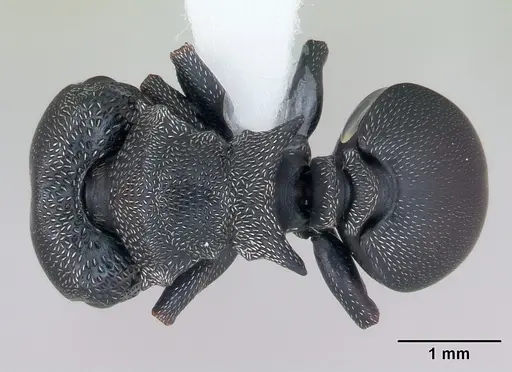
CASENT0178648
View on AntWeb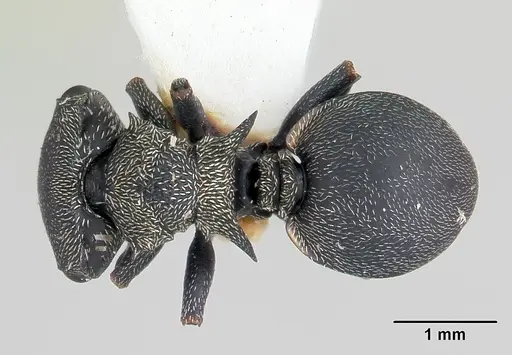
CASENT0900237
View on AntWeb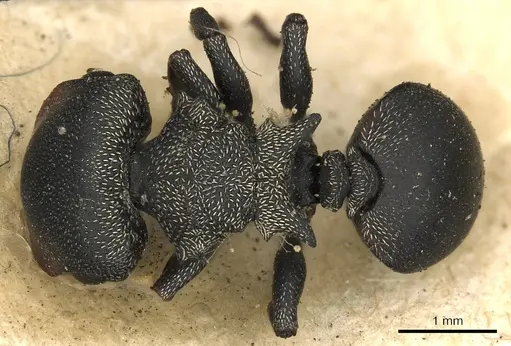
CASENT0912617
View on AntWeb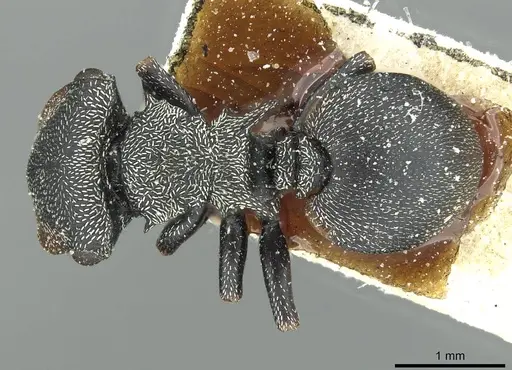
CASENT0912618
View on AntWeb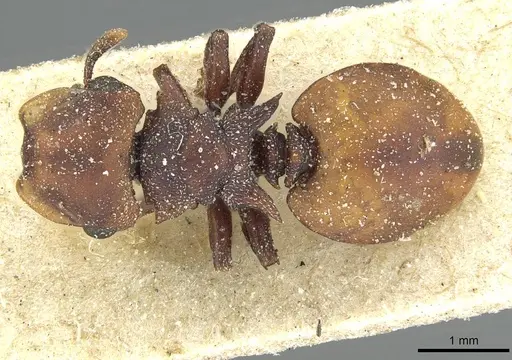
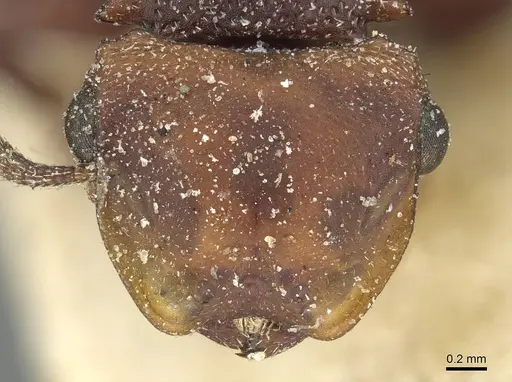
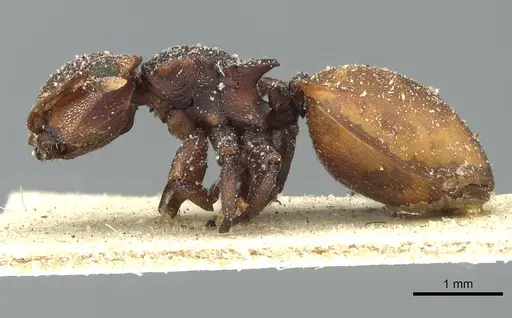
CASENT0914467
View on AntWeb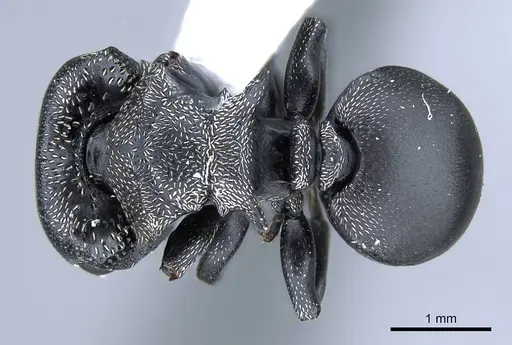
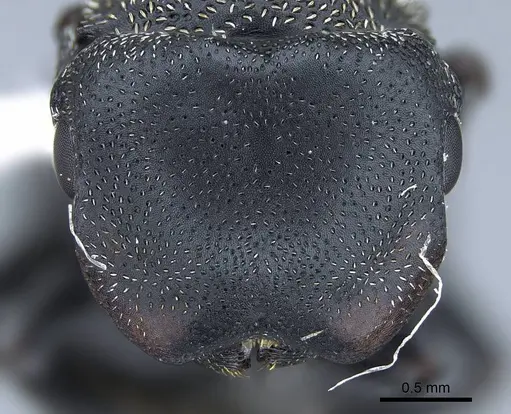
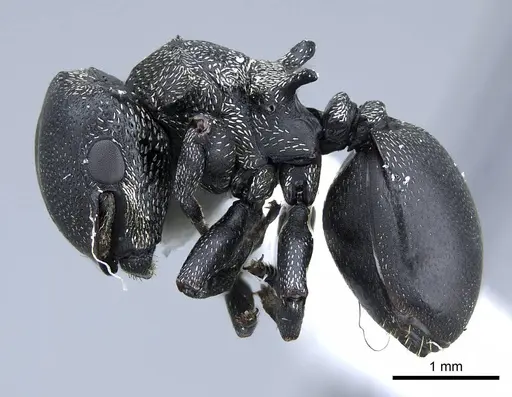
CASENT0914468
View on AntWeb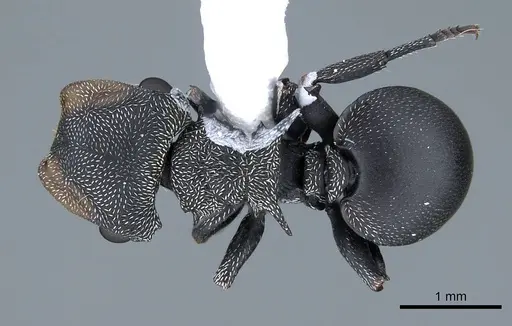
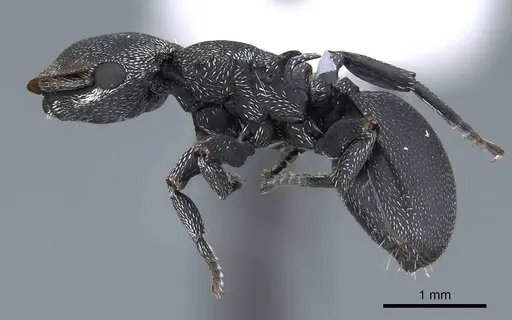
CASENT0922612
View on AntWeb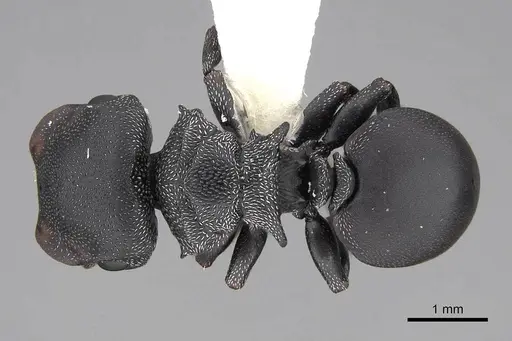
CASENT0922613
View on AntWeb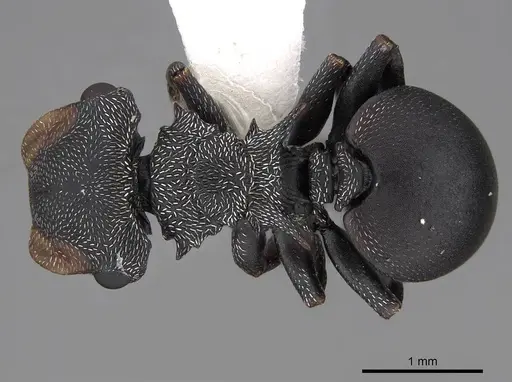
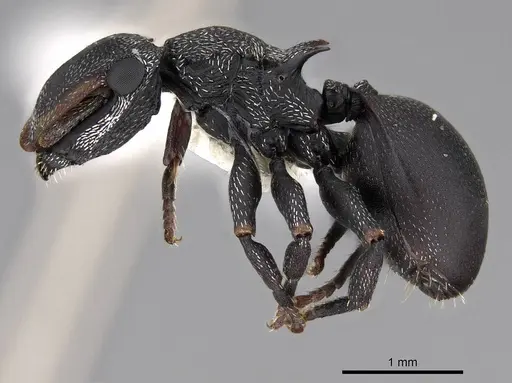
CASENT0922614
View on AntWeb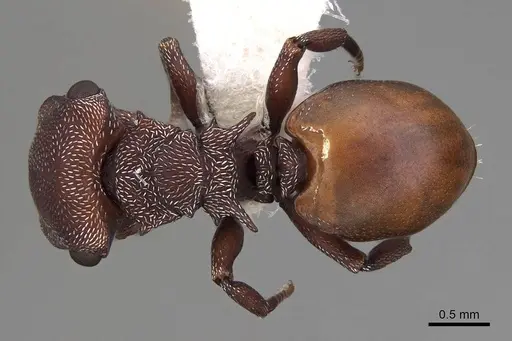
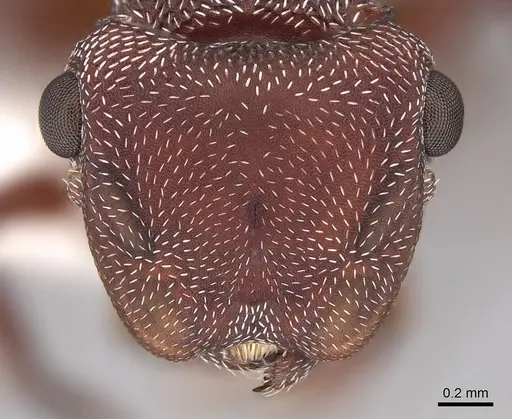
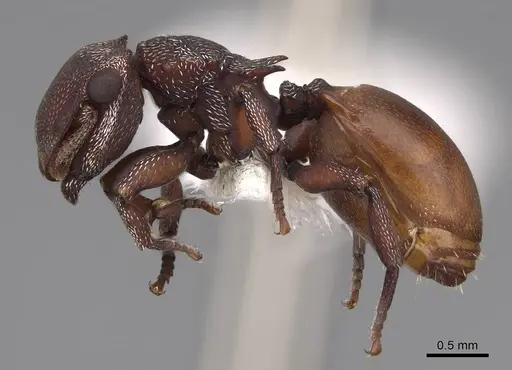
CBUMAGENT41891
View on AntWeb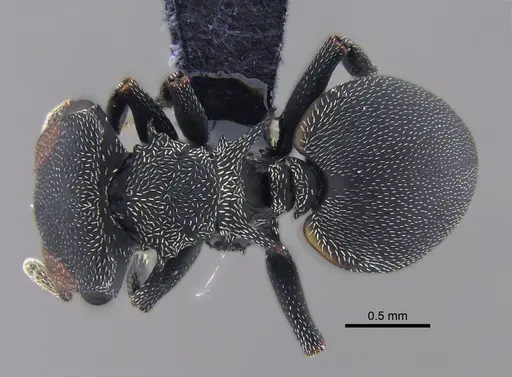
ECOFOG-BUG-0265-02-S
View on AntWeb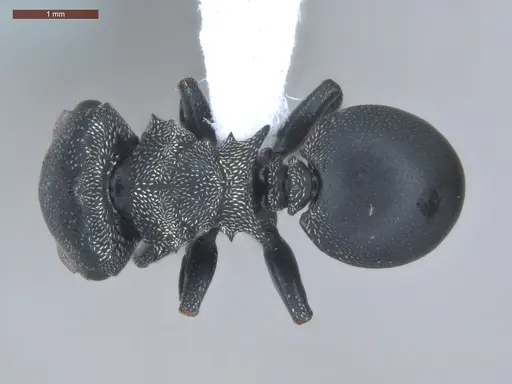
ECOFOG-BUG-0265-02
View on AntWeb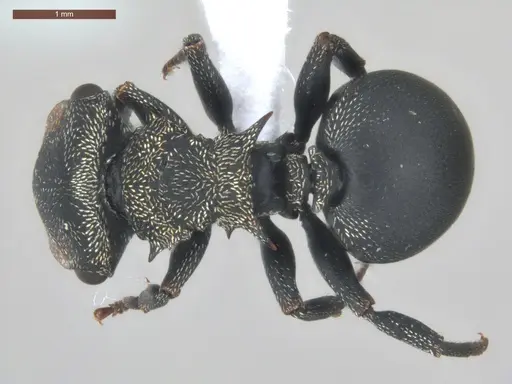
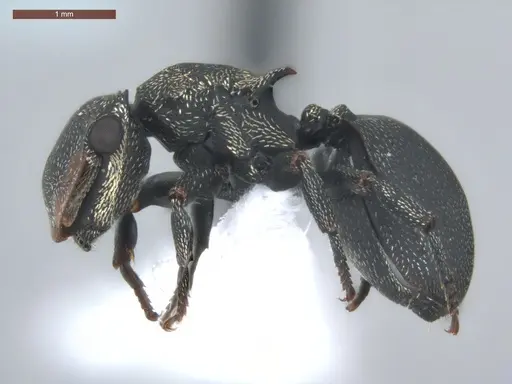
FMNHINS0000047253
View on AntWeb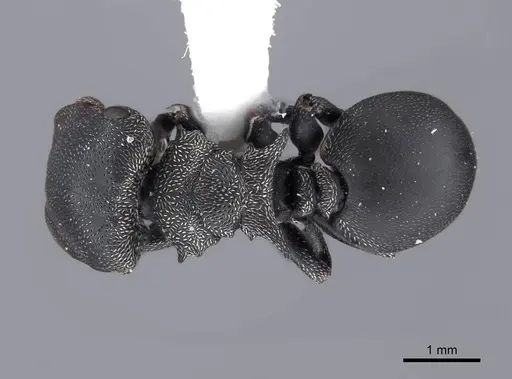
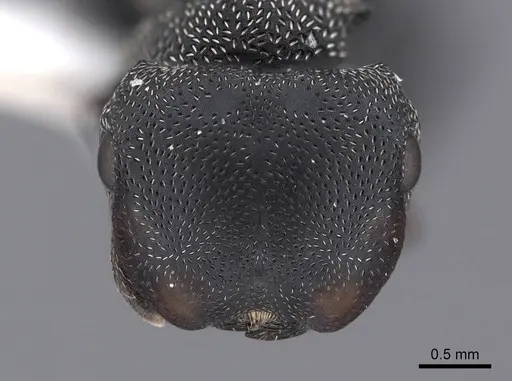
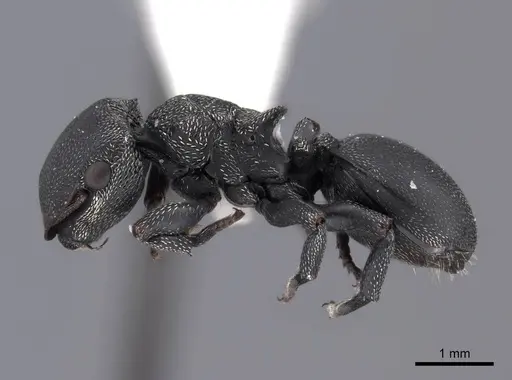
USNMENT01124210
View on AntWeb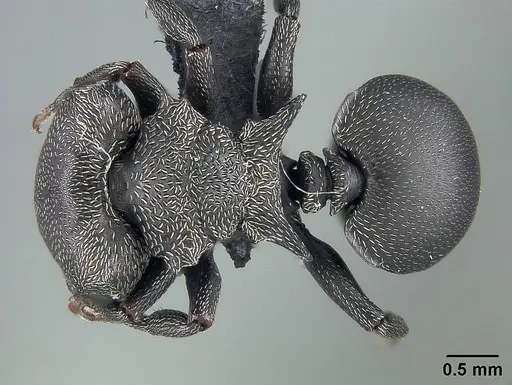
Literature
Loading...Loading products...