

Cephalotes placidus
- Scientific Name
- Cephalotes placidus
- Tribe
- Attini
- Subfamily
- Myrmicinae
- Author
- Smith, 1860
- Distribution
- Found in 5 countries
Cephalotes placidus Overview
Cephalotes placidus is an ant species of the genus Cephalotes. It is primarily documented in 5 countries , including Brazil, Colombia, French Guiana. Detailed taxonomic data and occurrence records can be further explored via authoritative databases such as AntWeb or the Global Biodiversity Information Facility (GBIF).
Cephalotes placidus
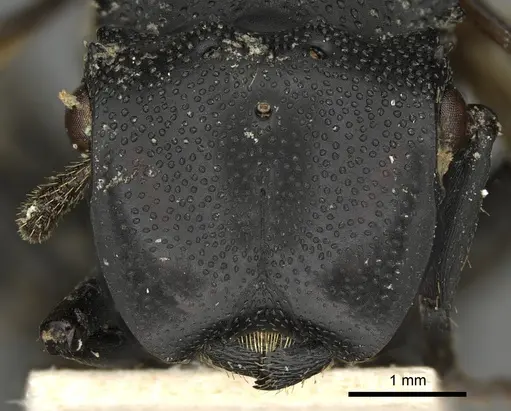
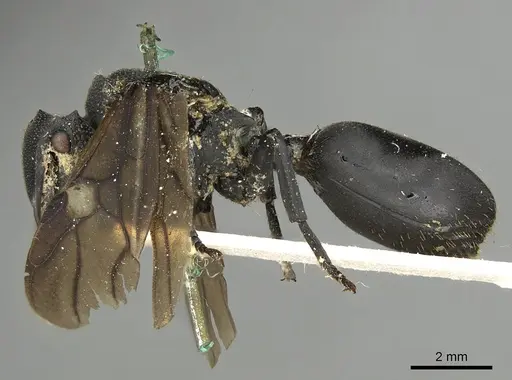
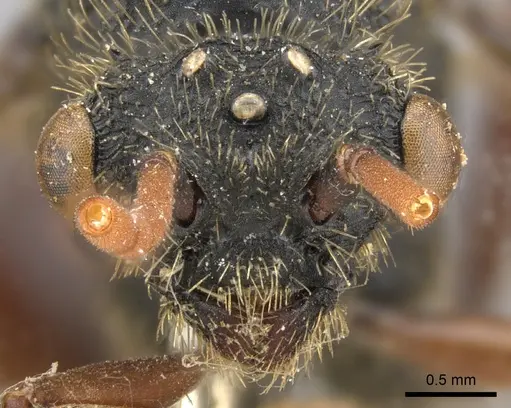
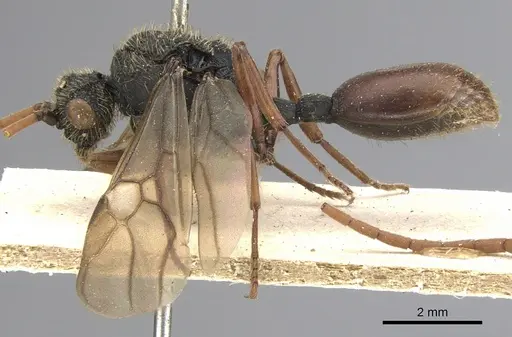
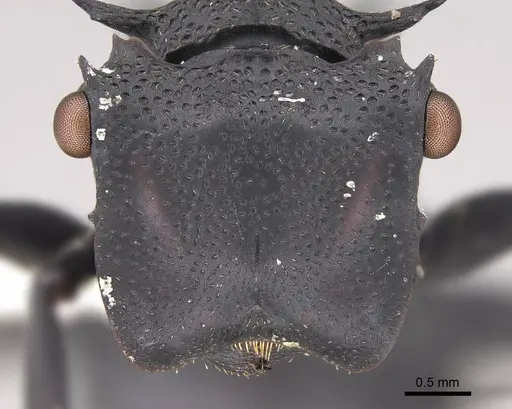
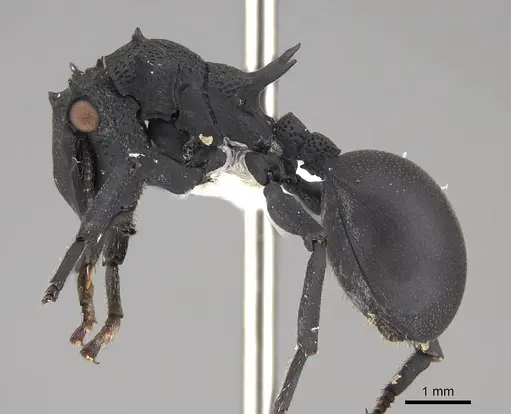
Cephalotes placidus is a medium-sized arboreal ant belonging to the atratus clade within the genus Cephalotes, commonly known as turtle ants. Workers measure 8.0-8.8mm with a distinctive appearance featuring long propodeal spines, deep foveolate (pitted) sculpture, and broad gastral lamellae (the flat plates on their abdomen that give them their 'turtle' appearance). Queens are substantially larger at 12.9-13.7mm. This species is found across northern South America including Brazil, Colombia, French Guiana, Guyana, and Peru, typically at elevations between 50-330m in rainforest and scrub forest habitats [1][2].
What makes Cephalotes ants particularly interesting is their specialized gut microbiome that allows them to recycle nitrogen from their waste products, a significant adaptation for surviving on nitrogen-poor diets in the canopy [3]. They are also known to visit flowers and consume pollen, making them unusual among ants [4]. Their distinctive morphology with the gastral lamellae serves both defensive and gliding functions, as these ants are accomplished arboreal gliders.
Quick Summary
- Difficulty: Medium
- Origin & Habitat: Tropical rainforests and scrub forests of northern South America (Brazil, Colombia, French Guiana, Guyana, Peru, Bolivia) at elevations of 50-330m. They nest in trees and have been collected from recent treefalls and forest clearings [1][5].
- Colony Type: Likely single-queen colonies based on typical Cephalotes patterns. Colony size is unconfirmed but related species typically reach several hundred workers.
- Colony: Monogyne
- Founding: Claustral
- Size & Growth:
- Queen: 12.9-13.7mm [6]
- Worker: 8.0-8.8mm [6]
- Colony: Estimated several hundred workers based on related species
- Growth: Moderate, estimated based on genus patterns
- Development: Estimated 6-10 weeks at tropical temperatures based on related Cephalotes species (Development time is not directly studied for this species. Tropical ant development typically ranges 4-8 weeks at optimal temperatures.)
- Antkeeping:
- Temperature: Keep at 24-28°C (tropical species). A slight gradient allows workers to self-regulate. Avoid temperatures below 22°C as this is a lowland tropical species [7].
- Humidity: Moderate to high (60-80%). These are rainforest canopy ants that need humidity but also ventilation to prevent mold. Provide a water tube and keep the nest area moist but not waterlogged.
- Diapause: No, this is a tropical species that does not require hibernation. Maintain warm temperatures year-round.
- Nesting: Arboreal species, they prefer nests in wood or cork formicaria. Provide a vertical or angled nest that mimics their natural tree-nesting behavior. Y-tong (AAC) nests or cork setups work well. They do best with chambers sized appropriately for their medium size.
- Behavior: Generally peaceful and non-aggressive. Workers are active foragers that search for nectar, honeydew, and small prey. They have functional stingers but rarely use them, their primary defense is the ability to glide from tree to tree and their flattened gastral plates. Escape risk is moderate due to their size, standard barrier methods work well. They are diurnal and quite active during daylight hours.
- Common Issues: tropical temperature requirements mean they cannot tolerate cool rooms, heating is essential year-round, arboreal nature means they need vertical space and climbing structures, horizontal-only setups cause stress, wild-caught colonies may have parasites or diseases that are difficult to treat in captivity, nitrogen-recycling gut microbiome means their dietary needs may be specialized, they may struggle with standard captive diets, slow establishment means colonies take time to grow and beginners may lose patience
Housing and Nest Setup
Cephalotes placidus is an arboreal species that naturally nests in trees and woody material. In captivity, they do best in formicaria designed for tree-dwelling ants. Y-tong (AAC) nests work well because they provide dark, enclosed chambers that mimic tree hollows. Cork nests are another excellent option as they replicate the natural wood-boring behavior of these ants.
The outworld should include climbing structures like branches, cork pieces, or artificial plants since these ants are comfortable at height and prefer to forage vertically. A test tube water reservoir connected to the nest helps maintain humidity. Ensure the setup has good ventilation to prevent mold while retaining moisture. The nest chambers should be appropriately sized for medium-sized ants, too large and they may feel exposed, too small and they won't have room to expand. [6]
Feeding and Diet
Based on research showing that Cephalotes placidus visits flowers and consumes pollen, these ants have an unusual diet for Myrmicinae [4]. They likely feed on nectar, honeydew from sap-sucking insects, and pollen in addition to small arthropods. Their specialized gut microbiome allows them to recycle nitrogen, which is particularly valuable when feeding on nitrogen-poor diets like pollen [3].
In captivity, offer a varied diet including sugar water or honey as an energy source, small live insects like fruit flies or pinhead crickets for protein, and occasional pollen or bee bread. Some keepers report success offering diluted honey or sugar water regularly. Observe your colony's preferences, some Cephalotes species accept more varied diets than others. Remove uneaten food within 24-48 hours to prevent mold.
Temperature and Seasonal Care
As a tropical lowland species from the Amazon region, Cephalotes placidus requires warm temperatures year-round. Keep the nest area between 24-28°C with a slight gradient so workers can choose their preferred temperature. This species has been found at elevations up to 330m in Peru and Colombia, but this is still within tropical ranges [1].
Room temperature is often insufficient, you may need a small heating cable or mat on one side of the nest to maintain proper temperatures. Monitor with a digital thermometer placed near the nest. Unlike temperate species, these ants do not enter diapause or hibernation. Maintaining consistent warmth is essential for colony health and brood development. Avoid temperature drops below 22°C as prolonged cool periods can weaken or kill colonies.
Behavior and Colony Dynamics
Cephalotes placidus workers are active foragers that search for food throughout the day. They are not particularly aggressive and rely on their morphological defenses (the spiny propodeum and flat gastral plates) rather than stinging. One of their most remarkable behaviors is gliding, these ants can control their fall by orienting their flattened abdomen to catch air currents, allowing them to glide from tree to tree in the rainforest canopy.
Colony growth is likely moderate. Queens are substantially larger than workers (13mm vs 8mm) and should produce nanitic (first) workers within 6-10 weeks under optimal conditions. The colony will expand gradually as more workers emerge. Unlike some aggressive ant species, Cephalotes colonies tend to be docile and can be observed without protective equipment during routine maintenance. [6]
Health and Common Problems
The primary challenges in keeping Cephalotes placidus relate to their specific environmental needs. Temperature control is critical, these tropical ants cannot tolerate cool conditions. Humidity management is also important, too dry and the colony desiccates, too wet and mold becomes a problem.
Wild-caught colonies may carry internal parasites or diseases that are difficult to diagnose and treat. Quarantine new colonies and monitor closely for the first few months. Their specialized gut microbiome [3] means they may be more sensitive to dietary changes than generalist ant species, stick to proven food sources and introduce new items gradually.
Escape prevention is straightforward due to their moderate size, standard barriers work well. However, their arboreal nature means they will explore vertical space aggressively, so ensure the formicarium lid is secure and consider adding barrier tape to the rim.
Frequently Asked Questions
Can I keep Cephalotes placidus in a test tube setup?
A test tube setup can work for a founding queen and small colony, but these arboreal ants do better in a proper formicarium with climbing structures. If using test tubes, provide multiple connections and include vertical elements in the outworld. A Y-tong or cork nest is more appropriate for established colonies.
How long until first workers appear?
Based on related Cephalotes species, expect first workers (nanitics) within 6-10 weeks after the queen lays eggs, assuming temperatures around 26°C. Development is temperature-dependent, so cooler conditions will slow growth significantly.
What do Cephalotes placidus eat?
They consume nectar, honeydew, pollen, and small insects. In captivity, offer sugar water or honey, small live prey like fruit flies, and occasional pollen. Their unique gut microbiome helps them extract nutrients from nitrogen-poor foods like pollen.
Are Cephalotes placidus good for beginners?
They are rated as medium difficulty. While not as hardy as some common species, they are manageable for keepers who can maintain warm temperatures year-round. The main challenges are their tropical temperature requirements and potentially specialized dietary needs.
Do they need hibernation?
No. This is a tropical species from the Amazon region. They require warm temperatures (24-28°C) year-round and do not enter any dormancy period. Maintaining consistent warmth is essential.
How big do colonies get?
Colony size is not directly documented for this species, but related Cephalotes species typically reach several hundred workers. Growth is moderate, with colonies expanding gradually over several years.
When should I move them to a formicarium?
Move from a founding setup to a formicarium when the colony reaches 20-30 workers and the test tube space becomes cramped. These arboreal ants prefer vertical formicaria with climbing opportunities.
Can I keep multiple queens together?
This species is likely single-queen (monogyne) based on typical Cephalotes patterns. Combining unrelated queens is not recommended as they would likely fight. If you acquire multiple founding queens, house them separately.
Why are my ants dying?
The most common causes are temperature too low (below 22°C), improper humidity (too dry or too wet), poor diet, or disease from wild-caught colonies. Check your temperature settings first, then review feeding and humidity. Wild colonies may carry parasites that are difficult to treat.
References

This caresheet is licensed under CC BY-SA 4.0 .
CASENT0217842
View on AntWeb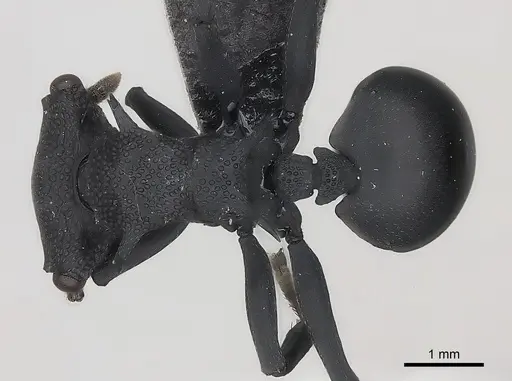
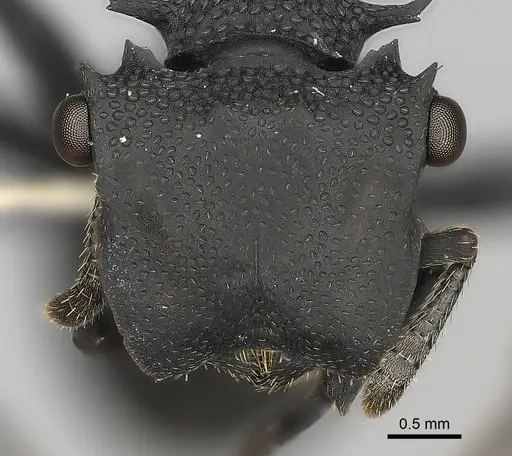
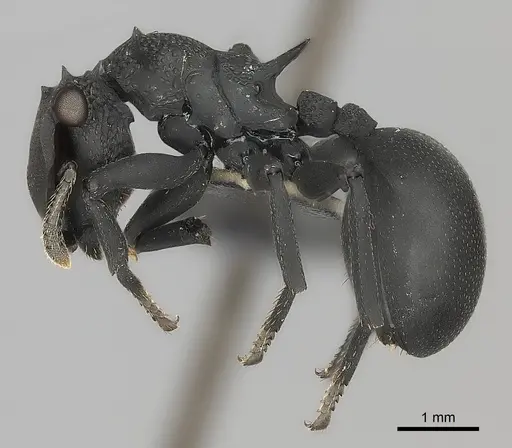
CASENT0900231
View on AntWeb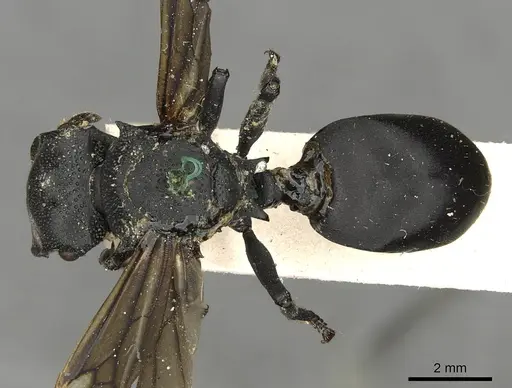
CASENT0901458
View on AntWeb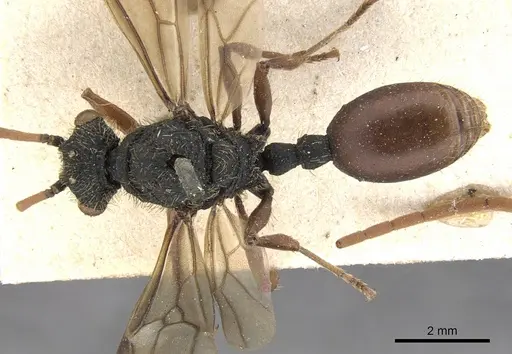
CASENT0922511
View on AntWeb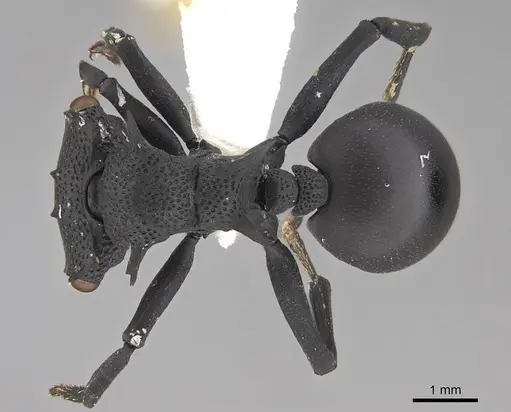
Literature
Loading...Loading products...