

Cephalotes pilosus
- Scientific Name
- Cephalotes pilosus
- Tribe
- Attini
- Subfamily
- Myrmicinae
- Author
- Emery, 1896
- Distribution
- Found in 2 countries
Cephalotes pilosus Overview
Cephalotes pilosus is an ant species of the genus Cephalotes. It is primarily documented in 2 countries , including Brazil, Paraguay. Detailed taxonomic data and occurrence records can be further explored via authoritative databases such as AntWeb or the Global Biodiversity Information Facility (GBIF).
Cephalotes pilosus
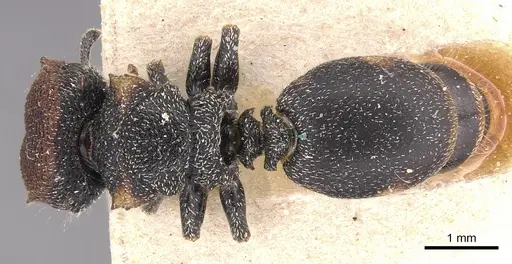
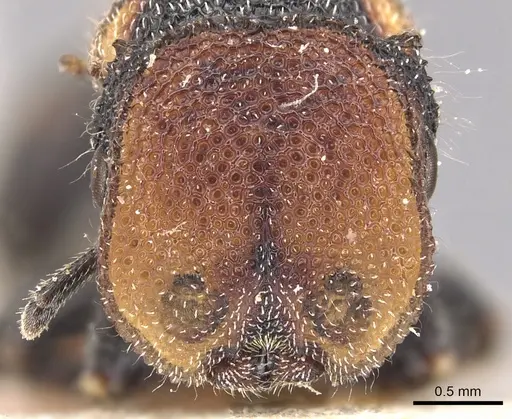
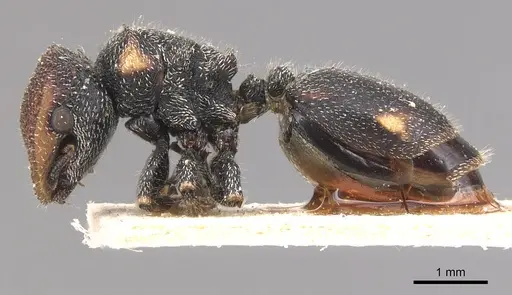
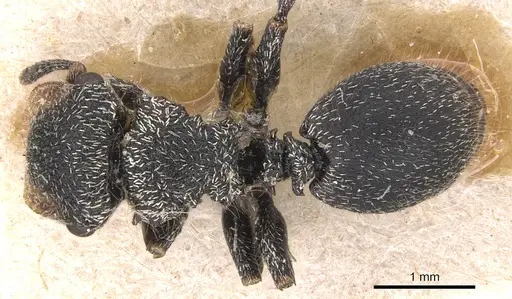
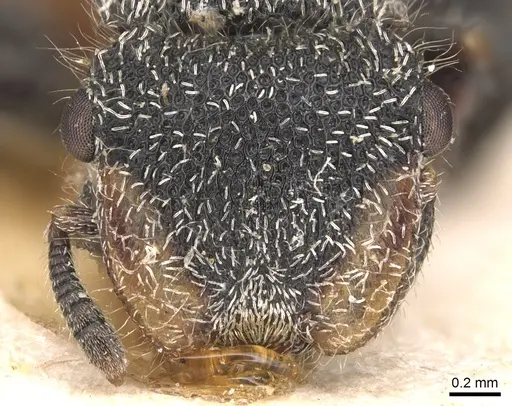
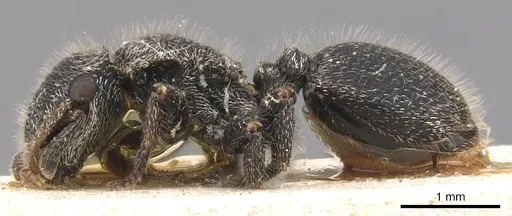
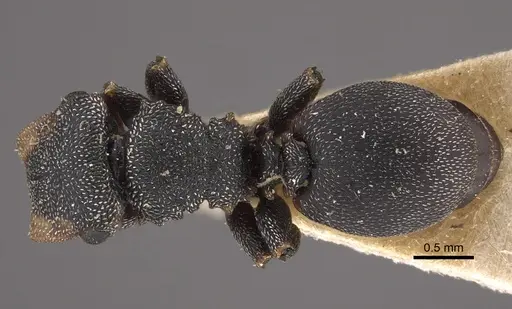
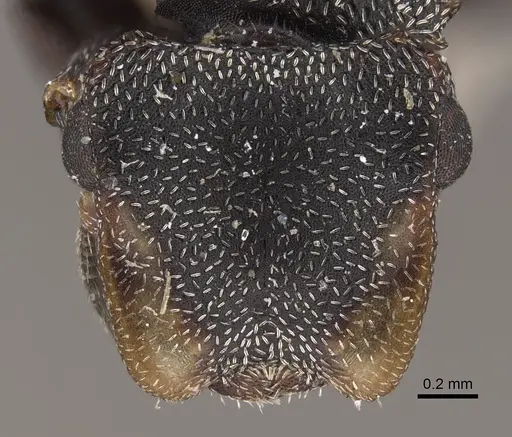
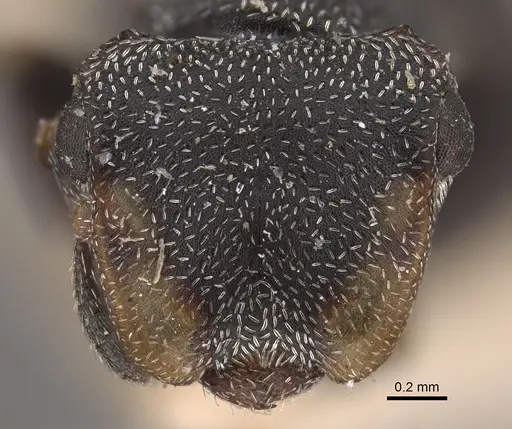
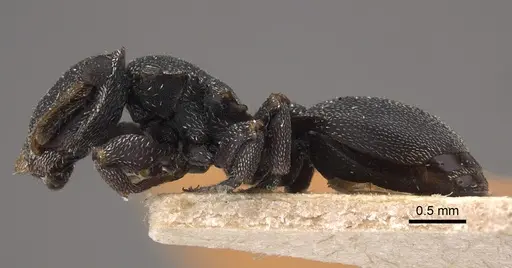
Cephalotes pilosus is a small to medium-sized ant belonging to the fiebrigi clade within the genus Cephalotes, commonly known as turtle ants. Workers measure 4.1-4.9mm and are predominantly black with ferruginous (rusty brown) markings on the tips of mandibles, antennae, legs, and sometimes the gaster. The most distinctive feature is the dense covering of long, flexible hairs across the body, which differentiates this species from similar species like C. lanuginosus and C. liogaster [1]. This species is found across the Neotropical region, specifically in Argentina, Brazil, and Paraguay, where it inhabits forested areas including the Yungas premontane forests and seasonally dry tropical forests [2][3].
Quick Summary
- Difficulty: Medium
- Origin & Habitat: Neotropical region, Argentina, Brazil, and Paraguay. Found in Yungas premontane forests, Cerrado, and Amazon-Cerrado transition zones [2][3][4].
- Colony Type: Colony structure is unconfirmed for this species. Based on typical Cephalotes genus patterns, likely single-queen colonies [5].
- Size & Growth:
- Queen: 8.26-8.34 mm [1]
- Worker: 4.1-4.9 mm [5]
- Colony: Unknown, typical Cephalotes colonies range from dozens to several hundred workers
- Growth: Unknown, likely moderate based on genus patterns
- Development: Unconfirmed, estimated 6-10 weeks based on related Cephalotes species at tropical temperatures (No direct development data exists for this species. Estimates based on genus-level patterns for tropical Myrmicinae.)
- Antkeeping:
- Temperature: Keep at 24-28°C, these are tropical forest ants requiring warm, stable conditions. A heating cable on one side of the nest creates a gentle gradient
- Humidity: Maintain moderate to high humidity (60-80%). These forest-dwelling ants prefer moist conditions but not waterlogged substrate. Provide a water tube for drinking water
- Diapause: No, as a tropical species, they do not require hibernation. Keep temperatures stable year-round
- Nesting: In captivity, they do well in Y-tong (AAC) nests, plaster nests, or naturalistic setups with hollow twigs/dead wood. They prefer tight chambers scaled to their size. Avoid dry, arid setups
- Behavior: Turtle ants are generally docile and not aggressive. They are slow-moving compared to many Myrmicinae. Workers are modest foragers that collect nectar, honeydew, and small prey. Their small size (under 5mm) means escape prevention is important, use fine mesh barriers and tight-fitting lids. They are not known for stinging.
- Common Issues: tropical temperature requirements mean cold drafts can be fatal, keep away from air conditioning vents, small size makes escape likely without proper barriers, lack of species-specific care data means starting conditions are estimates based on genus patterns, wild-caught colonies may have parasites or disease that can cause colony failure, overheating is a risk, direct sunlight or heating mats set too high can kill them
Nest Preferences
In the wild, Cephalotes pilosus nests in hollow twigs, dead wood, and occasionally in plant cavities in forest environments. They are arboreal to semi-arboreal, preferring the humid microclimate of forest understories. For captive care, Y-tong (AAC) nests work well because they provide the dark, tight chambers these ants prefer. Plaster nests or naturalistic setups with pieces of hollow twigs also mimic their natural nesting sites. The chambers should be appropriately sized, not too large for a small colony. Avoid dry, desert-style formicaria. Keep the nest area humid but ensure some ventilation to prevent mold buildup. A water test tube should always be available for drinking water. [5]
Feeding and Diet
Cephalotes ants are generalist foragers that collect sugar sources (honeydew from aphids, nectar, sugar water) and protein (small insects, dead arthropods). Feed sugar water or honey water regularly, a few drops on cotton or a dedicated feeder works well. For protein, offer small prey items like fruit flies, small crickets, mealworms, or other tiny insects. Feed protein once or twice weekly, adjusting based on colony size and consumption. Remove uneaten prey after 24-48 hours to prevent mold. These ants are not aggressive hunters, they prefer scavenging and collecting honeydew over active predation. A varied diet helps maintain colony health. [5]
Temperature and Care
As a tropical species from the Neotropical region, Cephalotes pilosus requires warm temperatures between 24-28°C. They do not tolerate cold well, temperatures below 20°C for extended periods can be harmful. Use a heating cable on one side of the nest to create a temperature gradient, or keep the colony in a room that stays consistently warm. Avoid placing the nest near air conditioning vents, windows with cold drafts, or in rooms that cool significantly at night. Since they come from humid forest environments, maintain moderate humidity (60-80%) in the nest area. A moist substrate helps, but ensure there is also a dry area where ants can retreat if conditions become too wet. No hibernation or diapause is needed for this tropical species. [2][3]
Behavior and Temperament
Cephalotes pilosus is a docile species with a calm temperament. Workers are relatively slow-moving and non-aggressive. They are not known for stinging, and their small size means any potential sting would be negligible. Colonies are modest in size compared to many Myrmicinae, expect slow to moderate growth over months and years rather than rapid expansion. Workers forage along established trails, collecting sugar sources and small prey. The most notable behavioral trait is their distinctive hairy appearance, which is unusual among ants. They are not escape artists in terms of climbing smooth surfaces, but their small size means they can slip through tiny gaps, always use fine mesh and tight-fitting lids. [1]
Colony Founding
Direct observations of colony founding in Cephalotes pilosus are not documented in the scientific literature. Based on typical Cephalotes genus patterns, founding is likely claustral, the queen seals herself in a small chamber and lives off stored fat reserves until her first workers (nanitics) emerge. The founding chamber should be small and dark. Provide a water source nearby but do not disturb the founding queen. Expect 4-8 weeks for the first workers to emerge under warm conditions. Do not attempt to feed the founding queen, she will not leave the chamber to forage.
Growth and Development
Specific development timelines for Cephalotes pilosus have not been studied. Based on related Cephalotes species and typical tropical Myrmicinae development, expect 6-10 weeks from egg to first worker at optimal temperatures (around 26°C). Development is temperature-dependent, cooler temperatures will slow development significantly. The first workers (nanitics) will be smaller than mature workers. Growth rate is likely moderate, these are not fast-growing ants like some tropical fire ants. Colony growth should be steady but not explosive. Patience is key with this species.
Frequently Asked Questions
How long does it take for Cephalotes pilosus to produce first workers?
The exact timeline is unconfirmed for this species. Based on genus patterns for tropical Cephalotes, expect 6-10 weeks from egg to first worker at optimal temperatures around 26°C. Cooler temperatures will slow development significantly.
What do Cephalotes pilosus ants eat?
They are generalists that accept sugar sources (honey water, sugar water, honeydew) and protein (small insects like fruit flies, pinhead crickets, mealworms). Feed sugar water regularly and protein prey 1-2 times weekly.
Can I keep Cephalotes pilosus in a test tube setup?
Yes, test tubes work well for founding colonies and small colonies. Ensure the test tube has a water reservoir and keep it humid but not flooded. For established colonies, consider moving to a Y-tong or plaster nest.
What temperature do Cephalotes pilosus need?
Keep them warm at 24-28°C. These are tropical ants that do not tolerate cold. Use a heating cable on one side of the nest to maintain warm conditions, and avoid cold drafts.
Are Cephalotes pilosus good for beginners?
They are rated as Medium difficulty. They require tropical conditions and have specific humidity needs, but their docile nature and modest colony size make them manageable for intermediate antkeepers. Beginners should research Cephalotes care before acquiring this species.
How big do Cephalotes pilosus colonies get?
Colony size is unconfirmed for this specific species. Based on related Cephalotes species, colonies likely reach several hundred workers over 1-3 years. They are not massive colony producers.
Do Cephalotes pilosus need hibernation?
No, as a tropical species from the Neotropical region, they do not require hibernation or diapause. Keep temperatures stable year-round between 24-28°C.
Why are my Cephalotes pilosus dying?
Common causes include: temperatures below 20°C (tropical ants are cold-sensitive), low humidity causing desiccation, improper escape prevention allowing escapes, mold from overwatering or poor ventilation, or stress from disturbing the nest too often. Review temperature, humidity, and nest conditions.
When should I move Cephalotes pilosus to a formicarium?
Move from test tube to a proper nest (Y-tong, plaster, or naturalistic) when the colony reaches 20-30 workers and the test tube setup becomes cramped. Ensure the new nest maintains appropriate humidity and has appropriately sized chambers.
Can I keep multiple Cephalotes pilosus queens together?
Colony structure is unconfirmed for this species. Based on typical Cephalotes patterns, they likely have single-queen colonies. Combining unrelated queens is not recommended without species-specific research.
References

This caresheet is licensed under CC BY-SA 4.0 .
Literature
Loading...Loading products...