

Cephalotes pellans
- Scientific Name
- Cephalotes pellans
- Tribe
- Attini
- Subfamily
- Myrmicinae
- Author
- De Andrade, 1999
- Distribution
- Found in 3 countries
Cephalotes pellans Overview
Cephalotes pellans is an ant species of the genus Cephalotes. It is primarily documented in 3 countries , including Brazil, Colombia, Paraguay. Detailed taxonomic data and occurrence records can be further explored via authoritative databases such as AntWeb or the Global Biodiversity Information Facility (GBIF).
Cephalotes pellans
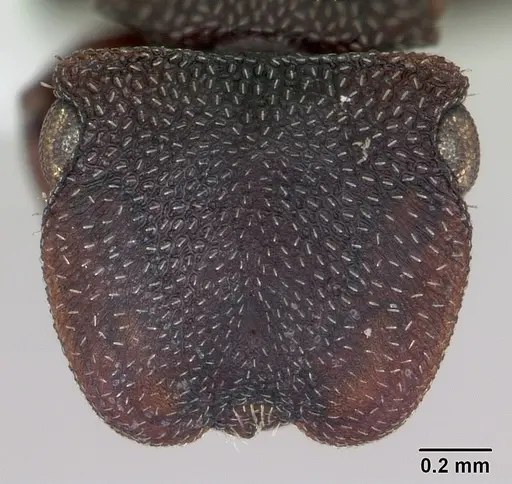
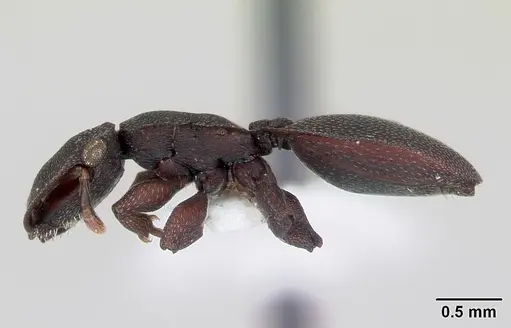
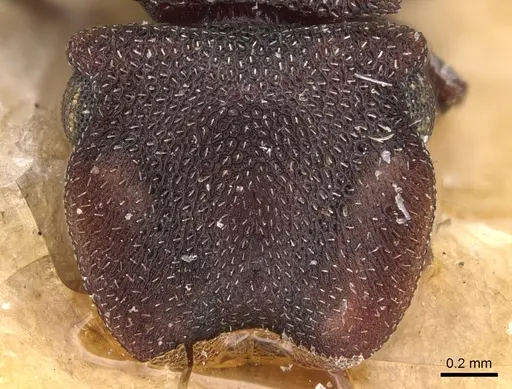
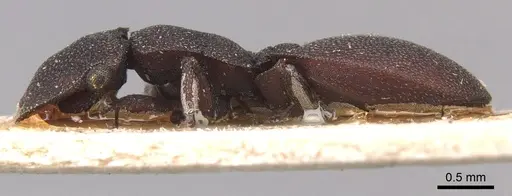
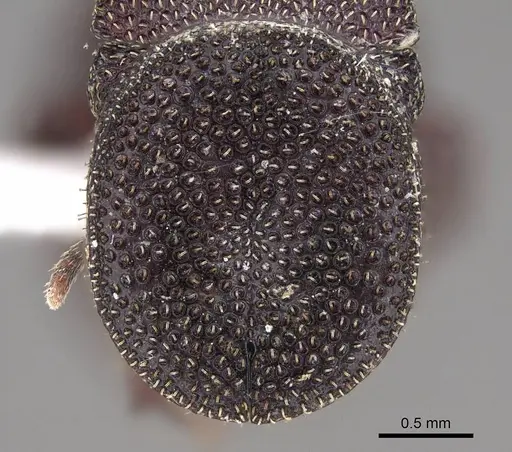
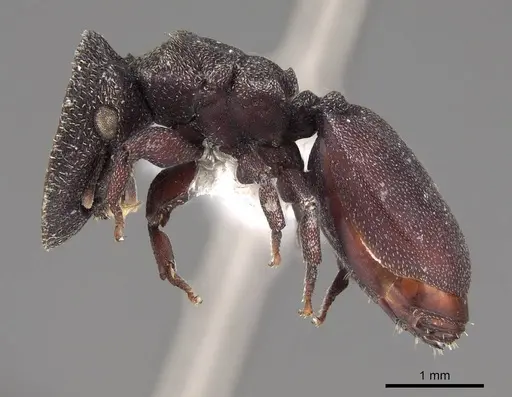
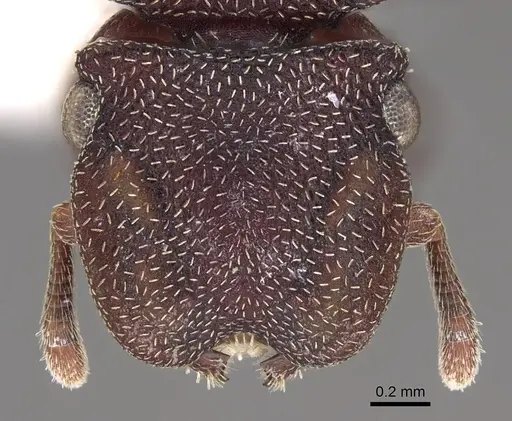
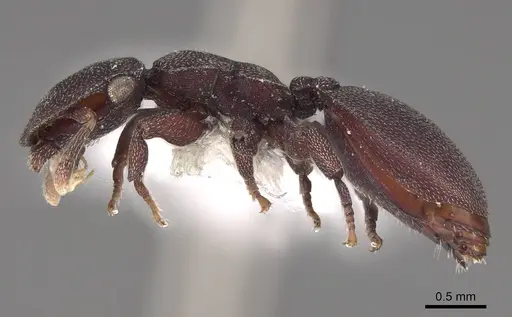
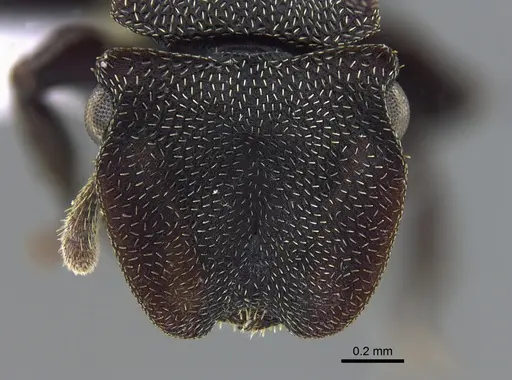
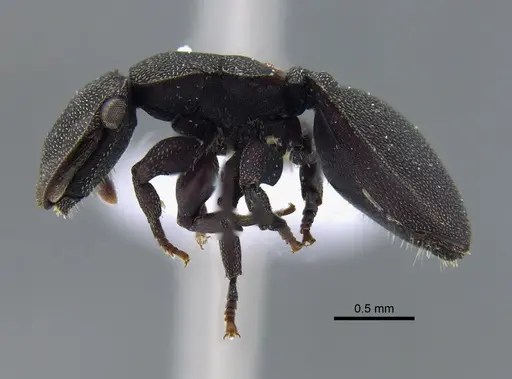
Cephalotes pellans is a small Neotropical turtle ant native to South America, ranging from Argentina through Bolivia, Brazil, Paraguay, and into Colombia. Workers measure 3.3-4.9mm with a distinctive flattened head and shield-like appearance typical of turtle ants, featuring dark brown to black coloration with lighter membranaceous edges on the mesosoma and gaster. This species belongs to the pallens group and is morphologically distinguished by finely crenulate margins on the lateral expansions of the mesosoma and longer, more pointed peduncular spines. Unlike many ants, C. pellans is primarily herbivorous, feeding on nectar and pollen, with a specialized gut microbiome that recycles nitrogen, a remarkable adaptation for a herbivorous ant. Colonies are arboreal, nesting in hollow twigs and fallen branches in forest canopies, though workers occasionally descend to forage on the ground.
Quick Summary
- Difficulty: Medium
- Origin & Habitat: Neotropical region including Argentina, Bolivia, Brazil, Paraguay, and Colombia. Found in campo cerrado, dry forests (Caatinga), and tropical dry forests at elevations from 5-779m. Often inhabits forest edges and successional areas, including oil palm plantations [1][2].
- Colony Type: Colony structure is not well documented in scientific literature. Based on genus patterns, likely monogyne (single queen) with moderate colony size.
- Colony: Monogyne
- Founding: Claustral
- Size & Growth:
- Queen: 8.5-8.7mm [3]
- Worker: 3.3-4.9mm [3]
- Colony: Likely several hundred workers based on genus patterns, exact maximum unknown
- Growth: Moderate, estimated based on related species
- Development: Estimated 6-8 weeks at optimal tropical temperatures (around 24-27°C) based on typical Cephalotes development (Development timeline not directly studied, estimates based on genus-level data for related turtle ants)
- Antkeeping:
- Temperature: Keep at 24-27°C (warm room temperature). They are tropical ants from warm regions and require consistent warmth year-round. A slight temperature gradient is beneficial.
- Humidity: Moderate humidity around 60-75%. Provide a water tube as their primary moisture source. Being arboreal, they prefer somewhat drier conditions than ground-nesting ants.
- Diapause: No, being tropical, they do not require hibernation. Keep at stable warm temperatures year-round.
- Nesting: Arboreal nesters prefer Y-tong (acrylic) nests or test tube setups with access to vertical spaces. They do best with narrow chambers scaled to their small size. Provide twigs or small hollow chambers as enrichment.
- Behavior: Generally peaceful and non-aggressive, they avoid conflicts with other ant species rather than engaging in territorial disputes. Workers are modest foragers, primarily collecting nectar and pollen. They are not known for stinging and pose no danger to keepers. Their small size (under 5mm) means escape prevention is important, they can slip through small gaps. Workers may descend to ground level to forage but are primarily arboreal.
- Common Issues: escape prevention is critical due to their tiny size, use fine mesh and tight-fitting lids, as herbivorous ants, they may reject standard protein foods like mealworms, sugar sources and pollen are essential, arboreal nature means they need vertical space and may not use horizontal formicarium chambers effectively, low activity levels may be mistaken for illness, they are naturally less active than predatory ants, wild-caught colonies may be stressed from relocation and require careful acclimatization
Housing and Nest Setup
Cephalotes pellans is an arboreal species adapted to nesting in hollow twigs, branches, and tree cavities in the wild. In captivity, they do well in Y-tong (acrylic) nests or test tube setups with narrow chambers scaled to their small worker size (3-4mm). Unlike ground-nesting ants, they benefit from having some vertical space and may explore upward rather than horizontally. A test tube setup with a cotton ball for water reservoir works well for founding colonies. For established colonies, provide a small formicarium with chambers no wider than necessary, these ants feel secure in tighter spaces. Always use excellent escape prevention since they are very small and can squeeze through tiny gaps that larger ants cannot. [1]
Feeding and Diet
Unlike most ant species that are primarily predatory or omnivorous, Cephalotes pellans is a specialized herbivore. In the wild, they collect nectar and pollen from flowers, making them unique among ants. In captivity, offer sugar water (1:4 ratio) or honey as a constant energy source. Fresh pollen (either dry or fresh bee pollen) is highly valued and provides essential nutrients. They will occasionally accept small amounts of protein, but this is not their primary diet, some keepers report they ignore standard feeder insects entirely. Feed sugar sources constantly and offer pollen every few days. Remove uneaten pollen after 24-48 hours to prevent mold.
Temperature and Humidity
Being a tropical species from the Neotropics, Cephalotes pellans requires warm temperatures year-round. Keep the nest area at 24-27°C (75-80°F). Room temperature in most homes is adequate, but during cooler months you may need a small heating cable or mat on one side of the nest to maintain warmth. They do not tolerate temperatures below 20°C for extended periods. For humidity, aim for 60-75%, they are more tolerant of drier conditions than many tropical ants since they naturally inhabit forest canopies. Provide a water tube for drinking and maintain humidity through the tube rather than misting, which can be too variable for these sensitive ants. [1]
Behavior and Colony Dynamics
Cephalotes pellans is one of the more peaceful ant species you can keep. They avoid aggressive interactions with other ants and are not territorial in the aggressive sense. Workers are modest foragers rather than aggressive hunters. The colony will establish a network of foragers that travel up and down the nest setup seeking nectar sources. They are not known for stinging and pose no threat to keepers, even if provoked, their sting is too small to penetrate human skin. Colonies grow moderately, expect several months before you see significant numbers. The soldiers (larger workers with enlarged heads) serve as living door guards, blocking nest entrances with their shield-like heads. This is a fascinating behavior to observe in established colonies. [1]
Growth and Development
The development timeline for C. pellans specifically has not been documented in scientific literature, but based on related Cephalotes species, expect 6-8 weeks from egg to first worker at optimal temperatures (around 26°C). Queens are substantial at 8.5-8.7mm and lay eggs progressively after founding. The first workers (nanitics) will be smaller than mature workers but functional. Growth rate is moderate, not the fastest but steady under good conditions. Unlike some ants that explode in numbers quickly, turtle ant colonies tend toward steady, sustainable growth. Mature colonies may reach several hundred workers. The presence of soldiers indicates a healthy, established colony.
Seasonal Care
Unlike temperate ant species, Cephalotes pellans does not require a winter diapause or hibernation period. They are active year-round in their native tropical habitats. Maintain consistent temperatures throughout the year. In the wild, they experience seasonal rainfall patterns rather than temperature changes, they are more active during rainy seasons and may reduce activity slightly during dry periods. In captivity, this means keeping humidity consistent rather than dramatically adjusting for seasons. If your colony shows reduced activity in winter, check that temperatures haven't dropped, they may be too cold rather than entering dormancy.
Frequently Asked Questions
Can I keep Cephalotes pellans in a test tube?
Yes, test tubes work well for founding colonies and small groups. Use a test tube with a water reservoir (cotton ball) for humidity. They will nest in the tube and explore the outworld for food. For larger colonies, consider a small Y-tong nest with appropriately scaled chambers.
What do Cephalotes pellans eat?
They are herbivorous turtle ants, offer sugar water or honey constantly, and provide pollen (fresh or dried) as a protein source. They typically ignore standard feeder insects like mealworms. Sugar sources should be the foundation of their diet.
How long until first workers appear?
Expect 6-8 weeks from founding to first workers at optimal temperatures (around 26°C). This is an estimate based on related Cephalotes species, as the specific development timeline for C. pellans has not been documented.
Are Cephalotes pellans good for beginners?
They are moderate difficulty, not the easiest but not difficult either. Their herbivorous diet is different from typical ants, so you must provide sugar and pollen rather than insects. They require warm temperatures year-round and escape prevention is critical due to their tiny size.
When should I move them to a formicarium?
Move from a test tube to a formicarium when the colony reaches around 30-50 workers and the test tube is becoming crowded. Y-tong nests work well for these arboreal ants. They prefer tighter chambers scaled to their small size.
Do they need hibernation?
No, they are tropical ants and do not require hibernation or winter cooling. Keep them at warm temperatures (24-27°C) year-round. They are active throughout the year in their native habitat.
Why are my Cephalotes pellans not eating insects?
This is normal, they are herbivorous and typically ignore insects. They obtain nutrients from nectar and pollen. Ensure sugar water is always available and offer pollen regularly. Some colonies may accept tiny pieces of prey experimentally, but this is not their natural diet.
How big do colonies get?
Based on genus patterns, colonies likely reach several hundred workers. The exact maximum is not documented in scientific literature. They are not among the largest Cephalotes species.
Can I keep multiple queens together?
This has not been documented for this species. Based on typical Cephalotes behavior, single-queen colonies are most common. It is not recommended to combine unrelated foundresses as this is not their natural founding strategy.
References

This caresheet is licensed under CC BY-SA 4.0 .
CASENT0173696
View on AntWeb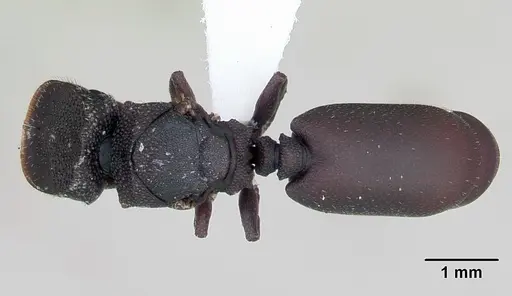
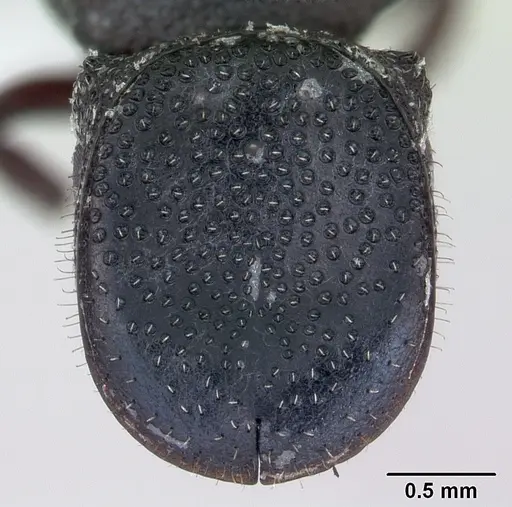
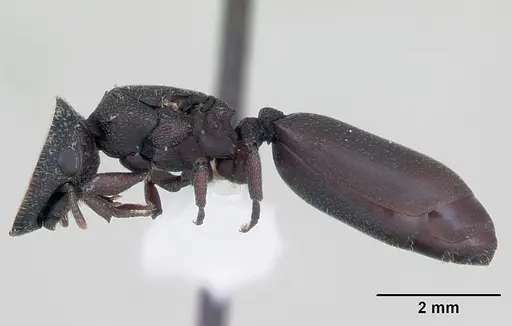
CASENT0173697
View on AntWeb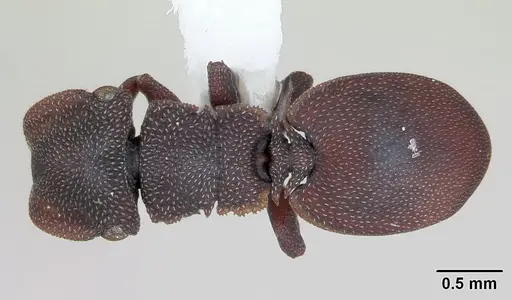
CASENT0173698
View on AntWeb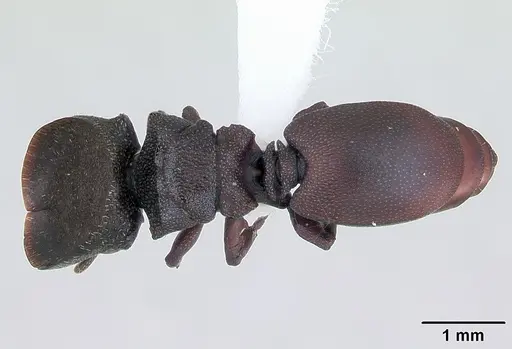
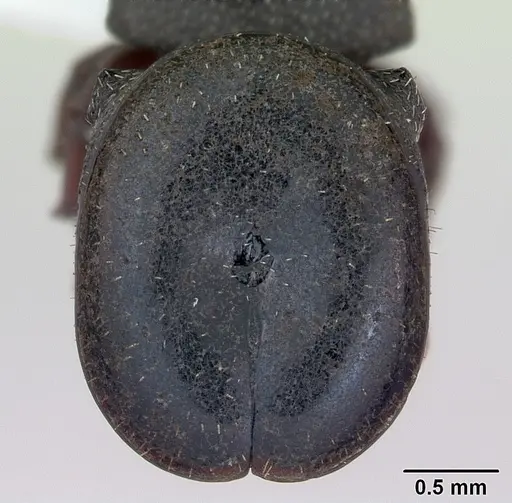
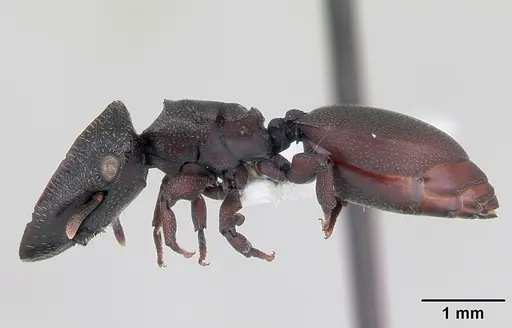
CASENT0904927
View on AntWeb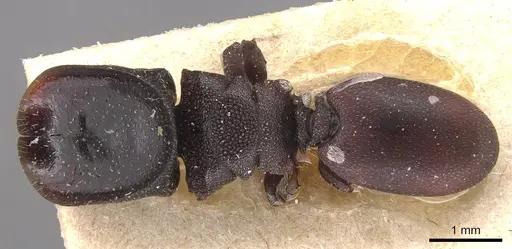
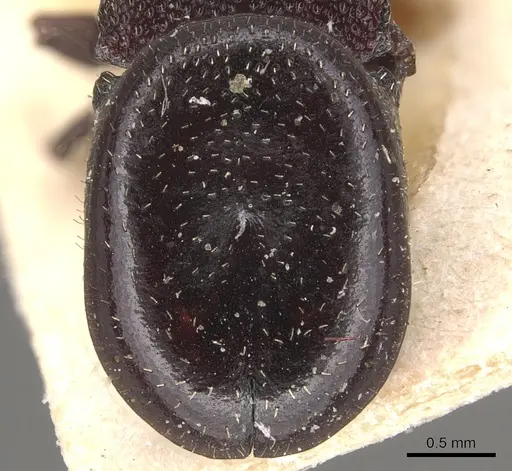
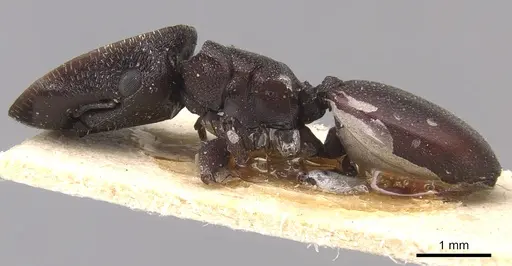
CASENT0904928
View on AntWeb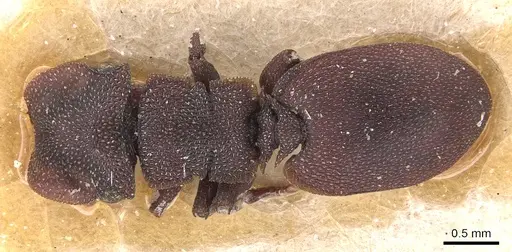
CASENT0922520
View on AntWeb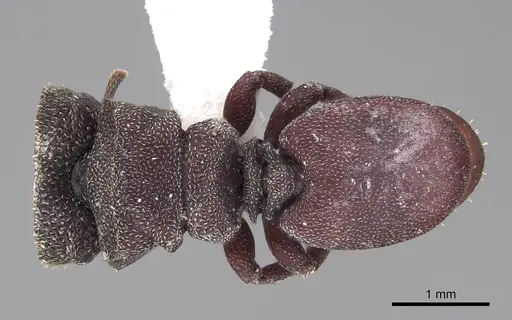
CASENT0922521
View on AntWeb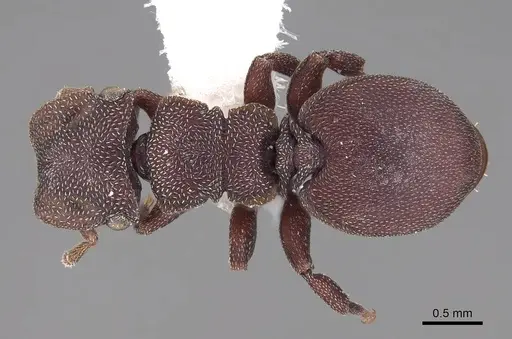
CBUMAGENT41989
View on AntWeb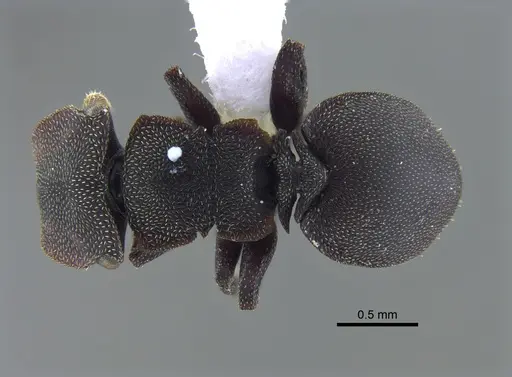
Literature
Loading...Loading products...