

Cephalotes pavonii
- Scientific Name
- Cephalotes pavonii
- Tribe
- Attini
- Subfamily
- Myrmicinae
- Author
- Latreille, 1809
- Distribution
- Found in 5 countries
Cephalotes pavonii Overview
Cephalotes pavonii is an ant species of the genus Cephalotes. It is primarily documented in 5 countries , including Brazil, Colombia, Ecuador. Detailed taxonomic data and occurrence records can be further explored via authoritative databases such as AntWeb or the Global Biodiversity Information Facility (GBIF).
Cephalotes pavonii
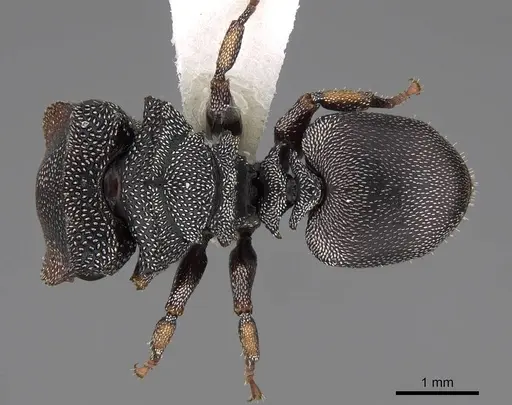
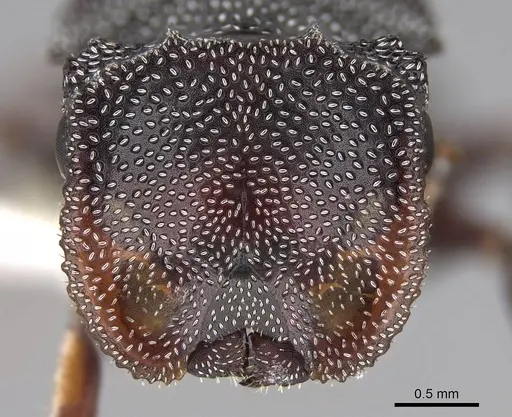
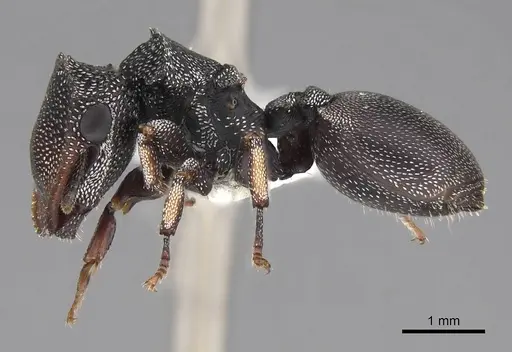
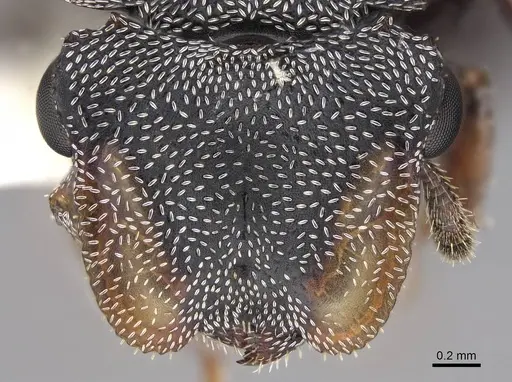
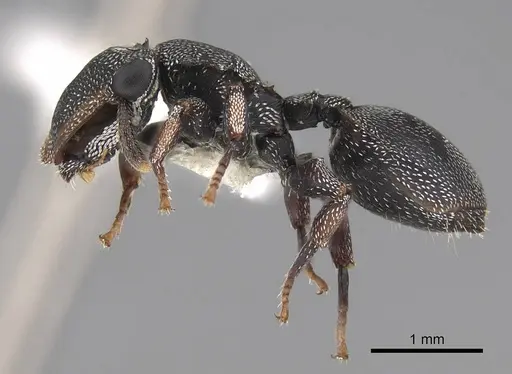
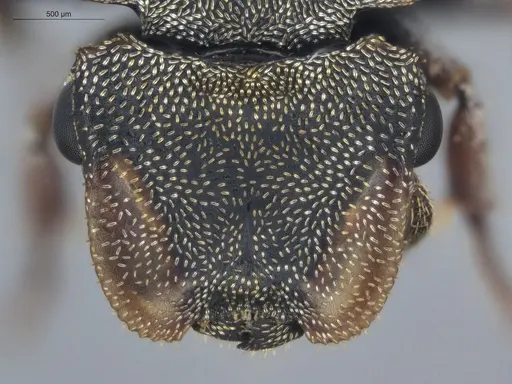
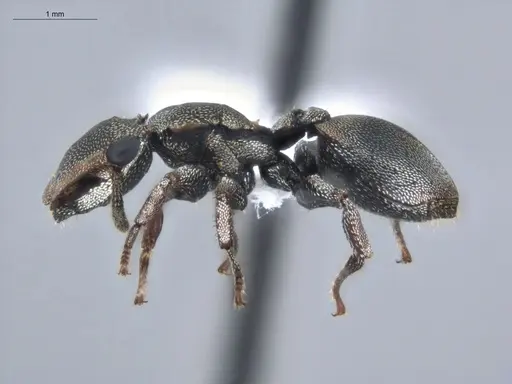
Cephalotes pavonii is a distinctive turtle ant found across the northern South American continent, from Brazil through Colombia, Peru, Guyana, Suriname, and French Guiana [1][2]. Workers are small black ants measuring 4-5mm, easily recognized by their flattened body and the broad, leaf-like lamellae (flaps) extending from the sides of their pronotum, these give them their 'turtle' common name. Soldiers are larger at 6-7mm and have a distinctive rectangular head disc. Queens reach nearly 10mm [1].
This species is part of the depressus clade, characterized by their arboreal lifestyle and association with Cecropia trees where they nest opportunistically in the hollow stems. They inhabit lowland tropical forests and seasonally dry forests from sea level up to about 1440m elevation [2]. Their unusual flattened body shape allows them to navigate narrow passages in tree hollows and under bark.
Quick Summary
- Difficulty: Medium
- Origin & Habitat: Tropical South America, Brazil, Colombia, Peru, Guyana, Suriname, French Guiana. Found in lowland rainforests, seasonally dry tropical forests, and forest edges from 70-1440m elevation [2][3]. Naturally nests in hollow Cecropia tree stems and arboreal cavities.
- Colony Type: Monogyne, single queen colonies. Colony size reaches several hundred workers based on related Cephalotes species.
- Colony: Monogyne
- Founding: Claustral
- Size & Growth:
- Queen: ~10mm [1]
- Worker: 4.1-5.3mm [1]
- Colony: Several hundred workers (estimated based on genus patterns)
- Growth: Moderate
- Development: 6-8 weeks (estimated based on related Attini species) (Development time is estimated, no specific study for this species. Attini tribe members typically develop from egg to worker in 6-8 weeks at tropical temperatures.)
- Antkeeping:
- Temperature: Keep at 24-28°C. As a tropical species, they need warm conditions. Use a heating cable on one side of the nest to create a gentle gradient if room temperature is below 24°C.
- Humidity: Moderate to high humidity (60-80%). These arboreal nesters prefer moist conditions but not waterlogged. Keep the nest substrate slightly damp and provide a water tube.
- Diapause: No, this is a tropical species that does not require hibernation. Maintain consistent warm temperatures year-round.
- Nesting: Arboreal cavity-nesters. In captivity, they do well in acrylic nests or Y-tong setups with narrow chambers scaled to their flattened body. Avoid overly large chambers, they prefer tight spaces. Can also be kept in naturalistic setups with cork or wooden structures.
- Behavior: Generally peaceful and non-aggressive. Workers are slow-moving and spend most of their time foraging on surfaces. They are not known to sting, their main defense is soldier caste presence and their flattened body allows them to hide in narrow crevices. Escape risk is moderate due to their small size, use standard barrier methods. They are arboreal foragers, so provide climbing structures in the outworld.
- Common Issues: tropical species needs warmth, cold temperatures will slow or stop brood development, escape prevention is important, small size means they can squeeze through small gaps, arboreal nature requires climbing structures in the outworld, slow colony growth compared to ground-nesting species, patience is needed, wild-caught colonies may be stressed from collection and require careful acclimation
Housing and Nest Setup
Cephalotes pavonii is an arboreal species that naturally nests in hollow plant stems, particularly Cecropia trees. In captivity, they do well in acrylic nests or Y-tong formicariums with chambers sized appropriately for their flattened body shape. The chambers should be relatively narrow, these ants feel secure in tight spaces. Provide cork, wooden structures, or bamboo sections in the outworld to satisfy their natural arboreal instincts. A water tube should always be available. Because they are poor climbers on smooth surfaces, ensure the outworld has textured climbing routes or branches. [1]
Feeding and Diet
Like other Cephalotes species, they are omnivorous with a preference for sugary liquids. Offer sugar water, honey, or diluted maple syrup regularly. For protein, provide small insects like fruit flies, small crickets, or mealworm pieces. They will also collect honeydew from offered aphids if present. Feed protein 2-3 times per week, and keep sugar sources constantly available. Remove uneaten prey after 24-48 hours to prevent mold.
Temperature and Humidity
As a tropical species from lowland South American forests, Cephalotes pavonii requires warm temperatures between 24-28°C. Temperatures below 22°C can slow their metabolism and brood development. Use a heating cable on part of the nest if your room temperature is cooler, placing it on top of the nest to create gentle warmth without drying out the colony. Humidity should be moderate to high (60-80%). These ants come from humid forest environments, so keep the nest substrate slightly moist but not waterlogged. A water tube provides drinking water and helps maintain humidity. [2]
Behavior and Colony Dynamics
This species has a soldier caste, larger workers with distinctive flattened heads that serve as living door guards. The soldiers can block nest entrances with their specialized head morphology, which is a unique defensive adaptation. Workers are slow-moving and deliberate in their movements. The colony will establish a network of foragers who travel along branches and surfaces in the outworld. They are not aggressive and do not sting, making them safe to handle. The queen is large (nearly 10mm) and should be protected during colony founding. [1]
Growth and Development
Colony growth is moderate, expect 6-12 months from founding to first significant worker population. The first workers (nanitics) will be smaller than mature workers. Soldiers typically appear once the colony reaches around 50-100 workers. Maximum colony size for Cephalotes pavonii is not well documented, but related species typically reach several hundred workers. Be patient, arboreal turtle ants grow more slowly than many ground-nesting Myrmicinae.
Frequently Asked Questions
Can I keep Cephalotes pavonii in a test tube?
Yes, test tubes work well for colony founding. Use a standard test tube setup with a water reservoir. Once the colony reaches 20-30 workers, consider moving them to a small formicarium with appropriate-sized chambers.
How long does it take for first workers to appear?
Expect first workers (nanitics) in about 6-8 weeks at optimal tropical temperatures (24-28°C). This is estimated based on related Attini species, specific development data for C. pavonii is not available.
What do Cephalotes pavonii eat?
They are omnivorous. Offer sugar water, honey, or maple syrup as a constant food source. For protein, provide small insects like fruit flies, pinhead crickets, or mealworm pieces 2-3 times per week.
Are Cephalotes pavonii good for beginners?
They are moderate difficulty. They require warm tropical conditions and have slower growth than many beginner species. Their arboreal nature also requires specific setup considerations. Not the best first ant, but manageable for those with some experience.
Do they need hibernation?
No. As a tropical species from South America, they do not require hibernation. Keep temperatures consistent year-round between 24-28°C.
How big do colonies get?
Based on related Cephalotes species, colonies likely reach several hundred workers. Exact maximum size for this specific species is not documented in scientific literature.
Can I keep multiple queens together?
No. This is a monogyne species with single-queen colonies. Only one queen should be kept per colony. Combining unrelated queens is not recommended and would likely result in fighting.
Why are my ants escaping?
Cephalotes pavonii is small and can squeeze through small gaps. Ensure your setup has tight-fitting lids and check for any gaps around connections. Standard barrier methods like fluon on container rims work well.
When should I move them to a formicarium?
Move from test tube to formicarium when the colony reaches 20-40 workers. Choose a nest with appropriately sized chambers, these ants prefer tight spaces and will not use oversized chambers effectively.
References

This caresheet is licensed under CC BY-SA 4.0 .
CASENT0217841
View on AntWeb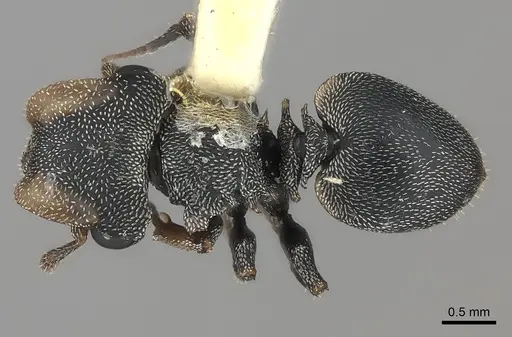
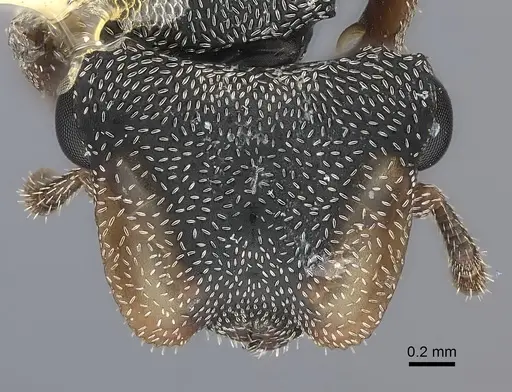
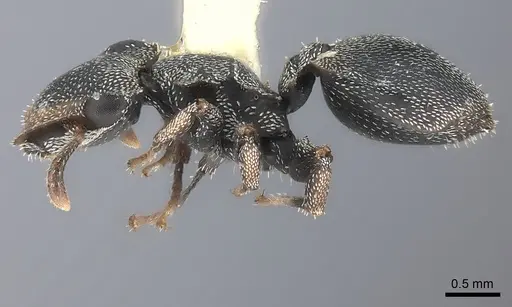
CASENT0922610
View on AntWeb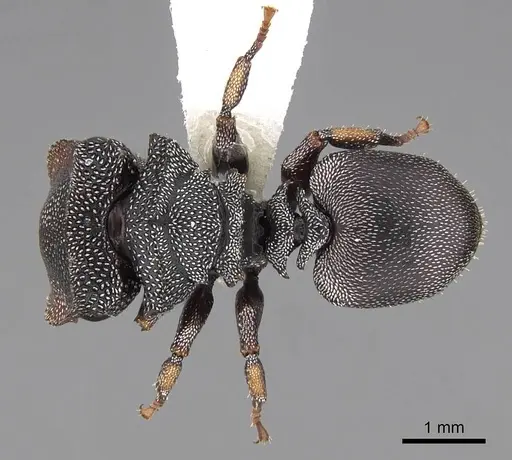
CASENT0922611
View on AntWeb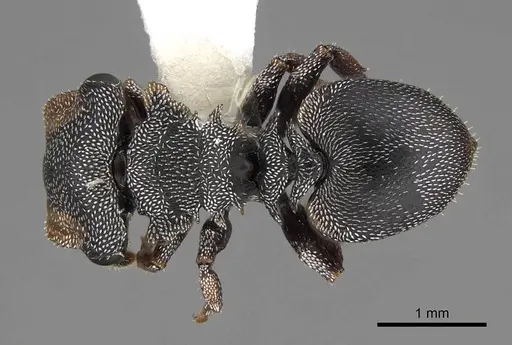
ECOFOG-BUG-1737-07
View on AntWeb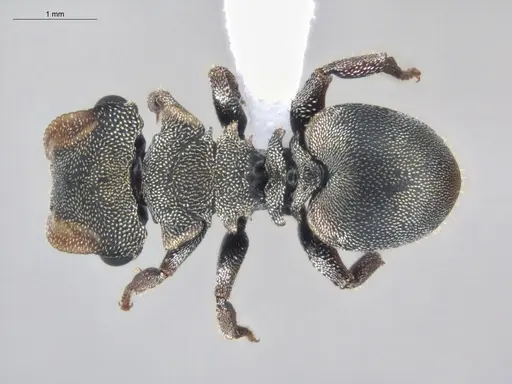
Literature
Loading...Loading products...