

Cephalotes patellaris
- Scientific Name
- Cephalotes patellaris
- Tribe
- Attini
- Subfamily
- Myrmicinae
- Author
- Mayr, 1866
- Distribution
- Found in 1 countries
Cephalotes patellaris Overview
Cephalotes patellaris is an ant species of the genus Cephalotes. It is primarily documented in 1 countries , including Brazil. Detailed taxonomic data and occurrence records can be further explored via authoritative databases such as AntWeb or the Global Biodiversity Information Facility (GBIF).
Cephalotes patellaris
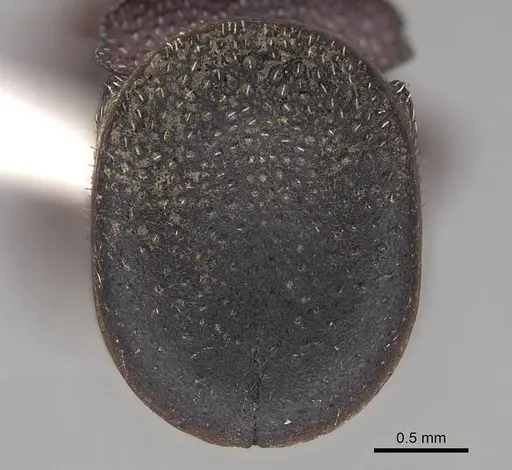
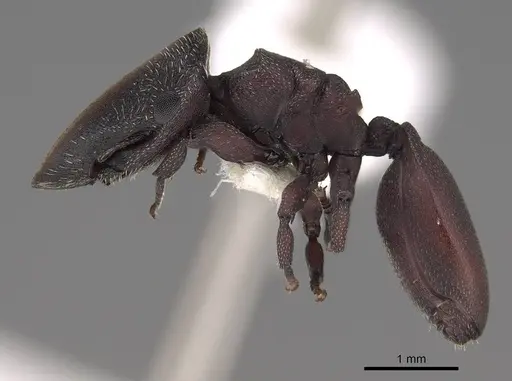
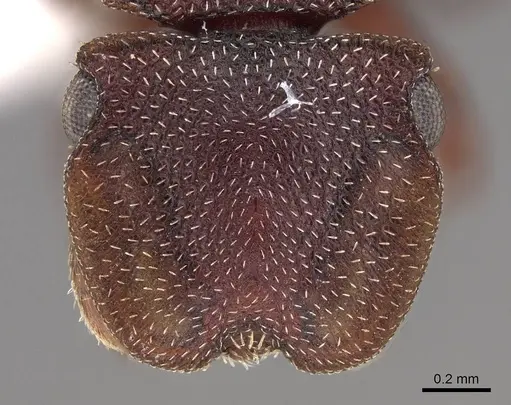
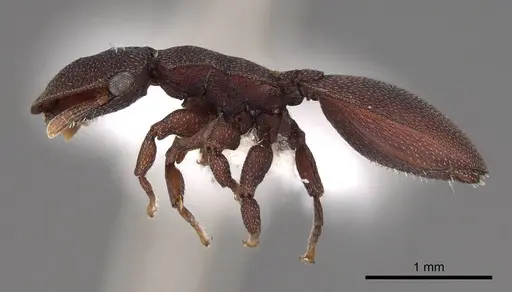
Cephalotes patellaris is a Neotropical turtle ant species native to Brazil, belonging to the pallens species group. Workers measure 3.74-5.14mm, soldiers are notably larger at 6.55-7.40mm, and queens reach 8.36-9.04mm [1]. The species is characterized by distinctive membranaceous expansions on the propodeum and petiolar spines, with a color ranging from brown to black [2]. Like other Cephalotes, they possess a flattened, shield-like head structure, particularly pronounced in soldiers, which gives them their 'turtle ant' common name. This species remains poorly studied in captivity, with almost no documented biological or behavioral information available.
Quick Summary
- Difficulty: Expert
- Origin & Habitat: Native to Brazil in the Neotropical region [1]. Natural habitat consists of tropical forest environments where they typically nest in dead wood, bamboo, or hollow twigs in the forest canopy [2].
- Colony Type: Colony structure is unconfirmed. Based on related Cephalotes species, likely single-queen (monogyne) colonies [2].
- Size & Growth:
- Queen: 8.36-9.04mm [2]
- Worker: 3.74-5.14mm [2]
- Colony: Unknown, no colony size data available for this species [2]
- Growth: Unknown, no development data available [2]
- Development: Unknown, no direct measurements exist. Based on typical Cephalotes patterns, estimate 6-10 weeks at optimal temperature (No species-specific development data exists. Related Neotropical Cephalotes species typically require 6-10 weeks for complete development.)
- Antkeeping:
- Temperature: Based on Neotropical distribution, keep warm around 24-28°C. Provide a gentle temperature gradient allowing ants to self-regulate.
- Humidity: Require high humidity typical of Brazilian tropical species. Keep nest substrate consistently moist but not waterlogged. Aim for 70-80% humidity.
- Diapause: Unlikely, Neotropical species do not typically require hibernation. May experience reduced activity during cooler dry seasons.
- Nesting: In nature, they nest in dead wood, bamboo, and hollow twigs in arboreal situations. In captivity, they do well in Y-tong (acrylic) nests or plaster nests with narrow chambers scaled to their size. Provide damp substrate that mimics rotting wood conditions.
- Behavior: Turtle ants are slow-moving and relatively docile compared to many ants. Soldiers use their shield-like heads to block nest entrances, this is their primary defense mechanism. They are not aggressive foragers and likely rely on foraging trails and trophallaxis (food sharing) within the colony. Escape prevention should be good despite their moderate size, they are not strong climbers like some arboreal species.
- Common Issues: No species-specific care information exists, keepers must rely on genus-level guidance, Wild-caught colonies may have parasites or diseases that cause captive failure, Their slow growth rate may lead to keeper impatience and overfeeding issues, Nesting requirements are poorly understood, may need specific arboreal-style setups, Very rare in the antkeeping hobby with almost no captive breeding success documented
Species Overview and Identification
Cephalotes patellaris is a member of the pallens species group within the genus Cephalotes, commonly known as turtle ants. The genus gets its common name from the distinctive shield-like shape of the soldier's head, which they use to block nest entrances like a turtle's shell. Workers measure 3.74-5.14mm, while the larger soldiers reach 6.55-7.40mm. Queens are the largest at 8.36-9.04mm. The species is characterized by broad, crenulate membranaceous expansions on the propodeum and relatively long petiolar spines. Color ranges from brown to black, with slightly lighter frontal carinae and body expansions [1][2]. This species is endemic to Brazil in the Neotropical region.
Natural History and Habitat
Cephalotes patellaris is found exclusively in Brazil's tropical forests. Like other Cephalotes species, they are arboreal or semi-arboreal nesters, typically inhabiting dead wood, bamboo internodes, and hollow twigs in the forest canopy. The pallens group, to which this species belongs, represents a lineage that has undergone renewed diversification associated with ecological opportunities in the Neotropics [3]. The specific microhabitat preferences within this broad distribution are unknown due to the lack of field studies on this particular species.
Housing and Nesting Requirements
Based on the arboreal nesting habits of related Cephalotes species, this ant will do best in setups that mimic rotting wood conditions. Y-tong (acrylic) nests work well, or you can use plaster nests with narrow chambers. The chambers should be appropriately scaled to worker size, not too large or open. Provide a water reservoir to maintain humidity. Since they are arboreal by nature, include some vertical space or branches in the outworld to encourage natural behaviors. Keep the nest area humid but ensure adequate ventilation to prevent mold. The outworld can be relatively simple with standard ant keeping supplies.
Feeding and Diet
Cephalotes are in the tribe Attini (leafcutter ants' tribe), but not all are true fungal cultivators. Based on related species, C. patellaris likely accepts a varied diet including honeydew from aphids, small insects, and possibly plant matter. Offer sugar water or honey as an energy source, and provide small insects like fruit flies or small mealworms for protein. Feed small amounts initially and observe acceptance. Remove uneaten food after 24-48 hours to prevent mold. The exact dietary preferences of this species remain unstudied, so you may need to experiment to determine what your colony prefers.
Temperature and Humidity Needs
As a Brazilian Neotropical species, Cephalotes patellaris requires warm, humid conditions. Maintain temperatures around 24-28°C with a gentle gradient so ants can self-regulate. You can achieve this with a heating cable on one side of the nest, placed on top of the setup to avoid evaporating moisture. Humidity should be kept high, around 70-80%, which can be maintained through a water reservoir connected to the nest. Monitor condensation levels as an indicator of humidity. Avoid both excessive dryness and stagnant, overly wet conditions that promote mold.
Colony Development and Growth
No specific development data exists for Cephalotes patellaris. Based on typical Cephalotes patterns and other Neotropical species, expect egg to worker development to take approximately 6-10 weeks at optimal temperature. The first workers (nanitics) will likely be smaller than mature workers. Colonies likely grow slowly compared to faster-breeding tropical ants. Patience is essential, turtle ants are not fast growers. The maximum colony size is unknown but likely similar to related species at several hundred workers. Soldier production typically increases as the colony matures.
Behavior and Defense
Turtle ants are known for their docile, slow-moving nature. Their primary defense mechanism is the soldier's shield-like head, which they use to physically block nest entrances. Unlike ants with stingers or strong bite, Cephalotes rely on this passive defense and chemical alarm signals. Workers likely communicate through pheromone trails and trophallaxis (food sharing mouth-to-mouth). They are not aggressive and unlikely to bite even when disturbed. In the outworld, they move deliberately and methodically. Escape risk is moderate, they are not particularly strong climbers but can grip surfaces adequately.
Frequently Asked Questions
How long does it take for Cephalotes patellaris to produce first workers?
The exact timeline is unknown as this species has not been studied in captivity. Based on typical Cephalotes development patterns, expect approximately 6-10 weeks from egg to first worker at optimal temperature (24-28°C).
What do Cephalotes patellaris ants eat?
Their exact diet is unconfirmed, but based on related species, offer small insects (fruit flies, small mealworms) for protein and sugar water or honey for carbohydrates. They may also accept honeydew. Start with small amounts and adjust based on what your colony accepts.
Are Cephalotes patellaris good for beginners?
No. This is an expert-level species due to the complete lack of captive care information. There are no established protocols or documented successful keeping methods. Only experienced antkeepers willing to experiment and document their findings should attempt this species.
What temperature should I keep Cephalotes patellaris at?
Keep nest temperatures around 24-28°C based on their Neotropical distribution. Provide a gentle gradient so ants can choose their preferred temperature. Room temperature in the low-to-mid 20s°C may be suitable.
How big do Cephalotes patellaris colonies get?
The maximum colony size is unknown, no colony data exists for this species. Based on related Cephalotes species, colonies likely reach several hundred workers at maturity. Growth is expected to be slow.
Can I keep multiple Cephalotes patellaris queens together?
This is unconfirmed. The colony structure of C. patellaris has not been studied. Based on related species, they likely form single-queen colonies. Do not combine unrelated foundress queens without documented evidence of pleometrosis in this species.
What type of nest is best for Cephalotes patellaris?
Based on their arboreal nesting habits, Y-tong (acrylic) nests or plaster nests with narrow, appropriately-sized chambers work well. The nest should maintain high humidity and mimic rotting wood conditions. Provide a water reservoir.
Do Cephalotes patellaris need hibernation?
No, as a Neotropical species from Brazil, they do not require hibernation. They may experience reduced activity during cooler periods but should be kept warm year-round at 24-28°C.
Why is Cephalotes patellaris so hard to find for sale?
This species is extremely rare in the antkeeping hobby. There is almost no captive breeding success documented, and wild colonies are not commonly collected. The lack of biological data makes captive propagation extremely challenging.
References

This caresheet is licensed under CC BY-SA 4.0 .
CASENT0922518
View on AntWeb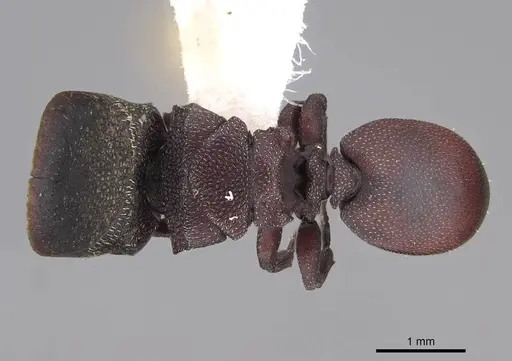
CASENT0922519
View on AntWeb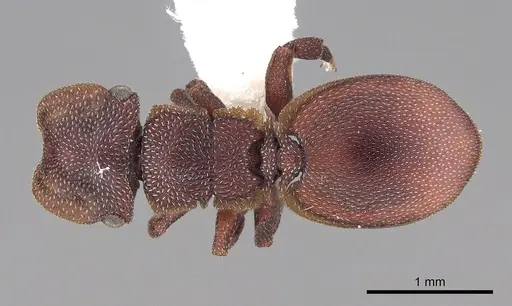
Literature
Loading...Loading products...