

Cephalotes palta
- Scientific Name
- Cephalotes palta
- Tribe
- Attini
- Subfamily
- Myrmicinae
- Author
- De Andrade, 1999
- Distribution
- Found in 1 countries
Cephalotes palta Overview
Cephalotes palta is an ant species of the genus Cephalotes. It is primarily documented in 1 countries , including Brazil. Detailed taxonomic data and occurrence records can be further explored via authoritative databases such as AntWeb or the Global Biodiversity Information Facility (GBIF).
Cephalotes palta
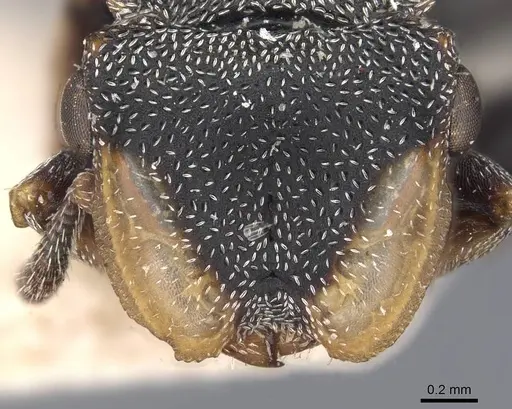
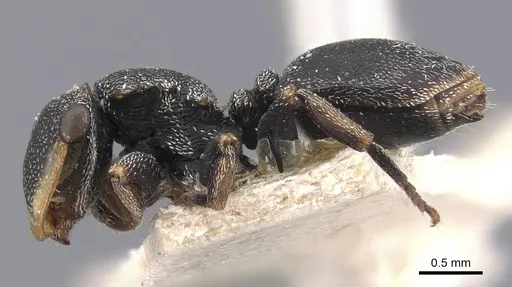
Cephalotes palta is a small turtle ant species endemic to the Magdalena department of Colombia in the Caribbean region. Workers measure 4.46-4.62mm while the distinctive soldier caste reaches 6.40mm. This species belongs to the angustus clade and can be identified by its unicolorous first gastral tergite in workers and the denser, smaller foveae on the soldier's head disc. The workers are mostly black with yellowish-orange to light ferruginous markings on the frontal carinae, thoracic spines, and leg tips. The soldier has a remarkable concave head disc used for blocking nest entrances, a signature trait of turtle ants. This species is categorized as threatened and vulnerable in its native Colombia, making captive breeding particularly valuable for conservation [1].
Quick Summary
- Difficulty: Medium
- Origin & Habitat: Endemic to the Caribbean region of Colombia, specifically the Magdalena department. Found at low elevations between 2-500m altitude [1]. In the wild, Cephalotes species typically nest in arboreal cavities, hollow twigs, dead branches, and tree holes in forest canopies.
- Colony Type: Colony structure is unconfirmed for this specific species. Most Cephalotes species are monogyne (single-queen colonies), though some can be polygyne. Turtle ants typically develop slowly with colony sizes rarely exceeding a few hundred workers.
- Size & Growth:
- Queen: Approximately 6-7mm (estimated from soldier size and genus patterns)
- Worker: 4.46-4.62mm
- Colony: Likely under 500 workers based on genus patterns
- Growth: Slow, Cephalotes species are notoriously slow-growing, often taking 6-12 months to first workers and years to reach moderate sizes
- Development: Estimated 8-12 weeks at optimal temperature based on genus patterns (Turtle ant development is slow. Expect 2-3 months minimum from egg to first worker. Nanitics (first workers) will be smaller than normal workers.)
- Antkeeping:
- Temperature: Keep around 24-27°C. These are tropical ants from lowland Colombia, so they need warmth. A gentle gradient allowing cooler areas is beneficial.
- Humidity: Moderate to high humidity (60-80%). Provide a moist nest substrate but ensure good ventilation to prevent mold. Mist occasionally but allow drying between waterings.
- Diapause: Unlikely required, being tropical, they probably don't need a true hibernation. However, a slight cool period during winter months (dropping to around 20°C) may be beneficial.
- Nesting: Arboreal specialists, they need tight-fitting chambers and narrow passages. Y-tong (AAC) nests or plaster nests work well. Provide small connections between chambers since they're used to confined tree cavities. Avoid large open spaces.
- Behavior: Generally peaceful and non-aggressive. Turtle ants are known for their defensive soldier caste, soldiers block nest entrances with their specialized head discs. They are slow-moving and not escape artists compared to many Myrmicinae, but their small size still warrants standard escape precautions. They are not stinging ants, their main defense is soldier blocking behavior and minor biting. Foraging is typically quiet and methodical.
- Common Issues: slow growth tests keeper patience, don't overfeed or disturb the colony frequently, colonies can stall if temperature drops below 22°C for extended periods, wild-caught colonies may be stressed from collection and transport, small colony size means any losses have bigger impact, limited distribution makes replacement colonies difficult to obtain
Nest Preferences and Housing
Cephalotes palta is an arboreal species, so replicate their natural tree-cavity environment. Y-tong (acrylic aerated concrete) nests or plaster nests work best, both hold moisture well and provide the tight chambers these ants prefer. The chambers should be relatively small and interconnected with narrow passages. Avoid large, open formicaria designed for ground-nesting species. A small outworld with minimal space is fine since they don't travel far. Keep the nest slightly humid but ensure ventilation prevents mold buildup. The soldiers will position themselves at chamber entrances, this is normal defensive behavior, not a sign of distress. [1]
Feeding and Diet
Like other Cephalotes species, these ants are likely omnivorous with a preference for honeydew and sugar sources. Offer sugar water or honey regularly (every 2-3 days for established colonies). They will also accept small protein sources, fruit flies, small mealworms, and other tiny insects. Feed protein once or twice weekly. Remove uneaten food after 24-48 hours to prevent mold. Since colony growth is slow, don't overfeed, a little goes a long way with these ants. Fresh fruit pieces (especially sweet fruits) are often accepted.
Temperature and Seasonal Care
Maintain temperatures between 24-27°C year-round. Being from lowland tropical Colombia (2-500m altitude), they need consistent warmth. A small heating cable on one side of the nest can create a beneficial gradient, but ensure they can move to cooler areas if needed. Avoid temperatures below 22°C for extended periods, this can stall colony development and weaken the ants. No true hibernation is required, but you might allow a slight cooling (to around 20°C) during winter months to simulate natural seasonal cycles. Monitor for activity levels, active foraging indicates good conditions. [1]
Behavior and Colony Dynamics
Cephalotes palta colonies are characterized by their slow, methodical behavior and strong defensive soldier caste. The soldiers use their distinctive concave head discs to block nest entrances, this is their primary defense mechanism and completely normal. Workers are peaceful and won't bite aggressively. Colony growth is inherently slow, don't be alarmed if months pass without visible increases. The soldier caste develops later in colony growth, typically appearing when the colony reaches 50+ workers. Multiple soldiers may be present in mature colonies. Queens are likely claustral founders, sealing themselves into a chamber to raise the first brood alone on stored fat reserves.
Conservation and Ethical Keeping
This species is categorized as threatened and vulnerable in its native Colombia [1]. Its extremely limited range (only known from the Magdalena department) makes wild populations vulnerable to habitat loss. If you obtain this species, responsible captive breeding is valuable for conservation. Never release colonies in non-native areas, Cephalotes are not established in most of the world and could become invasive. Document your colony's growth and any breeding success. Sharing colony information with other keepers helps build a captive population that reduces pressure on wild colonies.
Frequently Asked Questions
How long does it take for Cephalotes palta to produce first workers?
Expect 8-12 weeks from egg to first worker at optimal temperature (24-27°C). Turtle ants are notoriously slow developers, patience is essential. The first workers (nanitics) will be smaller than normal workers.
Can I keep Cephalotes palta in a test tube setup?
Test tubes can work for founding colonies, but transfer to a proper nest (Y-tong or plaster) once the colony reaches 10-15 workers. Turtle ants need the tight chambers and humidity control that test tubes provide, but they also need proper nesting material for long-term housing.
What do Cephalotes palta eat?
They need a balanced diet: sugar water or honey offered regularly (every 2-3 days), plus small protein sources like fruit flies or tiny mealworms once or twice weekly. Remove uneaten food promptly.
Are Cephalotes palta good for beginners?
They are intermediate-level ants due to their slow growth and specific temperature needs. Not ideal as a first species, but manageable if you have experience with other Myrmicinae. Their vulnerability status also makes responsible keeping important.
How big do Cephalotes palta colonies get?
Based on genus patterns, colonies likely max out at a few hundred workers. Growth is slow, expect 1-2 years to reach 50 workers, and several years to reach full size.
Do I need to hibernate Cephalotes palta?
No true hibernation is required since they're tropical. A slight temperature drop in winter (to around 20°C) may be beneficial but isn't mandatory. Avoid prolonged temperatures below 22°C.
When should I move Cephalotes palta to a formicarium?
Move them when the test tube becomes cramped or shows mold issues, typically when the colony reaches 15-30 workers. Y-tong or plaster nests work best for these arboreal ants.
Why are my Cephalotes palta dying?
Common causes include: temperatures below 22°C, excessive humidity causing mold, overfeeding leading to mold, or stress from frequent disturbance. Check temperature first, then review feeding and handling practices.
Can I keep multiple queens together?
Not recommended unless you have experience. Most Cephalotes are monogyne (single-queen). Combining unrelated queens hasn't been studied for this species and could result in fighting.
References

This caresheet is licensed under CC BY-SA 4.0 .
CASENT0909282
View on AntWeb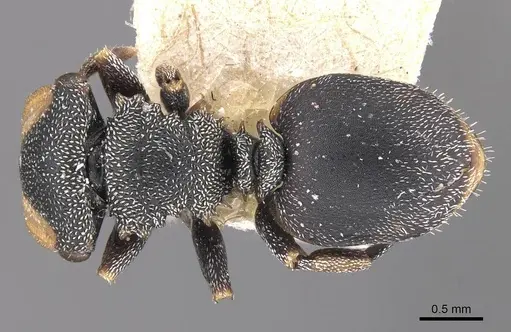
Literature
Loading...Loading products...