

Cephalotes pallidus
- Scientific Name
- Cephalotes pallidus
- Tribe
- Attini
- Subfamily
- Myrmicinae
- Author
- De Andrade, 1999
- Distribution
- Found in 6 countries
Cephalotes pallidus Overview
Cephalotes pallidus is an ant species of the genus Cephalotes. It is primarily documented in 6 countries , including Brazil, Colombia, Ecuador. Detailed taxonomic data and occurrence records can be further explored via authoritative databases such as AntWeb or the Global Biodiversity Information Facility (GBIF).
Cephalotes pallidus
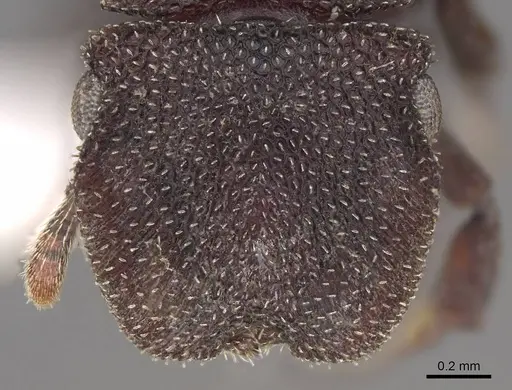
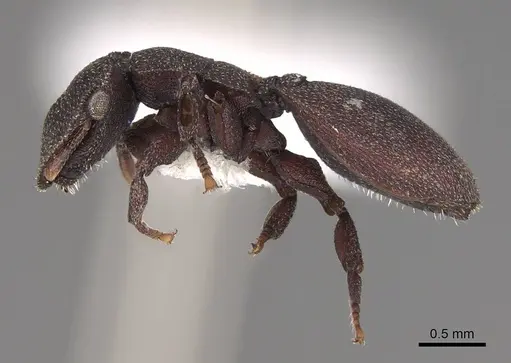
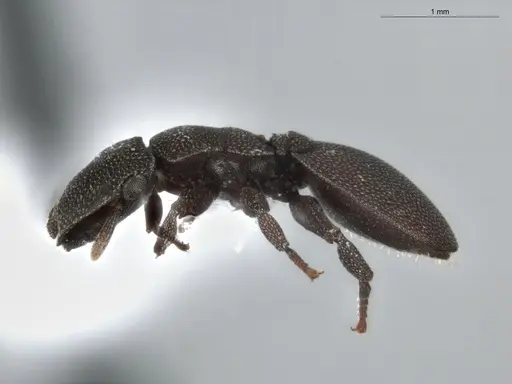
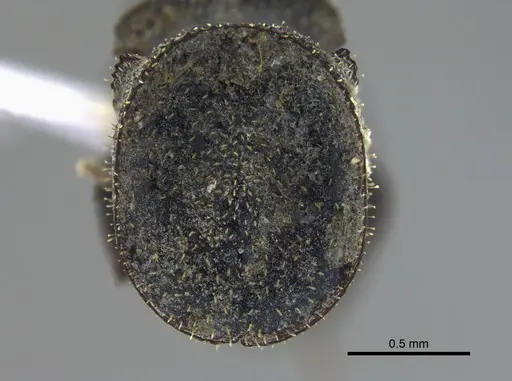
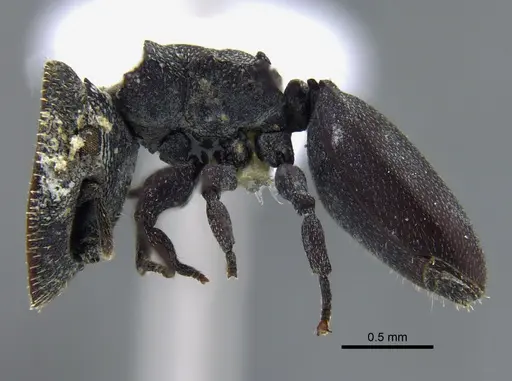
Cephalotes pallidus is a small to medium-sized ant belonging to the pallens clade within the genus Cephalotes, commonly known as turtle ants. Workers measure 3.97-4.49mm, soldiers 5.08-6.87mm, and queens 7.32-7.72mm. They have a distinctive appearance with brown to black coloration and lighter membranaceous expansions on the head, mesosoma, and gaster. The head disc has deep, broad, contiguous, irregular foveae (small pits) that help distinguish this species from its relatives. These ants are found throughout the Neotropical region including Bolivia, Brazil, Colombia, Ecuador, French Guiana, Guyana, Peru, and Suriname, typically at elevations between 50-460m [1][2].
The biology of this specific species remains completely unstudied, but like other Cephalotes species, they are arboreal ants that likely nest in tree hollows and dead branches in forest canopies. They are one of only three typically arboreal species recorded in some Brazilian studies, confirming their above-ground lifestyle [3]. The genus is known for their unique ability to form living chains and bridges using their specialized morphology.
Quick Summary
- Difficulty: Medium
- Origin & Habitat: Neotropical region, found in Bolivia, Brazil, Colombia, Ecuador, French Guiana, Guyana, Peru, and Suriname at elevations of 50-460m. They inhabit arboreal habitats in tropical forests.
- Colony Type: Colony structure is unconfirmed. Like other Cephalotes species, likely single-queen colonies.
- Size & Growth:
- Queen: 7.32-7.72mm [4]
- Worker: 3.97-4.49mm [4]
- Colony: Unknown for this species. Based on related Cephalotes species, likely reaches several hundred workers.
- Growth: Moderate, estimated based on genus patterns
- Development: Unknown, no direct data. Based on typical Cephalotes patterns, likely 6-10 weeks at optimal temperature. (Development timeline has not been studied for this species. Estimates based on genus-level patterns.)
- Antkeeping:
- Temperature: Keep around 24-28°C. As a Neotropical species, they prefer warm, stable conditions. Use a heating cable on one side of the nest to create a gentle gradient if room temperature is below this range.
- Humidity: Maintain moderate to high humidity (60-80%). Their arboreal nature means they prefer humid conditions but not waterlogged nests. Provide a water tube for drinking water.
- Diapause: Unknown, no data on overwintering requirements. Neotropical species may not require true hibernation but may have reduced activity during cooler periods.
- Nesting: Arboreal nesting preference, they naturally nest in tree hollows and dead branches. In captivity, a Y-tong (acrylic) nest or plaster nest with narrow chambers works well. Provide climbing structures and branches in the outworld to simulate their natural arboreal habitat.
- Behavior: These ants are generally calm and non-aggressive. They are arboreal foragers, likely feeding on nectar, honeydew, and pollen like other Cephalotes species. Workers have well-developed membranaceous expansions that may help with gliding or staying afloat if they fall from trees. Escape risk is moderate, their size requires standard barriers but they are not particularly good climbers like some related species. They are likely to form chains and cooperate during foraging like other turtle ants.
- Common Issues: biology is completely unstudied, care recommendations are based on genus-level patterns rather than species-specific research, slow colony growth is common with Cephalotes species, patience is required, arboreal nature means they need vertical space and climbing structures, wild-caught colonies may have parasites or diseases that are poorly understood for this species, humidity control is important, too dry can cause colony decline
Nest Preferences and Housing
Cephalotes pallidus is an arboreal species that naturally nests in tree hollows, dead branches, and cavities in tropical forest canopies. In captivity, you should replicate this by providing nests that offer vertical space and climbing opportunities. Y-tong (acrylic) nests work well because they provide smooth walls that these ants can grip. Plaster nests are also suitable as they can maintain humidity. The chambers should be appropriately sized for workers that are roughly 4mm in length, avoid overly large spaces. In the outworld, add branches, twigs, or other climbing structures to simulate their natural arboreal environment. These ants are not strong climbers like some arboreal species, so provide moderate climbing surfaces rather than smooth vertical walls. [3][1]
Feeding and Diet
Based on studies of other Cephalotes species and the general Attini tribe, C. pallidus likely has a diet focused on liquids and carbohydrates. They are known to feed on nectar from flowers, honeydew from aphids and scale insects, and pollen. In captivity, you should offer sugar water (honey or sucrose solution) as a constant food source. Fresh fruits can also be offered occasionally. For protein, they will likely accept small insects like fruit flies, pinhead crickets, or mealworms, though they are not aggressive predators. One study specifically noted their 'liquids and pollen feeding habit' [3]. Feed sugar sources constantly and offer protein prey 2-3 times per week. Remove uneaten prey within 24-48 hours to prevent mold.
Temperature and Humidity Requirements
As a Neotropical species from tropical forests, Cephalotes pallidus requires warm and humid conditions. Maintain temperatures between 24-28°C for optimal colony health and activity. A heating cable placed on one side of the nest can create a temperature gradient, allowing ants to regulate their own exposure to warmth. Keep the nest substrate or water tube consistently moist but not waterlogged. Humidity should be maintained around 60-80%. These ants are adapted to humid forest environments, so avoid dry conditions. A water tube attached to the nest provides drinking water, which is important for arboreal species.
Behavior and Colony Dynamics
Cephalotes species are known for their cooperative behaviors, including the ability to form living chains and bridges using their specialized morphology. Workers have distinctive flattened bodies and membranaceous expansions that may aid in gliding or staying afloat if they fall from trees. The colony will likely show moderate activity levels with workers foraging for sugar sources and small prey. Soldiers, if present in your colony, will be larger (5.08-6.87mm) and may serve defensive functions. Colonies grow slowly, expect several months to a year before you see significant worker numbers. The queen can live for many years, as is typical for Cephalotes species.
Acquiring and Establishing a Colony
Finding Cephalotes pallidus for sale is difficult since their biology is unstudied and they are not commonly kept in captivity. If you obtain a colony, it will likely be from a specialized breeder who has worked with Cephalotes species. Wild-caught colonies may carry parasites or face adaptation challenges since this species has never been documented in captive breeding programs. When establishing a new colony, use a test tube setup initially with a water tube for humidity. Once the colony has established workers and shows consistent activity, you can transition to a formicarium. Monitor the colony closely for the first few months for any signs of stress or decline.
Frequently Asked Questions
How long does it take for Cephalotes pallidus to produce first workers?
The egg-to-worker timeline is unknown for this species since its biology has never been studied. Based on typical Cephalotes genus patterns, expect 6-10 weeks at optimal temperature (24-28°C), but this is an estimate rather than confirmed data.
What do Cephalotes pallidus ants eat?
Based on related species, they feed on liquids and pollen. Offer sugar water (honey or sucrose solution) constantly, and provide small protein sources like fruit flies or pinhead crickets 2-3 times per week. They are not aggressive predators.
Are Cephalotes pallidus good for beginners?
No. This species is not recommended for beginners. Its biology is completely unstudied, making proper care difficult to determine. Additionally, they are rarely available in the antkeeping hobby and may be difficult to acquire.
What temperature do Cephalotes pallidus need?
Keep them warm at 24-28°C. As a Neotropical arboreal species, they require stable warm conditions. A heating cable on one side of the nest can provide this while creating a gradient.
Can I keep multiple Cephalotes pallidus queens together?
This is unknown. The colony structure of this species has not been studied, so there is no data on whether they are monogyne (single queen) or polygyne (multiple queens). Do not attempt combining unrelated queens without specific knowledge of this species' behavior.
Do Cephalotes pallidus need hibernation?
Unknown. As a Neotropical species from tropical regions, they likely do not require true hibernation. However, they may have reduced activity during cooler periods. Monitor your colony, if activity decreases significantly in winter, you may need to slightly reduce temperature but not induce full diapause.
How big do Cephalotes pallidus colonies get?
Unknown, no colony size data exists for this species. Based on related Cephalotes species, they likely reach several hundred workers over several years. Growth is typically slow.
Where can I find Cephalotes pallidus for sale?
This species is extremely rare in the antkeeping hobby. Its biology is unstudied and it has not been documented in captive breeding programs. You would need to find a specialized breeder working with rare Cephalotes species, which is unlikely. Consider more commonly available Cephalotes species like C. varians or C. atratus instead.
References

This caresheet is licensed under CC BY-SA 4.0 .
CASENT0922514
View on AntWeb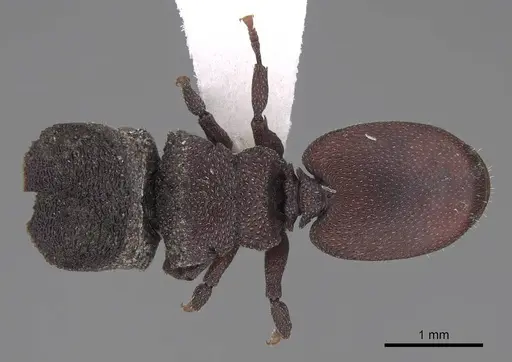
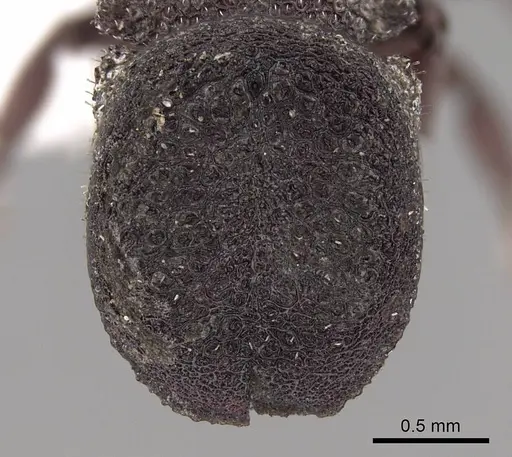
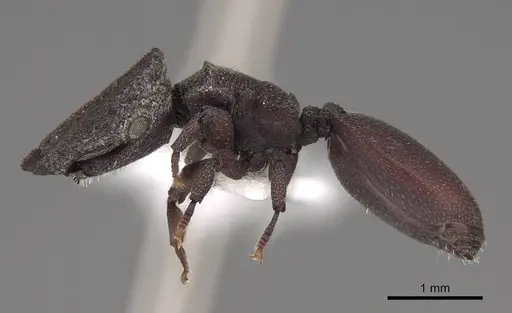
CASENT0922515
View on AntWeb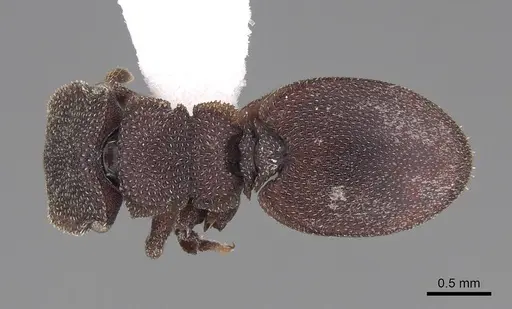
ECOFOG-BUG-0046-03
View on AntWeb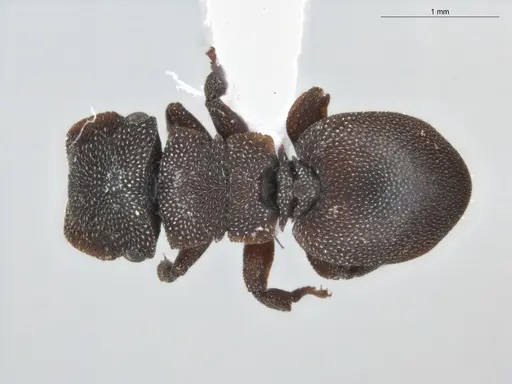
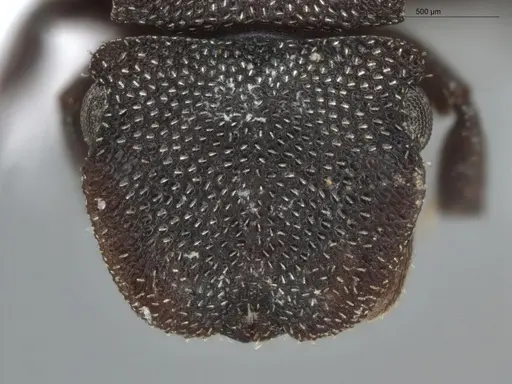
IAVH-E-263295
View on AntWeb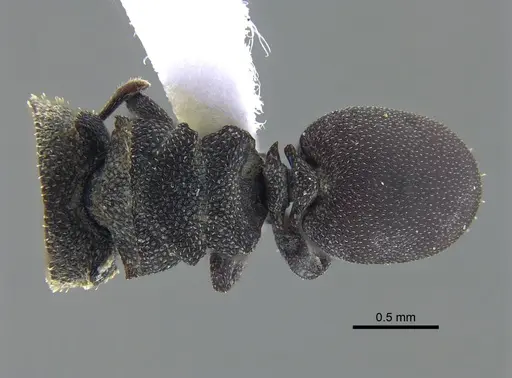
Literature
Loading...Loading products...