

Cephalotes pallidicephalus
- Scientific Name
- Cephalotes pallidicephalus
- Tribe
- Attini
- Subfamily
- Myrmicinae
- Author
- Smith, 1876
- Distribution
- Found in 1 countries
Cephalotes pallidicephalus Overview
Cephalotes pallidicephalus is an ant species of the genus Cephalotes. It is primarily documented in 1 countries , including Brazil. Detailed taxonomic data and occurrence records can be further explored via authoritative databases such as AntWeb or the Global Biodiversity Information Facility (GBIF).
Cephalotes pallidicephalus
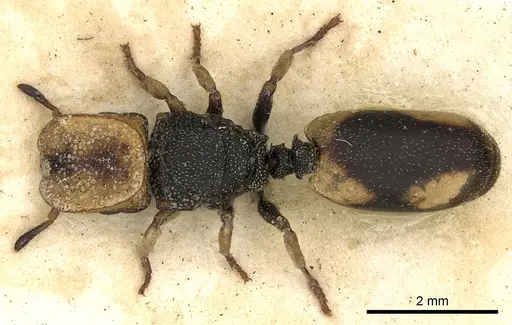
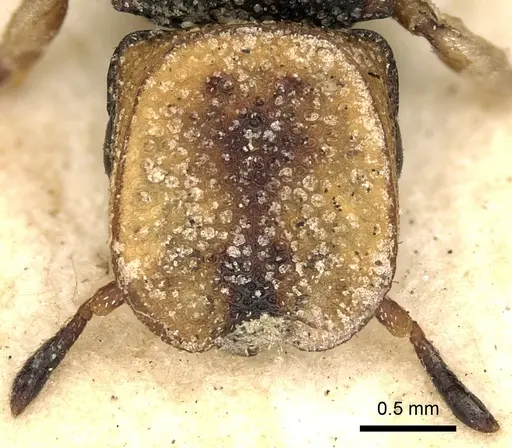
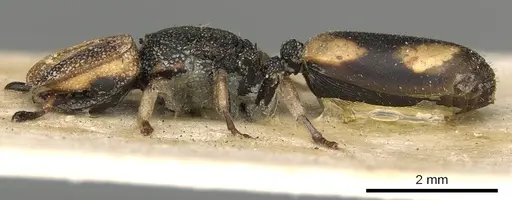
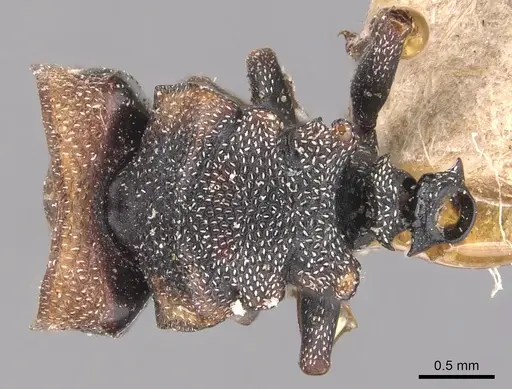
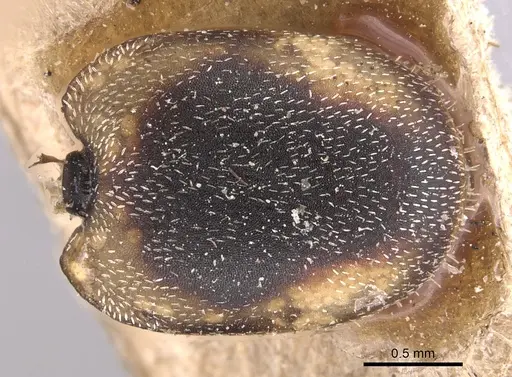
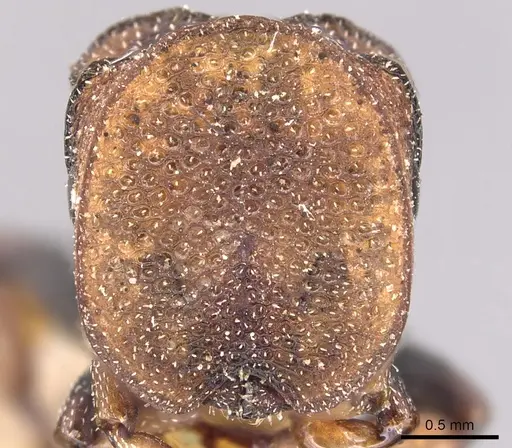
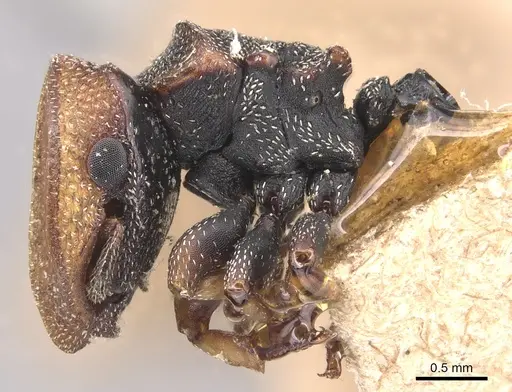
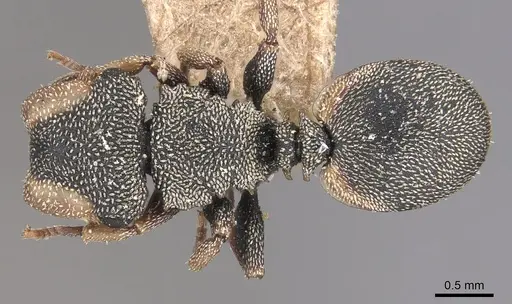
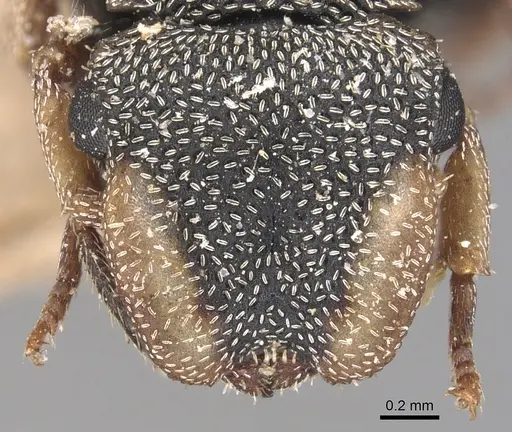
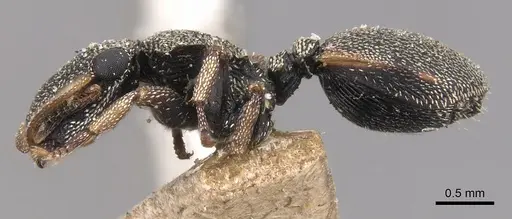
Cephalotes pallidicephalus is a small to medium-sized turtle ant native to South America, primarily found in Brazil and Argentina. Workers measure 3.8-5.2mm with a distinctive black coloration marked by yellowish-brown patterns on the gaster, legs, and edges of the head disc. The species is identified by the thick longitudinal striation on the first gastral sternite of workers, a trait more pronounced than in any other Cephalotes species [1]. Soldiers are larger at 5.3-6.5mm and feature the characteristic flattened head disc that gives turtle ants their name. Queens reach 7.4-8.4mm and have a well-developed head disc similar to soldiers. This species belongs to the angustus clade and was previously known as Cephalotes pallidicephalus before being reclassified.
Quick Summary
- Difficulty: Medium
- Origin & Habitat: Native to South America, primarily central and southern Brazil, with confirmed records in Argentina's Santa Fe province [2][3]. Found in arboreal restinga habitats and post-dune areas at low abundance (0.11% frequency) [4]. The original record from Mexico is considered erroneous as all members of the angustus clade are confined to central and southern South America.
- Colony Type: Colony structure is unconfirmed. Based on genus patterns, likely monogyne (single queen) colonies. No documented ergatoid replacement reproductives for this specific species.
- Size & Growth:
- Queen: 7.4-8.4mm
- Worker: 3.8-5.2mm
- Colony: Unknown, likely under 500 workers based on typical Cephalotes colony sizes
- Growth: Moderate, inferred from genus patterns
- Development: 6-10 weeks (estimated based on related Cephalotes species) (Development time is unconfirmed for this species. Estimates based on typical genus patterns for tropical turtle ants.)
- Antkeeping:
- Temperature: Keep at 24-28°C. As a Tropical Climate Specialist (TCS) species, they prefer warm, stable conditions [3]. A gentle temperature gradient allows workers to regulate their body temperature.
- Humidity: Moderate to high humidity (60-80%). In nature they inhabit arboreal microhabitats in restinga ecosystems, which are relatively humid coastal habitats. Keep nest substrate lightly moist but not waterlogged.
- Diapause: Unlikely, as a tropical species from southern Brazil/Argentina, they likely remain active year-round with possible slowed activity during cooler months. No documented diapause requirement.
- Nesting: In captivity, they do well in Y-tong nests, plaster nests, or naturalistic setups with small chambers scaled to their size. They naturally nest in hollow twigs and branches in arboreal situations. Provide narrow passages and small chambers. Avoid large, open spaces.
- Behavior: Turtle ants are generally peaceful and slow-moving. They are not aggressive and rarely sting. Workers forage primarily for nectar, honeydew, and small prey. Their flattened head disc in soldiers provides defense by blocking nest entrances. They have moderate escape risk due to their small size, use fine mesh barriers. They are arboreal by preference and may not use the ground foraging area as much as ground-nesting species.
- Common Issues: very limited biological data means care recommendations are estimates based on genus patterns, escape prevention is important due to their small worker size, slow colony growth may frustrate beginners expecting rapid development, wild-caught colonies may have parasites or适应 issues, humidity control is critical, too dry causes brood loss, too wet causes mold
Nest Preferences
Cephalotes pallidicephalus naturally nests in hollow twigs, small branches, and occasionally rotting wood in arboreal situations. In captivity, Y-tong (acrylic) nests work well because they provide the narrow chambers and small passages these ants prefer. Plaster nests are also suitable and help maintain humidity. Naturalistic setups with carefully arranged twigs or small-diameter tubes can mimic their natural arboreal nesting sites. The nest should have chambers sized appropriately for their worker size (3.8-5.2mm), passages that are too large may cause stress. They do best with a small outworld connected to the nest, as they are not heavy foragers and prefer staying near their nest site. Keep the nest humid but ensure adequate ventilation to prevent mold buildup. [4]
Feeding and Diet
Like other Cephalotes species, they are omnivorous with a preference for carbohydrate sources. Offer sugar water, honey, or diluted maple syrup as a constant energy source. For protein, provide small insects like fruit flies, small crickets, or mealworms. In their natural restinga habitat, they likely feed on nectar from flowers and honeydew from aphids and scale insects that inhabit coastal vegetation. Feed protein sources 2-3 times per week, and keep sugar water available at all times. Remove uneaten prey after 24-48 hours to prevent mold. They are not aggressive hunters, slow-moving turtle ants prefer easier-to-access food sources like nectar and honeydew substitutes.
Temperature and Care
As a Tropical Climate Specialist (TCS) species, Cephalotes pallidicephalus requires warm conditions to thrive. Maintain temperatures between 24-28°C in the nest area. A heating cable or mat on one side of the nest creates a gentle gradient allowing workers to self-regulate. Avoid temperatures below 20°C for extended periods. Room temperature (around 24-26°C) is often suitable if your home stays in this range. They are from southern Brazil and northern Argentina, a subtropical to tropical region, so they do not require hibernation. Monitor colony activity: workers that consistently cluster near the heated area indicate more warmth is needed, while avoiding heat sources suggests the temperature is too high. [3]
Behavior and Temperament
Turtle ants are among the most peaceful ant species kept in captivity. They move slowly and deliberately, and soldiers use their distinctive head disc to block nest entrances as a defensive mechanism. Workers are not aggressive and rarely attempt to sting. Their slow movement makes them easy to observe, which is one reason they are popular among antkeepers. They are primarily arboreal and will spend most of their time in the nest or exploring the immediate outworld area rather than extensive foraging. This species has moderate escape risk, while not strong climbers, their small size means they can slip through small gaps. Use fine mesh (at least 0.5mm) on all ventilation holes and ensure container lids fit tightly.
Colony Growth Expectations
Cephalotes pallidicephalus is a slow-growing species even by Cephalotes standards. Colony development from founding to first workers likely takes 6-10 weeks under optimal conditions, but this is an estimate based on related species since specific development data does not exist for this species. Colonies probably reach maximum sizes of a few hundred workers over several years. The first workers (nanitics) will be smaller than mature workers. Growth is heavily dependent on temperature and feeding consistency. New keepers should expect patience, significant colony growth may take 1-2 years. Focus on providing consistent warmth, adequate humidity, and regular feeding rather than expecting rapid expansion. [1]
Frequently Asked Questions
How long does it take for Cephalotes pallidicephalus to produce first workers?
The exact timeline is unconfirmed, but based on related Cephalotes species, expect 6-10 weeks from egg to first worker at optimal temperature (24-28°C). This is a slow process, be patient and maintain consistent care conditions.
Can I keep Cephalotes pallidicephalus in a test tube?
Test tubes can work for founding colonies, but turtle ants prefer smaller, more enclosed spaces than many other species. A test tube with a cotton-wick water reservoir can work for the founding stage, but consider moving to a Y-tong or plaster nest once the colony reaches 10-15 workers.
What do Cephalotes pallidicephalus ants eat?
They need a balanced diet of carbohydrates and protein. Provide sugar water, honey, or maple syrup constantly for energy. Offer small insects like fruit flies, pinhead crickets, or small mealworms 2-3 times weekly. Remove uneaten prey after 24 hours.
Are Cephalotes pallidicephalus good for beginners?
They are moderate difficulty, not the easiest but not challenging once basic antkeeping skills are established. Their slow growth and specific temperature/humidity needs require some experience. They are rewarding for keepers who appreciate observing peaceful, interesting ants.
How big do Cephalotes pallidicephalus colonies get?
Colony size is not documented, but based on typical Cephalotes patterns, colonies likely reach a few hundred workers over several years. They are not among the largest turtle ant species.
Do they need hibernation or diapause?
No, as a tropical/subtropical species from southern Brazil and Argentina, they do not require hibernation. They may show slightly reduced activity during cooler months but should be kept warm year-round (24-28°C).
Why are my Cephalotes pallidicephalus dying?
Common causes include: temperatures below 20°C, too dry or too wet conditions, mold from poor ventilation, stress from oversized nest chambers, or poor nutrition. Check temperature first, then humidity. Ensure sugar water is always available and protein is offered regularly.
When should I move them to a formicarium?
Move from a founding setup to a proper nest when the colony reaches 10-20 workers or shows signs of outgrowing the test tube. Y-tong or plaster nests with small chambers work well. They prefer tight spaces appropriate to their body size.
Can I keep multiple queens together?
Colony structure is unconfirmed for this species. Based on typical Cephalotes behavior, single-queen colonies are most common. Combining unrelated queens is not recommended as aggression may occur.
References

This caresheet is licensed under CC BY-SA 4.0 .
Literature
Loading...Loading products...