

Cephalotes opacus
- Scientific Name
- Cephalotes opacus
- Tribe
- Attini
- Subfamily
- Myrmicinae
- Author
- Santschi, 1920
- Distribution
- Found in 5 countries
Cephalotes opacus Overview
Cephalotes opacus is an ant species of the genus Cephalotes. It is primarily documented in 5 countries , including Brazil, Colombia, Ecuador. Detailed taxonomic data and occurrence records can be further explored via authoritative databases such as AntWeb or the Global Biodiversity Information Facility (GBIF).
Cephalotes opacus
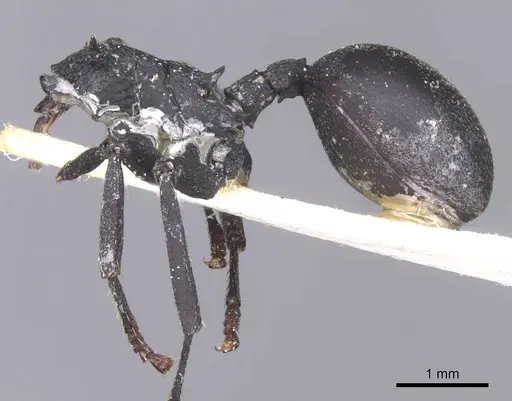
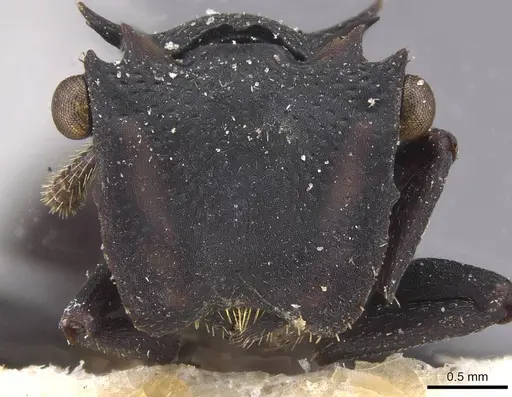
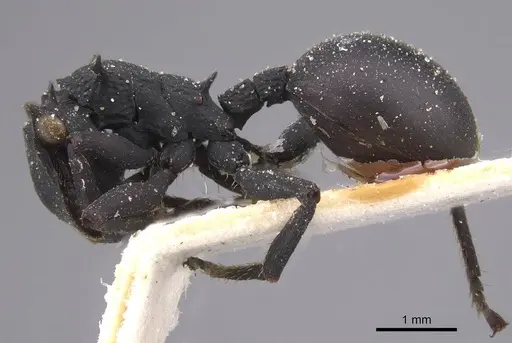
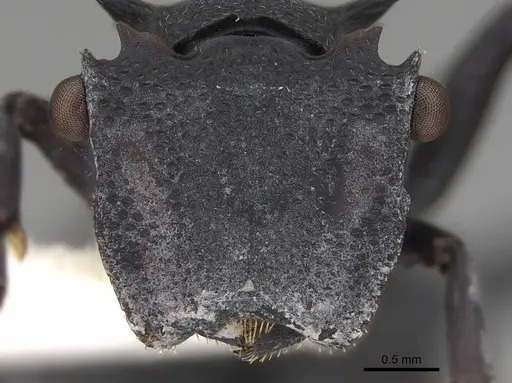
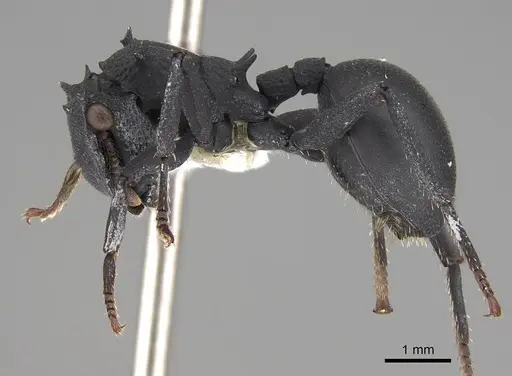
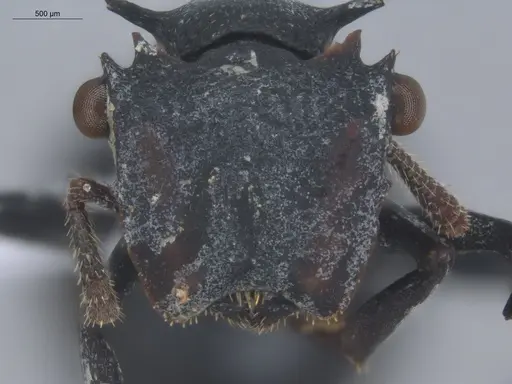
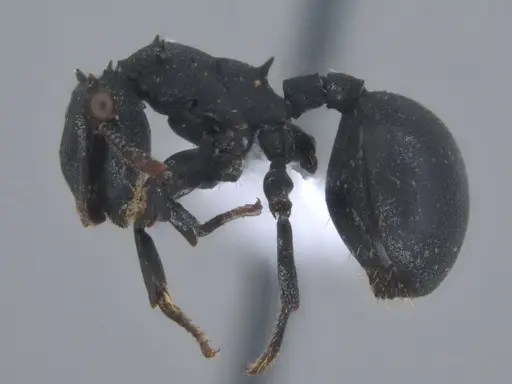
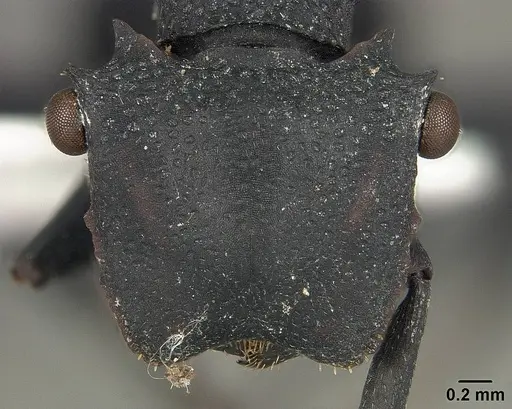
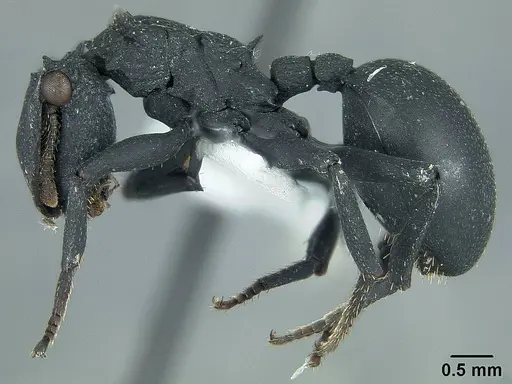
Cephalotes opacus is a Neotropical turtle ant species belonging to the atratus clade, found across northern South America from the Amazon basin to the Orinoco region. Workers are black and relatively small at 6.5-8.7mm, with a distinctive appearance featuring short cylindrical propodeal spines, two pairs of teeth on the vertexal angles, and a gaster with anterior lamellae. Soldiers are significantly larger at 10-11mm with thicker, shorter pronotal spines, while queens reach about 14.5mm. This species nests in hollow twigs and branches in forest canopies, living in both primary and secondary tropical forests at elevations between 50-500m. As a member of the tribe Attini, they are part of the diverse Neotropical turtle ant radiation, though their specific dietary habits within this group are not well documented.
Quick Summary
- Difficulty: Medium
- Origin & Habitat: Neotropical rainforests of South America, found in Bolivia, Brazil, Colombia, Ecuador, French Guiana, Guyana, Peru, Suriname, and Venezuela at elevations of 50-500m [1]. They inhabit both primary forest and secondary growth, living in the canopy and understory [2][3].
- Colony Type: Colony structure is not well documented. Turtle ants (Cephalotes) are typically monogyne with single-queen colonies, though some species in the genus can form polygynous colonies. The presence of soldiers (major workers) indicates polymorphic colony structure with distinct worker castes.
- Colony: Monogyne
- Founding: Claustral
- Size & Growth:
- Queen: 14.52mm
- Worker: 6.56-8.70mm
- Colony: Unknown for this specific species, but related Cephalotes species typically reach several hundred workers. Estimate based on genus: 200-500 workers.
- Growth: Moderate, turtle ants develop relatively slowly compared to some other Myrmicinae
- Development: Estimated 8-12 weeks based on related Cephalotes species development patterns (Development time is not directly studied for this species. Estimates based on typical turtle ant development at tropical temperatures (24-28°C).)
- Antkeeping:
- Temperature: Keep at 24-28°C. As a Neotropical species from lowland rainforests, they need warm, stable temperatures. A gentle gradient allowing them to move between warmer and cooler areas is ideal.
- Humidity: High humidity (70-85%). These forest-dwelling ants need moist conditions. Keep the nest substrate consistently damp but not waterlogged, and provide a water tube for drinking.
- Diapause: No, as a tropical species, they do not require hibernation. However, slight temperature reductions during the dry season may be beneficial if simulating natural cycles.
- Nesting: In captivity, provide nesting options that mimic their natural arboreal habitat. Hollow twigs, bamboo sections, or acrylic nests with narrow chambers work well. They prefer tight, enclosed spaces. A naturalistic setup with dead branches and twigs allows them to establish colonies naturally.
- Behavior: Turtle ants are generally docile and non-aggressive. Workers forage in the vegetation and on the forest floor, while soldiers defend the colony with their enlarged heads. They are not known for stinging and pose no danger to keepers. Their small size (under 10mm for workers) means escape prevention is important, they can squeeze through small gaps. They are relatively slow-moving compared to many ants.
- Common Issues: escape prevention is critical due to their small size, use fine mesh and tight-fitting lids, colonies may be slow to establish, patience is required during founding, wild-caught colonies may harbor parasites that can decimate captive colonies, incorrect humidity (too dry) causes colony decline and death, lack of suitable nesting cavities can stress colonies and prevent growth
Housing and Nest Setup
Cephalotes opacus requires housing that mimics their natural arboreal habitat. In the wild, they nest in hollow twigs, branches, and dead wood in the forest canopy. For captivity, you can use acrylic nests with narrow chambers, Y-tong nests, or naturalistic setups with collected twigs and branches. The key is providing tight, enclosed spaces that these cavity-nesting ants prefer. Test tubes can work for founding colonies if the cotton is packed loosely enough for the queen to move through but tight enough to maintain humidity. For established colonies, consider a formicarium with multiple connected chambers or a naturalistic setup with actual twigs. Ensure the nest area has high humidity while the outworld can be drier. Escape prevention is critical, these small ants can squeeze through surprisingly small gaps, so use fine mesh on all ventilation holes. [2][3]
Feeding and Diet
The dietary requirements of Cephalotes opacus are not well documented in scientific literature. As members of the tribe Attini (turtle ants), they are related to fungus-growing ants, but not all Cephalotes species cultivate fungus. Based on what is known about related turtle ants, they likely feed on a combination of nectar, honeydew from aphids and scale insects, and small insects. Offer sugar water or honey as an energy source, and provide small protein sources like fruit flies, small crickets, or other tiny arthropods. Some Cephalotes species are known to collect and consume pollen. Start with a varied diet and observe what your colony accepts. Remove uneaten food after 24-48 hours to prevent mold issues in the humid environment they require.
Temperature and Humidity Management
As a Neotropical species from lowland Amazonian forests, Cephalotes opacus needs warm and humid conditions. Maintain temperatures between 24-28°C with minimal fluctuations. A heating cable on one side of the nest can create a gentle gradient, allowing the ants to self-regulate their temperature. Humidity should be kept high at 70-85%. This can be achieved by keeping the nest substrate moist (not soaking wet) and providing a water tube. In naturalistic setups, mist the enclosure regularly but allow it to dry slightly between mistings. Poor humidity is one of the most common causes of colony failure with these forest-dwelling ants. Monitor condensation on the nest, if it disappears too quickly, the environment is too dry. [1][2]
Colony Establishment and Growth
Founding queens seal themselves in a small chamber and raise their first brood alone, surviving on stored fat reserves (claustral founding). The first workers, called nanitics, are typically smaller than normal workers. Colony growth is relatively slow compared to many common ant species. A mature colony may reach several hundred workers over several years. The presence of soldiers (majors) with enlarged heads indicates the colony has reached a significant size, as soldiers are typically produced once the colony is well-established. Be patient during the founding phase, disturbing the queen during this critical period can cause colony failure. Once established, these colonies can be long-lived.
Behavior and Defense
Cephalotes opacus is a relatively docile species. Workers are slow-moving and non-aggressive. Their primary defense mechanism is blocking nest entrances with their armored heads, a behavior common to turtle ants. Soldiers, with their enlarged heads, serve as living door guards. They do not have a painful sting and pose no danger to keepers. Workers forage both in the vegetation and on the forest floor, and the species has been recorded in both litter and canopy strata. They are not aggressive toward humans and make relatively calm colony residents. Their main behavioral concern for keepers is their small size making them prone to escape if proper barriers are not in place. [2]
Frequently Asked Questions
How long does it take for Cephalotes opacus to produce first workers?
Expect 8-12 weeks from egg to first worker at optimal temperatures (24-28°C). This is an estimate based on related Cephalotes species, as specific development data for C. opacus is not available. The founding queen will seal herself in and raise the first brood alone.
What do Cephalotes opacus ants eat?
They likely accept sugar sources (honey water, sugar water) and small protein prey like fruit flies, pinhead crickets, and other tiny arthropods. Some related turtle ants also collect pollen. Start with varied offerings and remove uneaten food after 24-48 hours.
Can I keep Cephalotes opacus in a test tube setup?
Yes, test tubes work well for founding colonies. Use a water tube with a cotton barrier that allows the queen to move through while maintaining humidity. Once the colony grows to 20-30 workers, consider moving to a more spacious formicarium or naturalistic setup with twig nesting options.
What temperature and humidity do they need?
Keep them at 24-28°C with humidity at 70-85%. As Neotropical forest ants, they need warm, humid conditions. A water tube for drinking and a moist nest substrate are essential. Avoid temperatures below 20°C or above 32°C.
Are Cephalotes opacus good for beginners?
They are rated as medium difficulty. While not as challenging as some exotic species, they do require specific conditions (high humidity, warm temperatures) that beginners must maintain consistently. Their slow growth and docile nature make them interesting but require patience.
How big do colonies get?
Based on related Cephalotes species, colonies likely reach several hundred workers (estimated 200-500). The development of soldiers indicates a mature colony. Growth is relatively slow, taking several years to reach maximum size.
Do they need hibernation or diapause?
No, as a tropical species they do not require hibernation. They are active year-round in their native range. Slight seasonal temperature variations mimicking natural cycles may be beneficial but are not required.
Why are my ants escaping?
Cephalotes opacus is small (workers are 6.5-8.7mm) and can squeeze through tiny gaps. Use fine mesh (0.5mm or smaller) on all ventilation, ensure lids fit tightly, and apply fluon or other barriers to prevent escapes. Check all connections and seams regularly.
When should I move them to a formicarium?
Move from a test tube setup to a formicarium or naturalistic setup once the colony reaches 20-30 workers and you see the ants actively exploring beyond the test tube. Provide twig-like nesting chambers or actual hollow twigs for them to inhabit.
References

This caresheet is licensed under CC BY-SA 4.0 .
CASENT0217839
View on AntWeb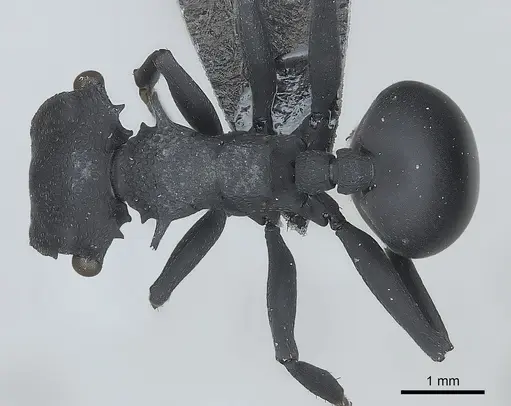
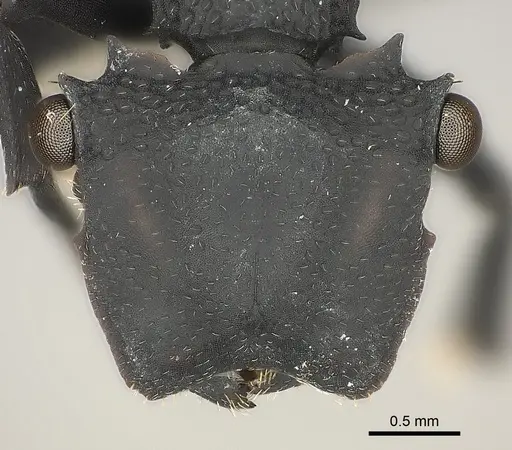
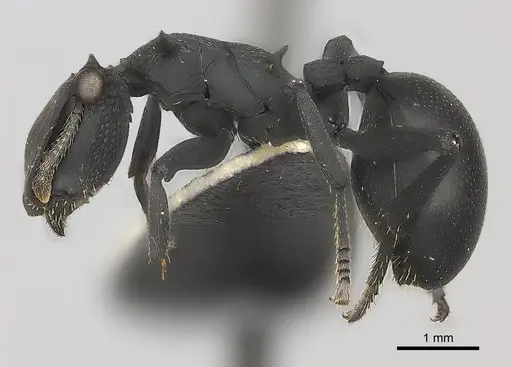
CASENT0912584
View on AntWeb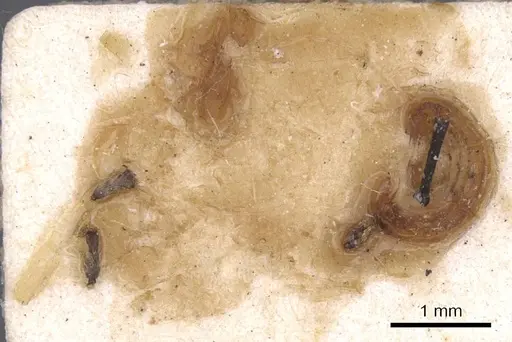
CASENT0912585
View on AntWeb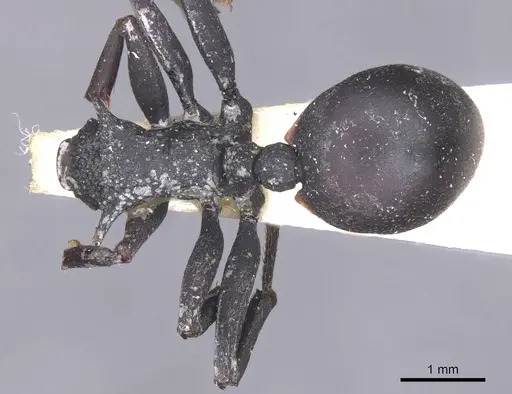
CASENT0915360
View on AntWeb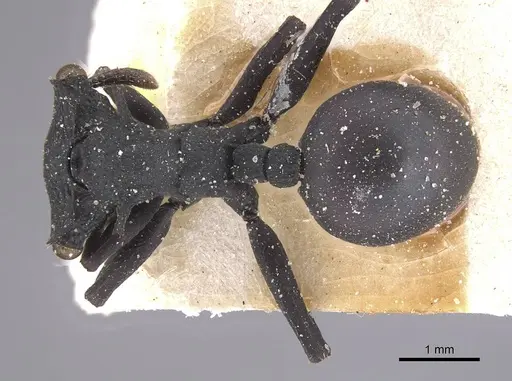
CASENT0922510
View on AntWeb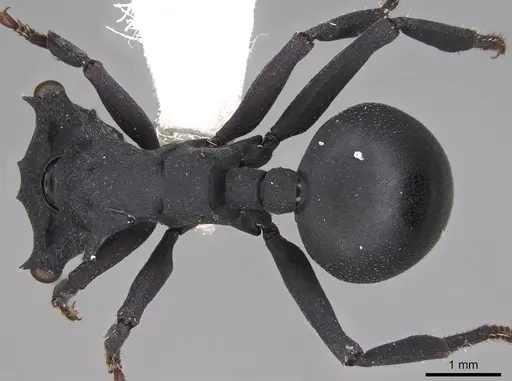
ECOFOG-SL13-1200-08
View on AntWeb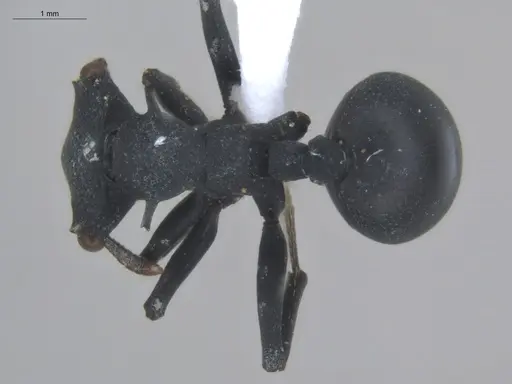
USNMENT01124225
View on AntWeb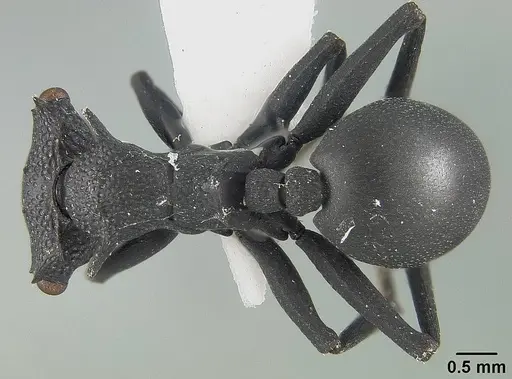
Literature
Loading...Loading products...