

Cephalotes oculatus
- Scientific Name
- Cephalotes oculatus
- Tribe
- Attini
- Subfamily
- Myrmicinae
- Author
- Spinola, 1851
- Distribution
- Found in 1 countries
Cephalotes oculatus Overview
Cephalotes oculatus is an ant species of the genus Cephalotes. It is primarily documented in 1 countries , including Brazil. Detailed taxonomic data and occurrence records can be further explored via authoritative databases such as AntWeb or the Global Biodiversity Information Facility (GBIF).
Cephalotes oculatus
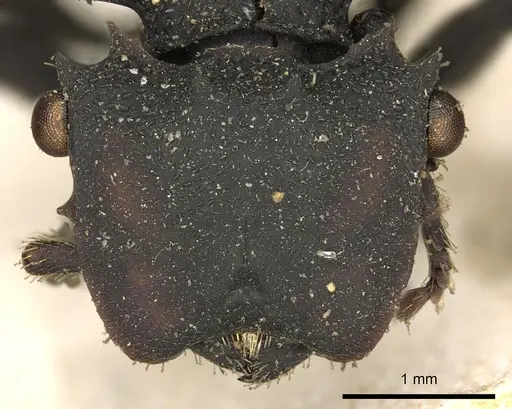
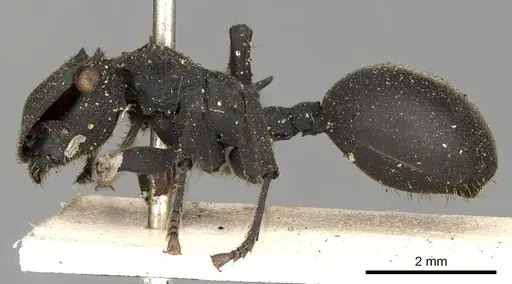
Cephalotes oculatus is a distinctive turtle ant species native to the northern South American rainforests of Brazil, French Guiana, and Peru. Workers are medium-sized ants measuring 7.8-8.7mm with the characteristic broad, flattened head that gives the genus its common name. They belong to the atratus species group and are identified by their notably wide interocular distance and clearly marginated propodeum and mesonotum [1]. Queens are substantially larger at nearly 14mm, while males reach 8.6-8.8mm [1]. This species remains poorly studied in the wild, with essentially no documented biology or behavior in captivity. The genus Cephalotes is known for their arboreal lifestyle and specialized nest-guarding workers that use their shield-like heads to block nest entrances.
Quick Summary
- Difficulty: Expert
- Origin & Habitat: Tropical rainforests of northern South America, specifically Brazil (Pará region), French Guiana, and Peru (Madre de Dios). Found in primary forest environments including logged and burnt forest areas [2][3][1].
- Colony Type: Colony structure is unconfirmed. Like other Cephalotes species, they likely form single-queen colonies in tree hollows and branches, but no specific data exists for this species.
- Size & Growth:
- Queen: 13.94 mm [1]
- Worker: 7.76-8.68 mm [1]
- Colony: Unknown, no colony size data available for this species
- Growth: Unknown, no development data available
- Development: Unknown, no direct development data exists for this species. Based on typical Cephalotes patterns and tropical ant development, estimate 6-10 weeks at optimal temperature, but this is a rough guess. (Development timeline has not been studied. Estimate based on genus-level patterns for tropical Myrmicinae.)
- Antkeeping:
- Temperature: As a tropical species from the Amazon basin, keep them warm at 24-28°C. This is an estimate based on habitat, they come from warm, humid tropical forests in Pará, Brazil and Peru. Provide a gentle temperature gradient so ants can choose their preferred spot.
- Humidity: High humidity is essential, think tropical rainforest. Keep nest substrate consistently moist but not waterlogged. Provide a water tube as a humidity source. Mist the outworld occasionally. Avoid dry conditions entirely.
- Diapause: No, this is a tropical species from the Amazon basin. They do not require hibernation or winter rest. Keep them at warm, stable temperatures year-round.
- Nesting: Arboreal nesters in nature, they nest in hollow twigs, branches, and tree cavities. In captivity, use a naturalistic setup with cork bark, twigs, or a Y-tong/plaster nest designed for arboreal species. Provide narrow chambers and multiple cavities. They do well in setups that mimic their natural tree-nesting habitat.
- Behavior: Turtle ants are generally docile and non-aggressive. They are known for their liquid feeding habits, they consume nectar, honeydew, and other sugar sources through their specialized mouthparts [4]. Workers have shield-like heads that can block nest entrances, a defensive adaptation. They are relatively slow-moving compared to many ants. Escape risk is moderate, they are not particularly small but can climb well. Ensure your setup has barriers. They are arboreal and will explore upward spaces.
- Common Issues: no biological data exists, everything about keeping this species is speculative and experimental, tropical humidity requirements make them prone to mold in poorly ventilated setups, arboreal nesting means standard test tube setups may not be appropriate, very rare in the antkeeping hobby, finding colony founders is extremely difficult, slow growth combined with unknown requirements leads to high colony failure rates
Nest Preferences and Housing
Cephalotes oculatus is an arboreal species that naturally nests in hollow twigs, branches, and tree cavities in tropical rainforests. In captivity, you should replicate this arboreal habitat rather than using typical underground nest setups. A naturalistic setup with cork bark, artificial twigs, or a Y-tong nest with narrow chambers works well. The key is providing vertical spaces and multiple small cavities that mimic tree hollows. Avoid deep soil-based formicariums, these do not match their natural nesting preferences. Some keepers have success with acrylic nests designed for arboreal species, but ensure the chambers are appropriately sized for their 8mm workers. Provide climbing structures in the outworld since they naturally traverse vertical surfaces.
Feeding and Diet
Like other Cephalotes species, C. oculatus has specialized liquid-feeding mouthparts designed for consuming nectar, honeydew, and other sugar-rich liquids [4]. They are not active predators like some Myrmicinae. In captivity, offer sugar water, honey water, or diluted maple syrup as a constant food source. They may also accept small pieces of fruit. Protein requirements are likely modest, offer small amounts of crushed insects occasionally. Do not expect them to hunt large prey. The 2004 study by Davidson et al. confirms positive liquid-feeding performance in the genus, meaning they are efficient at consuming liquid foods but may struggle with solid particles. Feed sugar sources consistently and supplement with tiny insect pieces.
Temperature and Humidity Requirements
This species comes from the Amazon basin in Brazil and Peru, a warm, humid tropical environment. Keep temperatures in the range of 24-28°C. Lower temperatures will likely slow activity and potentially harm brood development. Provide a gentle temperature gradient so workers can self-regulate. Humidity is critical, maintain high humidity levels of 70-80% or higher. Use a water tube attached to the nest and mist the outworld regularly. The substrate or nest material should feel consistently damp but never waterlogged. Poor humidity leads to colony decline. Given their arboreal nature, they are adapted to humid microclimates inside tree hollows, not dry conditions. Never let the nest dry out.
Behavior and Colony Dynamics
Cephalotes ants are known for their docile temperament and unique defensive adaptations. Workers have a shield-like head that can be used to block nest entrances, this is where the 'turtle' name comes from. They are not aggressive and rarely sting. Colonies are likely moderate in size based on genus patterns, but no specific data exists for this species. Workers are relatively slow-moving and spend considerable time tending to queen and brood. They are arboreal foragers, so they will explore upward spaces in the outworld. The genus is known for liquid food consumption rather than active hunting. Expect moderate activity levels, not as frantic as some ants, but active enough to maintain the colony.
Challenges and Expert-Level Care
Cephalotes oculatus is an expert-level species primarily because absolutely no captive biology data exists, everything about keeping this species is experimental inference from genus-level patterns. The AntWiki explicitly states that nothing is known about the biology of this specific species. This means you will be pioneering captive husbandry with no established protocols. Challenges include: finding mated queens (they are extremely rare in the hobby), replicating their arboreal nesting requirements, maintaining the high humidity they need without causing mold, and determining acceptable food types through trial and error. Expect high failure rates. Only experienced antkeepers should attempt this species, and only if they have access to wild-caught queens or established colonies.
Frequently Asked Questions
How long does it take for Cephalotes oculatus to develop from egg to worker?
Unknown, no development data exists for this species. Based on typical Cephalotes and other tropical Myrmicinae patterns, estimate 6-10 weeks at optimal temperature (around 26°C), but this is a rough guess. You will likely be the first to document actual development times.
What do Cephalotes oculatus ants eat?
Like other Cephalotes species, they are specialized liquid feeders. Offer sugar water, honey water, or maple syrup constantly. They may accept tiny insect pieces but are not active hunters. The genus is known for efficient liquid consumption through their specialized mouthparts.
Can I keep Cephalotes oculatus in a test tube setup?
Not ideal, they are arboreal ants that naturally nest in hollow twigs and tree cavities. A test tube may not provide appropriate conditions. A naturalistic setup with cork bark or a Y-tong/plaster nest designed for arboreal species is more appropriate.
What temperature should I keep Cephalotes oculatus at?
Keep them warm at 24-28°C. This is a tropical Amazon species from Brazil and Peru, so they need warm, stable temperatures year-round. Do not let temperatures drop below about 22°C.
Are Cephalotes oculatus good for beginners?
No, this is an expert-level species. The AntWiki states that nothing is known about the biology of this species, meaning there are no established care protocols. Only experienced antkeepers should attempt this, and only with access to wild-caught queens.
How big do Cephalotes oculatus colonies get?
Unknown, no colony size data exists for this species. Based on genus patterns, colonies are likely moderate-sized (a few hundred workers), but this is an estimate.
Do Cephalotes oculatus need hibernation?
No, this is a tropical species from the Amazon basin. They do not require hibernation or winter rest. Keep them warm and active year-round.
Where does Cephalotes oculatus live in the wild?
They are found in tropical rainforests of northern South America, specifically Brazil (Pará state), French Guiana, and Peru (Madre de Dios region). They have been recorded in primary forest and logged forest areas.
How do I start a Cephalotes oculatus colony?
Since this species is extremely rare in the antkeeping hobby, you would need to find a wild-caught mated queen. Founding behavior is unconfirmed but likely claustral like other Cephalotes, the queen seals herself in and lives off stored fat. Provide a small artificial cavity (like a small test tube or artificial nest chamber) in a humid, warm location and wait for eggs to appear.
References

This caresheet is licensed under CC BY-SA 4.0 .
CASENT0900232
View on AntWeb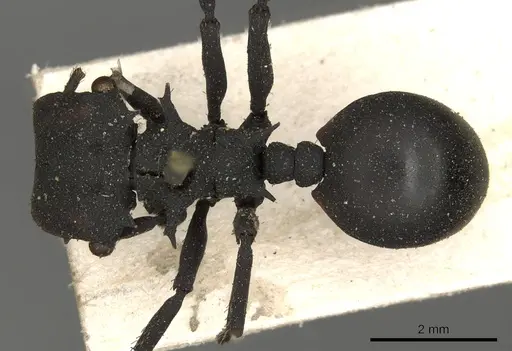
Literature
Loading...Loading products...