

Cephalotes notatus
- Scientific Name
- Cephalotes notatus
- Tribe
- Attini
- Subfamily
- Myrmicinae
- Author
- Mayr, 1866
- Distribution
- Found in 1 countries
Cephalotes notatus Overview
Cephalotes notatus is an ant species of the genus Cephalotes. It is primarily documented in 1 countries , including Brazil. Detailed taxonomic data and occurrence records can be further explored via authoritative databases such as AntWeb or the Global Biodiversity Information Facility (GBIF).
Cephalotes notatus
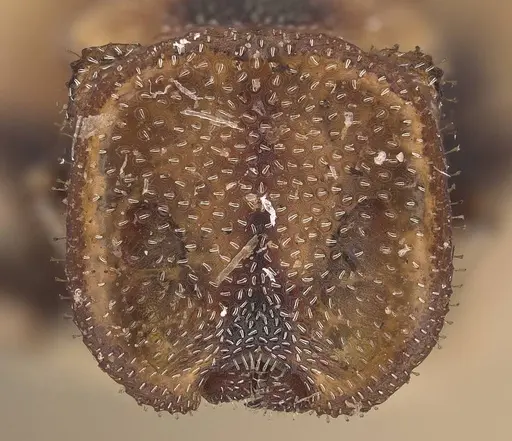
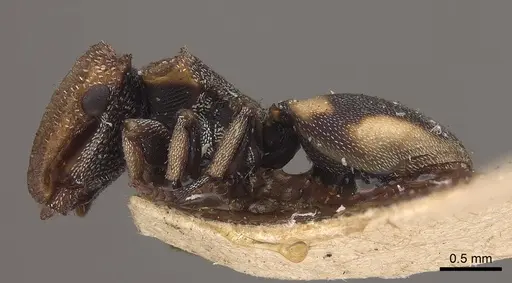
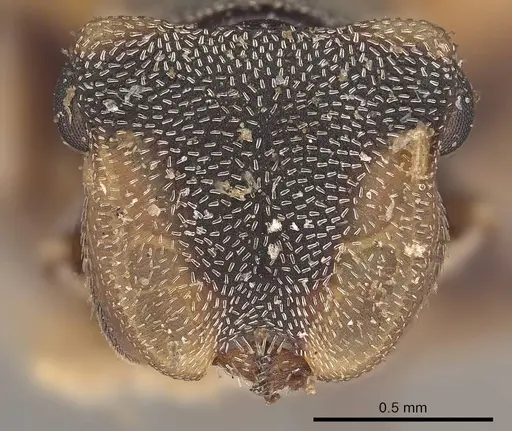
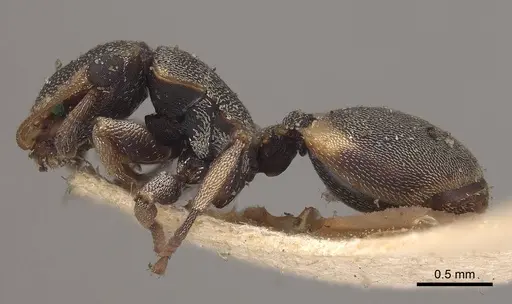
Cephalotes notatus is a small to medium-sized ant species native to Brazil, belonging to the genus Cephalotes, commonly known as turtle ants. Workers measure 3.7-4.6mm, soldiers 5.0-6.3mm, and queens 7.6-8.3mm [1]. The genus gets its common name from the distinctive flattened, disc-like head shape that resembles a turtle's shell. Workers are primarily black with ferruginous (rust-colored) markings on the mandibles, antennae, and leg tips. The soldier caste has a remarkably enlarged head with a deeply excavated cephalic disc used for blocking nest entrances, a classic turtle ant defensive adaptation [1]. This species is a member of the Cephalotes genus, which is known for their arboreal lifestyle and specialized nesting in hollow twigs and branches in Neotropical forests [1].
Quick Summary
- Difficulty: Medium
- Origin & Habitat: Brazil (Neotropical region). Found in forest habitats, particularly in the Atlantic Forest region of São Paulo state. They are arboreal ants that nest in hollow twigs, dead branches, and tree cavities in tropical and subtropical forests [1][2].
- Colony Type: Colony structure is unconfirmed for this species. Most Cephalotes species are monogyne (single queen), but colony structure specifically for C. notatus has not been documented [1].
- Size & Growth:
- Queen: 7.6-8.3mm [1]
- Worker: 3.7-4.6mm [1]
- Colony: Unknown, no colony size data exists for this species. Based on related Cephalotes species, colonies likely reach several hundred workers [1].
- Growth: Unknown, no development data exists for this species. Based on genus patterns, expect moderate growth [1].
- Development: Unknown, no direct measurements exist. Based on typical Cephalotes patterns and tropical Myrmicinae, estimate 6-10 weeks at optimal temperature [1]. (No specific development data exists for this species. Estimates based on genus-level patterns for similar turtle ants.)
- Antkeeping:
- Temperature: Keep around 24-28°C. As a Brazilian tropical species, they prefer warm conditions. Room temperature (24-26°C) is typically suitable. Avoid temperatures below 20°C [1].
- Humidity: Moderate to high humidity (60-80%). These are forest-dwelling ants that benefit from some moisture. Keep nest substrate slightly moist but not waterlogged [1].
- Diapause: Unknown, no specific data. As a tropical species from Brazil, they likely do not require a true hibernation but may have reduced activity during cooler periods [1].
- Nesting: Arboreal nesting specialists. In captivity, they do well in Y-tong (AAC) nests, plaster nests, or naturalistic setups with twigs/branches. They prefer narrow chambers that mimic their natural hollow twig nesting sites. Avoid large, open spaces, tight chambers scaled to their body size work best [1].
- Behavior: Turtle ants are generally calm and non-aggressive. They are arboreal foragers, often foraging on trees and shrubs. The soldier caste uses its enlarged head as a living door to block nest entrances, when disturbed, soldiers wedge themselves into the colony entrance [1]. Workers are small but capable of minor bites. Escape risk is moderate due to their small worker size, use standard barrier methods. They are not known for stinging [1].
- Common Issues: very limited biological data means care recommendations are largely inferred from genus patterns rather than species-specific research, no documented founding behavior, assume claustral (queen seals herself in) based on typical Cephalotes patterns, colony size and growth rate are unknown, making it difficult to plan for future housing needs, wild-caught colonies may be stressed from their natural habitat and difficult to establish, tropical species may be sensitive to temperature drops, avoid cool locations
Housing and Nest Setup
Cephalotes notatus is an arboreal species that naturally nests in hollow twigs, dead branches, and tree cavities. In captivity, provide nest setups that mimic these conditions. Y-tong (AAC) nests work well because they have narrow, tight chambers that these ants prefer. Plaster nests are another good option as they allow you to create appropriately scaled tunnels. Naturalistic setups with actual twigs or branches can also work but require more management. The key is providing chambers that are snug around the ants, they feel secure in tight spaces. A small outworld for foraging completes the setup. Ensure escape prevention is adequate, though these ants are not particularly aggressive escape artists like some Myrmicinae [1].
Feeding and Diet
The tribe Attini includes fungus-growing ants, but Cephalotes species are not all cultivators, many are generalist foragers. Feed C. notatus a varied diet including sugar sources (honey water, sugar water) and protein (small insects like fruit flies, pinhead crickets, mealworms). They likely forage for honeydew and small arthropods in the wild. Offer protein foods 2-3 times per week and keep a sugar source available at all times. Remove uneaten food after 24-48 hours to prevent mold. Since this species' specific diet has not been documented, start with standard ant fare and adjust based on what your colony accepts [1].
Temperature and Seasonal Care
As a Brazilian tropical species, Cephalotes notatus prefers warm conditions. Keep the nest area at 24-28°C. Room temperature in most homes is typically suitable. Avoid placing the colony near cold windows or air conditioning vents. Since no specific diapause data exists for this species, do not force a hibernation, tropical ants often simply reduce activity slightly during cooler months rather than entering true dormancy. Monitor your colony's activity levels and adjust temperature accordingly. If workers become sluggish and cluster together, the colony may be too cool [1].
Behavior and Colony Dynamics
The most distinctive behavioral trait of Cephalotes ants is the soldier's door-keeping behavior. Soldiers have massively enlarged heads that perfectly block the nest entrance. When foraging workers return or when the colony is disturbed, soldiers position themselves as living doors. This is a passive defense, they wedge into the entrance and cannot be easily dislodged. Workers are generally calm and not aggressive toward keepers. They can bite but their small size makes this barely noticeable. The colony will establish a foraging pattern in the outworld. Queens are relatively large (7-8mm) and should be given appropriate founding chambers [1].
Acquiring and Establishing a Colony
Cephalotes notatus is not commonly available in the antkeeping hobby, and wild colonies may be difficult to locate. If you obtain a colony, it may be stressed from capture and transport. Provide a quiet, stable environment during the establishment period. Ensure the nest has appropriate humidity and temperature before introducing the colony. Founding colonies (queen with workers) should be given minimal disturbance until the first brood develops. Given the lack of species-specific biology, be prepared to make adjustments based on how your colony responds. Starting with standard Cephalotes care and fine-tuning based on observation is the best approach for this poorly studied species [1][3].
Frequently Asked Questions
How long does it take for Cephalotes notatus to develop from egg to worker?
The exact timeline is unknown, no development data exists for this species. Based on typical Cephalotes and tropical Myrmicinae patterns, expect approximately 6-10 weeks from egg to first worker at optimal temperature (around 26°C). This is an estimate based on genus-level patterns, not species-specific research [1].
What do Cephalotes notatus ants eat?
They likely accept a standard ant diet including sugar water or honey and small protein sources like fruit flies, pinhead crickets, or mealworms. No specific dietary studies exist for this species, but related Cephalotes are generalist foragers. Offer protein 2-3 times per week and keep sugar water available constantly [1].
What temperature do Cephalotes notatus need?
Keep them warm at 24-28°C. This Brazilian tropical species prefers warm conditions. Room temperature is typically suitable. Avoid temperatures below 20°C [1].
Are Cephalotes notatus good for beginners?
This species is not ideal for beginners primarily because almost no species-specific care information exists. The biology is completely unstudied, so you will be relying on genus-level inferences. Additionally, they may be difficult to acquire. Experienced antkeepers interested in unusual species may find the challenge worthwhile [1].
How big do Cephalotes notatus colonies get?
Colony size is unknown, no colony data exists for this species. Based on related Cephalotes species, colonies likely reach several hundred workers. They are not among the largest Cephalotes species [1].
Do Cephalotes notatus need hibernation?
No specific data exists, but as a Brazilian tropical species, they likely do not require true hibernation. They may reduce activity during cooler periods but should be kept at warm temperatures year-round (24-28°C) [1].
Can I keep multiple queens together?
Colony structure is unconfirmed for this species. Most Cephalotes are monogyne (single queen), but specific data for C. notatus does not exist. Do not combine unrelated queens unless you have specific evidence this species accepts multiple queens [1].
Where is Cephalotes notatus found?
This species is native to Brazil, specifically the Atlantic Forest region in São Paulo state. It is a Neotropical species found in tropical and subtropical forest habitats [1][2].
References

This caresheet is licensed under CC BY-SA 4.0 .
CASENT0919600
View on AntWeb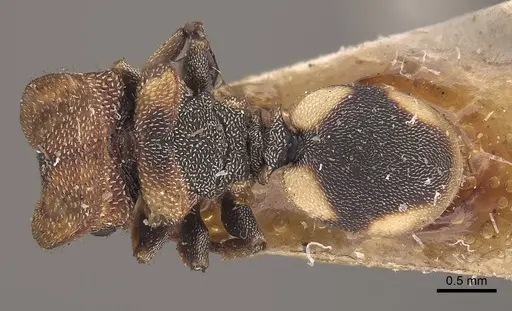
CASENT0919601
View on AntWeb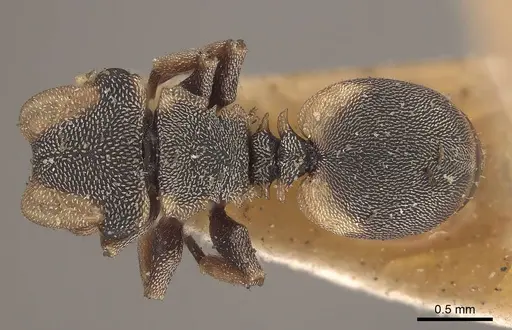
Literature
Loading...Loading products...