

Cephalotes multispinosus
- Scientific Name
- Cephalotes multispinosus
- Tribe
- Attini
- Subfamily
- Myrmicinae
- Author
- Norton, 1868
- Distribution
- Found in 7 countries
Cephalotes multispinosus Overview
Cephalotes multispinosus is an ant species of the genus Cephalotes. It is primarily documented in 7 countries , including Belize, Colombia, Costa Rica. Detailed taxonomic data and occurrence records can be further explored via authoritative databases such as AntWeb or the Global Biodiversity Information Facility (GBIF).
Cephalotes multispinosus
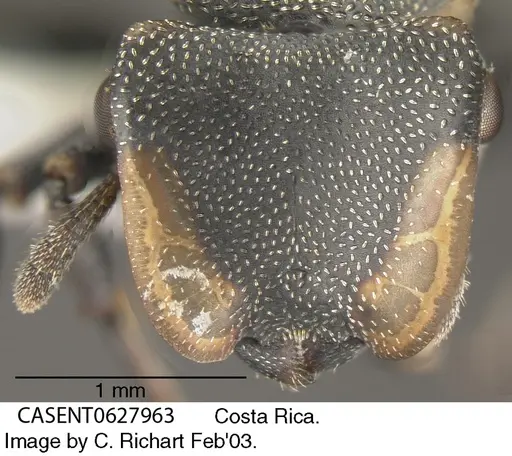
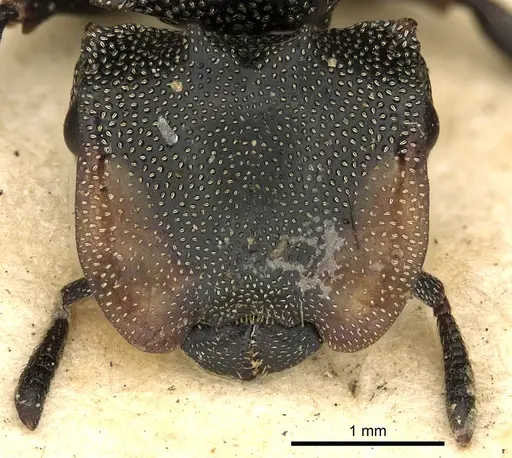
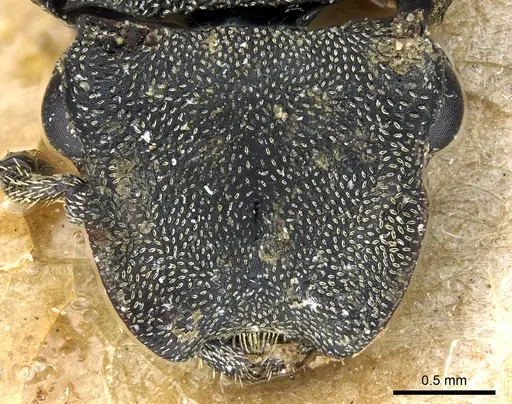
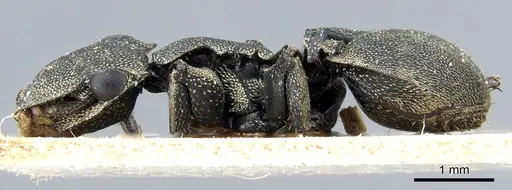
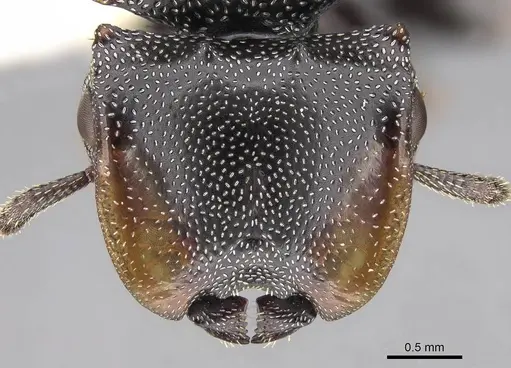
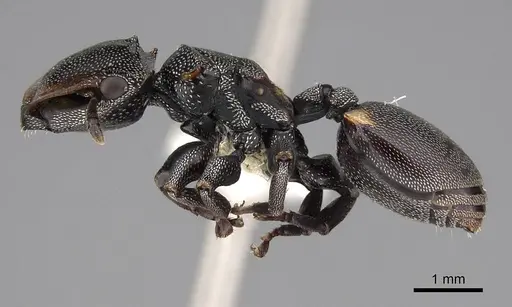
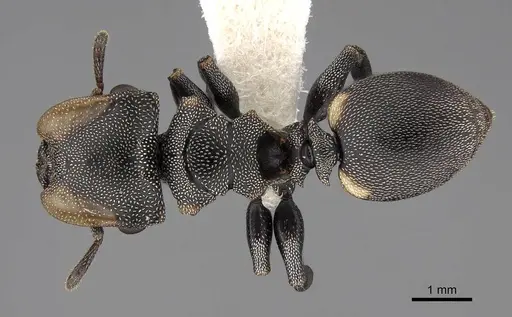
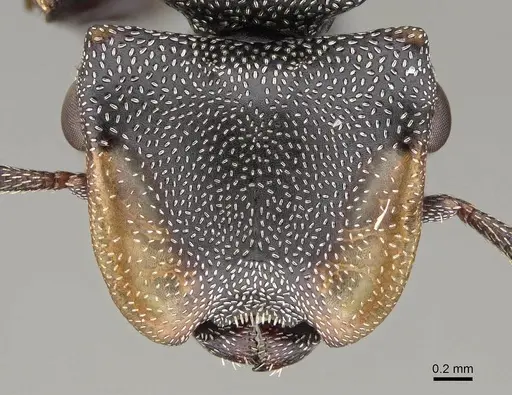
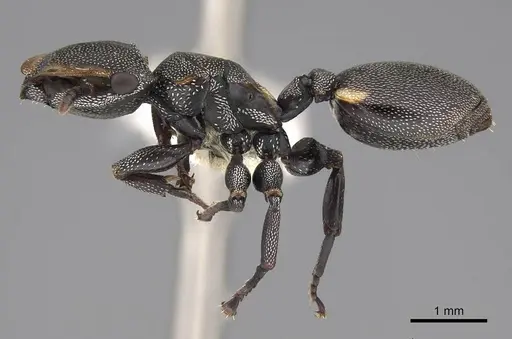
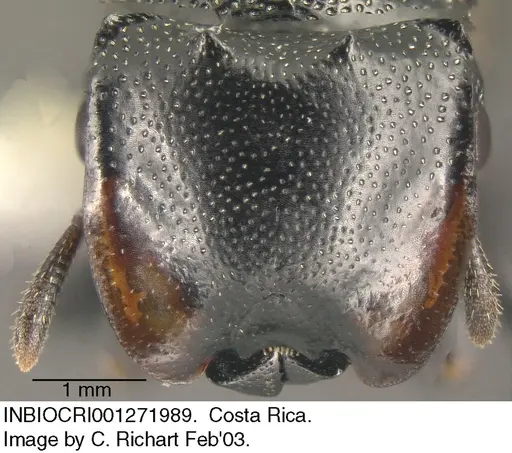
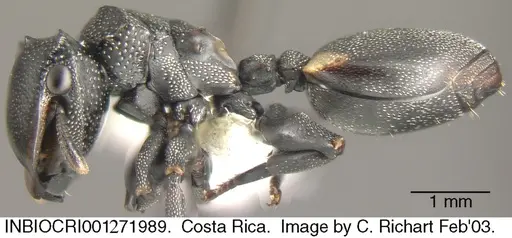
Cephalotes multispinosus is a striking arboreal ant found throughout Central America, from Mexico down to Panama. Workers measure 5-6mm with a distinctive flattened, broad body shape typical of turtle ants. They are mostly black with contrasting yellow to orange markings on their frontal carinae, propodeal lamellae, and gaster, giving them a somewhat armored appearance. Soldiers are larger at 7-8mm and feature a partially developed cephalic disc. Queens reach about 11mm. This species belongs to the multispinosus clade and is known for its strong chemical defenses, workers emit a very noticeable odor when handled [1]. They inhabit tropical forests where they nest in tree hollows and rotting twigs high above the forest floor.
Quick Summary
- Difficulty: Medium
- Origin & Habitat: Tropical forests of Central America, Mexico, Guatemala, Costa Rica, Honduras, Nicaragua, and Panama [2][3]. They are arboreal, nesting in tree cavities and hollow twigs in the forest canopy.
- Colony Type: Likely monogyne (single queen) based on typical Cephalotes patterns. Colony size is estimated at several hundred workers based on related species.
- Colony: Monogyne
- Founding: Claustral
- Size & Growth:
- Queen: 11.34mm [2]
- Worker: 5.10-6.00mm [2]
- Colony: Estimated several hundred workers based on genus patterns
- Growth: Moderate
- Development: Estimated 6-10 weeks at tropical temperatures based on related Cephalotes species (Development time is inferred from genus patterns as specific data for this species is not available)
- Antkeeping:
- Temperature: Keep at 24-28°C (warm tropical conditions). A temperature gradient allows ants to regulate their exposure to heat.
- Humidity: Moderate to high humidity (60-80%). Provide moisture through damp nesting materials while ensuring good ventilation to prevent mold.
- Diapause: No, as a tropical species, they do not require hibernation. Maintain consistent warm temperatures year-round.
- Nesting: Arboreal setup is essential. Use vertical or angled nests that mimic tree hollows, acrylic nests with narrow chambers, wooden setups, or custom arboreal formicaria. Provide access to the outworld via branches or tubes.
- Behavior: Turtle ants are generally calm but possess potent chemical defenses. When threatened, workers release chemicals from their gaster or mouth region as a primary defense [1]. They are not aggressive toward humans but will defend their nest vigorously. Workers are slow-moving compared to many ants. They are excellent climbers and may escape if given the opportunity, use barrier gel or fluon on edges. Their flattened body shape helps them navigate narrow passages in tree bark and twigs.
- Common Issues: escape prevention is critical, they are excellent climbers and will find any gap, strong chemical odor when handled may be unpleasant to keepers, arboreal nesting requirements differ from typical ground-nesting ants, standard test tube setups may not work well, wild-caught colonies may be stressed from their arboreal habitat and difficult to establish, maintaining proper humidity without causing mold requires careful balance in arboreal setups
Housing and Nest Setup
Cephalotes multispinosus requires an arboreal-focused setup rather than traditional ground-nesting arrangements. These ants naturally live in tree hollows and rotting twigs in the forest canopy, so your captive setup should mimic this. Vertical acrylic nests work well, as do wooden formicaria with narrow chambers that match their natural tree-cavity homes. The chambers should be relatively flat and wide to accommodate their flattened body shape. Connect the nest to an outworld using tubing, and consider adding vertical elements like branches or cork bark for foragers to traverse. Because they are arboreal, they prefer having their nest elevated rather than sitting on the ground. Ensure the nest has adequate ventilation while maintaining humidity, this species does well with moderate moisture but suffers in stagnant, overly wet conditions that promote mold. [2]
Feeding and Diet
Like other Cephalotes species, C. multispinosus likely has a varied diet typical of arboreal ants, they probably feed on nectar, honeydew from sap-sucking insects, and small insects they can capture. In captivity, offer sugar water or honey as a constant energy source. For protein, provide small insects like fruit flies, small crickets, or mealworms. Unlike some specialized predators, they are likely generalists accepting a variety of foods. Feed them small prey items a few times per week, removing any uneaten food promptly to prevent mold. Sugar water should be available at all times, refreshed every few days. Observe your colony's preferences, some turtle ant colonies are more enthusiastic about certain foods than others.
Temperature and Humidity
As a tropical species from Central America, C. multispinosus needs warm, stable conditions. Maintain temperatures between 24-28°C (75-82°F), this mimics their natural canopy environment in tropical forests. A slight temperature gradient is beneficial so workers can choose their preferred warmth. For humidity, aim for 60-80% relative humidity. In arboreal setups, you can achieve this by misting the nest occasionally and using damp (but not wet) nesting materials. Good ventilation is crucial, avoid sealed setups that trap stale air. Unlike temperate species, they do not require any diapause or winter cooling period. Keep them warm year-round and avoid exposing them to temperatures below 20°C, which could stress or kill them. [2]
Behavior and Defense
Cephalotes multispinosus workers have a notable defensive characteristic: they emit a very strong odor when handled or threatened [1]. This chemical defense is their primary method of protection, released from either the gaster (abdomen) or oral region. While they are not aggressive toward keepers and won't bite or sting, disturbing their nest will result in a noticeable smell and likely a flurry of defensive chemical release. The soldiers, with their larger size and partially developed cephalic disc, likely serve a defensive role within the colony. Workers move somewhat slowly compared to many ant species, which is typical of the flattened turtle ant body form. When caring for this species, minimize nest disturbances to avoid triggering their chemical defenses repeatedly.
Colony Establishment
Establishing a colony of C. multispinosus can be challenging because they are arboreal and wild colonies are difficult to locate and capture. If you obtain a founding queen, she will need an appropriate arboreal-style founding chamber, a small vertical space that she can seal herself into, mimicking a tree cavity. The queen should be kept warm (around 26°C) and humid but not wet. Once workers emerge, they will need access to an outworld and should be fed small prey and sugar water. Colonies grow at a moderate pace. Wild-caught colonies may experience significant stress from capture and relocation, so be patient during the establishment phase. Providing a naturalistic setup with cork bark and vertical elements helps them feel secure.
Frequently Asked Questions
Can I keep Cephalotes multispinosus in a test tube setup?
Standard test tubes are not ideal for this arboreal species. They prefer vertical, flattened chambers that mimic tree hollows. Use a vertical acrylic nest or wooden formicarium instead, with chambers sized to their flattened body shape.
How long does it take for the first workers to emerge?
Based on related Cephalotes species, expect first workers (nanitics) approximately 6-10 weeks after the queen lays eggs, assuming warm tropical temperatures around 26°C.
Are Cephalotes multispinosus good for beginners?
This species is rated as medium difficulty. While not the hardest species, their arboreal nesting requirements and need for warm, stable tropical conditions make them better suited for keepers with some experience. Their strong chemical odor when disturbed is also something to consider.
Do I need to hibernate Cephalotes multispinosus?
No. As a tropical species from Central America, they do not require hibernation or any cooling period. Keep them warm year-round at 24-28°C.
How big do colonies get?
Based on related Cephalotes species, colonies likely reach several hundred workers at maturity. Specific colony size data for this species is not available.
Can I keep multiple queens together?
This is not recommended. While colony structure is not fully confirmed, Cephalotes species typically form single-queen colonies. Combining unrelated queens has not been documented and would likely result in aggression.
Why do my ants smell strong when I handle them?
This is normal behavior for Cephalotes multispinosus. Workers have very strong odor as a primary defense mechanism [1]. This is not something you can train away, it's an innate defensive response. Minimize disturbing the nest to avoid triggering it.
What do Cephalotes multispinosus eat?
They likely accept a varied diet including sugar sources (honey or sugar water) and small protein prey like fruit flies, small crickets, or mealworms. This is based on typical Cephalotes feeding patterns.
When should I move them to a formicarium?
Move them when the colony reaches around 20-30 workers and the test tube or founding setup becomes crowded. For arboreal species like this, ensure the new setup provides vertical space and appropriate chamber dimensions for their flattened body shape.
Are these ants aggressive?
They are not particularly aggressive toward humans but will defend their nest using chemical defenses. They are calm and slow-moving, not prone to charging or biting. The main concern is the strong odor they release when threatened.
References

This caresheet is licensed under CC BY-SA 4.0 .
CASENT0627963
View on AntWeb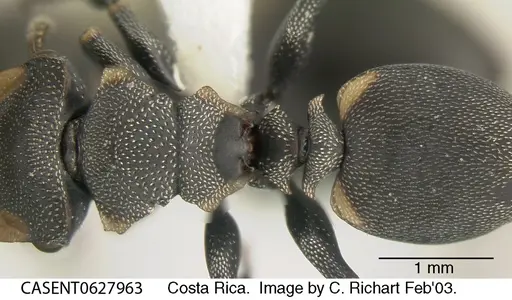
CASENT0900241
View on AntWeb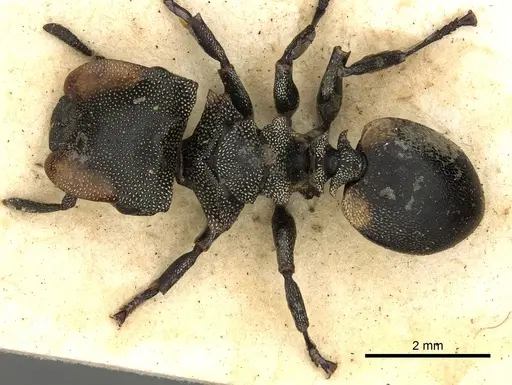
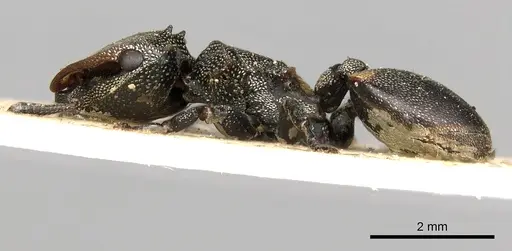
CASENT0904901
View on AntWeb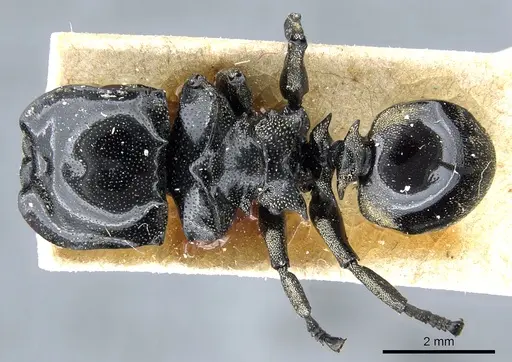
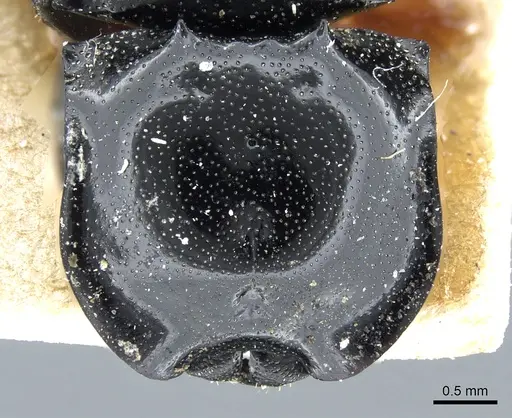
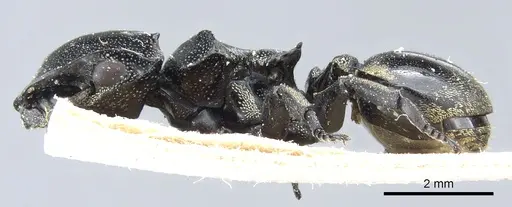
CASENT0904902
View on AntWeb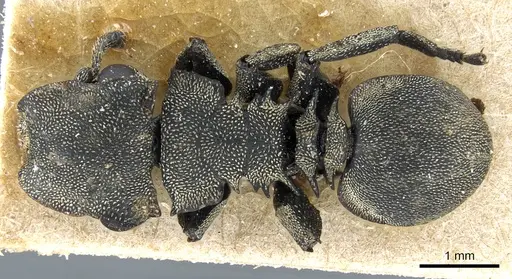
CASENT0922608
View on AntWeb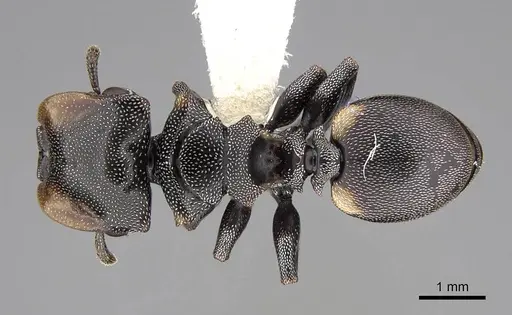
CASENT0922609
View on AntWeb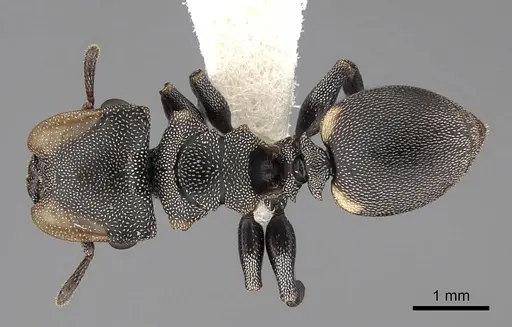
INBIOCRI001271989
View on AntWeb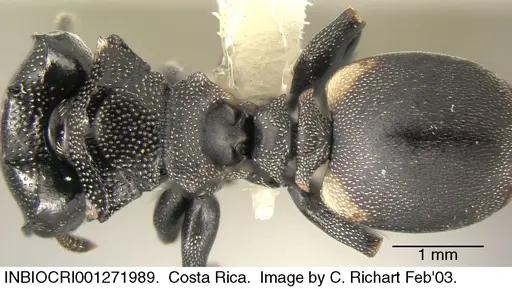
Literature
Loading...Loading products...