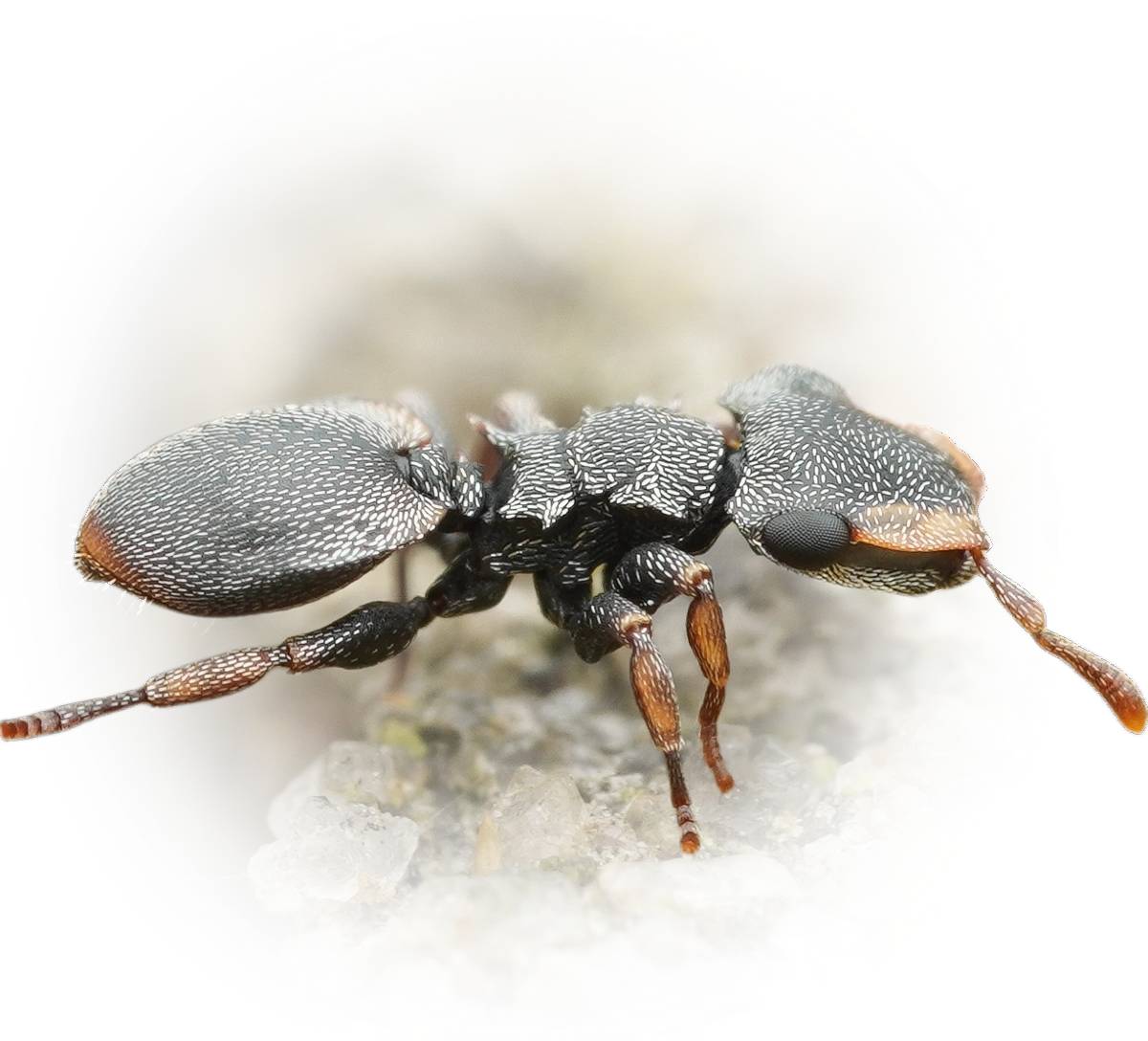

Cephalotes minutus
- Scientific Name
- Cephalotes minutus
- Tribe
- Attini
- Subfamily
- Myrmicinae
- Author
- Fabricius, 1804
- Distribution
- Found in 13 countries
Cephalotes minutus Overview
Cephalotes minutus is an ant species of the genus Cephalotes. It is primarily documented in 13 countries , including Argentina, Bolivia, Plurinational State of. Detailed taxonomic data and occurrence records can be further explored via authoritative databases such as AntWeb or the Global Biodiversity Information Facility (GBIF).
Cephalotes minutus
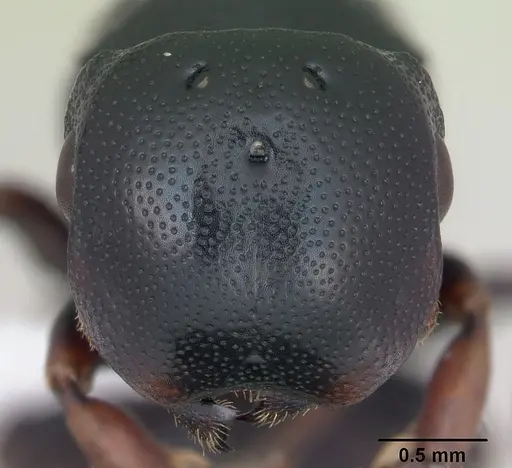
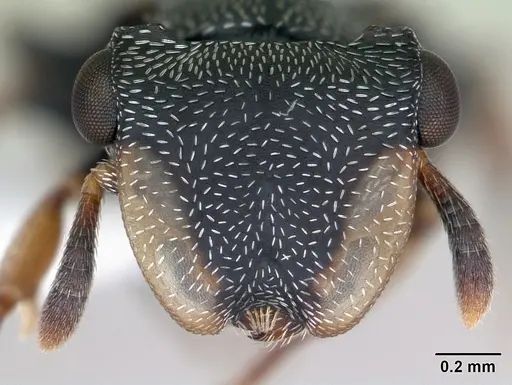
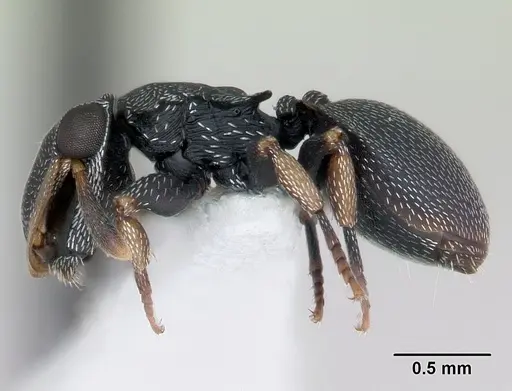
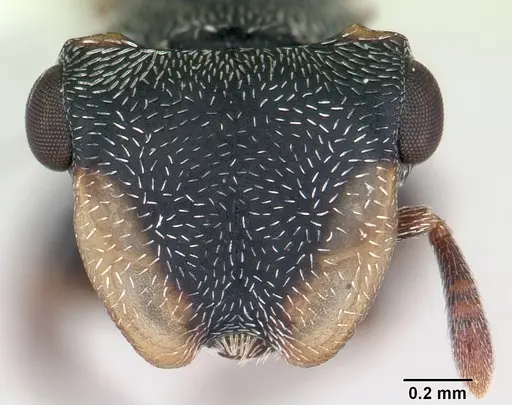
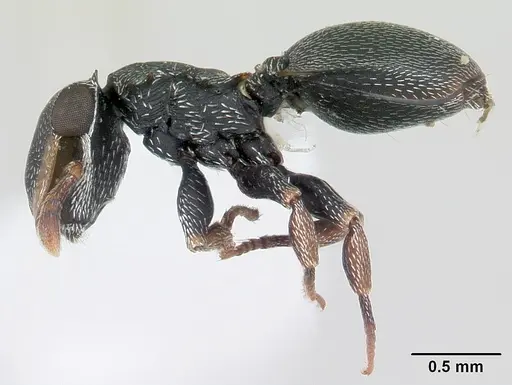
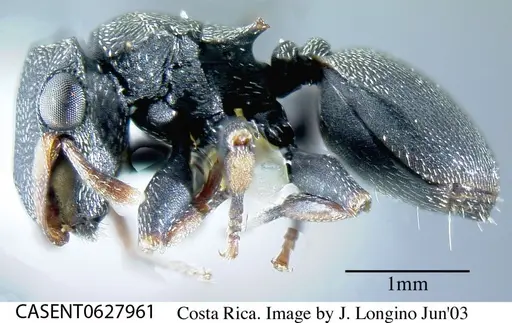
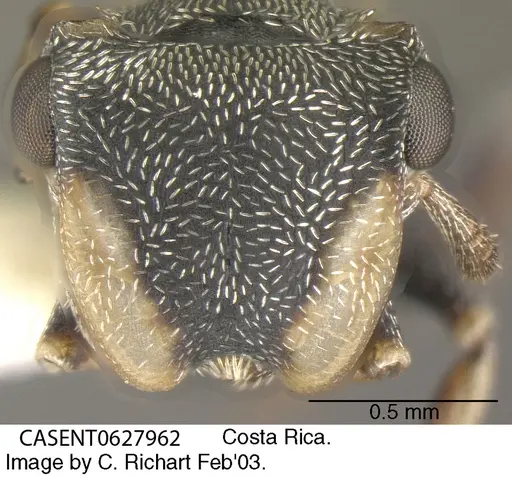
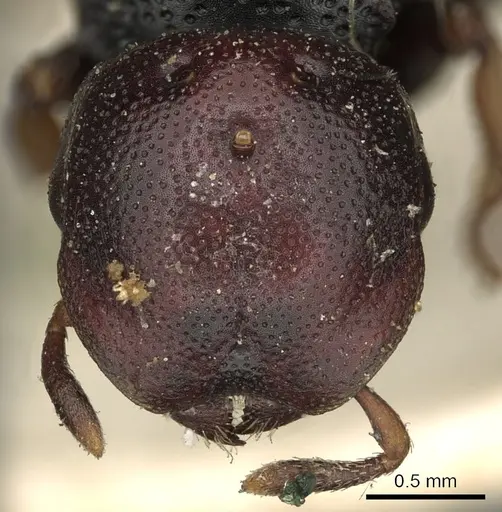
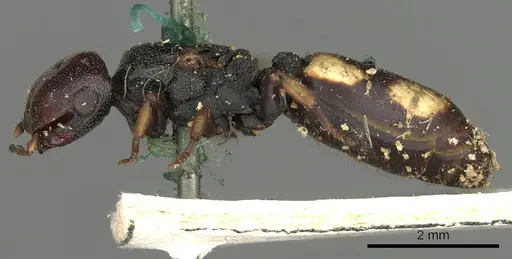
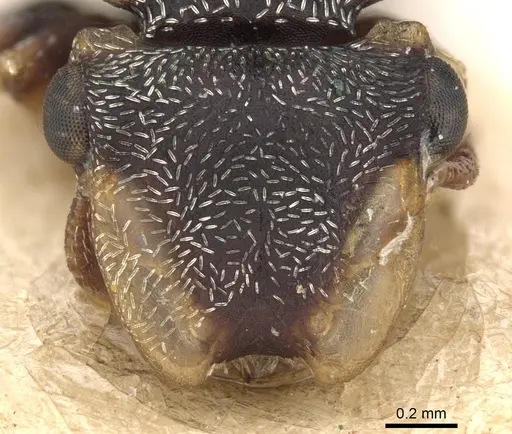
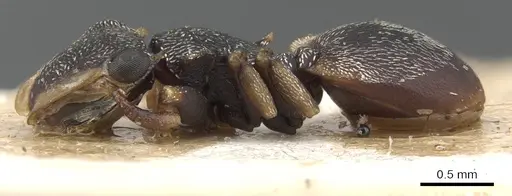
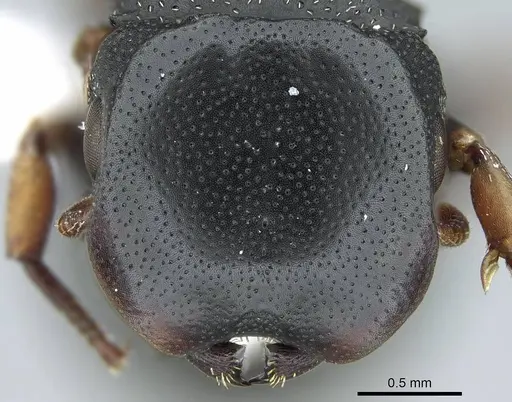
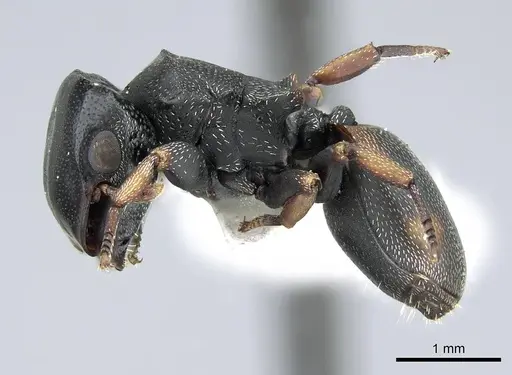
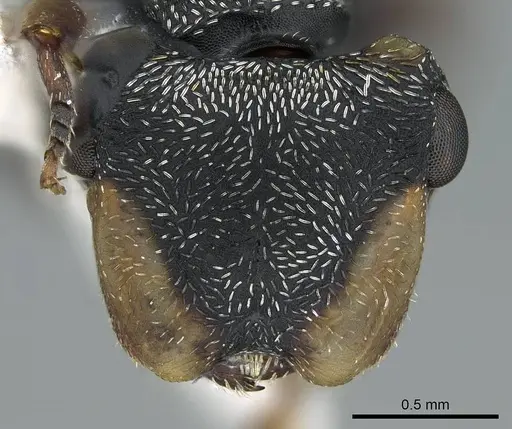
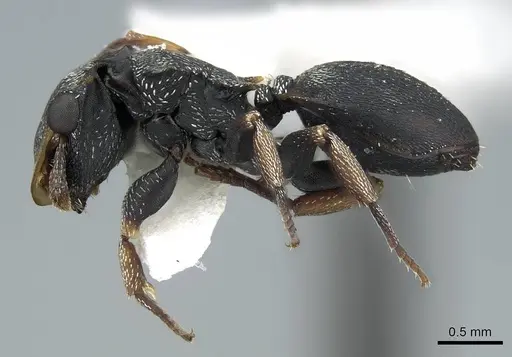
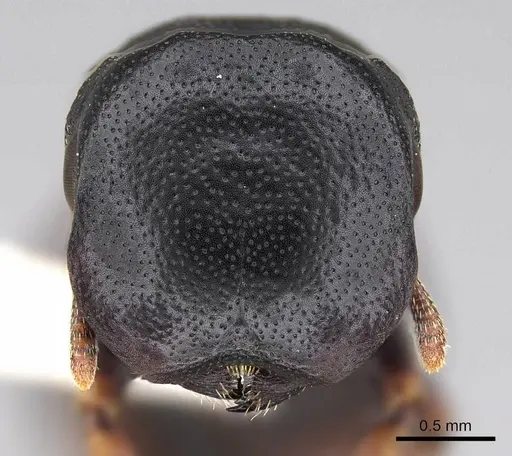
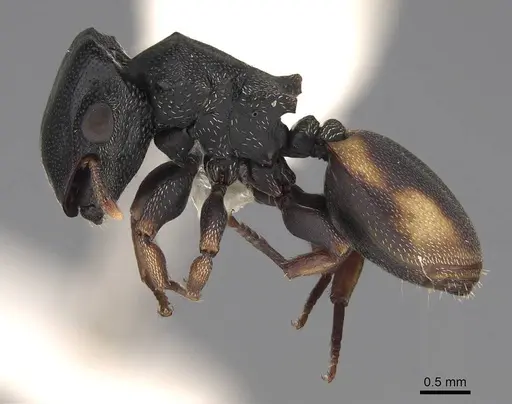
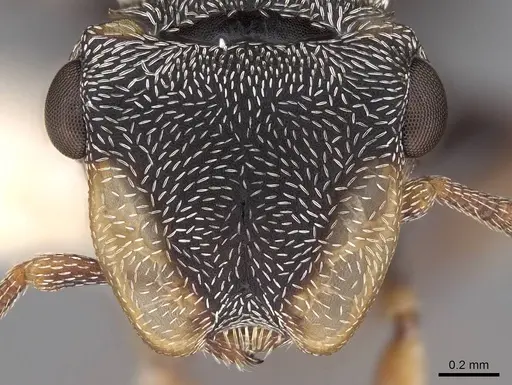
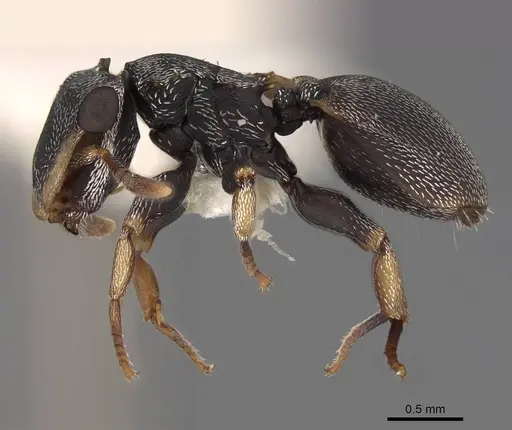
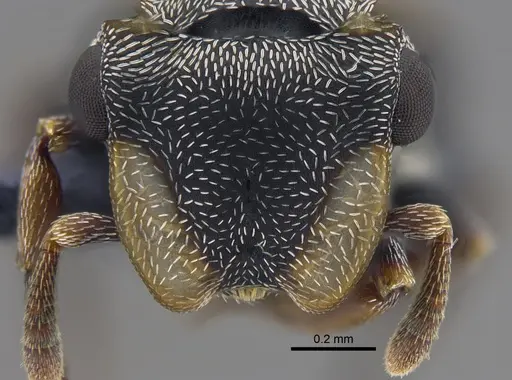
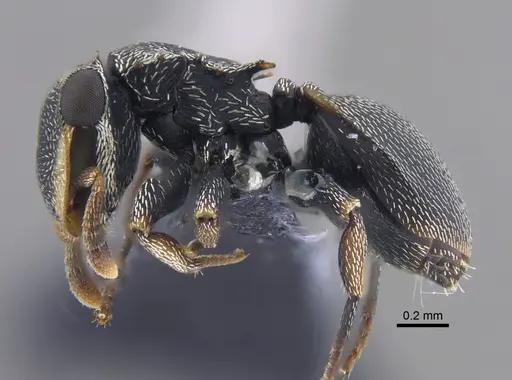
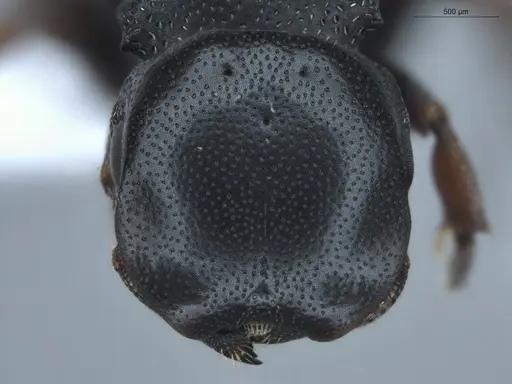
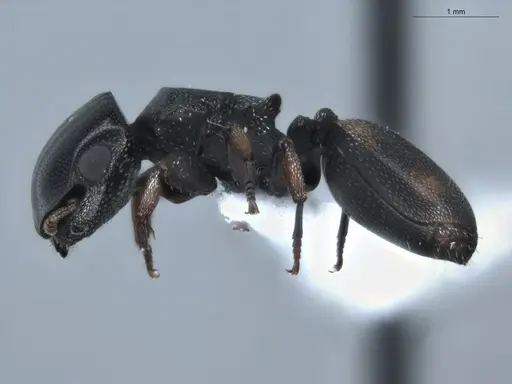
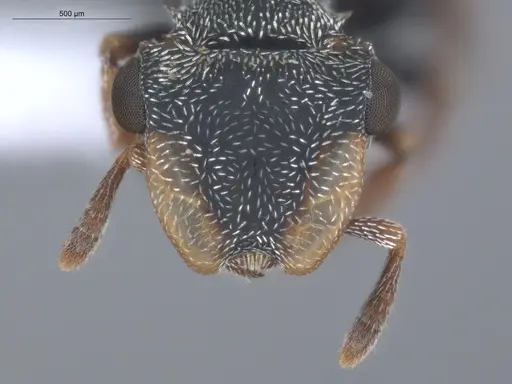
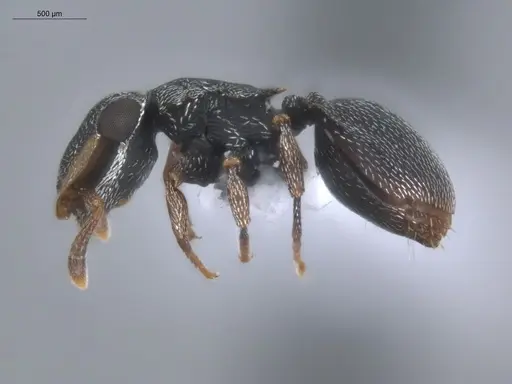
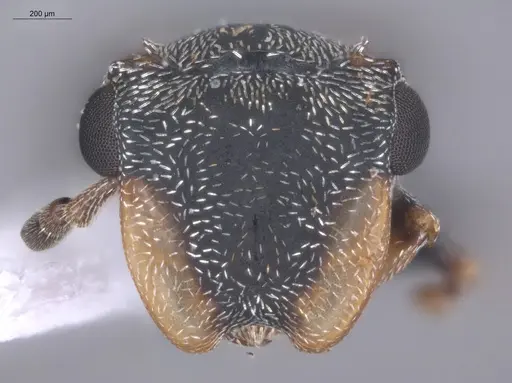
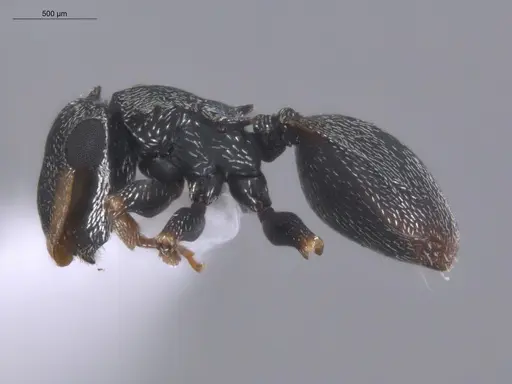
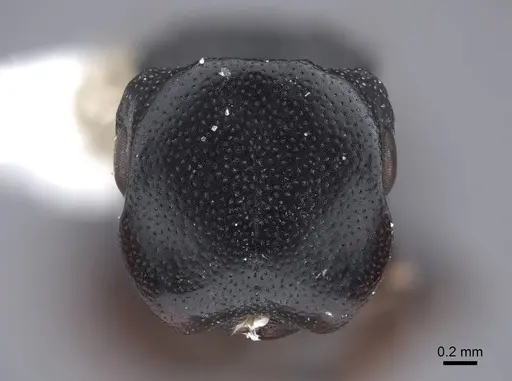
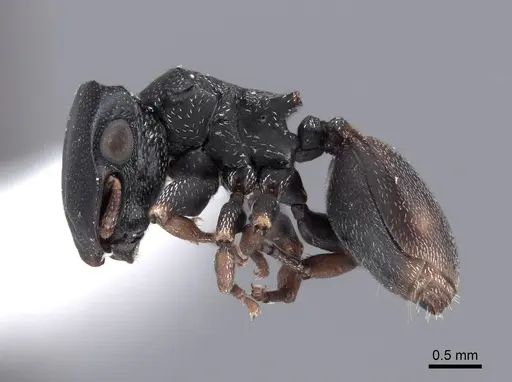
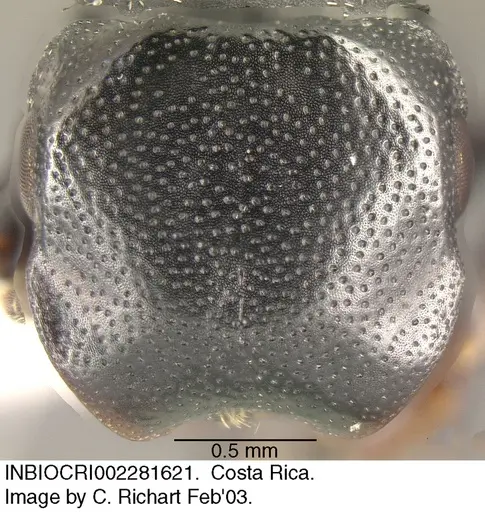
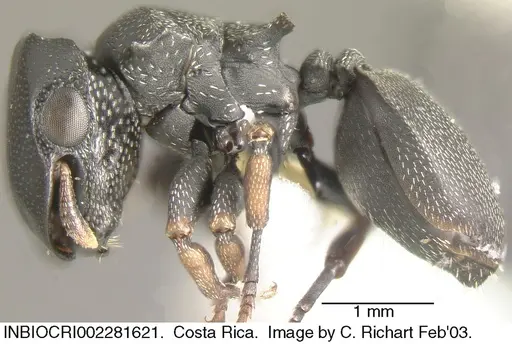
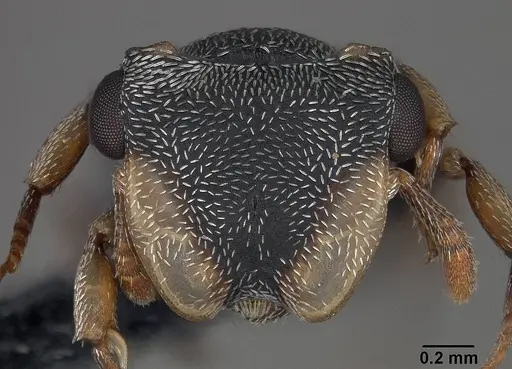
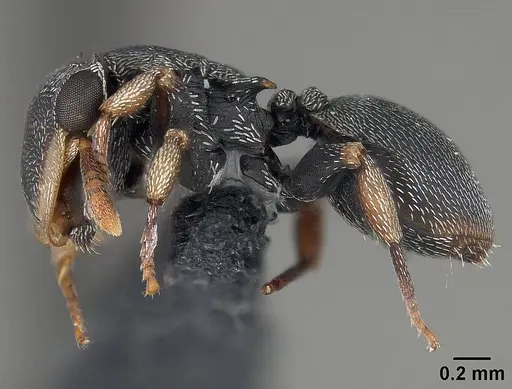
Cephalotes minutus is a small, distinctive turtle ant known for its remarkably flattened body and broad, shield-like head. Workers measure 3.1-3.8mm with a black body featuring light reddish-brown on the antennae, leg tips, and gastral borders, giving them an elegant two-toned appearance. Soldiers are larger at 5.3-6.9mm with a massive flattened head and yellow spots on the gaster. Queens reach 8.2-9.4mm. This species belongs to the laminatus clade and is one of the most widespread Cephalotes species, ranging from Mexico through Central America down to Argentina [1]. Unlike many ants, they are arboreal nesters, making their homes in hollow twigs, branches, and bromeliad structures rather than underground [2].
Quick Summary
- Difficulty: Medium
- Origin & Habitat: Native to the Neotropical region, Mexico, Central America (Guatemala, El Salvador, Honduras, Nicaragua, Costa Rica, Panama), and South America (Colombia, Venezuela, Guyanas, Brazil, Peru, Bolivia, Argentina, Paraguay). Found across a wide altitudinal range from 2m to 1728m elevation [1]. They inhabit tropical dry forests, rainforests, cloud forests, and cerrado environments, typically nesting in arboreal cavities like hollow twigs and branches [2][3].
- Colony Type: Monogyne, single queen colonies. This species has strongly polymorphic worker castes, meaning workers come in different sizes [4]. Queens are monogynous (single queen per colony) [4].
- Colony: Monogyne
- Size & Growth:
- Queen: 8.2-9.4mm [5]
- Worker: 3.1-3.8mm [5]
- Colony: Unknown maximum, likely moderate given their arboreal lifestyle. Estimated a few hundred workers based on related species.
- Growth: Moderate, typical for tropical arboreal Myrmicinae
- Development: Estimated 6-10 weeks based on related Cephalotes species and tropical development patterns. No specific study on C. minutus development timing. (Tropical species with relatively fast development at warm temperatures)
- Antkeeping:
- Temperature: Keep at 24-28°C, they are tropical ants that thrive in warm, humid conditions. A gentle gradient is helpful but not critical since they are arboreal and experience stable canopy temperatures [2].
- Humidity: High humidity required, aim for 70-85%. These forest-dwelling ants need consistently moist conditions. Keep the nest substrate damp but not waterlogged, with some drier areas available.
- Diapause: No, as a tropical species, they do not require hibernation. Maintain warm temperatures year-round.
- Nesting: Arboreal specialists, they nest in hollow twigs, small branches, and pre-existing cavities. In captivity, they do well in small acrylic nests or Y-tong setups with narrow chambers scaled to their size. Avoid large, open spaces, they prefer tight, enclosed chambers. Naturalistic setups with small diameter tubes or twigs work well.
- Behavior: Generally peaceful and non-aggressive toward other colonies. They are arboreal omnivores that forage in the canopy and occasionally descend to lower strata [6]. Workers are active foragers that can travel significant distances. They have a well-developed soldier caste with large, flattened heads used for colony defense. Escape risk is moderate, their small size means they can squeeze through small gaps, but they are not particularly escape-prone compared to some tiny species. They are known to visit extrafloral nectaries and have a mutualistic relationship with various plants [7].
- Common Issues: colonies often fail because keepers provide terrestrial nests when they are strictly arboreal, use arboreal-style setups, humidity dropping too low is a common killer, these forest ants need consistently high humidity, wild-caught colonies may have parasites that can decimate the colony in captivity, slow founding phase means colonies are vulnerable to disturbance, give them peace, they are sensitive to temperature drops, keep consistently warm
Nest Preferences and Housing
Cephalotes minutus is strictly arboreal, this is perhaps the most critical aspect of their care. In the wild, they nest in hollow twigs, small branches, and pre-existing cavities in trees, including the inflorescences of bromeliads. They also nest in coffee plant stems at elevations between 450-950m. In captivity, avoid standard ground-nesting setups. Instead, use small acrylic nests, Y-tong nests, or naturalistic setups with narrow tubes or artificial twigs. The chambers should be tight and scaled to their small size, avoid tall, open spaces. A small outworld connected to the nest works well since they will forage above ground. Some keepers successfullly keep them in modified test tube setups with multiple small tubes simulating twigs. [1][2]
Feeding and Diet
These are omnivorous arboreal ants with a varied diet. In nature, they are classified as Guild J, arboreal omnivores that occasionally forage in lower strata [6]. They visit extrafloral nectaries and are known to associate with plants in Venezuela [8]. They also consume honeydew from aphids and scale insects, and hunt small arthropods. In captivity, offer a varied diet: sugar water or honey as a constant energy source, small insects like fruit flies or pinhead crickets for protein, and occasional offerings of honey or nectar. Based on their gut microbiome research, they have a highly conserved bacterial composition dominated by Xanthomonadales, Burkholderiales, and Rhizobiales, suggesting specialized nutrition [9]. Feed them small prey items 2-3 times per week and keep sugar water available at all times.
Temperature and Seasonal Care
As a tropical species from the Neotropical region, Cephalotes minutus requires warm temperatures year-round. Keep the nest area at 24-28°C. They are found in diverse habitats from lowland rainforests to cloud forests at elevations up to 1728m [1], so they can tolerate some temperature variation but prefer stable warmth. Avoid temperatures below 22°C as this can slow their metabolism and potentially harm brood development. No hibernation or diapause is required, maintain consistent tropical conditions throughout the year. A small heating cable on one side of the nest can help maintain temperatures, but ensure there's an unheated area so workers can regulate their own temperature by moving between zones.
Behavior and Colony Dynamics
This species exhibits strong worker polymorphism, workers come in different sizes, with the larger soldiers having massively flattened heads used for blocking nest entrances [5]. They are not aggressive ants and avoid conflicts with other species [10]. Colonies are monogynous with a single queen [4]. The soldiers use their specialized heads as living doors, blocking the nest entrance to protect the colony, this is a unique defensive behavior. Workers are active foragers that can travel considerable distances in the canopy. They are known to be non-aggressive and often nest in unoccupied swollen-thorn acacias without influencing bird presence [11]. Their gut microbiome is remarkably conserved and has been stable for over 40 million years, reflecting their specialized herbivorous-nitrogen recycling diet [12].
Humidity Requirements
High humidity is essential for these forest-dwelling ants. They are found in humid tropical forests, cloud forests, andcerrado environments with access to moisture [3]. Keep the nest substrate consistently moist but not waterlogged, the substrate should feel damp to the touch. Mist the outworld occasionally to maintain ambient humidity around 70-85%. In naturalistic setups, ensure water sources don't flood the small nesting chambers. Good ventilation is important to prevent mold while maintaining humidity, avoid both stagnant air and excessive airflow that dries the nest.
Frequently Asked Questions
Can I keep Cephalotes minutus in a test tube setup?
Standard test tubes can work but aren't ideal, these are arboreal ants that prefer tight, enclosed chambers in a small nest. A small acrylic nest or Y-tong with narrow passages scaled to their 3-4mm worker size works best. If using test tubes, use multiple small-diameter tubes connected together to simulate their natural twig-nesting habitat.
How long does it take for Cephalotes minutus to produce first workers?
Exact timing hasn't been studied, but based on related Cephalotes species and tropical development patterns, expect 6-10 weeks from egg to worker at optimal temperatures (24-28°C). The founding phase is slow and the colony is vulnerable during this time, minimize disturbance.
Are Cephalotes minutus good for beginners?
They are intermediate difficulty, not the easiest but not expert-level. The main challenges are providing proper arboreal housing and maintaining high humidity. If you can provide a small nest with good humidity control and have experience with tropical species, they make interesting pets.
What do Cephalotes minutus eat?
They are omnivorous. Offer sugar water or honey constantly, small insects like fruit flies or pinhead crickets 2-3 times weekly, and occasionally nectar or honeydew. Their specialized gut microbiome suggests they benefit from plant-derived nutrients.
Can I keep multiple Cephalotes minutus queens together?
No, this is a monogyne species with single-queen colonies. Multiple unrelated queens will fight. Only keep one queen per colony.
Do Cephalotes minutus need hibernation?
No, they are tropical ants that do not require hibernation. Keep them warm year-round at 24-28°C. Temperature drops below 22°C can harm the colony.
Why are my Cephalotes minutus dying?
Common causes include: humidity too low (they need 70-85%), temperature too cold or unstable, using terrestrial nest setups instead of arboreal ones, or disturbance during the slow founding phase. Check that your setup mimics their natural twig-nesting habitat with tight chambers and high humidity.
How big do Cephalotes minutus colonies get?
Colony size is not well documented but likely reaches several hundred workers based on related species. They have strongly polymorphic castes, so you'll see size variation among workers.
When should I move Cephalotes minutus to a formicarium?
Wait until the colony has 20-30 workers before moving to a larger nest. They do well in small acrylic or Y-tong nests from the start if the chambers are appropriately sized. The key is providing tight, arboreal-style chambers rather than moving to a large setup.
References

This caresheet is licensed under CC BY-SA 4.0 .
CASENT0173691
View on AntWeb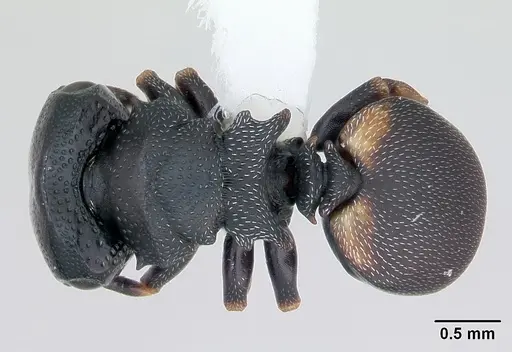
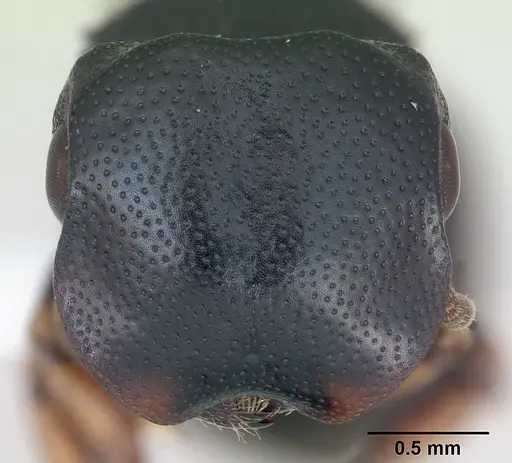
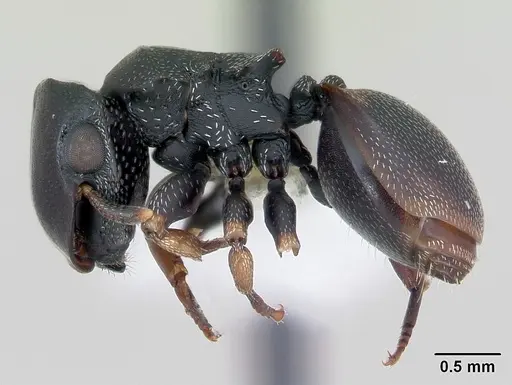
CASENT0173692
View on AntWeb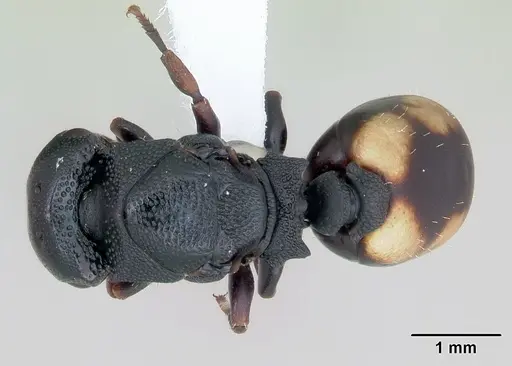
CASENT0173693
View on AntWeb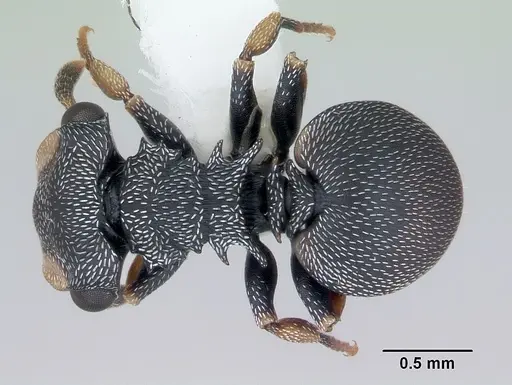
CASENT0178647
View on AntWeb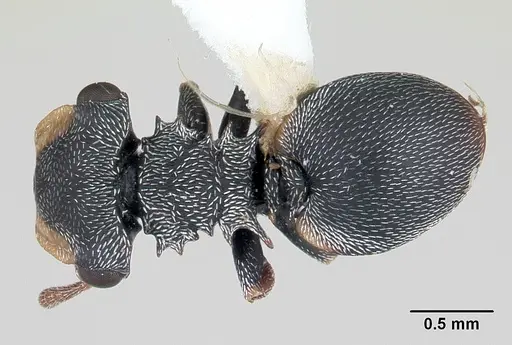
CASENT0627961
View on AntWeb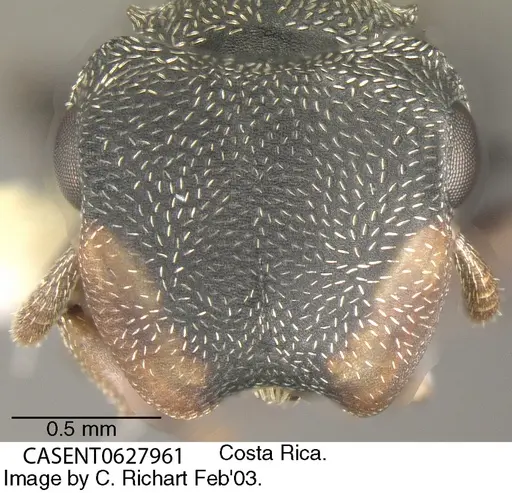
CASENT0627962
View on AntWeb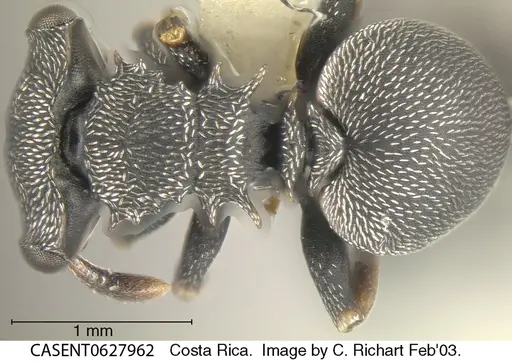
CASENT0900240
View on AntWeb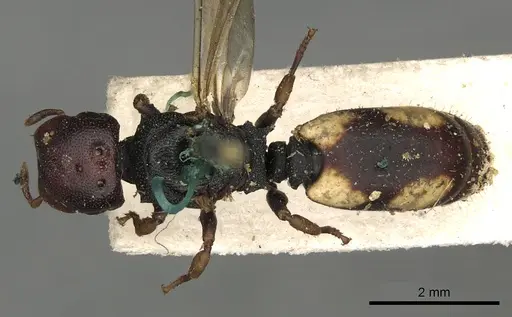
CASENT0901461
View on AntWeb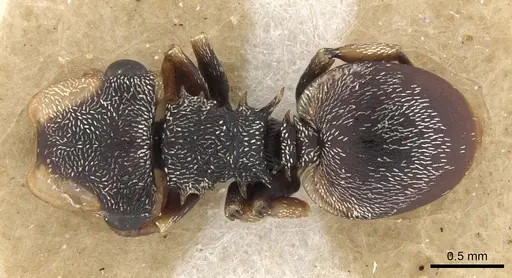
CASENT0914465
View on AntWeb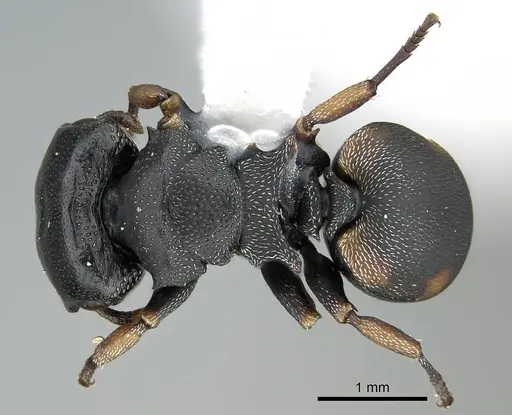
CASENT0914466
View on AntWeb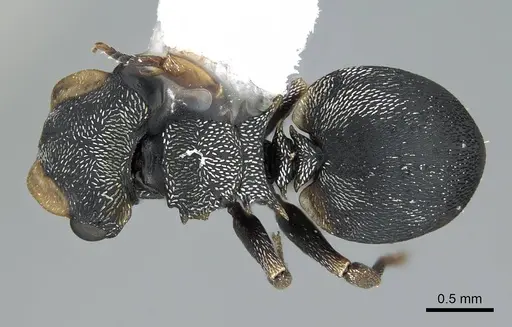
CASENT0922606
View on AntWeb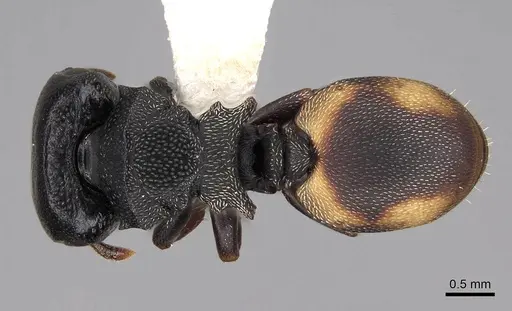
CASENT0922607
View on AntWeb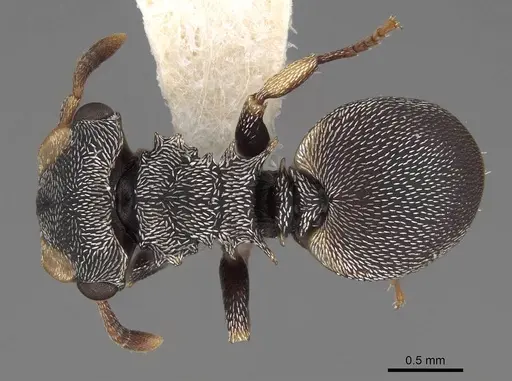
CASENT0923582
View on AntWeb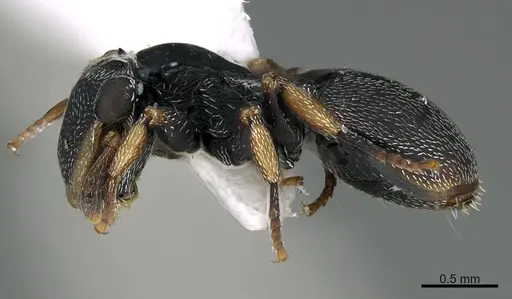
CBUMAGENT41888
View on AntWeb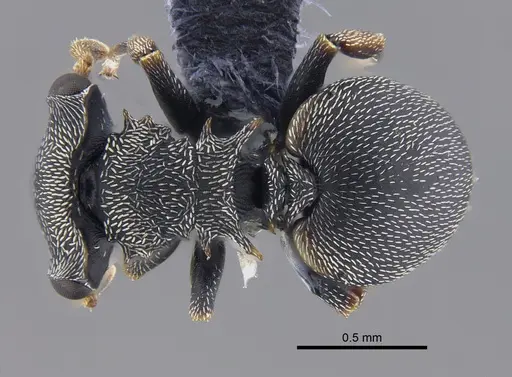
ECOFOG-BUG-0029-02
View on AntWeb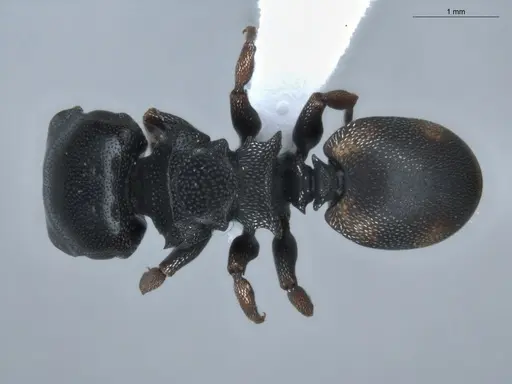
ECOFOG-CSG15-0076-02
View on AntWeb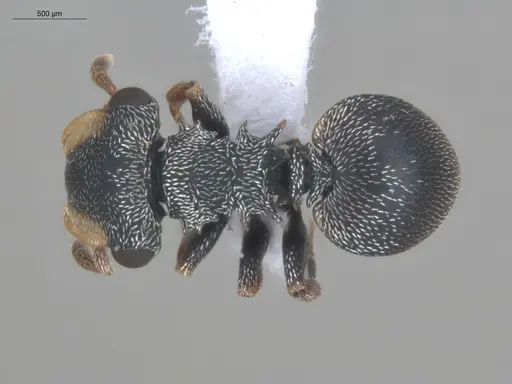
ECOFOG-TR17-0226-11
View on AntWeb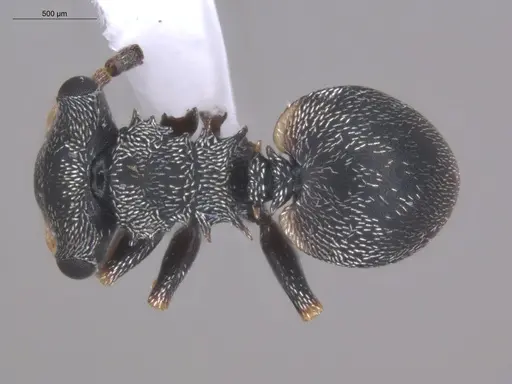
FMNHINS0000047257
View on AntWeb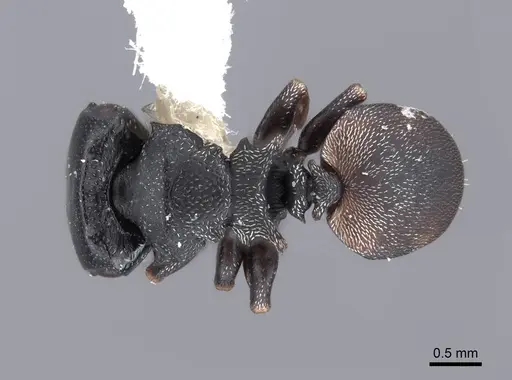
INBIOCRI002281621
View on AntWeb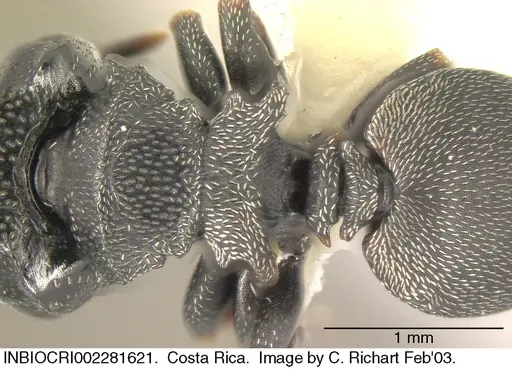
USNMENT01124208
View on AntWeb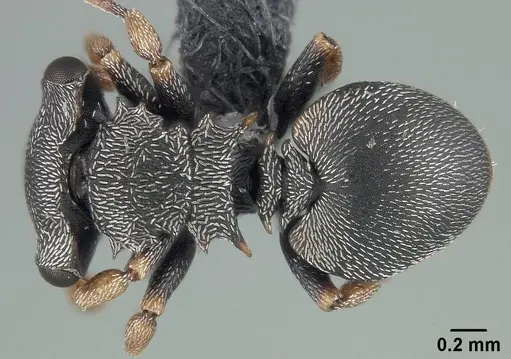
Literature
Loading...Loading products...