

Cephalotes manni
- Scientific Name
- Cephalotes manni
- Tribe
- Attini
- Subfamily
- Myrmicinae
- Author
- Kempf, 1951
- Distribution
- Found in 3 countries
Cephalotes manni Overview
Cephalotes manni is an ant species of the genus Cephalotes. It is primarily documented in 3 countries , including Colombia, Ecuador, Venezuela. Detailed taxonomic data and occurrence records can be further explored via authoritative databases such as AntWeb or the Global Biodiversity Information Facility (GBIF).
Cephalotes manni
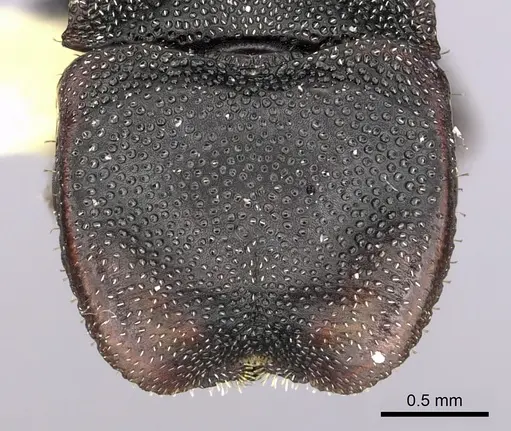
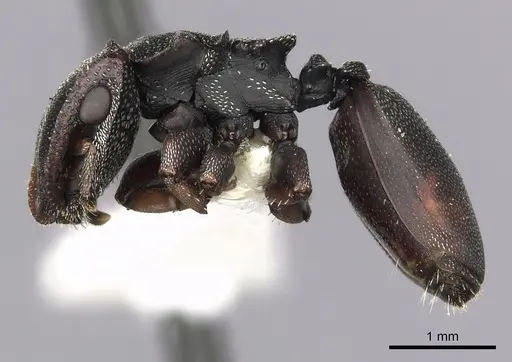
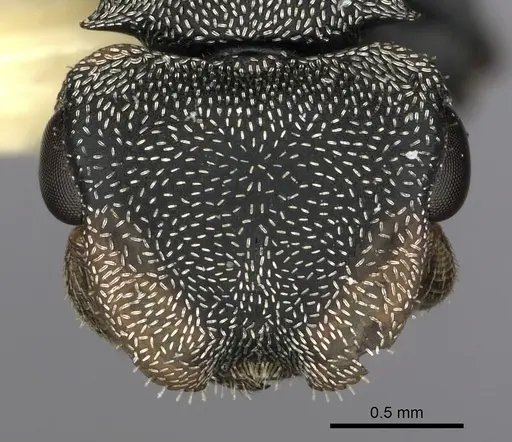
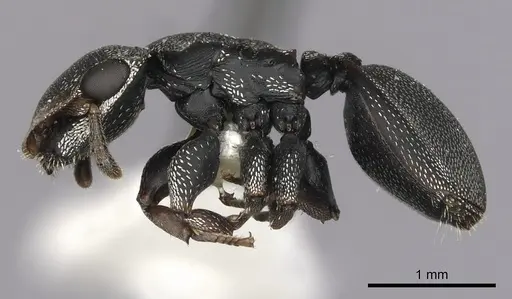
Cephalotes manni is a small turtle ant native to the Amazon region of South America. Workers measure 4-5mm and are black with distinctive ferruginous (rust-colored) markings on their legs, antennae, and gaster tip. The soldier caste (6mm) has an enlarged head with a concave vertexal margin and specialized clubbed hairs on the frontal carinae. This species was recently separated from the basalis clade and placed in its own monotypic manni species group, making it phylogenetically distinct from other turtle ants. It is the smallest member of its lineage and inhabits dense second-growth forest, where it nests in dead vines and wood [1][2].
Quick Summary
- Difficulty: Medium
- Origin & Habitat: Amazon basin in northern South America, found in Brazil, Colombia, Ecuador, Guyana, Peru, and Venezuela at elevations of 60-710m. Inhabits dense second-growth forest with humid, shaded conditions [1][3].
- Colony Type: Likely single-queen colonies based on typical Cephalotes genus patterns. Colony structure has not been directly documented for this species.
- Colony: Monogyne
- Founding: Claustral
- Size & Growth:
- Queen: Estimated 6-7mm based on related Cephalotes species
- Worker: 4.0-5.06mm [1]
- Colony: Estimated several hundred workers based on genus patterns
- Growth: Moderate, inferred from related species
- Development: Estimated 6-10 weeks at optimal temperature based on genus patterns (Development time not directly studied for this species. Related Cephalotes species suggest moderate development speed typical of Myrmicinae.)
- Antkeeping:
- Temperature: Keep at 24-28°C, this is an Amazon species requiring warm, stable conditions. A heating cable on one side of the nest creates a suitable gradient.
- Humidity: High humidity required (70-85%). Keep the nest substrate consistently moist but not waterlogged. Mist occasionally and use a water reservoir.
- Diapause: No, as an Amazon species, they do not require hibernation. Maintain year-round warm conditions.
- Nesting: In nature they nest in dead vines and rotting wood. In captivity, a Y-tong (AAC) nest or plaster formicarium with narrow chambers works well. Provide dead wood or cork bark pieces as enrichment.
- Behavior: Turtle ants are named for their armored appearance and ability to tuck their legs beneath their head shield. Soldiers use their enlarged heads to block nest entrances. They are generally non-aggressive but will defend the colony. Workers are moderate foragers, searching for nectar, honeydew, and small insects. Escape risk is moderate, they are not particularly small but can climb smooth surfaces. Use Fluon on container edges as a barrier.
- Common Issues: high humidity management is critical, too wet causes mold, too dry stresses the colony, lack of proper nesting structures, they need wood or cork to feel secure, temperature drops can slow or stop brood development, wild-caught colonies may have parasites that kill them in captivity, soldier production may be slow, only develops once colony reaches moderate size
Nest Preferences
In the wild, Cephalotes manni nests in dead vines and rotting wood in humid forest understory. They prefer narrow, enclosed spaces that mimic these natural cavities. For captive care, a Y-tong (AAC) nest or plaster formicarium works well. Provide pieces of cork bark or small dead wood branches as enrichment, this helps them feel secure and encourages natural behaviors. The nest should have chambers narrow enough that workers can touch both walls with their antennae. Avoid overly large, open spaces that would be unnatural for this species. [1]
Feeding and Diet
Cephalotes are omnivorous, feeding on nectar, honeydew, and small insects in the wild. In captivity, offer sugar water or honey diluted with water (change every 2-3 days). Protein should come from small insects like fruit flies, pinhead crickets, or mealworms. Feed protein 2-3 times per week, adjusting based on colony size. Remove uneaten prey after 24 hours to prevent mold. Fresh water should always be available. This species is not a specialized predator, so variety in their diet helps maintain colony health.
Temperature and Care
As an Amazon species, Cephalotes manni requires warm, stable temperatures between 24-28°C. Temperatures below 22°C can slow brood development significantly, and prolonged cold exposure can be fatal. Use a heating cable or mat on one side of the nest to create a gentle thermal gradient, allowing ants to self-regulate their temperature. Place the heating element on top of the nest, not underneath, to avoid evaporating moisture too quickly. Room temperature may suffice if your home stays in this range, but monitor with a thermometer. Avoid drafts and sudden temperature fluctuations.
Behavior and Colony Structure
Turtle ants get their name from their armored appearance and ability to withdraw their legs beneath their head shield. Soldiers have enlarged heads used to physically block nest entrances, this is their primary defense mechanism. Workers are active foragers but not particularly aggressive. The colony will establish soldiers once it reaches moderate size (typically 50+ workers). Colonies grow moderately fast under ideal conditions. Workers communicate through chemical signals and may use tandem-running to recruit nestmates to food sources. The species is not known for painful stings, their defense is primarily structural (armor) and behavioral (hiding). [2]
Humidity Management
Maintaining proper humidity is one of the most important aspects of keeping Cephalotes manni successfully. As an Amazon species, they require 70-85% humidity. The nest substrate should feel consistently moist but never waterlogged. Use a test tube water reservoir connected to the nest for passive humidity, and mist the outworld occasionally. Monitor for condensation, some condensation is normal and good, but excessive pooling indicates too much water. Mold growth is a warning sign: reduce moisture and improve ventilation. If the substrate dries too quickly, consider covering part of the nest with plastic wrap to retain humidity.
Frequently Asked Questions
How long does it take for Cephalotes manni to produce first workers?
Estimated 6-10 weeks from egg to first worker at optimal temperature (24-28°C). This is based on genus patterns rather than direct observation of this species. Development time depends heavily on temperature, cooler conditions will slow growth significantly.
What do Cephalotes manni ants eat?
They are omnivorous. Offer sugar water or honey as a constant energy source, and protein (small insects like fruit flies, pinhead crickets, or mealworms) 2-3 times per week. Remove uneaten prey after 24 hours.
Can I keep multiple Cephalotes manni queens together?
Not recommended. Cephalotes are typically single-queen colonies. Combining unrelated queens has not been documented for this species and would likely result in fighting. Start with one queen for best success.
What temperature do Cephalotes manni ants need?
Keep them at 24-28°C. This Amazon species requires warm, stable conditions. A heating cable on one side of the nest creates a suitable gradient. Temperatures below 22°C can stop brood development.
Are Cephalotes manni good for beginners?
They are rated as medium difficulty. The main challenges are maintaining high humidity and stable warm temperatures. If you have experience with other Myrmicinae species and can provide proper humidity control, they can be a rewarding species to keep.
Do Cephalotes manni need hibernation?
No. As an Amazon species, they do not require diapause or hibernation. Maintain year-round warm conditions (24-28°C) for optimal colony health and growth.
When should I move Cephalotes manni to a formicarium?
Wait until the colony has at least 30-50 workers and the founding chamber becomes crowded. Turtle ants prefer tight spaces, so do not move them to excessively large nests. Ensure the formicarium has proper humidity and narrow chambers.
How big do Cephalotes manni colonies get?
Estimated several hundred workers based on related species. Colony growth is moderate and depends on proper feeding, humidity, and temperature. Soldier production typically begins once the colony reaches moderate size.
What type of nest is best for Cephalotes manni?
A Y-tong (AAC) nest or plaster formicarium with narrow chambers works well. They naturally nest in dead wood and vines, so adding cork bark or small wood pieces as enrichment helps them feel secure. Avoid overly large, open spaces.
References

This caresheet is licensed under CC BY-SA 4.0 .
CASENT0627954
View on AntWeb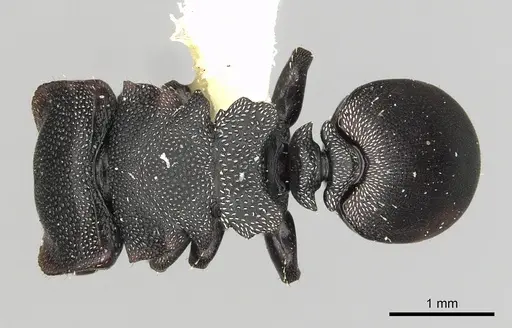
CASENT0627955
View on AntWeb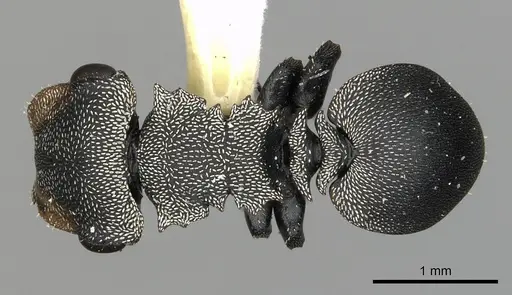
Literature
Loading...Loading products...