

Cephalotes laminatus
- Scientific Name
- Cephalotes laminatus
- Tribe
- Attini
- Subfamily
- Myrmicinae
- Author
- Smith, 1860
- Distribution
- Found in 3 countries
Cephalotes laminatus Overview
Cephalotes laminatus is an ant species of the genus Cephalotes. It is primarily documented in 3 countries , including Brazil, Colombia, Peru. Detailed taxonomic data and occurrence records can be further explored via authoritative databases such as AntWeb or the Global Biodiversity Information Facility (GBIF).
Cephalotes laminatus
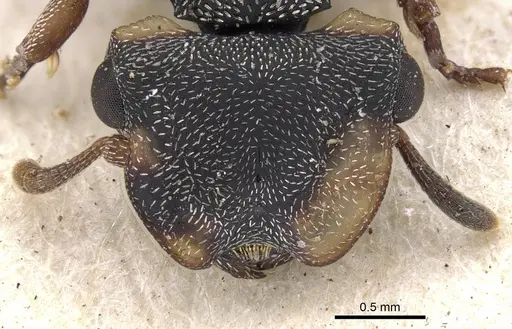
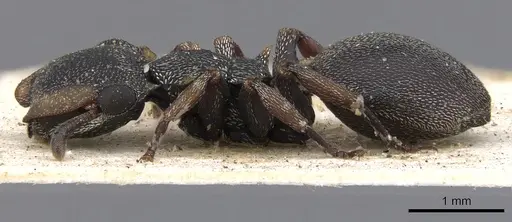
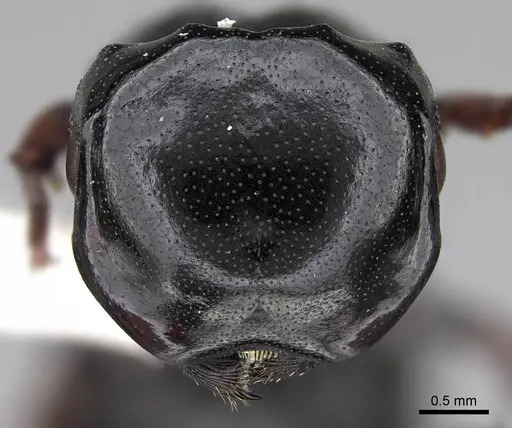
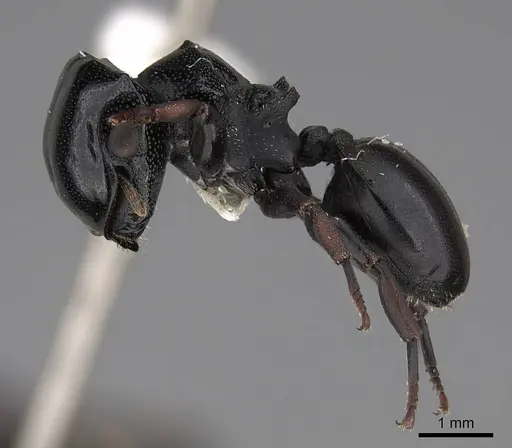
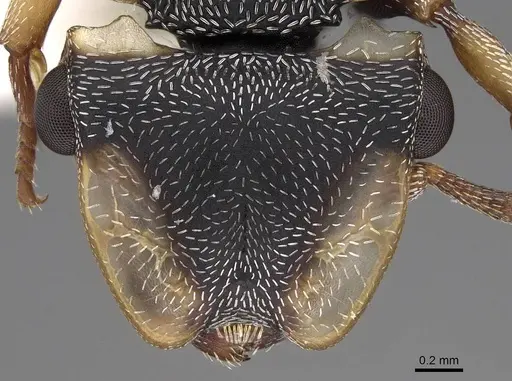
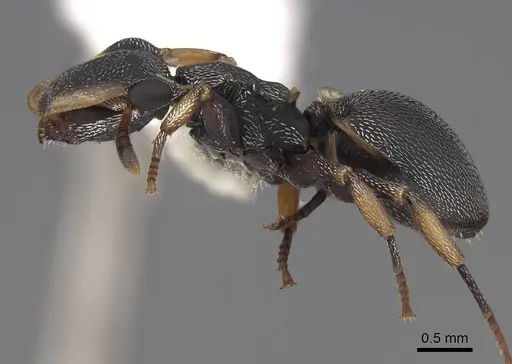
Cephalotes laminatus is a small to medium-sized ant belonging to the Myrmicinae subfamily, part of the Attini tribe. Workers measure 4.65-5.28mm with a distinctive flattened body shape characteristic of turtle ants. The species is identifiable by its long, thin pronotal and propodeal spines and the presence of semitransparent lamellae on the head and gaster. Soldiers are larger at 6.74-8.02mm, and queens can reach 12-13mm. This species belongs to the laminatus clade within the pusillus group and is found across the Amazon region of South America, including Brazil, Colombia, Ecuador, Peru, and French Guiana [1][2][3].
As a turtle ant, C. laminatus is arboreal, nesting in hollow twigs, branches, and tree cavities in humid rainforest environments. The species has been recorded at elevations from 70-330m in both primary and secondary Amazon forest [4]. Like other Cephalotes species, they are slow-moving and rely on their spiny exoskeleton for defense rather than aggression. Colonies are relatively small, typically reaching a few hundred workers.
Quick Summary
- Difficulty: Medium
- Origin & Habitat: Amazon rainforest region of South America, Brazil, Colombia, Ecuador, Peru, and French Guiana. Found in both primary and secondary forest at 70-330m elevation [3][4].
- Colony Type: Colony structure is unconfirmed. Based on typical Cephalotes patterns, likely monogyne (single queen) colonies with moderate worker numbers.
- Founding: Claustral
- Size & Growth:
- Queen: 12.00-13.02mm
- Worker: 4.65-5.28mm
- Colony: Estimated a few hundred workers based on genus patterns
- Growth: Moderate, based on typical Cephalotes development
- Development: Estimated 8-12 weeks at tropical temperatures based on related species (Development time is inferred from genus patterns since specific data for this species is unavailable)
- Antkeeping:
- Temperature: Keep at 24-28°C. These are tropical Amazon ants requiring warm, stable conditions. A heating cable on one side of the nest creates a gentle gradient.
- Humidity: High humidity required, aim for 70-85% relative humidity. Keep the nest substrate consistently moist but not waterlogged. Mist occasionally and provide a water tube for drinking water.
- Diapause: No, as a tropical species from the Amazon, they do not require hibernation. Maintain consistent tropical conditions year-round.
- Nesting: Arboreal nesters in nature, they inhabit hollow twigs, branches, and tree cavities. In captivity, they do well in Y-tong (AAC) nests, plaster nests with small chambers, or naturalistic setups with twigs/branches. Tight chambers scaled to their small size work best.
- Behavior: Turtle ants are slow-moving and docile. They rely on their spiny exoskeleton and ability to tuck their legs beneath their flattened body for protection rather than aggressive defense. Workers are not aggressive and rarely sting. They are skilled climbers and may attempt to escape, use barrier tape or fluon on nest edges. Their small size (under 5mm for workers) means escape prevention must be excellent [3].
- Common Issues: escape prevention is critical, workers are small and can squeeze through tiny gaps, tropical humidity requirements can lead to mold if ventilation is poor, slow growth may cause keepers to overfeed or disturb the colony unnecessarily, wild-caught colonies may carry parasites that can decimate captive colonies, test tube setups may be too small, they prefer arboreal-style nests with horizontal chambers
Nest Preferences
Cephalotes laminatus is an arboreal species that naturally nests in hollow twigs, small branches, and tree cavities in the Amazon rainforest. In captivity, they do best in nests that mimic these conditions. Y-tong (acrylic) nests work well, especially those with narrow, horizontal chambers scaled to their small size. Plaster nests can also work if kept appropriately humid. Avoid deep, soil-based setups that don't match their natural arboreal nesting preferences. The nest should have small chambers, these are tiny ants and large open spaces stress them. Provide some vertical climbing space and include small twigs or branches in the outworld to encourage natural foraging behavior. [3][4]
Feeding and Diet
Like other Attini tribe ants, Cephalotes laminatus likely has a varied diet. They probably feed on honeydew collected from aphids and scale insects in their arboreal habitat, plus small insects and other protein sources. In captivity, offer sugar water or honey as a constant energy source. For protein, provide small live prey like fruit flies, pinhead crickets, or mealworm pieces. Feed protein 2-3 times per week, adjusting based on colony size and consumption. Remove uneaten prey after 24 hours to prevent mold. Fresh water should always be available, they drink from water tubes or droplets.
Temperature and Care
As an Amazon rainforest species, C. laminatus requires warm, humid conditions. Keep the nest area at 24-28°C with minimal temperature fluctuations. A heating cable placed on top of the nest (never underneath to avoid drying) can help maintain warmth. Room temperature within this range is acceptable in most homes. High humidity is essential, aim for 70-85% relative humidity. Use a water tube in the outworld and occasionally mist the nest (avoiding direct spraying on the ants). Good ventilation is important to prevent mold while maintaining humidity. Avoid air conditioning or drafty locations that might cause temperature drops. [3][4]
Behavior and Temperament
Turtle ants are among the more docile ant species, known for their slow, deliberate movements and defensive rather than aggressive nature. When threatened, they rely on their spiny exoskeleton and the ability to flatten their body against surfaces to avoid predation. Workers are not prone to biting or stinging humans. They are skilled climbers and may explore the outworld systematically. Colonies are relatively calm and not prone to panic escapes, but their small size means they can still slip through tiny gaps. Observe their behavior to gauge stress levels, healthy colonies will have workers actively foraging and tending to brood.
Growth and Development
Specific development data for C. laminatus is not available, but based on typical Cephalotes patterns, expect the following timeline: eggs hatch in 1-2 weeks, larvae develop over 3-5 weeks, and pupation takes 2-3 weeks, totaling approximately 6-10 weeks from egg to first worker. The first workers (nanitics) will be smaller than mature workers. Growth rate is moderate, colonies typically reach 50-100 workers within the first year under good conditions. Queen longevity is likely several years, as is typical for Cephalotes species. Avoid disturbing founding colonies excessively.
Acclimation and Handling
When acquiring a colony, whether wild-caught or from another keeper, allow 1-2 weeks for acclimation before major disturbances. Place the nest in a quiet area with stable temperature and humidity. Avoid moving the nest for the first few weeks. Wild-caught colonies may need extra attention, monitor for parasites or disease. When observing, use red light or minimal disturbance to avoid stressing the colony. These are observational ants rather than handling pets, they are small and fragile. Always use excellent escape prevention since workers are tiny and can escape through gaps too small for other ant species.
Frequently Asked Questions
Can I keep Cephalotes laminatus in a test tube?
Test tubes can work for founding colonies but are not ideal long-term. These are arboreal ants that prefer horizontal nest chambers. A small test tube setup may suffice for a founding queen, but transfer to a Y-tong or plaster nest once the colony reaches 20+ workers.
When should I move Cephalotes laminatus to a formicarium?
Move to a formicarium or larger nest when the colony reaches 30-50 workers or when the test tube becomes crowded. Ensure the new nest maintains appropriate humidity and has chambers scaled to their tiny size.
How long until first workers in Cephalotes laminatus?
Expect first workers (nanitics) approximately 6-10 weeks after the queen lays eggs, at optimal tropical temperatures. This is an estimate based on related Cephalotes species since specific development data for this species is unavailable.
How big do Cephalotes laminatus colonies get?
Based on genus patterns, colonies likely reach a few hundred workers (estimated 300-500). They are not among the largest ant species but can form stable, long-lived colonies.
Are Cephalotes laminatus good for beginners?
This species is rated as medium difficulty. While not as challenging as some species, they do require specific conditions (high humidity, tropical temperatures) that may be more demanding than common temperate species. Experience with antkeeping basics is recommended.
What do Cephalotes laminatus eat?
Feed a varied diet: sugar water or honey as a constant energy source, plus small live or frozen insects (fruit flies, pinhead crickets, mealworms) for protein 2-3 times per week. Remove uneaten prey after 24 hours.
Do Cephalotes laminatus need hibernation?
No. As a tropical Amazon species, they do not require hibernation. Maintain consistent warm, humid conditions year-round. Temperature drops below 20°C for extended periods may stress or kill the colony.
Why are my Cephalotes laminatus dying?
Common causes include: low humidity (below 60%), temperatures below 20°C or above 32°C, poor ventilation causing mold, escape through tiny gaps, or stress from excessive disturbance. Wild-caught colonies may also carry parasites. Review all care parameters and make adjustments gradually.
Can I keep multiple queens together?
Colony structure is unconfirmed for this species. Based on typical Cephalotes patterns, they likely form single-queen colonies. Combining unrelated queens is not recommended without evidence of polygyny in this species.
What is the best nest type for Cephalotes laminatus?
Y-tong (AAC) nests with narrow chambers or plaster nests work well. The key is providing small, horizontal chambers scaled to their tiny worker size (under 5mm). Avoid deep soil nests that don't match their natural arboreal habitat.
Are Cephalotes laminatus escape artists?
Yes. Despite their slow movement, their very small size (under 5mm) means they can squeeze through tiny gaps. Use excellent escape prevention including fine mesh, barrier tape, and tightly fitting lids. Check for gaps regularly.
References

This caresheet is licensed under CC BY-SA 4.0 .
CASENT0217838
View on AntWeb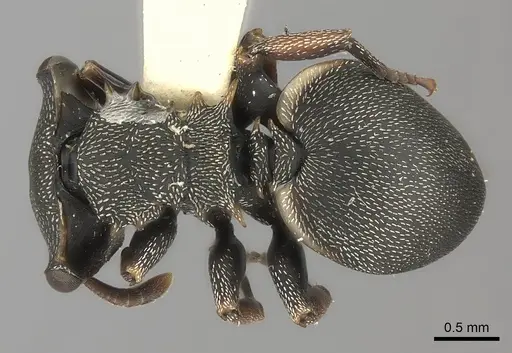
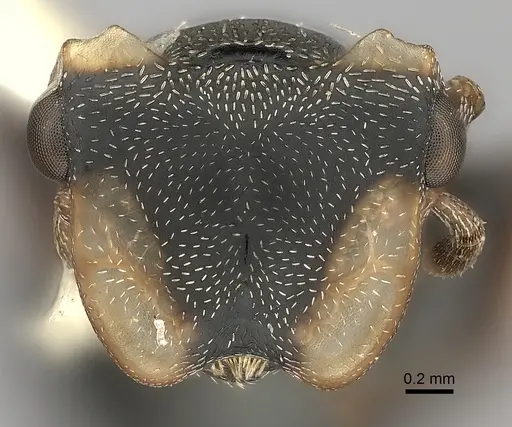
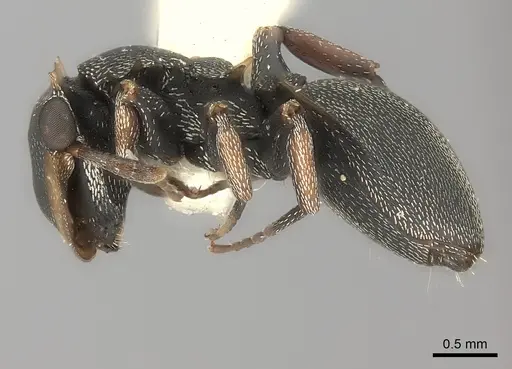
CASENT0901459
View on AntWeb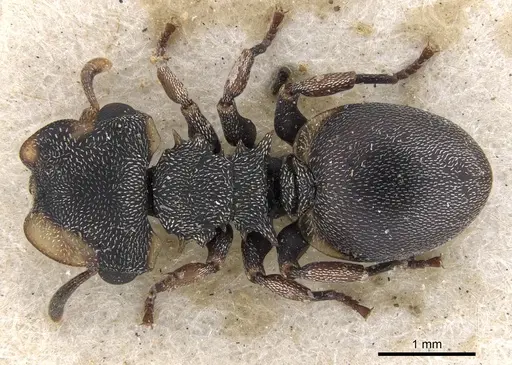
CASENT0922604
View on AntWeb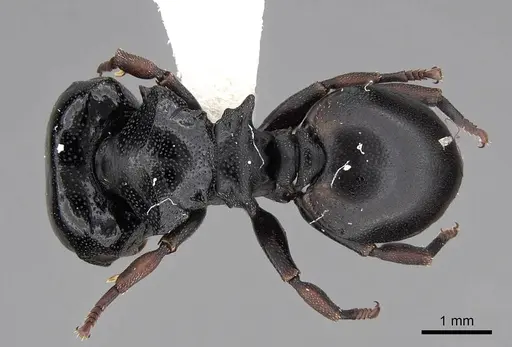
CASENT0922605
View on AntWeb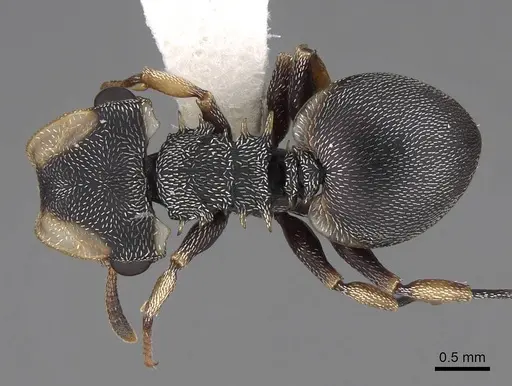
Literature
Loading...Loading products...