

Cephalotes kukulcan
- Scientific Name
- Cephalotes kukulcan
- Tribe
- Attini
- Subfamily
- Myrmicinae
- Author
- Snelling, 1999
- Distribution
- Found in 2 countries
Cephalotes kukulcan Overview
Cephalotes kukulcan is an ant species of the genus Cephalotes. It is primarily documented in 2 countries , including Honduras, Mexico. Detailed taxonomic data and occurrence records can be further explored via authoritative databases such as AntWeb or the Global Biodiversity Information Facility (GBIF).
Cephalotes kukulcan
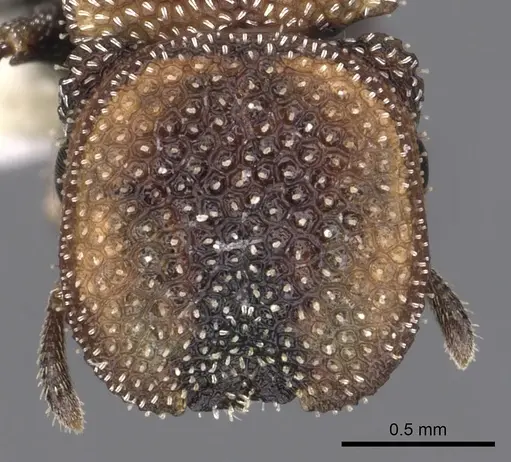
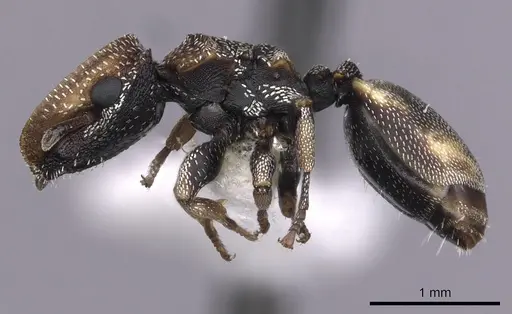
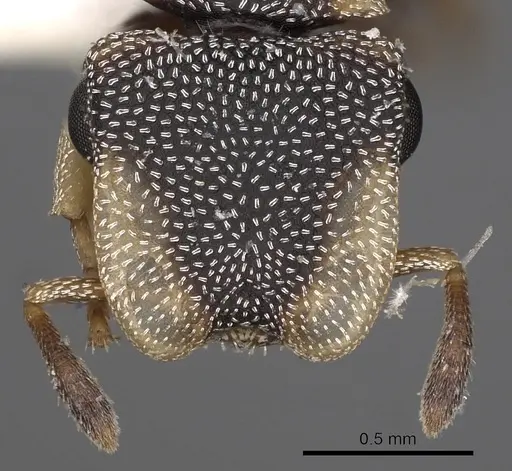
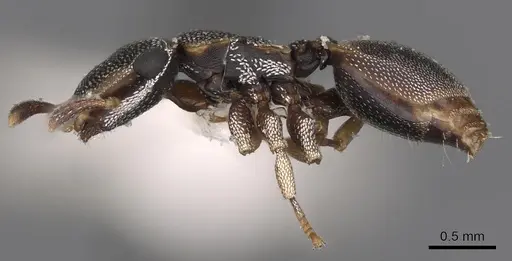
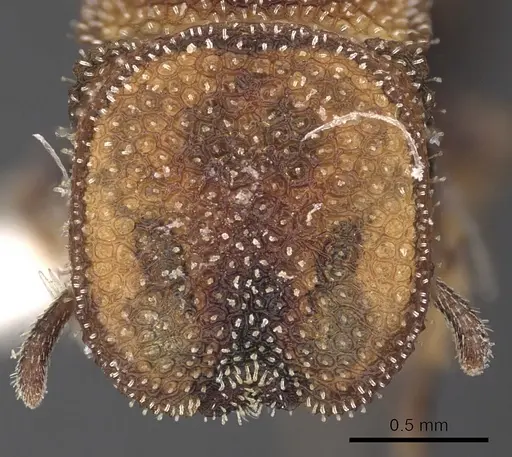
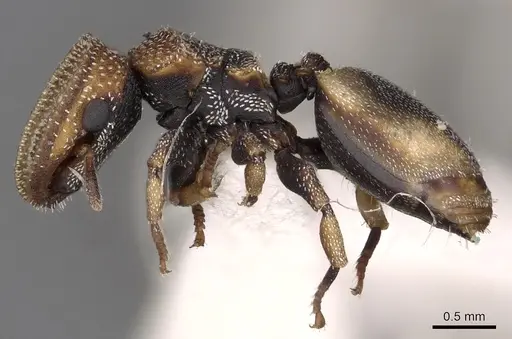
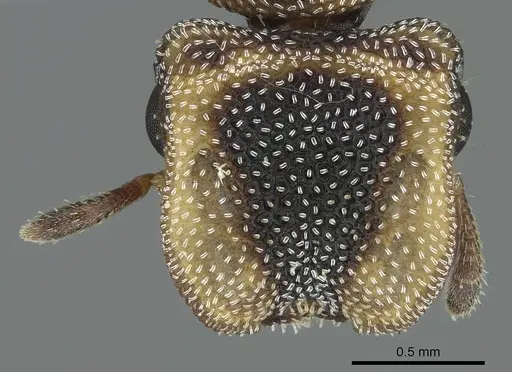
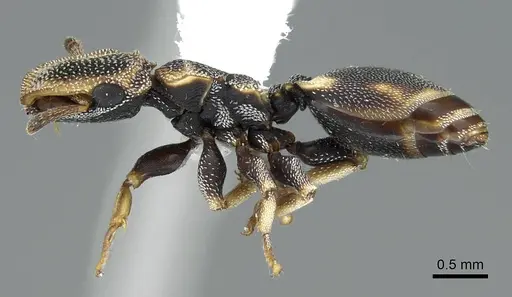
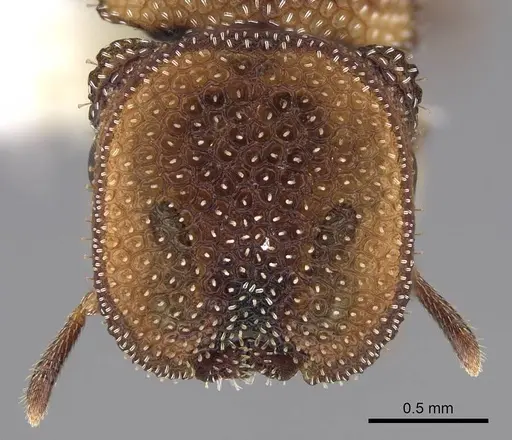
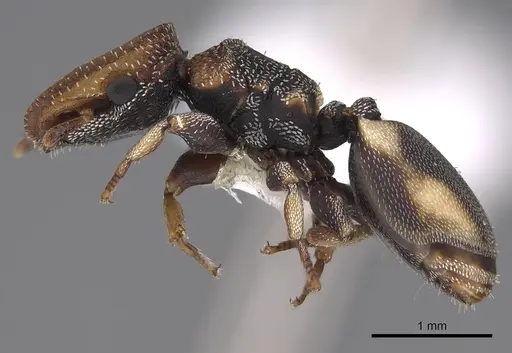
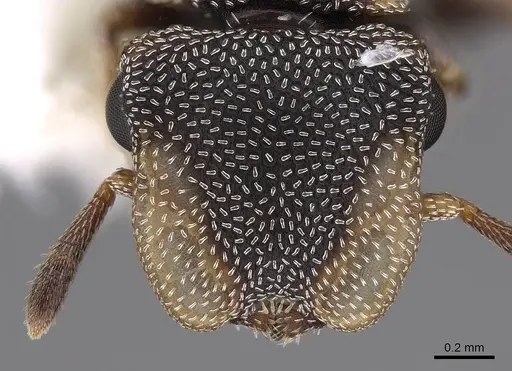
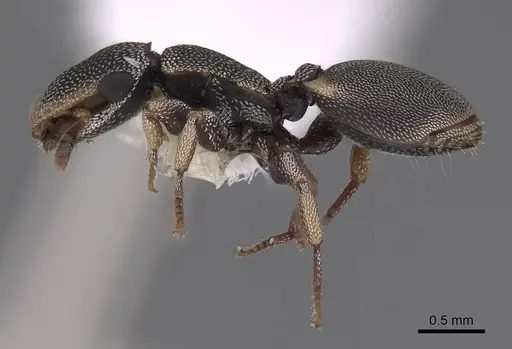
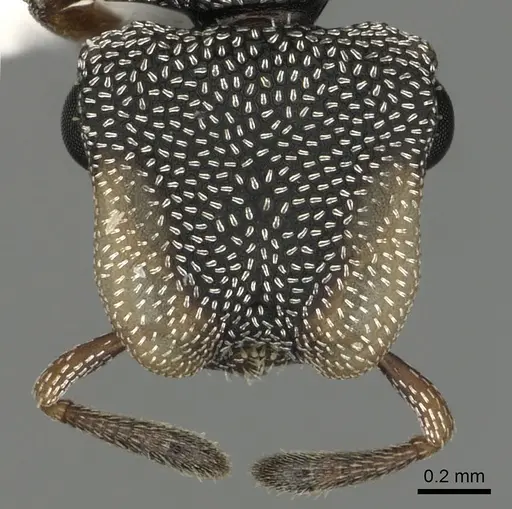
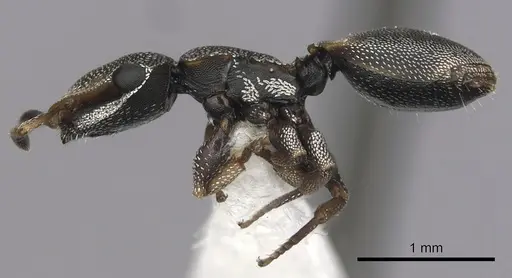
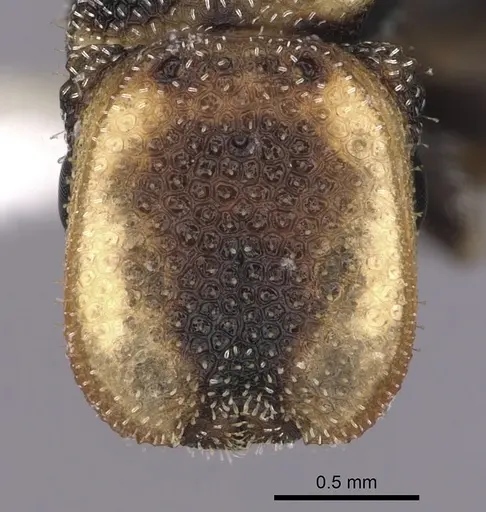
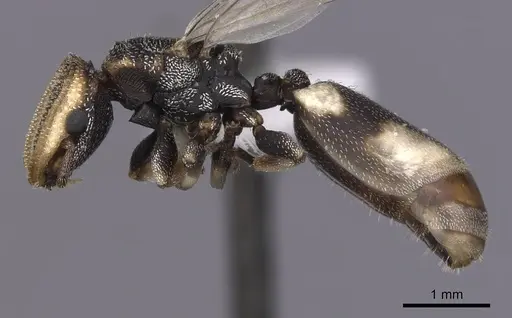
Cephalotes kukulcan is a Neotropical turtle ant named after Kukulcan, the Mayan feathered serpent god. Workers are small at 3.2-3.7mm with a distinctive flattened appearance and pointed spines on the petiole and postpetiole. The soldier caste has a broad, shield-like head with coarse foveae (pitted sculpture) covering the disc. Body coloration is dark reddish-brown to blackish with translucent yellowish markings on the frontal lobes, mesosomal lamellae, and gaster. This species belongs to the grandinosus clade and has been collected from dead mangrove stems and beach-edge vegetation in Belize, Mexico, Guatemala, and Honduras [1][2].
Quick Summary
- Difficulty: Medium
- Origin & Habitat: Neotropical species from Central America (Mexico, Belize, Guatemala, Honduras, possibly Costa Rica). Natural habitat consists of dead stems in mangrove areas and beach edges [3].
- Colony Type: Colony structure is not well documented in scientific literature. Based on typical Cephalotes patterns, likely single-queen (monogyne) colonies with one reproductive queen.
- Colony: Monogyne
- Founding: Claustral
- Size & Growth:
- Queen: 6.5-6.7mm [3]
- Worker: 3.2-3.7mm [3]
- Colony: Unknown, typical Cephalotes colonies reach dozens to low hundreds of workers
- Growth: Moderate, estimated based on related species
- Development: Estimated 6-8 weeks at optimal tropical temperatures (Development time is inferred from typical Attini tribe patterns. Turtle ants generally develop slower than many Myrmicinae due to their arboreal lifestyle.)
- Antkeeping:
- Temperature: Keep at 24-28°C, these are tropical ants requiring warm, stable conditions. A gentle heat gradient allows them to regulate temperature.
- Humidity: Moderate to high humidity (60-80%). Their natural habitat in mangrove areas is humid. Keep nest substrate slightly moist but not waterlogged.
- Diapause: No, as a tropical species, they do not require hibernation. Maintain warm conditions year-round.
- Nesting: Arboreal nesters in nature, they colonize hollow twigs, dead branches, and stems. In captivity, they do well in Y-tong (acrylic) nests or plaster nests with narrow chambers. Provide dead wood or cork bark sections as enrichment.
- Behavior: Turtle ants are generally calm and non-aggressive. Workers are slow-moving and rely on their flattened bodies to retreat into narrow spaces. They are not known for stinging, their primary defense is retreating into crevices. Escape risk is moderate due to their small size, ensure connections are secure. They forage for honeydew and small insects, often tending sap-feeding insects.
- Common Issues: tropical temperature requirements mean colonies can decline if kept too cool, arboreal nature means they need vertical space and nesting options above ground, small worker size requires fine mesh barriers to prevent escapes, humidity needs can lead to mold if ventilation is poor, slow growth rate may frustrate keepers expecting rapid colony development
Nest Preferences and Housing
Cephalotes kukulcan is an arboreal species that naturally nests in hollow twigs, dead branches, and stems. In captivity, they do best in Y-tong (acrylic) nests or plaster nests with narrow chambers scaled to their small size. Provide vertical space and include dead wood, cork bark, or bamboo sections as enrichment. The nest should have small entrance holes that match their body width, these ants feel secure in tight spaces. Avoid large, open formicaria that lack narrow retreats. A test tube setup can work for founding colonies, but transfer to a more structured nest once the colony reaches 15-20 workers. [3]
Feeding and Diet
Like other Cephalotes species, C. kukulcan is an omnivore that primarily feeds on honeydew from sap-feeding insects and small insects. Offer sugar water or honey water as a constant energy source. For protein, provide small insects like fruit flies, pinhead crickets, or mealworm pieces. They are not aggressive hunters, prey should be small and easy to handle. Some turtle ants accept seeds, but this varies by species. Observe your colony's preferences and adjust accordingly. Feed protein 2-3 times per week and keep sugar water available at all times.
Temperature and Care
As a Neotropical species from Central America, C. kukulcan requires warm conditions year-round. Keep the nest area at 24-28°C (75-82°F). A heating cable on one side of the nest creates a gentle gradient that allows the ants to regulate their temperature. Avoid temperatures below 22°C as this can slow metabolism and harm brood development. Room temperature is often suitable if your home stays in the low-to-mid 70s°F. Monitor colony activity, if workers become sluggish, increase temperature slightly. Unlike temperate species, they do not require any cooling or hibernation period.
Humidity and Water
Cephalotes kukulcan comes from humid mangrove and beach-edge habitats. Keep the nest substrate consistently moist but not waterlogged. The substrate should feel damp to the touch with some slightly drier areas available. Mist the outworld regularly and provide a water tube. Good ventilation is essential to prevent mold while maintaining humidity. Avoid both stagnant air (causes mold) and excessive airflow (causes drying). A hygrometer can help monitor conditions, aim for 60-80% relative humidity in the nest area. [3]
Behavior and Temperament
Turtle ants are known for their calm, non-aggressive temperament. Workers move slowly and deliberately, using their flattened bodies to access narrow spaces. They are not stingers, their primary defense is retreating into crevices where predators cannot follow. The soldier caste has a distinctive shield-shaped head but is not aggressive. Colonies are relatively quiet and fascinating to observe. They do not form large aggressive swarms like some Myrmicinae. Escape prevention should be moderate, their small size means they can slip through loose connections, but they are not prolific escape artists like some Crematogaster or Monomorium species.
Frequently Asked Questions
How long does it take for Cephalotes kukulcan to produce first workers?
Based on typical Cephalotes development, expect 6-8 weeks from egg to first worker at optimal temperatures (24-28°C). This is slower than many common ant species. Founding colonies require patience, the queen will remain sealed in until her first brood emerges.
Can I keep Cephalotes kukulcan in a test tube?
Yes, test tubes work well for founding colonies. Use a standard test tube setup with a water reservoir sealed with cotton. Once the colony reaches 15-20 workers, consider moving them to a Y-tong or plaster nest with more space and vertical options.
What do Cephalotes kukulcan ants eat?
They are omnivores. Offer sugar water or honey water constantly as an energy source. For protein, provide small insects like fruit flies, tiny crickets, or mealworm pieces 2-3 times per week. They are not aggressive hunters, so prey should be small and easy to subdue.
What temperature do Cephalotes kukulcan need?
Keep them warm at 24-28°C (75-82°F). These are tropical ants that require year-round warmth. A heating cable on one side of the nest creates a gradient. Avoid temperatures below 22°C.
Are Cephalotes kukulcan good for beginners?
They are rated as medium difficulty. They require warm, humid conditions that are easy to maintain with proper equipment. Their slow growth and calm temperament make them interesting but require patience. They are less forgiving of temperature drops than hardy temperate species.
How big do Cephalotes kukulcan colonies get?
Colony size is not well documented for this specific species, but typical Cephalotes colonies reach 100-500 workers. Growth is moderate, expect several months to reach 50 workers.
Do Cephalotes kukulcan need hibernation?
No, they do not require hibernation. As tropical Neotropical ants, they need warm conditions year-round. Maintain temperatures between 24-28°C consistently.
What type of nest is best for Cephalotes kukulcan?
Y-tong (acrylic) nests or plaster nests work well. They prefer narrow chambers that match their body size. Include vertical space and dead wood or cork bark for enrichment. Avoid large, open formicaria.
Why is my Cephalotes kukulcan colony declining?
Common causes include: temperatures below 22°C, too dry or too wet conditions, mold from poor ventilation, or insufficient food. Check temperature first, these tropical ants are sensitive to cool conditions. Ensure sugar water is always available and offer protein regularly.
References

This caresheet is licensed under CC BY-SA 4.0 .
CASENT0627953
View on AntWeb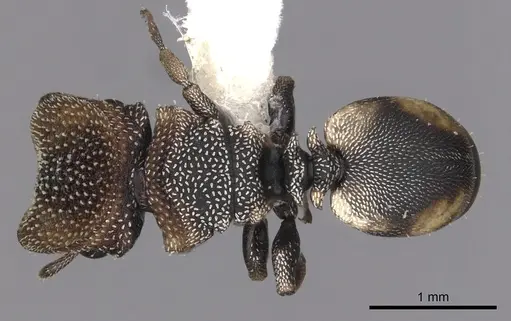
CASENT0900248
View on AntWeb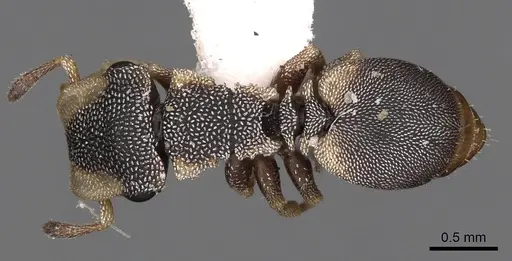
CASENT0900249
View on AntWeb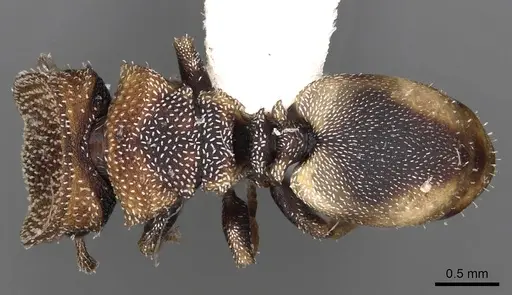
CASENT0914464
View on AntWeb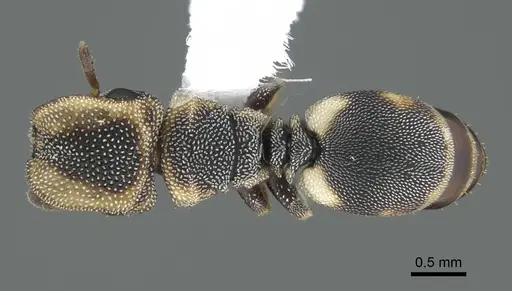
CASENT0922546
View on AntWeb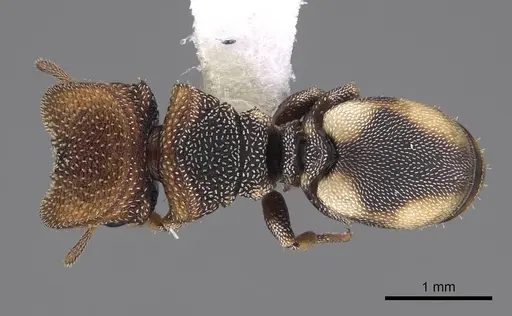
CASENT0922547
View on AntWeb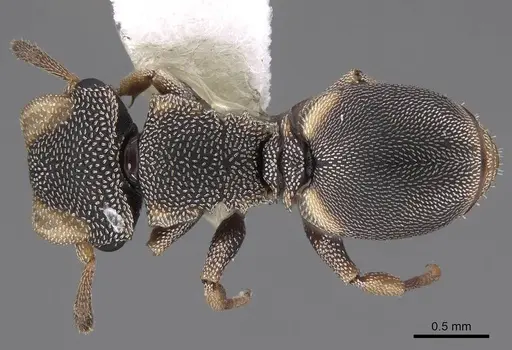
JTLC000006481
View on AntWeb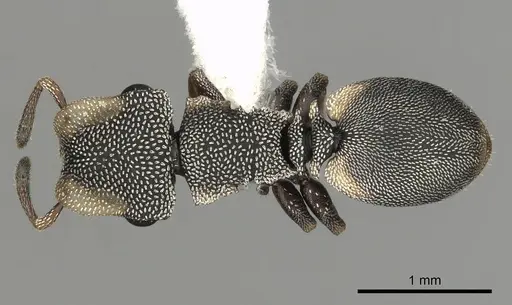
JTLC000006482
View on AntWeb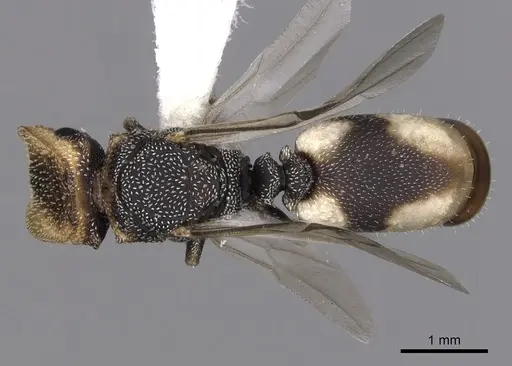
Literature
Loading...Loading products...