

Cephalotes jheringi
- Scientific Name
- Cephalotes jheringi
- Tribe
- Attini
- Subfamily
- Myrmicinae
- Author
- Emery, 1894
- Distribution
- Found in 2 countries
Cephalotes jheringi Overview
Cephalotes jheringi is an ant species of the genus Cephalotes. It is primarily documented in 2 countries , including Argentina, Paraguay. Detailed taxonomic data and occurrence records can be further explored via authoritative databases such as AntWeb or the Global Biodiversity Information Facility (GBIF).
Cephalotes jheringi
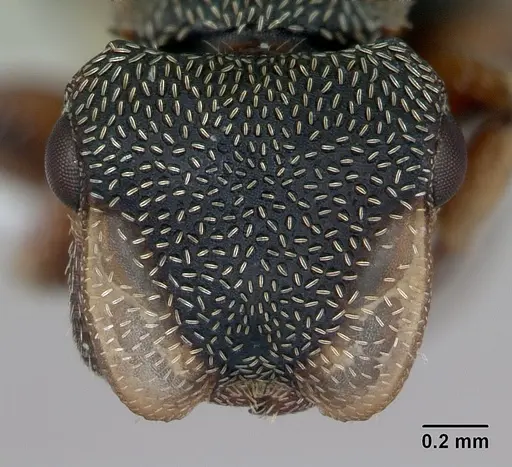
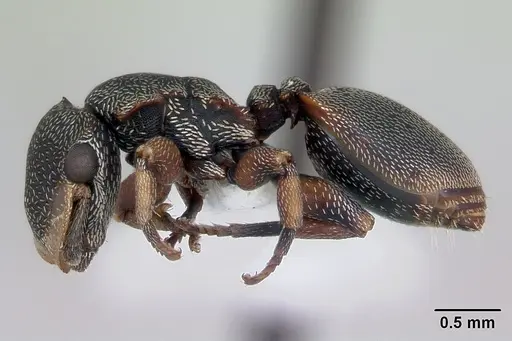
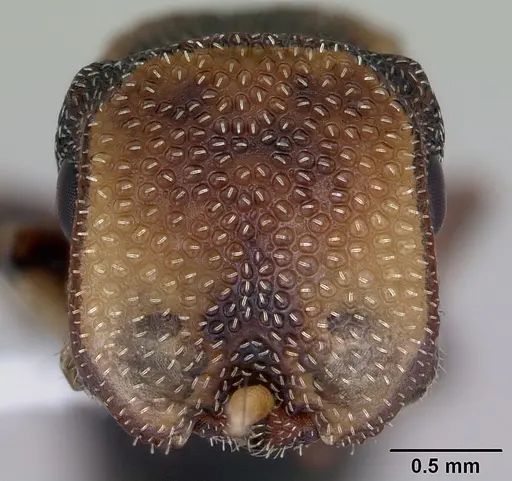
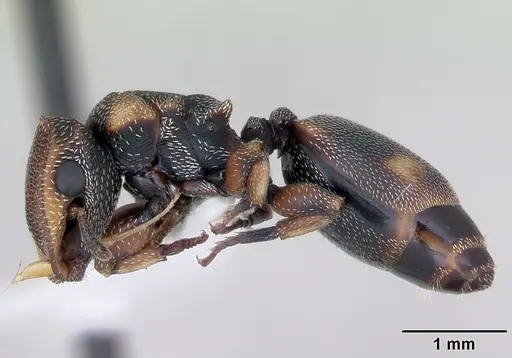
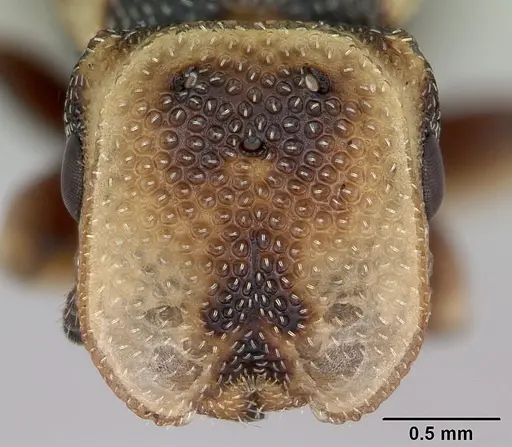
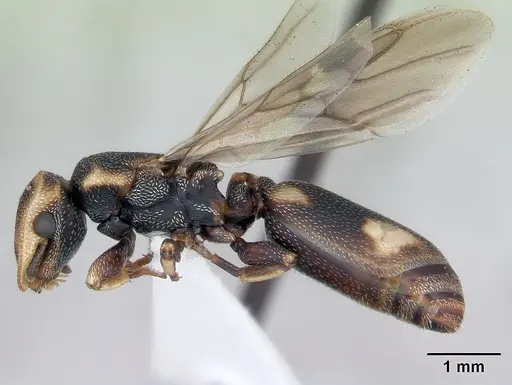
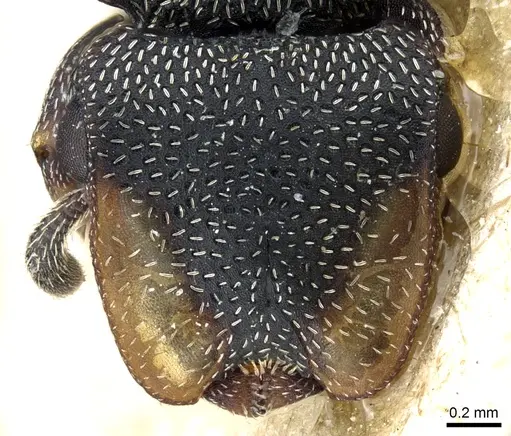
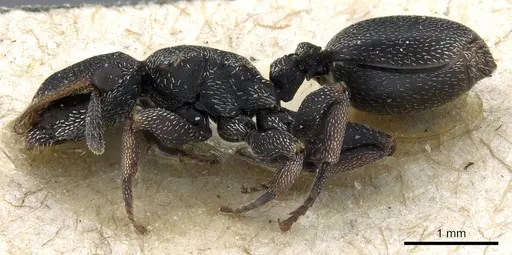
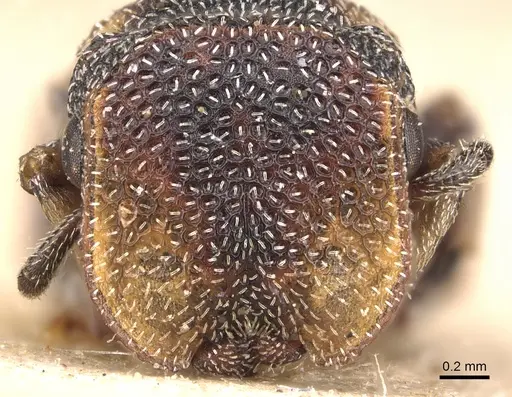
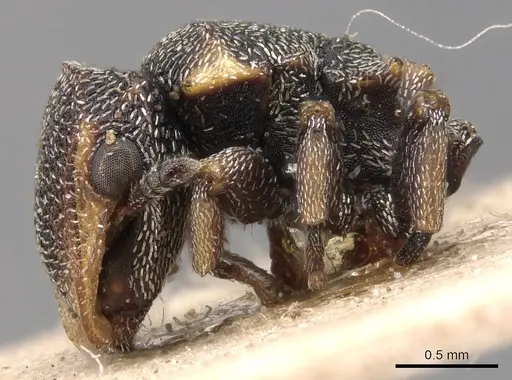
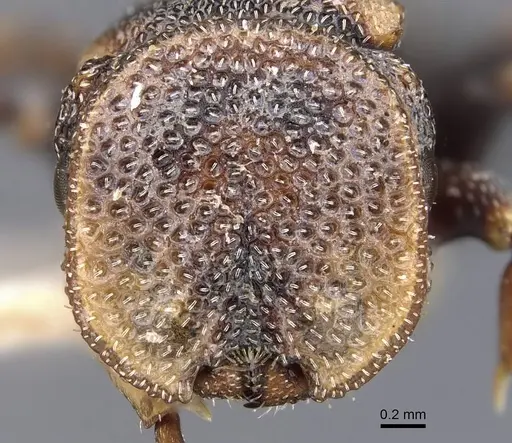
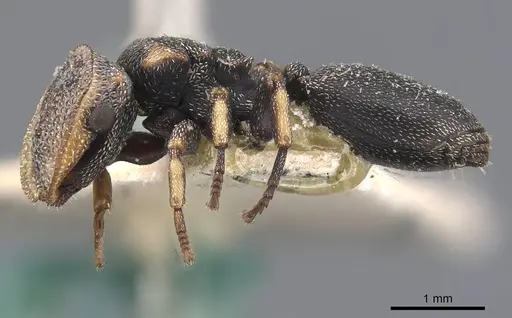
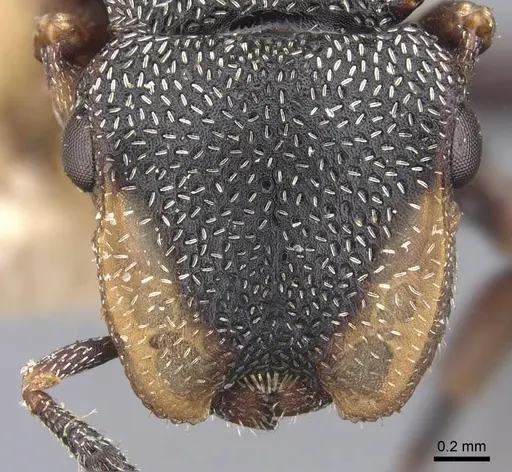
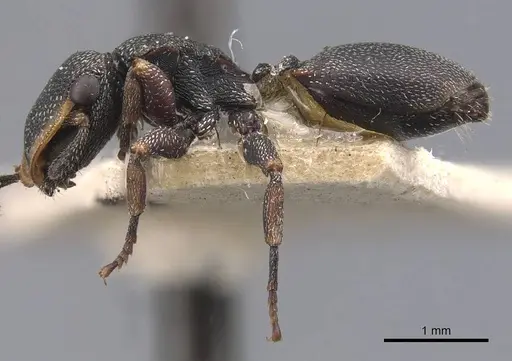
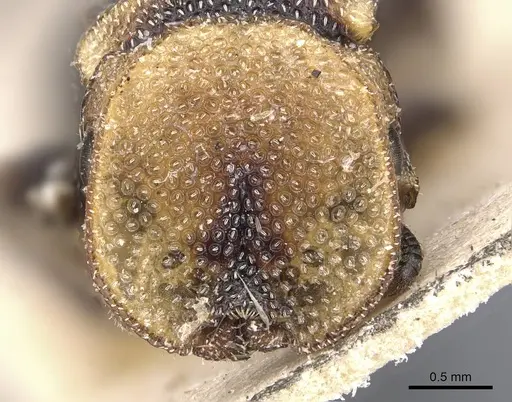
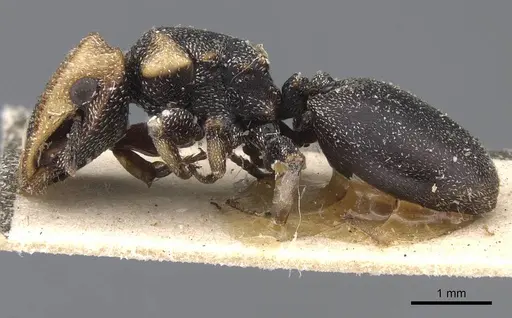
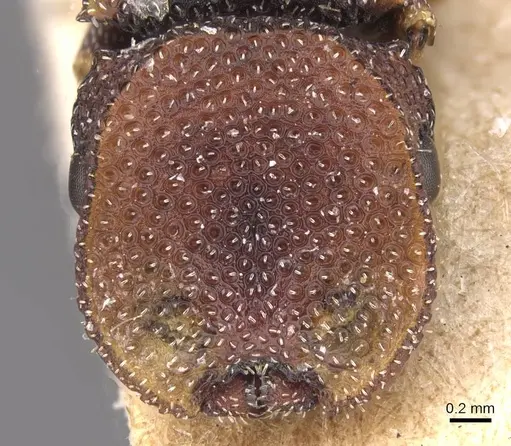
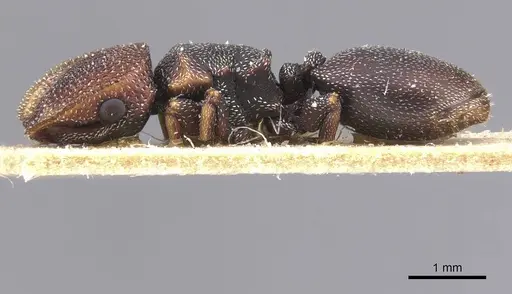
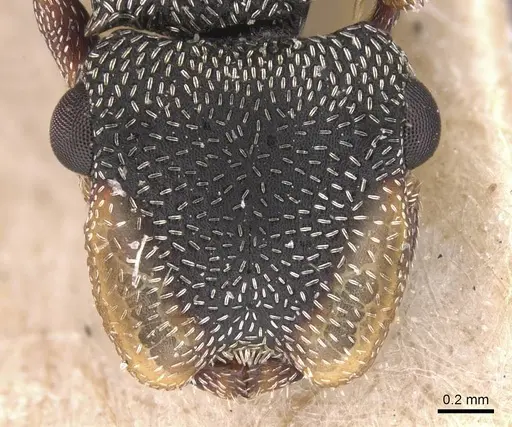
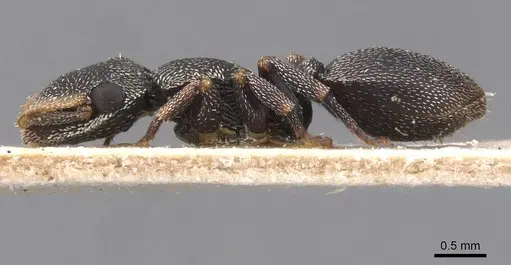
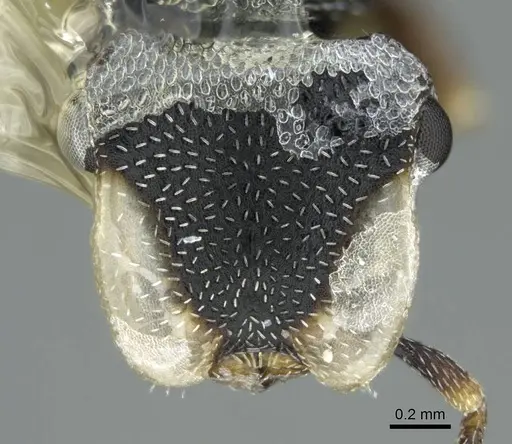
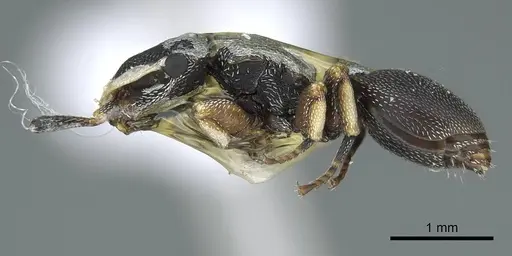
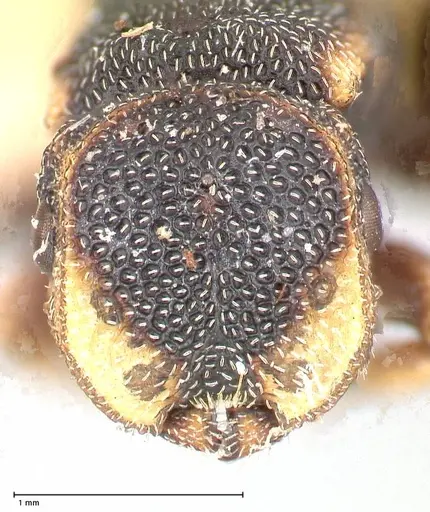
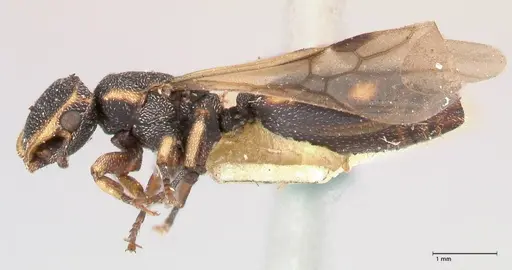
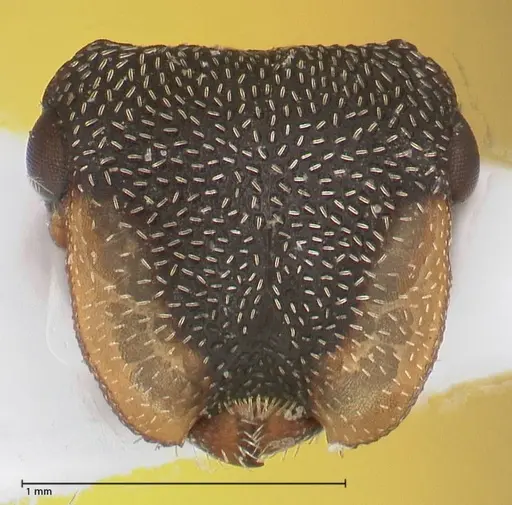
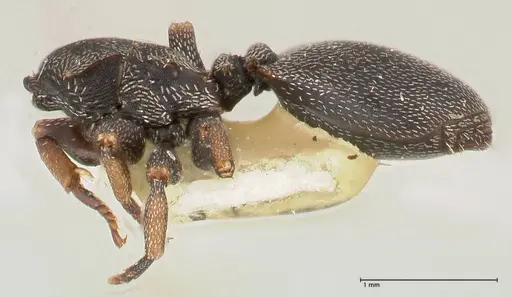
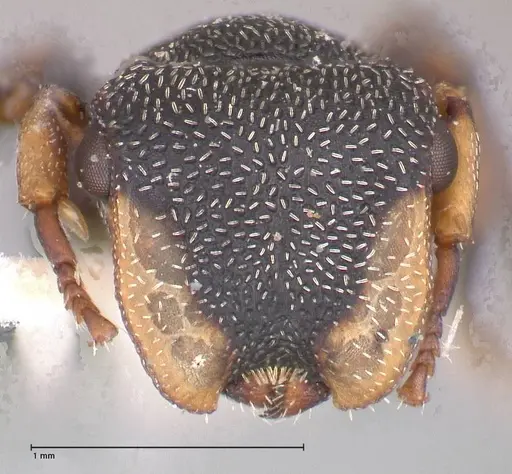
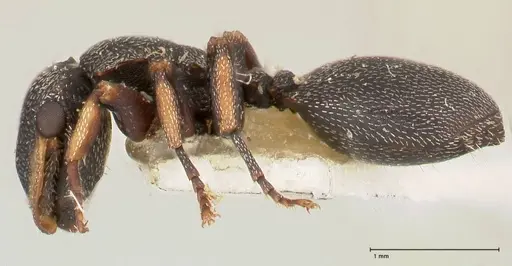
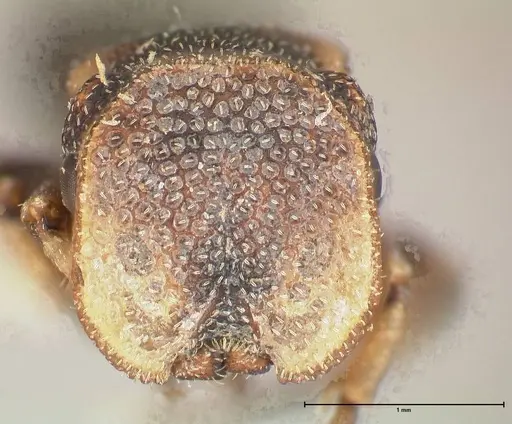
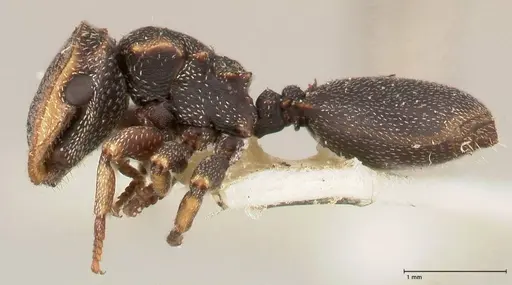
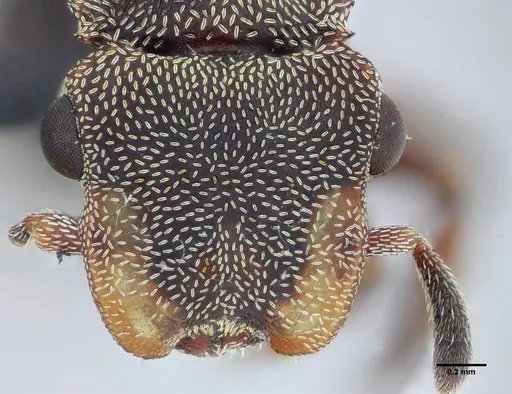
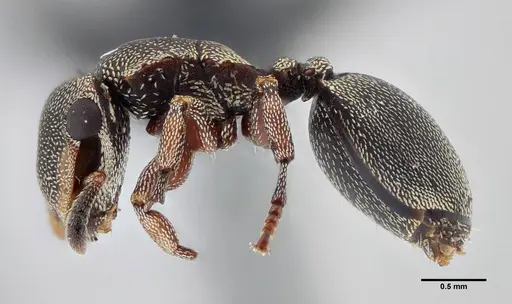
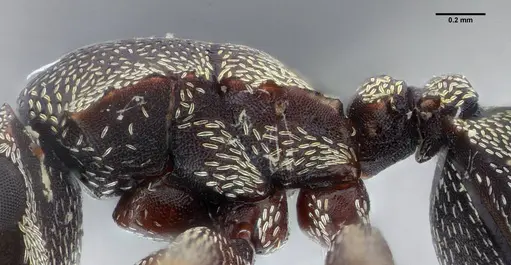
Cephalotes jheringi is a Neotropical turtle ant species found across Argentina, Brazil, and Paraguay. Workers measure 3.4-5.4mm while soldiers are notably larger at 6.2-8.0mm, and queens reach 7.3-9.0mm. This species belongs to the fiebrigi/bruchi group within the genus Cephalotes, characterized by their distinctive flattened head disc in soldiers and workers, pronotal spines, and gastral lobes with dark margins [1]. The species shows considerable color variation, soldiers can range from yellow to brown, and some specimens from Tafi Viejo in Tucumán have distinctive gastral spots.
Like other turtle ants, C. jheringi likely nests in hollow twigs, branches, and tree cavities in the Chaco region, a dry forest ecosystem spanning Paraguay, Bolivia, and Argentina [2]. The genus Cephalotes is known for their specialized arboreal nesting and their ability to form defensive 'door' formations using their shield-like heads. However, the specific biology of this species remains unstudied, no information exists on their founding behavior, colony size, or diet in captivity.
Quick Summary
- Difficulty: Unknown, likely Expert
- Origin & Habitat: Native to the Chaco region of South America, found in Argentina, Brazil, and Paraguay. The Chaco is a vast dry forest ecosystem with hot summers and mild winters [2].
- Colony Type: Colony structure is unconfirmed. Like other Cephalotes species, likely monogyne (single queen) but this has not been documented for this specific species.
- Size & Growth:
- Queen: 7.3-9.0mm
- Worker: 3.4-5.4mm
- Colony: Unknown, no colony size data exists for this species
- Growth: Unknown
- Development: Unknown, no development data exists for this species (This is one of the least-studied Cephalotes species. Related turtle ants typically take 2-3 months from egg to worker at warm temperatures, but this is unconfirmed for C. jheringi.)
- Antkeeping:
- Temperature: Based on Chaco climate (hot, seasonal), aim for 24-28°C with a gentle gradient. Room temperature (20-24°C) may be acceptable, observe colony activity and adjust.
- Humidity: Chaco region has distinct wet/dry seasons. Keep nest moderately humid with dry areas available. Mist occasionally and provide a water tube, avoid waterlogging.
- Diapause: Unknown, likely experiences seasonal slowdown given the Chaco climate has distinct winters. Consider a cool period (15-18°C) during winter months if colony shows reduced activity.
- Nesting: Turtle ants are arboreal nesters, they naturally inhabit hollow twigs, branches, and tree cavities. In captivity, they do well in Y-tong (acrylic) nests with narrow chambers, or naturalistic setups with cork bark or artificial twigs. They prefer tight, enclosed spaces scaled to their body size.
- Behavior: Cephalotes species are known for their defensive behaviors, soldiers can use their flattened head to block nest entrances. They are generally non-aggressive toward keepers but will defend against intruders. Workers are active foragers. Escape risk is moderate, use standard barriers but they are not particularly small or agile. Their slow movement makes them easy to contain.
- Common Issues: No biological data exists, this is one of the least-studied Cephalotes species, making care challenging, Colony founding may be difficult, no data on whether queens are claustral or semi-claustral, Wild-caught colonies may have parasites or diseases with no documented treatment, Temperature and humidity requirements are inferred, not confirmed, observe colony health closely, Growth rate is unknown so keepers cannot predict development timelines
Species Identification and Variability
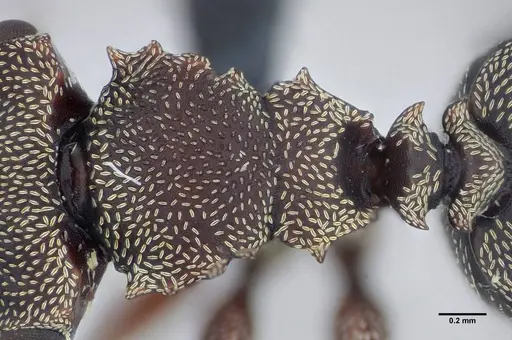
Cephalotes jheringi shows remarkable variation in size and coloration across its range. Workers range from 3.4-5.4mm with head shape varying by size, smaller workers have heads narrower than long while larger ones have heads broader than long. The pronotal spines can be more or less pointed even among specimens from the same nest. Propodeum bears 2-3 pairs of spines, rarely four.
Soldiers (6.2-8.0mm) exhibit even more dramatic color variation, head can be yellow to brown and rarely black. Some specimens with light-colored heads may have a black clypeus. The pronotum varies from completely yellow to brown. Small soldiers have gaster either entirely black or with orange-brown spots, while large soldiers regularly have two pairs of well-defined spots on the first gastral tergite. This variability is important for identification, don't rely on color alone when identifying this species. [1]
Distribution and Habitat
This species is found across the southern Neotropics: Argentina, Brazil (particularly Rio Grande do Sul), and Paraguay. It belongs to the fiebrigi/bruchi group and is exclusively Chacoan in distribution [2]. The Chaco is a vast subtropical dry forest region with pronounced seasonality, hot, humid summers and mild, drier winters.
Specimens have been recorded in Argentina's Santa Fe and Entre Ríos provinces [3][4], and in Brazil's Rio Grande do Sul. The species has been collected in native vegetation areas [5] and in Argentina (Ocampo) as part of studies on Argentine ants [6]. This broad but sparse distribution suggests the species is adaptable but not common in any particular location.
Nest Preferences and Housing
Like all Cephalotes species, C. jheringi is an arboreal nester. In the wild, they inhabit hollow twigs, branches, and pre-existing cavities in trees, they do not excavate their own nests like ground-nesting ants. This is critical for captive care.
For housing, Y-tong (acrylic) nests work well with chambers scaled to their size. Naturalistic setups using cork bark or artificial bamboo/twigs simulate their natural arboreal cavities. The key is providing tight, enclosed spaces, they prefer snug fit in their chambers. Avoid large, open formicaria designed for ground-nesting species.
Because they are arboreal, they do better with some elevation and access to an outworld where they can forage. A test tube setup can work for founding queens, but established colonies need proper arboreal-style housing.
Feeding and Diet
The diet of C. jheringi has not been documented, but Cephalotes species are typically omnivorous with a preference for carbohydrate sources and protein. In the wild, turtle ants often tend hemipterans (aphids, scale insects) for honeydew and may hunt small arthropods.
For captive feeding, offer sugar water or honey as a constant carbohydrate source. For protein, provide small insects (fruit flies, small crickets, mealworms) regularly. Some Cephalotes species accept seeds, but this is unconfirmed for C. jheringi. Start with standard ant foods and observe acceptance, they may be selective given the lack of documented diet preferences.
Temperature and Seasonal Care
Based on the Chaco climate, this species likely prefers warmer temperatures, aim for 24-28°C. They can likely tolerate room temperature (20-24°C) but may be more active when warmer. Provide a temperature gradient so the colony can choose its preferred zone.
The Chaco has distinct seasons, so expect some seasonal variation in activity. During winter (roughly May-September in the Southern Hemisphere), reduce temperature to 15-18°C if the colony shows reduced activity, this simulates their natural seasonal cycle. Do not feed heavily during this cool period. Return to warm temperatures in spring when activity increases.
Behavior and Defense
Cephalotes species are known for their unique defensive behaviors. Soldiers have a distinctive flattened, shield-like head disc that they can use to block nest entrances, creating a 'living door' to defend the colony. This is one of the most fascinating behaviors in the genus.
Workers are generally calm and not aggressive toward keepers. They move relatively slowly compared to many ant species, making them easy to observe and handle when necessary. However, they will defend their nest if threatened. The slow movement also means escape prevention is relatively easy, they cannot climb smooth surfaces as effectively as some other ants.
Frequently Asked Questions
How difficult is Cephalotes jheringi to keep?
Difficulty is unknown because this species has never been kept in captivity, no biological data exists. Based on genus patterns, expect challenges similar to other turtle ants: specific nesting requirements (arboreal cavities), unknown founding behavior, and potentially slow growth. This is not a species for beginners.
What do Cephalotes jheringi ants eat?
Diet is unconfirmed for this specific species. Based on genus patterns, they likely accept sugar water or honey as carbohydrates and small insects (fruit flies, small crickets, mealworms) for protein. Some turtle ants also eat seeds. Start with standard offerings and observe what they accept.
What size nest do they need?
Turtle ants are arboreal nesters, they naturally live in hollow twigs and branches. In captivity, use Y-tong nests with narrow chambers or naturalistic setups with cork bark. They prefer tight, enclosed spaces scaled to their body size, not large open chambers.
How long does it take for first workers to emerge?
Unknown, no development data exists for this species. Related Cephalotes species typically take 2-3 months from egg to worker at warm temperatures, but this is unconfirmed for C. jheringi. Be prepared for uncertainty.
Do they need hibernation?
Probably yes, the Chaco has distinct seasons with cooler winters. If your colony shows reduced activity during winter months, consider providing a cool period around 15-18°C for several months. Reduce feeding during this time.
Can I keep multiple queens together?
Unknown, colony structure has not been documented for this species. Most Cephalotes are monogyne (single queen), but some can be polygynous. Do not combine unrelated queens without documented evidence this species accepts it.
How big do colonies get?
Unknown, no colony size data exists for this species. Related turtle ants typically form colonies of several hundred to a few thousand workers. Expect moderate colony growth over several years.
What temperature should I keep them at?
Based on their Chaco origin, aim for 24-28°C. Room temperature (20-24°C) may be acceptable, observe your colony's activity level. Provide a gradient so they can choose their preferred temperature zone.
Where is Cephalotes jheringi found?
Argentina, Brazil (particularly Rio Grande do Sul), and Paraguay. They are part of the Chacoan fauna, a dry forest region spanning southern South America.
Is this species good for beginners?
No, this is not a species for beginners. No biological data exists for this species, meaning all care must be inferred from genus patterns. There are many easier turtle ants (like C. varians) with documented care. This species is for experienced keepers interested in a challenge.
References

This caresheet is licensed under CC BY-SA 4.0 .
CASENT0173682
View on AntWeb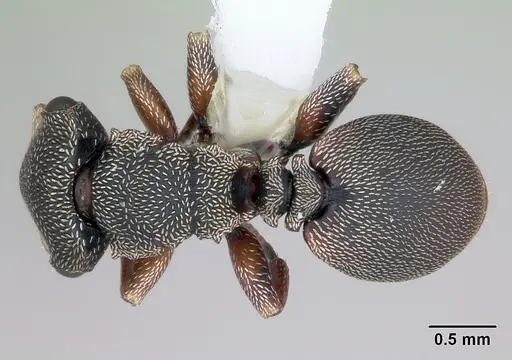
CASENT0173683
View on AntWeb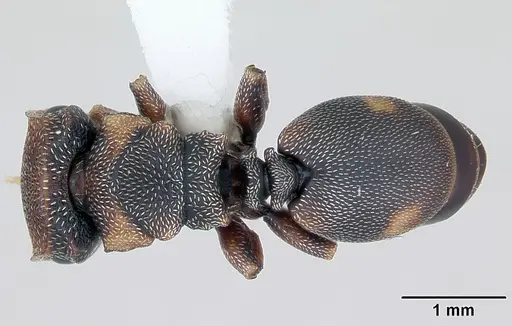
CASENT0173684
View on AntWeb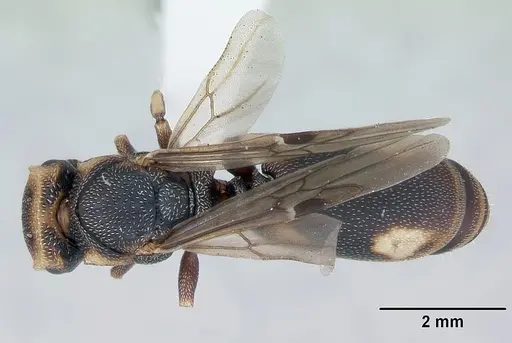
CASENT0904905
View on AntWeb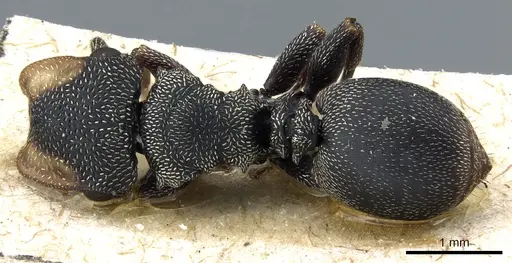
CASENT0904919
View on AntWeb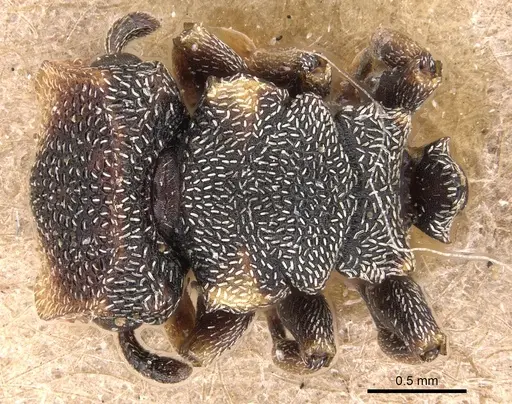
CASENT0909285
View on AntWeb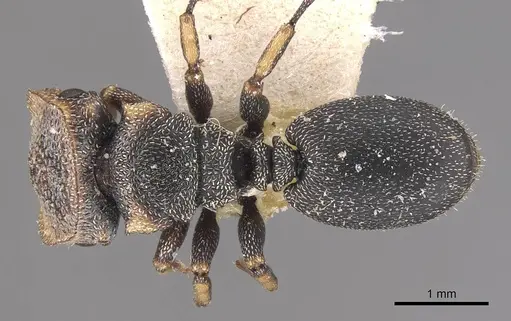
CASENT0909286
View on AntWeb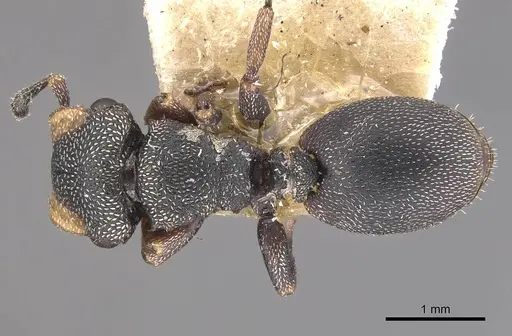
CASENT0909287
View on AntWeb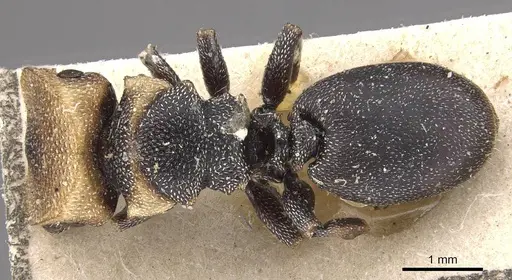
CASENT0912601
View on AntWeb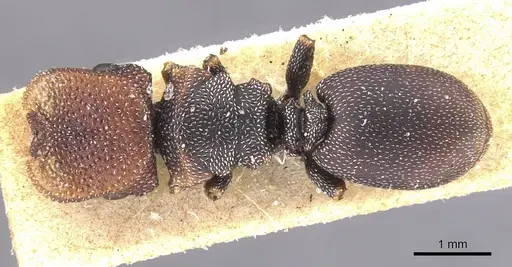
CASENT0912602
View on AntWeb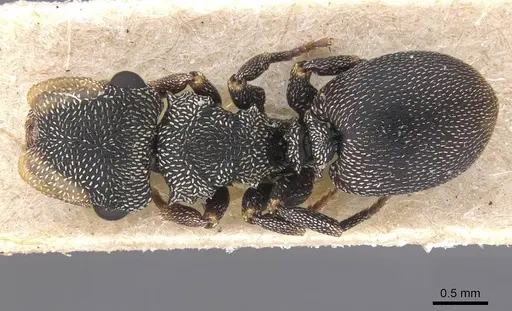
CASENT0914463
View on AntWeb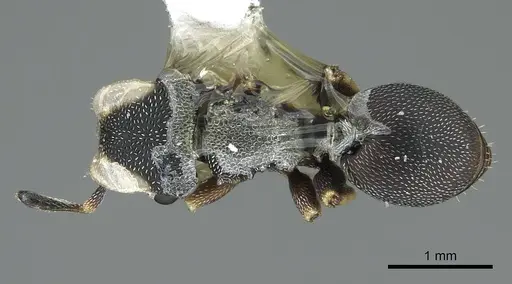
FOCOL0668
View on AntWeb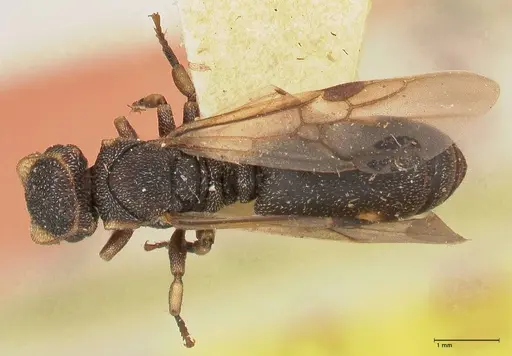
FOCOL0669
View on AntWeb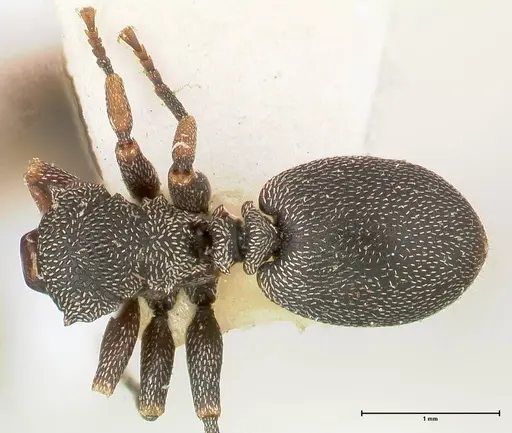
FOCOL0670
View on AntWeb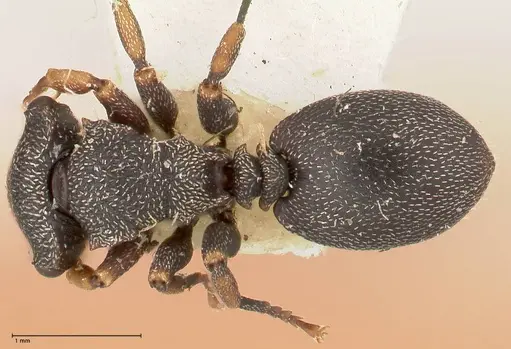
FOCOL0671
View on AntWeb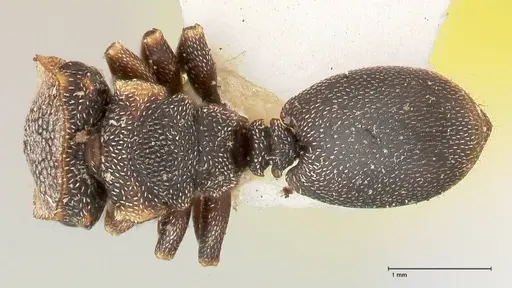
UFV-LABECOL-004437
View on AntWeb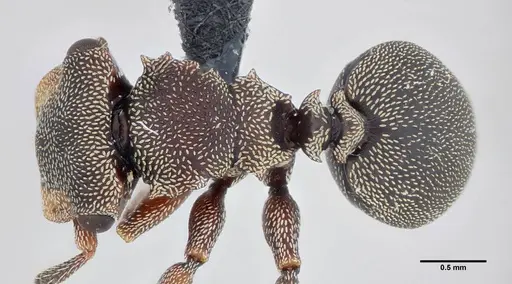
Literature
Loading...Loading products...