

Cephalotes incertus
- Scientific Name
- Cephalotes incertus
- Tribe
- Attini
- Subfamily
- Myrmicinae
- Author
- Emery, 1906
- Distribution
- Found in 3 countries
Cephalotes incertus Overview
Cephalotes incertus is an ant species of the genus Cephalotes. It is primarily documented in 3 countries , including Argentina, Brazil, Paraguay. Detailed taxonomic data and occurrence records can be further explored via authoritative databases such as AntWeb or the Global Biodiversity Information Facility (GBIF).
Cephalotes incertus
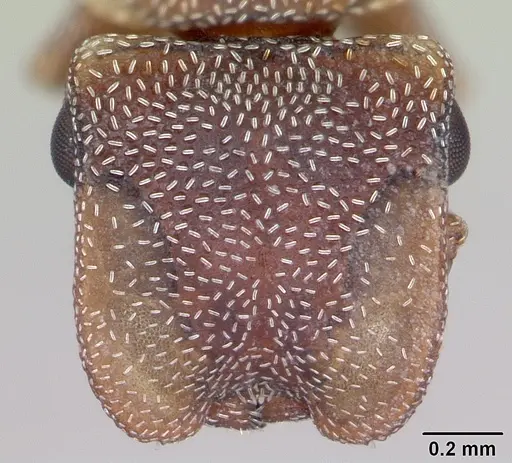
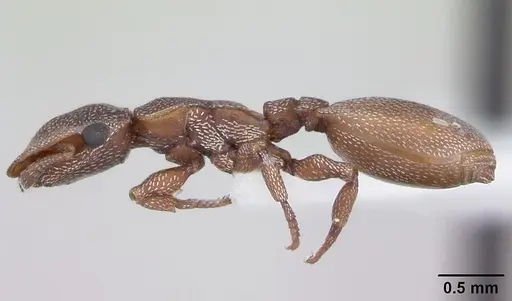
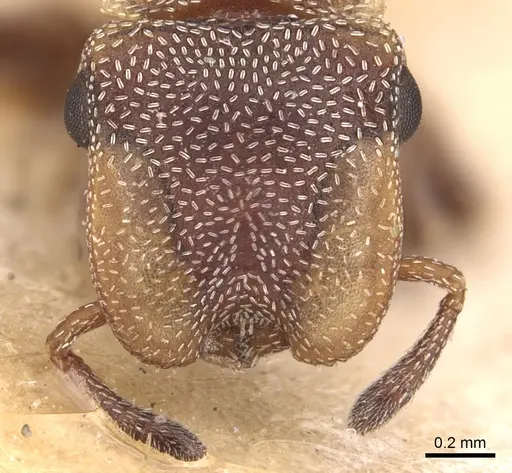
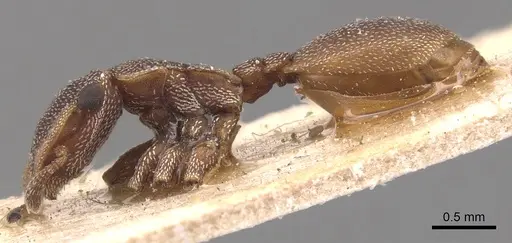
Cephalotes incertus is a small Neotropical ant belonging to the Myrmicinae subfamily, part of the pinelii species group. Workers measure 3.4-4.4mm and have a distinctive flattened appearance with a lobate gaster (the rear segment of the abdomen). This species has the lightest body coloration within its clade, appearing ferruginous (rusty brown) with lighter membranaceous borders on the thorax and frontal carinae. Queens reach about 5.3mm, while soldiers are larger at 4.8-5.4mm with a characteristic quadrate head and well-developed cephalic disc. The species occurs across southern Brazil, Paraguay, and northern Argentina, where it inhabits forest fragments and regenerating woodland areas.
Quick Summary
- Difficulty: Medium
- Origin & Habitat: Neotropical species found in Brazil, Argentina, and Paraguay. It inhabits forest fragments, regeneration areas, and the southern Brazilian grasslands (Pampa biome). Classified as a Tropical Climate Specialist (TCS) in Argentine ant surveys [1].
- Colony Type: Colony structure is unconfirmed. As a Cephalotes species, they likely form single-queen colonies (monogyne) typical of the genus, but this has not been directly studied.
- Size & Growth:
- Queen: 5.28mm
- Worker: 3.4-4.4mm
- Colony: Unknown, no colony size data exists for this species
- Growth: Unknown, no development timing data exists for this species
- Development: Unknown, no direct observations of development timing exist for this species. Based on typical Cephalotes patterns, expect 6-10 weeks at warm tropical temperatures, but this is an estimate. (Development timeline has not been directly studied. The estimate is based on genus-level patterns for related turtle ants.)
- Antkeeping:
- Temperature: Keep at 24-28°C. As a Tropical Climate Specialist from southern Brazil and Argentina, they prefer warm conditions. Avoid temperatures below 20°C. A heating cable on one side of the nest creates a suitable gradient.
- Humidity: Moderate to high humidity (60-80%). These are forest-dwelling ants that prefer damp but not waterlogged conditions. Provide a moist nest substrate and occasional misting, but ensure good ventilation to prevent mold.
- Diapause: Unconfirmed, likely minimal or no true diapause given their tropical/subtropical distribution. They may show reduced activity during cooler winter months but probably do not require a hibernation period.
- Nesting: In nature, Cephalotes species typically nest in hollow twigs, dead wood, and plant cavities. In captivity, they do well in Y-tong (acrylic) nests, plaster nests, or naturalistic setups with hollow twigs/branches. They prefer tight-fitting chambers scaled to their small size.
- Behavior: Turtle ants are generally calm and non-aggressive. Workers are slow-moving and spend much of their time foraging on vegetation and tree bark, where they hunt small arthropods and tend honeydew-producing insects. They have a distinctive flattened body that helps them navigate through narrow plant cavities. Escape risk is moderate, their small size means they can slip through small gaps, so use fine mesh barriers. They are not known for stinging.
- Common Issues: biology is completely unconfirmed, everything about their captive care is based on genus-level assumptions rather than species-specific research, no documented diet preferences exist, keepers must experiment with protein sources and sugar water, colony size potential is unknown, start small and be prepared for potentially slow growth, escape prevention is important due to their small worker size, wild-caught colonies may carry parasites or pathogens since nothing is known about their health in captivity
Nest Preferences and Housing
Cephalotes incertus is a cavity-nesting species that in the wild occupies hollow twigs, dead branches, and plant stems. In captivity, they do best in Y-tong (acrylic) nests or plaster nests with narrow chambers that match their small size. Naturalistic setups with actual twigs or small branches work well if you can maintain proper humidity within them. The key is providing tight chambers, these ants feel secure in snug spaces. Test tubes can work for founding colonies but may need to be moved to a more elaborate setup as the colony grows. Whatever nest type you choose, ensure it has good ventilation to prevent mold while maintaining adequate humidity.
Feeding and Diet
The diet of Cephalotes incertus has not been documented in scientific literature. Based on typical Cephalotes behavior, they are likely omnivorous, feeding on small arthropods, honeydew from aphids and scale insects, and possibly nectar. In captivity, offer a varied diet including small live prey (fruit flies, pinhead crickets, mealworms), protein jelly or insects, and sugar water or honey. Start with small amounts of each and observe what they accept. Remove uneaten food within 24-48 hours to prevent mold. Since nothing is known about this species' specific preferences, be prepared to experiment and document what works for your colony.
Temperature and Seasonal Care
As a species from Brazil, Argentina, and Paraguay, Cephalotes incertus prefers warm conditions. Keep the nest area at 24-28°C for optimal activity and potential brood development. A heating cable on one side of the nest creates a temperature gradient that allows ants to regulate their own temperature. Avoid temperatures below 20°C for extended periods. Their classification as Tropical Climate Specialists (TCS) suggests they are adapted to relatively stable warm conditions [1]. During cooler winter months, you may see reduced activity, but a true hibernation period is unlikely given their subtropical distribution. If anything, maintain their temperature year-round rather than inducing a diapause.
Behavior and Colony Dynamics
Cephalotes ants are known for their distinctive flattened body shape and slow, deliberate movement. Workers are not aggressive and rarely sting. They are primarily arboreal or ground-foraging in forest environments, where they hunt small prey and collect honeydew. The worker caste has a distinctive lobate gaster (abdomen with lobe-like structures) that helps distinguish this species from related species like Cephalotes caribicus. Colonies likely grow moderately, Cephalotes species are not known for explosive colony growth. Queen longevity is unknown for this species. Start with a founding queen and be patient, growth will likely be slow compared to faster-moving Myrmicines.
Important Notes on This Species
Cephalotes incertus is one of the least studied ant species in the hobby. AntWiki explicitly states that nothing is known about the biology of this species. Every aspect of captive care, from founding behavior to diet preferences to colony size, must be inferred from genus-level patterns or guessed based on similar species. This makes it a species for keepers who enjoy experimentation and careful observation. Document your findings thoroughly. What you discover could be the first information ever recorded about this ant's captive behavior. Do not expect to find care guides specifically for C. incertus, you are essentially pioneering its husbandry.
Frequently Asked Questions
How long does it take for Cephalotes incertus to produce first workers?
The egg-to-worker timeline is unknown for this species. Based on typical Cephalotes genus patterns, expect 6-10 weeks at warm temperatures (24-28°C), but this is an estimate. The actual timeline may be longer or shorter, only careful observation of your colony will tell you.
What do Cephalotes incertus ants eat?
Diet is unconfirmed for this species. Based on related Cephalotes ants, they likely accept small live prey (fruit flies, small insects), protein sources, and sugar water or honey. Start with varied offerings and observe what your colony accepts. Remove uneaten food promptly.
Are Cephalotes incertus good for beginners?
No. This species is not recommended for beginners. Its biology is completely unconfirmed, nothing is known about its founding behavior, diet preferences, development timeline, or colony size. Every aspect of care requires experimentation. Only experienced antkeepers comfortable with uncertainty should attempt this species.
What temperature do Cephalotes incertus need?
Keep them warm at 24-28°C. As a Neotropical species from Brazil and Argentina, they prefer tropical conditions. A heating cable on part of the nest creates a gradient. Avoid temperatures below 20°C.
Can I keep multiple Cephalotes incertus queens together?
Colony structure is unconfirmed for this species. Cephalotes are typically monogyne (single queen), but polygyny has been observed in some species. Combining unrelated queens has not been documented and is not recommended.
How big do Cephalotes incertus colonies get?
Maximum colony size is unknown, no scientific data exists on colony size for this species. Based on genus patterns, expect moderate-sized colonies, likely under a few hundred workers. Growth is likely slow compared to many Myrmicines.
Do Cephalotes incertus need hibernation?
Diapause is unconfirmed and unlikely. As a species from subtropical Brazil and Argentina, they probably do not require a winter rest period. Maintain warm temperatures year-round.
Why is Cephalotes incertus so hard to find care information for?
AntWiki explicitly states that nothing is known about the biology of Cephalotes incertus. This is one of the least studied ant species in the world. All care information must be inferred from genus-level patterns or guessed from similar species. Keeping this species is essentially pioneering its husbandry.
References

This caresheet is licensed under CC BY-SA 4.0 .
CASENT0173681
View on AntWeb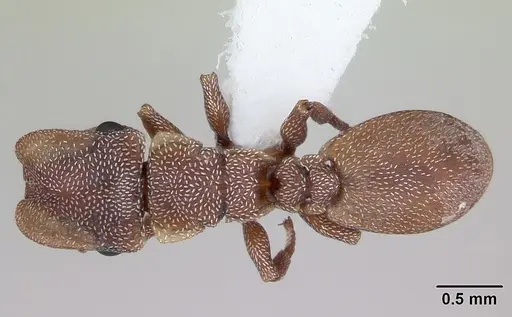
CASENT0904915
View on AntWeb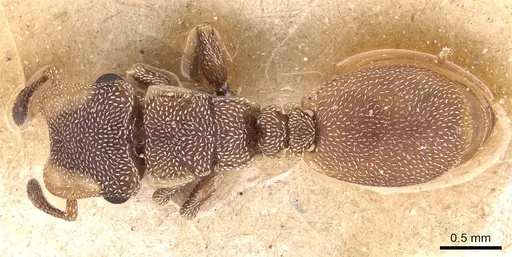
Literature
Loading...Loading products...