

Cephalotes inca
- Scientific Name
- Cephalotes inca
- Tribe
- Attini
- Subfamily
- Myrmicinae
- Author
- Santschi, 1911
- Distribution
- Found in 1 countries
Cephalotes inca Overview
Cephalotes inca is an ant species of the genus Cephalotes. It is primarily documented in 1 countries , including Ecuador. Detailed taxonomic data and occurrence records can be further explored via authoritative databases such as AntWeb or the Global Biodiversity Information Facility (GBIF).
Cephalotes inca
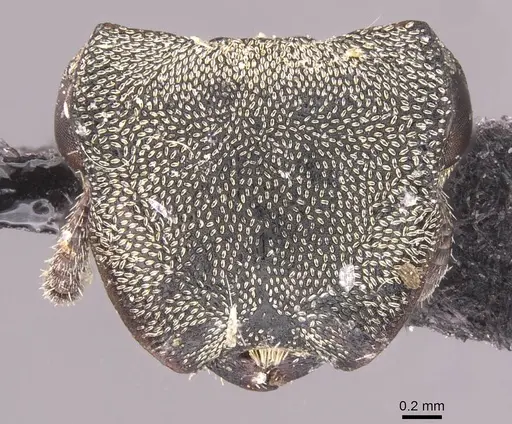
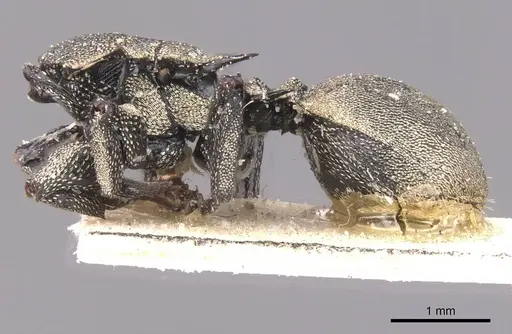
Cephalotes inca is a striking turtle ant native to the dry forests of Peru and Ecuador. Workers measure 5.46-6.44mm with a distinctive flattened, shield-like head and specialized features including upturned frontal carinae, triangular vertexal teeth, and elongated propodeal and petiolar spines. Queens are substantially larger at 11.60-11.78mm and lack the yellow gastral spots found in their close relative C. basalis. This species belongs to the basalis clade and has been collected from dry thorn forest habitats in the Neotropical region [1].
Quick Summary
- Difficulty: Medium
- Origin & Habitat: Native to Peru and Ecuador in the Neotropical region. Specimens have been collected from dry thorn forest at elevations ranging from near sea level to 400m [1][2]. Found in dry forest (Bosque Seco) ecological zones in northern Peru.
- Colony Type: Colony structure is not well documented in scientific literature. Cephalotes species typically form single-queen colonies with colony sizes reaching several thousand workers in related species. The genus is known for having specialized soldier castes with shield-like heads for nest defense.
- Colony: Monogyne
- Founding: Claustral
- Size & Growth:
- Queen: 11.60-11.78mm
- Worker: 5.46-6.44mm
- Colony: Estimated several thousand workers based on related Cephalotes species [1]
- Growth: Moderate, typical for tropical Myrmicinae
- Development: Estimated 6-10 weeks at tropical temperatures based on genus-level data for Cephalotes (Development time is inferred from related species in the genus. Warm tropical conditions (24-28°C) will accelerate development.)
- Antkeeping:
- Temperature: Keep at 24-28°C. This is a tropical species from dry forests in Peru and Ecuador, so warmth is important. A heating cable on one side of the nest creates a suitable gradient [1].
- Humidity: Moderate humidity around 50-70%. These ants come from dry thorn forest, so they tolerate drier conditions than many tropical ants. Allow the nest to dry out partially between waterings.
- Diapause: No, as a tropical species from lowland Peru and Ecuador, they do not require hibernation. Keep temperatures stable year-round.
- Nesting: In captivity, Y-tong (AAC) nests or plaster nests work well. These ants naturally nest in tree cavities and rotting wood. Provide narrow chambers scaled to their size. Avoid overly humid conditions that could cause mold.
- Behavior: Turtle ants are generally docile and non-aggressive. Workers are slow-moving and spend most of their time foraging in the upper canopy in nature. They have a specialized soldier caste with shield-like heads that can block nest entrances. They feed on honeydew, nectar, and small insects. Escape risk is moderate, use standard formicarium barriers but they are not particularly good climbers compared to some Myrmicinae.
- Common Issues: tropical species requires consistent warmth, cold temperatures will slow or stop brood development, dry forest origin means they can tolerate drier conditions, avoid overwatering the nest, slow growth compared to temperate species may frustrate beginners expecting rapid colony development, limited availability in the antkeeping hobby, this is not a common species in captivity, wild-caught colonies may carry parasites that can cause colony failure in captivity
Housing and Nest Setup
Cephalotes inca does well in Y-tong (acrylic) nests or plaster formicariums. These ants naturally nest in tree cavities and rotting wood, so provide chambers that mimic these tight spaces. The workers are medium-sized (5-6mm) so standard chamber dimensions work well. A water tube for humidity is sufficient, these dry forest ants don't need high moisture levels. Keep the nest area relatively dry with just one damp section for the brood chamber. Outworld space should allow for foraging, a simple foraging area works fine since they're not particularly active or aggressive. [1]
Feeding and Diet
Like other Cephalotes species, C. inca likely feeds on honeydew from sap-sucking insects, flower nectar, and small insects. In captivity, offer sugar water or honey water as a constant food source. For protein, provide small insects like fruit flies, small crickets, or mealworm pieces. They are not aggressive foragers, so place food near the nest entrance. Remove uneaten protein after 24-48 hours to prevent mold. Related Cephalotes species are known to tend aphids and scale insects for honeydew, so this species likely has similar dietary preferences. [1]
Temperature and Seasonal Care
As a tropical species from Peru and Ecuador, Cephalotes inca requires warm conditions year-round. Keep the nest at 24-28°C for optimal brood development. Temperatures below 20°C will slow their metabolism and may stop brood development entirely. A small heating cable on one side of the nest creates a temperature gradient that allows the ants to regulate their own temperature. Do not hibernate this species, they have no diapause requirement. Room temperature in heated homes (around 22-24°C) is usually suitable, but monitor with a thermometer to ensure consistency. [1]
Behavior and Colony Dynamics
Cephalotes ants are known for their docile temperament and unique social structure. This species likely has a soldier caste, workers with enlarged, shield-like heads that can block nest entrances for defense. Colonies develop moderately and can grow quite large over time. Workers are slower-moving than many Myrmicinae, reflecting their canopy-dwelling lifestyle. They are not aggressive and rarely sting. The genus name 'Cephalotes' means 'head' in Greek, referring to their distinctive head shape. In the wild, they forage in trees and can even glide short distances if they fall, though this behavior is less documented than in some related species. [1]
Frequently Asked Questions
How long does it take for Cephalotes inca to raise their first workers?
Based on related Cephalotes species, expect 6-10 weeks from egg to first worker at optimal temperatures (24-28°C). Development is slower than many temperate ant species. Be patient, tropical ants often take longer to develop but can eventually form large, impressive colonies.
What do Cephalotes inca ants eat?
Feed them sugar water or honey water constantly, plus small insects like fruit flies, small crickets, or mealworm pieces 2-3 times per week. They likely also feed on honeydew in the wild, so sugar sources are important. Remove uneaten protein within 48 hours to prevent mold.
Can I keep multiple Cephalotes inca queens together?
This is not recommended. Cephalotes species typically form single-queen colonies. Combining unrelated foundress queens has not been documented for this species and would likely result in fighting. Start with one mated queen for best success.
What temperature do Cephalotes inca ants need?
Keep them warm at 24-28°C. This is a tropical species from Peru and Ecuador that does not tolerate cold. Use a heating cable on one side of the nest to create a gradient, or ensure your room stays consistently warm. Temperatures below 20°C will slow or stop brood development.
Are Cephalotes inca good for beginners?
This species is rated as medium difficulty. They are more challenging than common species like Lasius or Tetramorium because they require warm temperatures year-round, grow more slowly, and are less commonly available. However, their docile nature and interesting appearance make them rewarding for keepers willing to provide proper tropical conditions.
Do Cephalotes inca need hibernation?
No, they do not require hibernation. As a tropical species from lowland Peru and Ecuador, they need consistent warmth year-round. Do not attempt to cool them down in winter, maintain the same temperature range (24-28°C) throughout the year.
How big do Cephalotes inca colonies get?
Based on related species, colonies can reach several thousand workers over several years. They are not as prolific as some Myrmicinae but can still form substantial colonies with proper care. The presence of a soldier caste helps with colony defense as the population grows.
Why is my Cephalotes inca colony declining?
Common causes include: temperatures too low (below 20°C stops development), excessive humidity (they're from dry forests), mold from overfeeding or poor ventilation, or parasites from wild-caught colonies. Review your temperature, humidity, and feeding practices. If the colony was wild-caught, parasites are a common issue that often causes decline.
References

This caresheet is licensed under CC BY-SA 4.0 .
CASENT0217837
View on AntWeb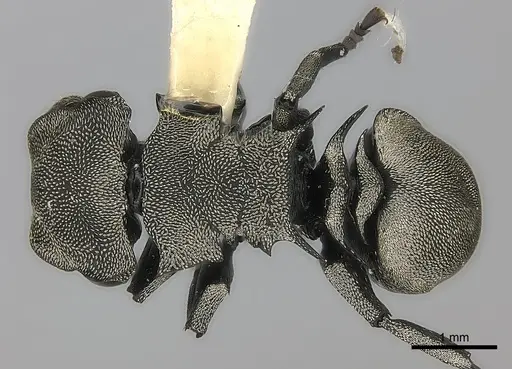
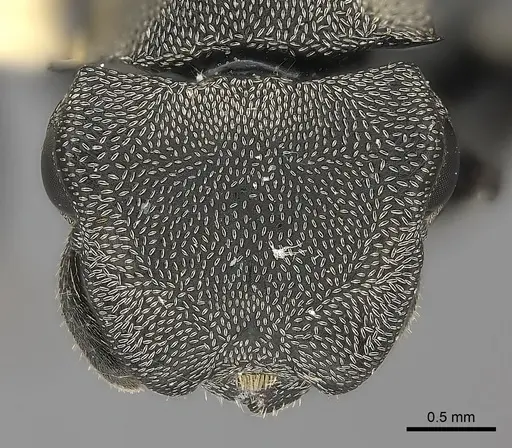
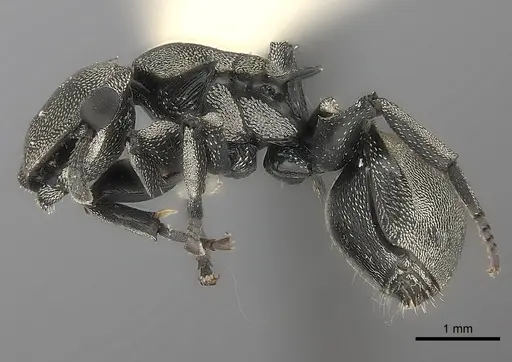
CASENT0912600
View on AntWeb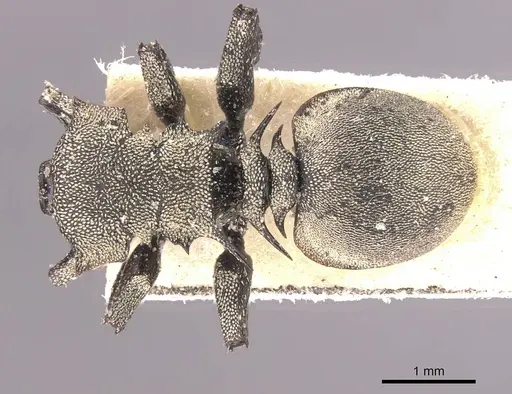
Literature
Loading...Loading products...