

Cephalotes goniodontus
- Scientific Name
- Cephalotes goniodontus
- Tribe
- Attini
- Subfamily
- Myrmicinae
- Author
- De Andrade, 1999
- Distribution
- Found in 1 countries
Cephalotes goniodontus Overview
Cephalotes goniodontus is an ant species of the genus Cephalotes. It is primarily documented in 1 countries , including Mexico. Detailed taxonomic data and occurrence records can be further explored via authoritative databases such as AntWeb or the Global Biodiversity Information Facility (GBIF).
Cephalotes goniodontus
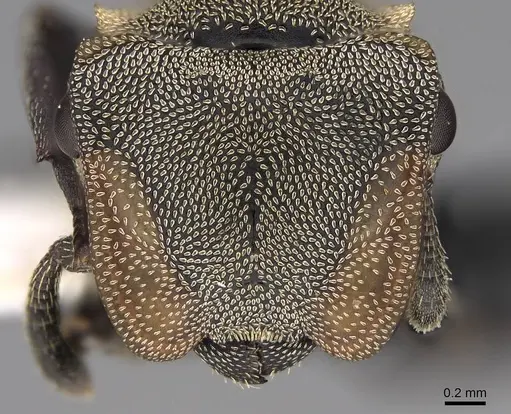
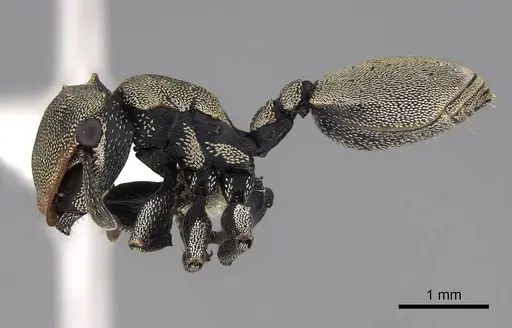
Cephalotes goniodontus is a striking arboreal ant native to the tropical dry forests of western Mexico, specifically Nayarit. Workers measure 5.4-5.9mm and are predominantly black with distinctive ferruginous (rusty) markings on the frontal carinae, leg tips, and funicular segments, plus a single yellow spot on each corner of the gaster. Soldiers are larger at 7.1-7.3mm and have a more pronounced head and thorax. This species belongs to the multispinosus clade and is easily recognized by the broad, triangular tooth on each side of the propodeum. What makes these ants remarkable is their highly sophisticated trail network system, they create and maintain complex paths through the vegetation canopy, connecting multiple nests in a circuit that can span over 50 meters. They are polygynous (multiple queens) and polydomous (multiple nest sites), living exclusively in the tree canopy and never descending to the ground.
Quick Summary
- Difficulty: Medium
- Origin & Habitat: Western Mexico (Nayarit), tropical dry forest canopy [1][2]. Nests in burrows in rotten wood created by larval beetles within dead tree branches [3][4].
- Colony Type: Polygynous (multiple queens) and polydomous (multiple connected nests). Colonies maintain a circuit of several nests linked by trail networks in the vegetation [5]. Small colonies up to approximately 1,000 workers [6].
- Colony: Polygyne
- Size & Growth:
- Queen: Not directly measured in type material, related species suggest 8-10mm. Signal if estimated.
- Worker: 5.4-5.9mm [1]
- Colony: Up to 1,000 workers [6]
- Growth: Unknown, likely moderate based on related Cephalotes species
- Development: Unconfirmed, no direct development data exists for this species. Estimates based on related Cephalotes suggest 6-10 weeks at optimal temperature. (Development timeline has not been directly studied. Related turtle ant species typically take 6-10 weeks from egg to worker at tropical temperatures.)
- Antkeeping:
- Temperature: Keep at 22-28°C. As a tropical arboreal species from western Mexico, they likely prefer warmer conditions. A gentle gradient allowing them to choose their preferred temperature is ideal [6].
- Humidity: Moderate humidity around 50-70%. These ants live in tropical dry forest canopy where conditions are not extremely humid. Provide some moisture but ensure good ventilation to prevent stagnation [3][6].
- Diapause: No, being a tropical species, they do not require hibernation. Maintain consistent temperatures year-round [6].
- Nesting: Arboreal setup is essential. They nest in rotten wood burrows, so provide wooden or cork nest structures with narrow chambers. Multiple nest sites connected by foraging areas replicate their natural polydomous structure. A naturalistic setup with branches, vines, and multiple nest boxes works well [3][5].
- Behavior: Generally peaceful and non-aggressive. These ants are arboreal and highly specialized for life in the vegetation canopy, they will not do well in ground-based setups. They form sophisticated trail networks using pheromone trails, connecting multiple nest sites. Workers forage along vegetation, collecting nectar, plant sap, and honeydew. They are not known to sting and pose no danger to keepers. Escape prevention is important, they are good climbers and will exploit any gaps. They prioritize trail network coherence over finding shortest paths, meaning once a trail is established, they maintain it tenaciously [6][3][5].
- Common Issues: arboreal nature makes standard ground-based formicariums unsuitable, they need vertical space and vegetation, polydomous colonies need multiple connected nest sites to thrive, single nest setups may cause stress, escape risk is significant due to their climbing ability, seal all gaps thoroughly, limited availability in the antkeeping hobby since they're rarely collected, tropical requirements mean they need consistent warmth year-round, room temperature may be insufficient in cooler climates
Housing and Nest Setup
Cephalotes goniodontus requires an arboreal setup that mimics their natural canopy habitat. Standard horizontal formicariums are not suitable, these ants live and forage in the vegetation layer and need vertical space. Provide multiple nest sites connected by foraging areas. Wooden or cork nest structures with narrow chambers work well, as they naturally nest in rotten wood burrows created by beetle larvae. Include branches, vines, or other climbing structures in the outworld to allow natural trail formation. The foraging area should have multiple connection points between nests to replicate their polydomous structure. Ensure excellent escape prevention, these ants are excellent climbers and will find any gap. Use tight-fitting lids and consider barrier methods like fluon on rim edges. A naturalistic setup with living plants and proper humidity control works better than bare acrylic setups for this species [3][5][6].
Feeding and Diet
In the wild, Cephalotes goniodontus forages on nectar from flowers, plant sap, extrafloral nectaries, and bird and lizard droppings [4]. They also have nitrogen-fixing bacteria, which may reduce their need for protein foraging [6]. In captivity, offer sugar water or honey regularly as a carbohydrate source. Provide small protein sources like fruit flies, small crickets, or mealworm pieces, though acceptance may vary. Fresh fruit slices (especially citrus or melon) can provide sugars. Unlike many ants, they are not primarily predatory and do not hunt large prey. Feed sugar sources constantly and protein 2-3 times per week. Remove uneaten food promptly to prevent mold. Their specialized gut bacteria may mean they are less dependent on protein than other ants, observe your colony's preferences and adjust accordingly [4][6].
Temperature and Seasonal Care
As a tropical species from western Mexico, Cephalotes goniodontus requires consistent warmth. Maintain temperatures between 22-28°C, with a gentle gradient allowing workers to choose their preferred zone. Avoid temperatures below 20°C for extended periods. Unlike temperate species, they do not require diapause or hibernation, maintain consistent conditions year-round. Room temperature may be insufficient in cooler climates or during winter, so consider gentle heating via a heating cable on one side of the nest (placed on top to avoid evaporating moisture). Monitor colony activity, if workers cluster consistently in warmer areas, increase heat slightly, if they avoid heated areas, reduce temperature. Their arboreal nature means they are adapted to stable conditions in the canopy layer [6][3].
Trail Network Behavior
One of the most fascinating aspects of keeping Cephalotes goniodontus is observing their sophisticated trail network behavior. In the wild, colonies maintain a circuit or routing backbone connecting several nests, with temporary trails extending to food sources. Workers lay pheromone trails as they walk, and at each junction, ants choose the path with the strongest pheromone signal. This creates a self-organizing network that prioritizes coherence over efficiency, once established, trails are difficult to disrupt. When vegetation breaks due to wind or branch damage, they quickly re-establish connections. In captivity, provide enough vertical space and connections for this behavior to emerge. You may observe them forming persistent paths between nest sites and food areas. This complex behavior is part of what makes them so scientifically interesting and rewarding to observe [6][3][5][7].
Colony Structure and Social Organization
Cephalotes goniodontus is polygynous (multiple queens) and polydomous (multiple nest sites). A single colony maintains several nests in different locations, connected by a network of trails, this is unusual among ants and critical to their care. Queens are not territorial toward each other and work cooperatively. Colonies are relatively small compared to many ants, typically reaching around 1,000 workers. The polydomous structure means they naturally spread across multiple nesting sites, so providing connected nest boxes helps them behave naturally. Soldiers are present but not as heavily specialized as in some Cephalotes species, they serve primarily as defenders and may assist with colony functions. Understanding this social structure helps explain why single-nest setups can cause stress and why they need connected spaces to thrive [5][6][3].
Common Challenges
The primary challenge with Cephalotes goniodontus is providing appropriate arboreal housing, most antkeepers are accustomed to ground-nesting species, and these ants genuinely need vertical space and vegetation to exhibit natural behavior. Their polydomous nature means single-nest setups may lead to stress or suboptimal colony development. Escape prevention requires attention since they are excellent climbers. Limited availability in the hobby is another factor, they're rarely collected compared to ground-nesting species. Their specific diet and gut bacteria may differ from typical ants, so don't be alarmed if they ignore protein that other ants would readily accept. Finally, their tropical requirements mean they cannot tolerate cool temperatures, ensure consistent warmth year-round. Start with a well-planned arboreal setup, provide multiple connected nests, and maintain warm, stable conditions [6][3][5].
Frequently Asked Questions
Can I keep Cephalotes goniodontus in a standard formicarium?
No, standard horizontal formicariums are not suitable. This is an arboreal species that lives and forages in the tree canopy. You need a vertical setup with climbing structures, multiple connected nest sites, and ideally some vegetation or branches for trail formation. A naturalistic arboreal setup works best [6][3].
How long does it take for first workers to emerge?
The development timeline for this species has not been directly studied. Based on related Cephalotes species, expect approximately 6-10 weeks from egg to worker at optimal tropical temperatures (around 24-28°C). However, this is an estimate, actual development time may vary [3][6].
Can I keep multiple queens together?
Yes, this species is naturally polygynous, meaning colonies typically have multiple queens. Queens are not aggressive toward each other and cooperate in colony maintenance. You do not need to separate queens as you might with some monogyne species [5][6].
How big do colonies get?
Colonies reach approximately 1,000 workers at maturity. This is relatively small compared to many ant species, but their polydomous structure means they spread across multiple nest sites [6].
What do Cephalotes goniodontus eat?
They primarily consume sugars from nectar, plant sap, and honeydew. Offer sugar water or honey regularly. They also eat fruit and may accept small protein sources like fruit flies, though they are less predatory than many ants. Their specialized gut bacteria may reduce protein requirements [4][6].
Do they need hibernation?
No, as a tropical species from Mexico, they do not require hibernation or diapause. Maintain consistent warm temperatures (22-28°C) year-round [6].
Are Cephalotes goniodontus good for beginners?
They are considered medium difficulty. While not aggressive, they have specific arboreal requirements that differ from most beginner-friendly ground-nesting species. If you're prepared to provide a proper arboreal setup with multiple connected nests and consistent warmth, they can be rewarding. However, they are not ideal as a first ant species due to their specialized housing needs [6][3].
Why do they need multiple nest sites?
This species is polydomous, in the wild, colonies maintain several nests connected by trail networks. This is part of their natural behavior and helps reduce stress. Providing multiple connected nest sites allows them to exhibit natural polydomous behavior and may improve colony health [5][3].
How do I set up an arboreal ant enclosure?
Use a vertical enclosure with multiple nest boxes (wooden or cork structures work well) connected by tubes or channels. Include climbing structures like branches, vines, or mesh for workers to traverse. Ensure the setup has good ventilation but maintains moderate humidity. Place the nest area in a warm location (22-28°C) and provide sugar water constantly with occasional protein [3][5][6].
References

This caresheet is licensed under CC BY-SA 4.0 .
CASENT0922603
View on AntWeb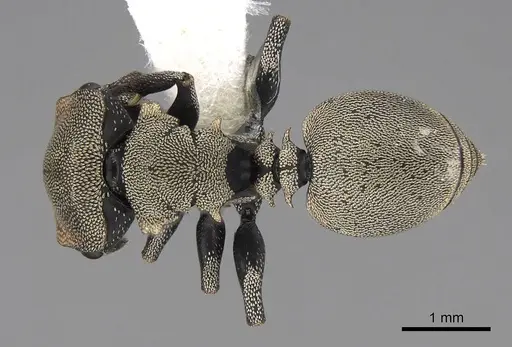
Literature
Loading...Loading products...