

Cephalotes femoralis
- Scientific Name
- Cephalotes femoralis
- Tribe
- Attini
- Subfamily
- Myrmicinae
- Author
- Smith, 1853
- Distribution
- Found in 1 countries
Cephalotes femoralis Overview
Cephalotes femoralis is an ant species of the genus Cephalotes. It is primarily documented in 1 countries , including Colombia. Detailed taxonomic data and occurrence records can be further explored via authoritative databases such as AntWeb or the Global Biodiversity Information Facility (GBIF).
Cephalotes femoralis
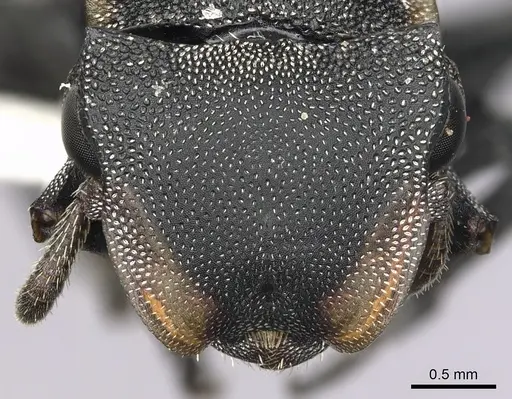
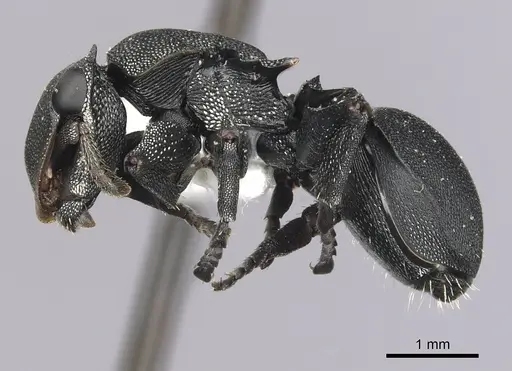
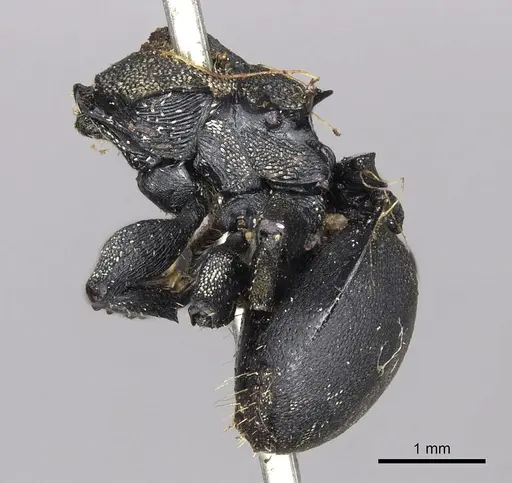
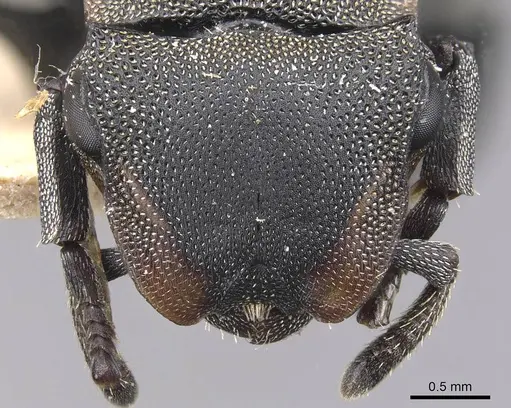
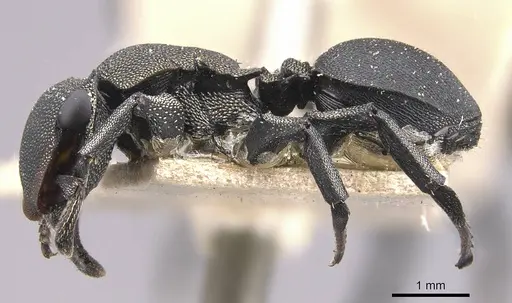
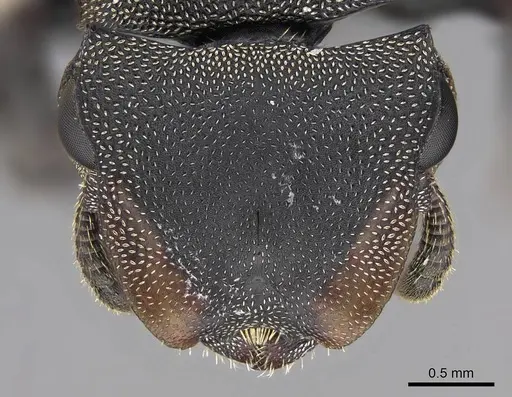
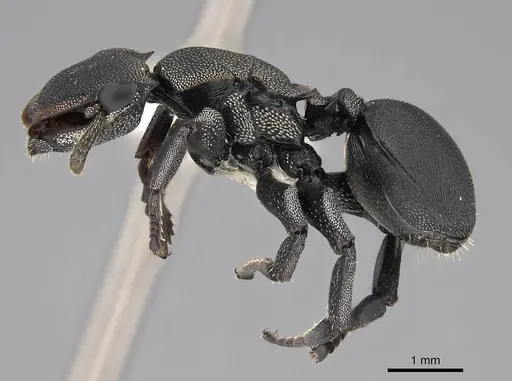
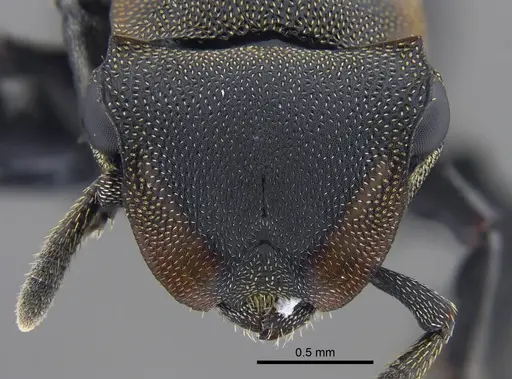
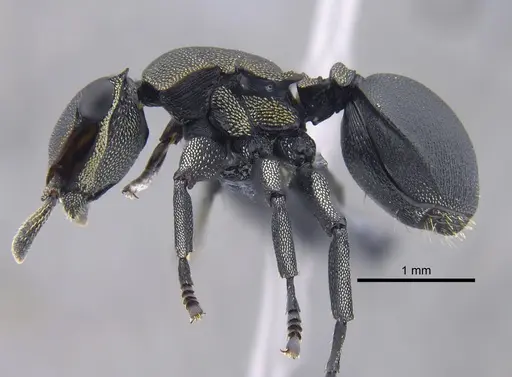
Cephalotes femoralis is a distinctive turtle ant species native to the Neotropical region of South America, found primarily in Colombia, Venezuela, Panama, and Ecuador. Workers are relatively large for a Myrmicinae ant, measuring 6.0-6.9mm, with a predominantly black body marked by rusty orange frontal carinae (the ridge-like structures on the front of the head) and orange tips on the funicular segments. The first gastral tergite (the upper surface of the first abdominal segment) has distinctive thin, irregular longitudinal rugosities that help distinguish this species from other Cephalotes. This species belongs to the basalis clade and has been recorded at elevations ranging from 2m to 1538m, typically in pasture and scrubby second growth vegetation.
Quick Summary
- Difficulty: Medium
- Origin & Habitat: Neotropical region, Colombia, Venezuela, Panama, and Ecuador. Found in pasture and scrubby second growth vegetation at elevations from 2m to 1538m [1][2].
- Colony Type: Colony structure is unconfirmed. Like other Cephalotes species, this is likely a single-queen (monogyne) species, but specific colony structure data is lacking.
- Size & Growth:
- Queen: Unknown, queen measurements not documented in available literature
- Worker: 6.0-6.9mm [3][2]
- Colony: Unknown, colony size has not been documented
- Growth: Unknown, growth rate has not been studied
- Development: Unknown, development timeline has not been documented. Based on typical Cephalotes patterns and Neotropical species, estimate 6-10 weeks at optimal temperature. (No direct development data exists for this species. Related Cephalotes species typically take 6-10 weeks from egg to first worker in warm tropical conditions.)
- Antkeeping:
- Temperature: Keep at 24-28°C. This species comes from tropical lowland and mid-elevation regions, so warmth is important. A heating cable on one side of the nest creates a temperature gradient allowing workers to self-regulate.
- Humidity: Moderate to high humidity (60-80%). These ants naturally inhabit humid tropical regions. Keep the nest substrate consistently moist but not waterlogged.
- Diapause: Unknown, no specific data on overwintering requirements. Given their tropical origin, they likely do not require a true diapause but may slow activity during cooler periods.
- Nesting: In captivity, turtle ants typically prefer nests in hollow twigs, stems, or wooden formicariums. Y-tong (AAC) nests or wooden formicariums with narrow chambers work well. They are arboreal/nesting in vegetation rather than ground-nesting.
- Behavior: Turtle ants are generally calm and non-aggressive. Workers are slow-moving and tend to patrol vegetation rather than forage aggressively on the ground. They have moderate escape risk due to their size, they cannot squeeze through typical barrier gaps but may climb smooth surfaces. They are omnivorous, feeding on honeydew, small insects, and plant matter.
- Common Issues: limited biological data makes care recommendations somewhat speculative, no documented development timeline means keepers must estimate growth, colony size unknown so final colony expectations are unclear, tropical origin means temperature maintenance is important year-round, wild-caught colonies may carry parasites or diseases not well-understood
Housing and Nest Preferences
Cephalotes femoralis is a turtle ant that naturally nests in hollow twigs, stems, and decaying wood in vegetation rather than in soil. In captivity, provide a nest that mimics these conditions. Y-tong (AAC) formicariums or wooden formicariums with narrow, horizontal chambers work well. The chambers should be appropriately scaled to the worker size (6-7mm), not too large, as these ants prefer snug fit. A naturalistic setup with dried twigs or stems can also work. Ensure the nest has adequate humidity control, these ants prefer moist conditions but standing water should be avoided. Provide an outworld (foraging area) connected to the nest where you can offer food. [2]
Feeding and Diet
Like other Cephalotes species, this ant is omnivorous. They naturally feed on honeydew from sap-sucking insects, small insects, and plant matter. In captivity, offer a varied diet including sugar water or honey as a constant energy source. For protein, provide small insects such as fruit flies, small crickets, or mealworms. Turtle ants are not aggressive predators, so prey items should be small and easy to handle. Some Cephalotes species also accept pollen or plant-based foods. Offer fresh food every 2-3 days and remove uneaten items to prevent mold.
Temperature and Humidity Requirements
As a Neotropical species from Colombia, Venezuela, Panama, and Ecuador, Cephalotes femoralis requires warm, humid conditions. Maintain temperatures between 24-28°C for optimal colony health and activity. Temperature can be controlled using a heating cable placed on one side of the nest to create a gradient, this allows workers to move between warmer and cooler areas as needed. Humidity should be maintained at 60-80%, mimicking the humid tropical environments where this species naturally occurs. Use a water reservoir in the nest setup to maintain humidity, but ensure proper ventilation to prevent mold buildup. [1][2]
Colony Development and Growth
Specific development data for Cephalotes femoralis is not available in the scientific literature. Based on patterns from related Cephalotes species in the basalis clade and other Neotropical ants, expect the following timeline: eggs develop into larvae over 2-3 weeks, followed by a pupal stage of 3-5 weeks, with first workers (nanitics) emerging approximately 6-10 weeks after the queen lays her first eggs. Initial colony growth is slow, the first batch of workers (typically 3-10 nanitics) will be smaller than mature workers. Colony growth accelerates as more workers are produced, but overall colony size remains moderate compared to some other ant genera. Patience is essential, as turtle ant colonies typically take months to establish significant worker populations. [3]
Behavior and Temperament
Cephalotes femoralis exhibits the calm, measured behavior typical of turtle ants. Workers are not aggressive and do not possess a painful sting, their primary defense is retreat into the nest or hiding in crevices. They are relatively slow-moving compared to many Myrmicinae ants. Workers primarily forage in vegetation and on surfaces rather than actively hunting prey. They are not known for escape attempts compared to smaller ants, but can climb smooth surfaces. Their distinctive flattened head and body shape helps them access narrow nesting cavities. Colonies are typically peaceful and can be kept alongside other ant species in separate setups if needed.
Frequently Asked Questions
How long does it take for Cephalotes femoralis to produce first workers?
The exact timeline is unconfirmed for this species, but based on related Cephalotes species, expect first workers (nanitics) approximately 6-10 weeks after eggs are laid at optimal temperature (24-28°C). Initial colony growth is slow, so patience is required.
What is the best nest type for Cephalotes femoralis?
Y-tong (AAC) formicariums or wooden formicariums with narrow horizontal chambers work best. These ants naturally nest in hollow twigs and stems, so the nest should mimic these conditions with appropriately sized chambers for 6-7mm workers.
What do Cephalotes femoralis eat?
They are omnivorous. Offer sugar water or honey as a constant energy source, plus small insects like fruit flies, small crickets, or mealworms for protein. Some also accept plant matter or pollen.
Do Cephalotes femoralis need hibernation?
No, as a tropical species from Colombia and Venezuela, they do not require true hibernation. However, they may slow activity during cooler periods. Maintain warm temperatures (24-28°C) year-round for optimal colony health.
How big do Cephalotes femoralis colonies get?
Colony size is not documented in available literature. Based on related species, colonies likely reach several hundred workers at maximum, but this is an estimate as specific data is lacking.
Are Cephalotes femoralis good for beginners?
This species is rated Medium difficulty. While generally calm and manageable, the lack of specific biological data means keepers must be prepared for some trial and error. Experience with tropical ant species is helpful.
Can I keep multiple Cephalotes femoralis queens together?
Colony structure is unconfirmed for this species. Based on typical Cephalotes patterns, they likely form single-queen colonies. Combining unrelated queens is not recommended without evidence they can coexist.
What temperature should I keep Cephalotes femoralis at?
Maintain temperatures between 24-28°C. Use a heating cable on one side of the nest to create a gradient, allowing workers to self-regulate their temperature preference.
Where is Cephalotes femoralis found in the wild?
This species is native to the Neotropical region, specifically Colombia, Venezuela, Panama, and Ecuador. It has been recorded at elevations from 2m to 1538m in pasture and scrubby second growth vegetation.
References

This caresheet is licensed under CC BY-SA 4.0 .
CASENT0627942
View on AntWeb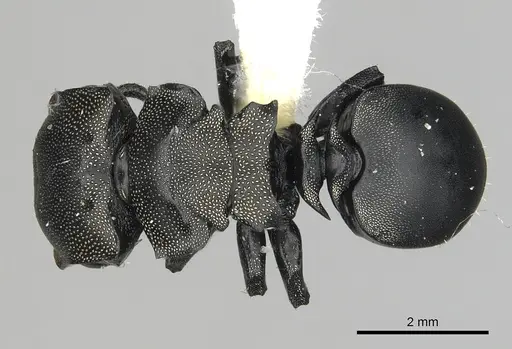
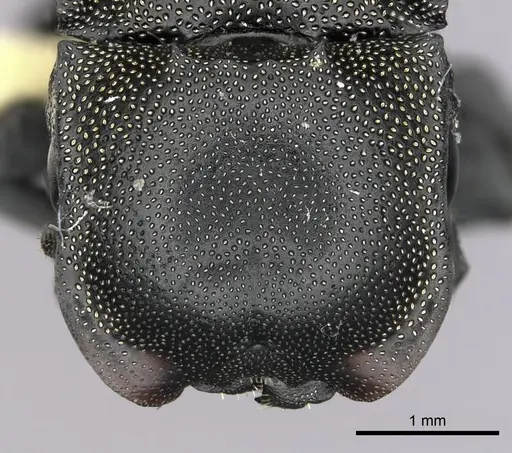
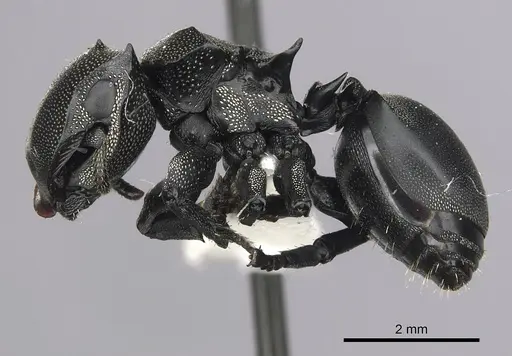
CASENT0627943
View on AntWeb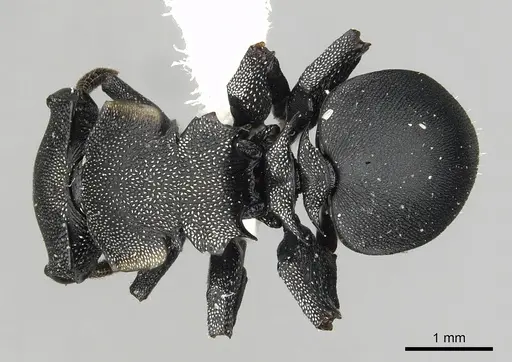
CASENT0901967
View on AntWeb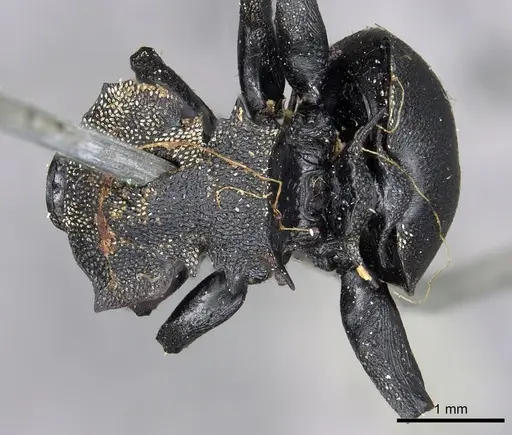
CASENT0909270
View on AntWeb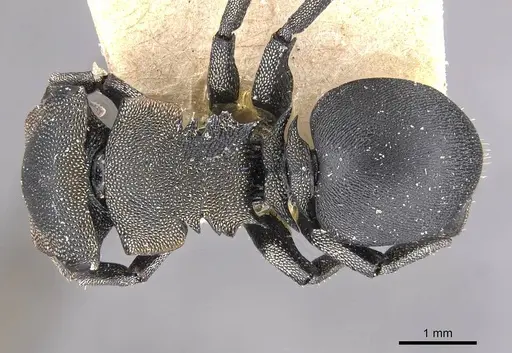
CASENT0922602
View on AntWeb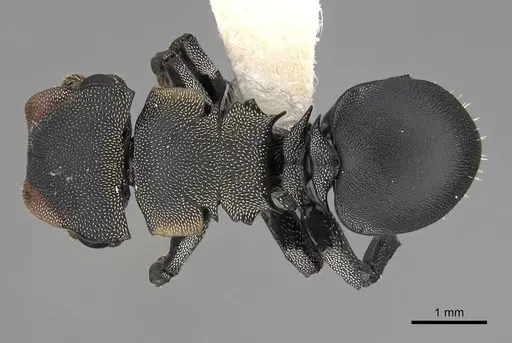
CBUMAGENT41886
View on AntWeb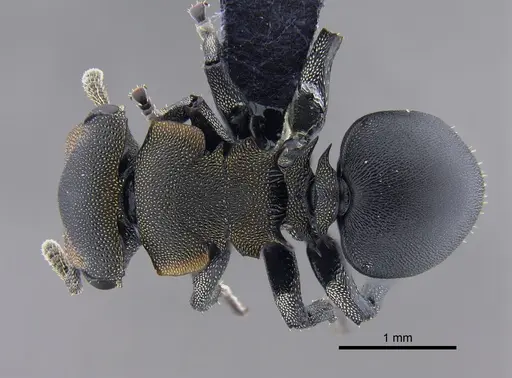
Literature
Loading...Loading products...