

Cephalotes eduarduli
- Scientific Name
- Cephalotes eduarduli
- Tribe
- Attini
- Subfamily
- Myrmicinae
- Author
- Forel, 1921
- Distribution
- Found in 3 countries
Cephalotes eduarduli Overview
Cephalotes eduarduli is an ant species of the genus Cephalotes. It is primarily documented in 3 countries , including Argentina, Brazil, Paraguay. Detailed taxonomic data and occurrence records can be further explored via authoritative databases such as AntWeb or the Global Biodiversity Information Facility (GBIF).
Cephalotes eduarduli
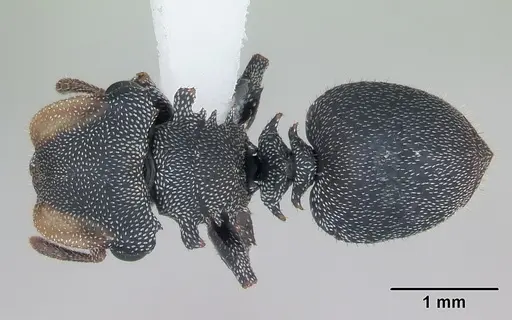
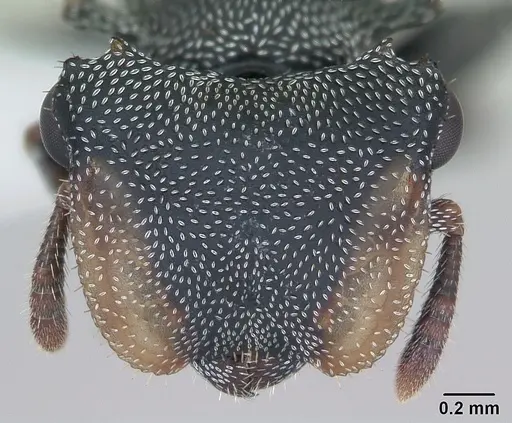
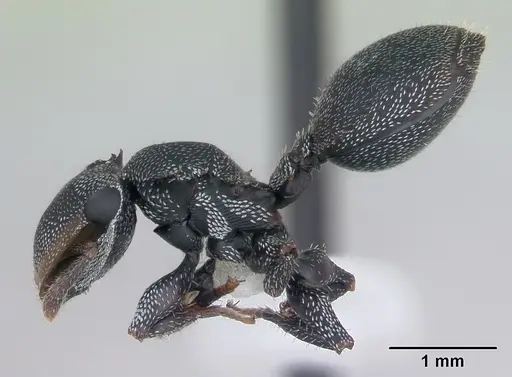
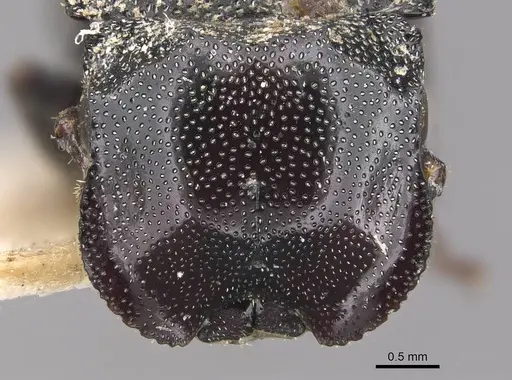
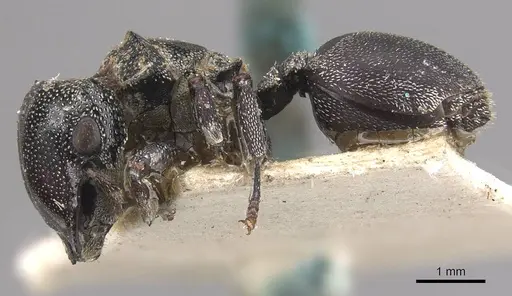
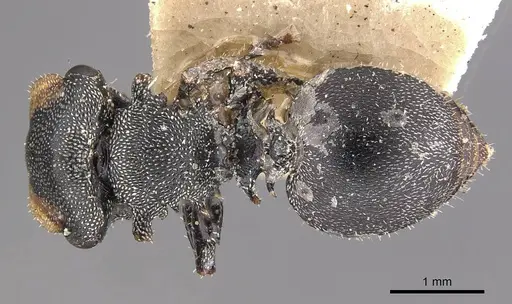
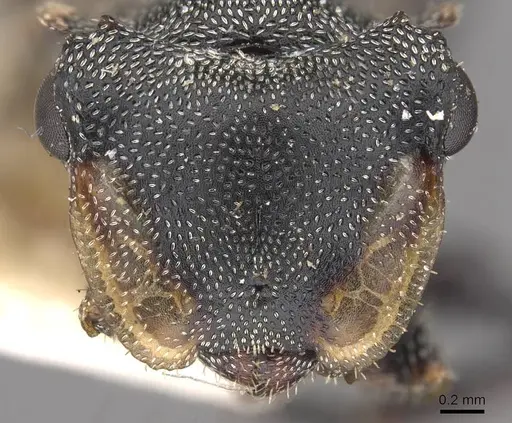
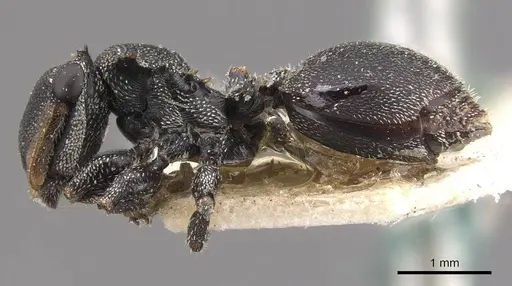
Cephalotes eduarduli is a Neotropical turtle ant belonging to the depressus species group [1]. Workers are small at 4.76-5.64mm with a distinctive black coloration featuring orange-ferruginous markings on the frontal carinae, pronotal lamellae, and leg tips [2]. The soldiers are larger at 6.80-8.16mm with an expanded head and pronotum typical of the genus, while queens reach 9.44-10.52mm [2]. This species is distinguished from its sister species C. depressus by its erect truncate hairs on the mesosoma, pedicel, and gaster, plus the shining head of soldiers and queens [2]. Found across Brazil, Bolivia, Argentina, and Paraguay, these ants are exclusively arboreal, nesting in trees and collected by hand from vegetation [3].
Quick Summary
- Difficulty: Expert
- Origin & Habitat: South America, Brazil, Bolivia, Argentina, and Paraguay. Found in tropical and subtropical forests including Atlantic Forest remnants, Pantanal floodplain, and seasonally dry tropical forests [4][5][3]. Specimens collected from forest edges and within trees (Agonandra brasiliensis) [2].
- Colony Type: Colony structure is unconfirmed. Like other Cephalotes species, they likely have a soldier caste for colony defense. The genus is known for single-queen colonies in most species, but specific data for C. eduarduli is lacking.
- Size & Growth:
- Queen: 9.44-10.52mm [2]
- Worker: 4.76-5.64mm [2]
- Colony: Unknown, no colony size data available for this species
- Growth: Unknown, no development timing data available
- Development: Unknown, no direct development data exists for this species. Related Cephalotes species typically develop in 6-10 weeks at tropical temperatures. (Development timeline is unconfirmed. Turtle ants in general are slow-growing compared to many Myrmicinae.)
- Antkeeping:
- Temperature: Keep warm at 24-28°C based on their tropical South American distribution. A gentle gradient allows ants to thermoregulate
- Humidity: Moderate to high humidity (60-80%). As arboreal ants, they prefer well-ventilated nests with moisture sources but not saturated conditions
- Diapause: Unlikely, being tropical, they probably do not require a diapause period. However, slight temperature reduction during winter months may be beneficial
- Nesting: Arboreal species, they nest in trees in the wild. In captivity, a vertical or naturalistic setup works best. Y-tong (AAC) nests or plaster nests with small chambers suit their size. They prefer having access to vertical space and should be able to walk up inclines
- Behavior: Exclusively arboreal, they forage and nest in trees and shrubs [3]. They are not aggressive toward humans and unlikely to sting. Their small worker size (under 6mm) means escape prevention should be moderate, standard mesh barriers are sufficient. They are part of the Tropical Climate Specialists functional group [5]. Unlike many ants, turtle ants have a specialized gut microbiome that helps them digest nitrogenous waste like bird droppings [6].
- Common Issues: lack of captive breeding data makes successful keeping very difficult, this species has never been documented in the antkeeping hobby, arboreal nature means standard horizontal nests may not be appropriate, they prefer vertical space, diet is poorly understood, they may have specialized nutritional requirements not met by standard ant foods, slow growth means colonies take years to develop significantly, they may require live prey or specialized substrates not commonly available
Natural History and Distribution
Cephalotes eduarduli is found across the southern Neotropics, including Brazil, Bolivia, Argentina, and Paraguay [2]. It belongs to the depressus species group within the genus Cephalotes [7]. These ants are exclusively arboreal, meaning they live and forage in trees rather than on the ground. Specimens have been collected from forest edges and within forest fragments at various elevations [3]. They are assigned to the Tropical Climate Specialists (TCS) functional group, indicating they prefer warm, humid forest environments [5]. In Brazil, they have been recorded in the Pantanal floodplain, Atlantic Forest remnants, and seasonally dry tropical forests [4][8]. Studies show they are present in areas with advanced plant regeneration (5+ years) and absent from early succession areas, suggesting they require established forest canopy [9].
Identification and Morphology
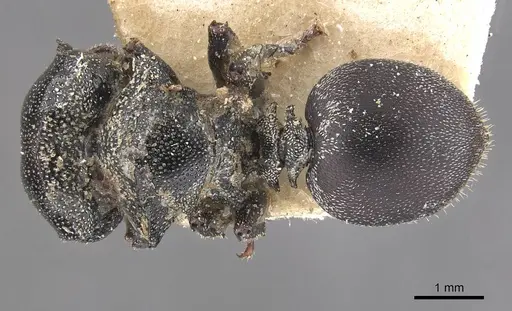
Workers measure 4.76-5.64mm and are primarily black with distinctive orange-ferruginous markings on the frontal carinae, pronotal lamellae apices, thoracic spine tips, and leg segments [2]. They have erect, truncate hairs on the mesosoma, pedicel, and gaster that distinguish them from related species. The worker has short pronotal lamellae and a reticulate sculpture pattern with small foveae [2]. Soldiers are larger at 6.80-8.16mm with an expanded head and pronotum, the classic 'turtle' shape that gives the genus its common name. The soldier's head is wider than long with distinctive marginal teeth at the occipital angles [2]. Queens are the largest caste at 9.44-10.52mm and feature a broad gaster with a wide anterior margin and specialized wing venation [2]. The species shows some variation in coloration geographically, specimens from Mato Grosso do Sul and São Paulo have orange-ferruginous and semi-transparent frontal carinae rather than the typical darker reddish coloration [2].
Diet and Nutrition
The diet of C. eduarduli specifically is unstudied, but the genus Cephalotes has unique nutritional requirements. Research shows that turtle ants possess a specialized gut microbiome that allows them to recycle nitrogen from bird droppings, they were observed feeding on bird droppings in one study [6]. This is a remarkable adaptation not seen in most ants. The gut bacteria include specialized symbionts that encode urease genes, helping the ants process urea and ammonia into usable nutrients [6][10]. In captivity, this likely means they require more protein-rich or unusual food sources than typical ants. Based on related species, they probably also consume honeydew from arboreal aphids and scale insects, plus small insects they can capture in the canopy. The complete absence of captive breeding data for this species means no established feeding protocols exist, this represents the biggest challenge for potential keepers.
Nesting and Habitat
As exclusively arboreal ants, Cephalotes eduarduli nests in trees and woody vegetation in the wild. They have been collected from within the tree species Agonandra brasiliensis [2]. Unlike ground-nesting ants, they do not require soil or typical formicarium setups. In captivity, they would benefit from vertical space that mimics their arboreal lifestyle. A Y-tong (AAC) nest or plaster nest with small, appropriately-sized chambers would be more suitable than horizontal setups. They likely prefer well-ventilated conditions with moderate humidity, think forest canopy rather than underground chamber. The vertical orientation is important because in the wild, they walk up and down tree trunks to forage and move between nest chambers. They are not known to be particularly good climbers on smooth surfaces, so providing textured surfaces or multiple connected chambers at different heights would help.
Challenges for Antkeepers
Cephalotes eduarduli is one of the least documented species in the antkeeping hobby. There is no established captive breeding protocol, no recorded successful colonies in captivity, and virtually no keeper-specific information available. This makes it an expert-only species, not because the ant is difficult per se, but because there is no roadmap for keeping it alive. The primary challenges are: (1) obtaining the species, they are not commercially available and would require wild collection, which is difficult since they are arboreal and exclusively found in specific Neotropical forests, (2) replicating their diet, the bird-dropping feeding behavior suggests specialized nutritional needs that standard ant foods may not meet, (3) providing appropriate housing, standard horizontal nests are likely inappropriate for an arboreal species, (4) understanding their development, without development data, predicting growth rates or knowing when something is wrong is impossible. For these reasons, C. eduarduli should only be attempted by expert antkeepers with experience in exotic, poorly-documented species and the ability to experiment with diet and housing setups.
Related Species and Context
Cephalotes eduarduli belongs to the depressus clade of turtle ants, which contains several similar species adapted to arboreal life in Neotropical forests [1]. The genus Cephalotes is known for its distinctive soldier caste, workers with massively enlarged heads that serve as living door guards for the nest [2]. This species can be distinguished from its sister species C. depressus by the erect truncate hairs on the body and the shining head surface in soldiers and queens [2]. The entire genus is understudied in terms of captive care, with most species remaining completely unknown to antkeepers. Other Cephalotes species have shown similar gut microbiome specializations [6], suggesting this is a genus-wide adaptation to their arboreal, canopy-feeding lifestyle. If you are interested in turtle ants, more commonly kept Cephalotes species like C. varians or C. atratus may be better documented starting points, though even these remain rare in the hobby.
Frequently Asked Questions
Is Cephalotes eduarduli available in the antkeeping hobby?
No, this species is not currently available in the antkeeping hobby. There are no documented captive colonies, and it has never been bred in captivity. Obtaining wild-caught colonies would be extremely difficult due to their exclusively arboreal nature and limited distribution in South America.
What do Cephalotes eduarduli ants eat?
Their specific diet is unconfirmed, but research shows related turtle ants feed on bird droppings and have specialized gut bacteria to process nitrogenous waste [6]. They likely also consume honeydew from arboreal insects and small prey. Standard ant foods may not meet their nutritional needs.
How long do Cephalotes eduarduli take to develop from egg to worker?
Unknown, no development timing data exists for this species. Related Cephalotes species typically take 6-10 weeks at tropical temperatures, but this is unconfirmed for C. eduarduli.
What type of nest is best for Cephalotes eduarduli?
As an exclusively arboreal species, they need vertical space rather than horizontal nests. A Y-tong (AAC) nest or plaster nest with small chambers and good ventilation would be most appropriate. They should be able to walk up inclines to mimic their tree-dwelling lifestyle.
Do Cephalotes eduarduli need hibernation?
Unlikely, being a tropical species from South America, they probably do not require diapause. However, slight seasonal temperature variation may be beneficial. No specific overwintering data exists for this species.
Are Cephalotes eduarduli good for beginners?
No, this is an expert-only species. There is no captive breeding data, no established care protocols, and their specialized arboreal and dietary requirements make them extremely challenging. Even experienced antkeepers would struggle with this species.
How big do Cephalotes eduarduli colonies get?
Unknown, no colony size data exists for this species. Related Cephalotes species typically form colonies of several hundred to a few thousand workers.
Can I keep multiple Cephalotes eduarduli queens together?
Unknown, colony structure is unconfirmed for this species. Most Cephalotes are believed to be single-queen (monogyne) colonies, but this has not been documented for C. eduarduli specifically.
Where does Cephalotes eduarduli live in the wild?
They are found in Brazil, Bolivia, Argentina, and Paraguay, exclusively in arboreal forest habitats. They have been recorded in Atlantic Forest, Pantanal floodplain, and seasonally dry tropical forests, typically in areas with established canopy cover [4][5][3].
References

This caresheet is licensed under CC BY-SA 4.0 .
Literature
Loading...Loading products...