

Cephalotes duckei
- Scientific Name
- Cephalotes duckei
- Tribe
- Attini
- Subfamily
- Myrmicinae
- Author
- Forel, 1906
- Distribution
- Found in 2 countries
Cephalotes duckei Overview
Cephalotes duckei is an ant species of the genus Cephalotes. It is primarily documented in 2 countries , including Brazil, Colombia. Detailed taxonomic data and occurrence records can be further explored via authoritative databases such as AntWeb or the Global Biodiversity Information Facility (GBIF).
Cephalotes duckei
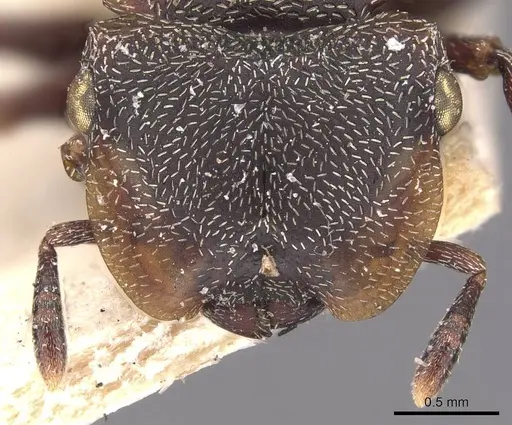
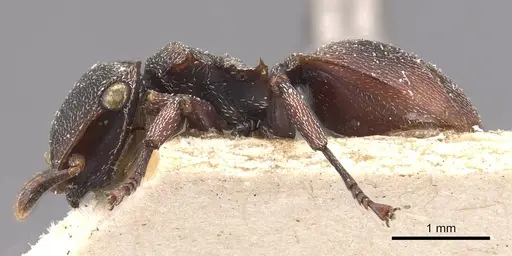
Cephalotes duckei is a small turtle ant species native to the Amazon region of South America, found in Brazil and Colombia. Workers measure 3.8-4.6mm with a distinctive flattened head and rectangular pronotal lamellae (flange-like projections on the pronotum). Soldiers are significantly larger at 6.2-6.7mm and possess an incomplete disc on their head, a key identification feature. Queens are the largest at 11-11.4mm. This species belongs to the laminatus clade and is characterized by its angulate (angled) hind femora and hairless cheeks. The species appears to be rare in ant collections, even in well-studied areas like the Reserva Ducke in Amazonas where it was first described. These ants nest in hollow twigs and dead wood in forest canopies, typical of turtle ants.
Quick Summary
- Difficulty: Medium
- Origin & Habitat: Amazon region of Brazil and Colombia, specifically the Rio Negro area in Amazonas, Brazil and Meta department in Colombia. Found at elevations between 460-580m in tropical forest habitats [1][2].
- Colony Type: Colony structure is unconfirmed, likely single-queen (monogyne) based on typical Cephalotes patterns, but this has not been documented for this specific species.
- Size & Growth:
- Queen: 11.04-11.36mm [3]
- Worker: 3.84-4.60mm [3]
- Colony: Unknown, no colony size data exists for this species. Based on related Cephalotes species, colonies likely reach several hundred workers.
- Growth: Moderate, inferred from typical Cephalotes development patterns
- Development: Estimated 6-10 weeks based on typical Cephalotes genus development at optimal temperatures (Direct development data unavailable for this species. Temperature-dependent, warmer conditions accelerate development.)
- Antkeeping:
- Temperature: Keep at 24-28°C. Provide a gentle thermal gradient allowing workers to self-regulate. This species originates from warm Amazonian lowlands [1] so avoid temperatures below 20°C.
- Humidity: Maintain moderate to high humidity (60-80%). These are forest-dwelling ants that benefit from a damp but not waterlogged nest environment. Provide a water tube for drinking access.
- Diapause: Unconfirmed, Amazonian species may not require true hibernation but may benefit from a slight cool period (18-20°C) during winter months to simulate seasonal slowdown.
- Nesting: Provide nesting sites that mimic their natural hollow twig habitat. Y-tong (AAC) nests with narrow chambers work well, or a naturalistic setup with cork bark or wooden inserts. Avoid overly large chambers, these ants prefer snug fit.
- Behavior: Turtle ants are generally docile and non-aggressive. Workers are slow-moving and foragers rather than active hunters. The soldier caste serves as a living door, they can block nest entrances with their specialized heads. Escape risk is moderate, they are not strong climbers but small enough to slip through small gaps. Use standard barrier methods like Fluon on test tube setups. They are primarily arboreal/nesting in elevated locations.
- Common Issues: Very limited biological data means care is based on genus-level inference rather than species-specific research., Rare in the hobby, wild-caught colonies may be difficult to find and expensive., Soldier-headed nest entrances may limit expansion if the colony outgrows the nesting setup., Humidity control is critical, too dry and colonies will fail, but too wet risks mold., Slow growth rate may frustrate keepers expecting rapid colony development.
Natural History and Distribution
Cephalotes duckei is native to the Amazon basin, specifically found in Brazil (Amazonas state, Rio Negro region) and Colombia (Meta department). The species was first described by Forel in 1906 from specimens collected near Barcellos on the Rio Negro in Brazil. It appears to be a rare species in collections, even from intensely studied areas like the Reserva Ducke in Amazonas. The altitudinal range is relatively narrow, recorded between 460-580 meters elevation. This species belongs to the laminatus clade, distinguished by its rectangular pronotal lamellae and angulate hind femora. The species has also been recorded in Colombia's Orinoquia region. [1][2][4]
Housing and Nest Preferences
In the wild, Cephalotes species nest in hollow twigs, dead branches, and sometimes in bamboo internodes in the forest canopy. For captive care, provide nesting chambers that mimic these conditions. Y-tong (acrylic) nests work well, as do naturalistic setups with cork bark or wooden inserts. The chambers should be appropriately sized, turtle ants prefer snug-fitting spaces rather than large open areas. A test tube setup with a water reservoir works for founding colonies. For larger colonies, provide multiple nest options connected to a foraging area. Ensure the nest material is not too hard, these ants don't chew through acrylic or plaster but need appropriate surfaces for their legs to grip.
Feeding and Diet
Like other Cephalotes species, C. duckei likely feeds on nectar, honeydew, and small insects. Provide a constant sugar source such as sugar water, honey, or diluted maple syrup. For protein, offer small prey items like fruit flies, small crickets, or mealworm pieces. Feed protein 2-3 times per week, removing uneaten prey after 24 hours. Fresh water should always be available. Based on related species, they are not aggressive hunters but will scavenge dead insects. Some Cephalotes species also consume plant seeds, though this varies by species.
Temperature and Seasonal Care
Maintain temperatures between 24-28°C for optimal colony health and development. This species originates from the warm Amazon lowlands, so avoid prolonged temperatures below 20°C. Provide a thermal gradient by placing the nest on one side of the enclosure, allowing workers to move to warmer or cooler areas as needed. A heating cable on one side of the nest can help maintain warmth without drying out the environment. Regarding diapause: Amazonian species may not require true hibernation, but a slight reduction to 18-20°C during winter months may be beneficial to simulate natural seasonal cycles. Monitor colony activity, if they remain active, maintain normal temperatures.
Colony Structure and Castes
Cephalotes duckei is a polymorphic species with distinct worker, soldier, queen, and male castes. Workers measure 3.8-4.6mm and are the smallest caste. Soldiers are significantly larger at 6.2-6.7mm with specialized heads that can block nest entrances, this is the 'turtle ant' defense mechanism. Queens are the largest at 11-11.4mm and are winged during the founding phase. The colony structure (single queen vs multiple queens) is unconfirmed for this specific species, though most Cephalotes are thought to be monogyne. The soldier caste serves as a living door, protecting the nest from predators and intruders by plugging the entrance with their specialized head plate. [3]
Behavior and Temperament
Turtle ants are known for their docile temperament and unique defensive behaviors. Unlike aggressive ants, Cephalotes species rely on their soldier caste for defense rather than swarming or stinging. The soldiers position themselves at nest entrances, using their flattened heads to block access. Workers are slow-moving foragers rather than active hunters. They are not particularly aggressive and rarely bite. Escape risk is moderate, while they are not strong climbers, their small size means they can slip through small gaps. Use standard barrier methods like Fluon on test tube rims. These ants are best observed rather than handled.
Frequently Asked Questions
How long does it take for Cephalotes duckei to produce first workers?
The exact timeline is unknown for this species. Based on typical Cephalotes development, expect first workers (nanitics) within 6-10 weeks after the queen lays eggs, assuming optimal temperatures around 26°C. Warmer temperatures accelerate development while cooler temperatures slow it down.
What do Cephalotes duckei ants eat?
Feed them a diet consisting of sugar sources (honey, sugar water, or maple syrup) available constantly, plus protein prey (fruit flies, small crickets, mealworm pieces) offered 2-3 times per week. Remove uneaten prey after 24 hours. Fresh water should always be accessible.
Can I keep multiple Cephalotes duckei queens together?
This has not been documented for this species. Most Cephalotes are believed to be single-queen colonies. It is not recommended to combine unrelated foundress queens as this often results in fighting.
What temperature do Cephalotes duckei ants need?
Keep them warm at 24-28°C. This Amazonian species prefers consistent warmth and should not be exposed to temperatures below 20°C for extended periods. A thermal gradient allows self-regulation.
Are Cephalotes duckei good for beginners?
This species is rated as Medium difficulty. While not as challenging as some exotic species, the limited biological data available means care is based on genus-level inference rather than species-specific research. They are docile and interesting to observe, but may be difficult to acquire as they are rare in the hobby.
When should I move Cephalotes duckei to a formicarium?
Keep founding colonies in test tubes until the colony reaches 20-30 workers. Once the test tube becomes crowded or the water reservoir is depleted, transfer to a formicarium. Y-tong nests or naturalistic setups with wooden inserts work well.
Do Cephalotes duckei need hibernation?
True hibernation is not required for this Amazonian species. However, a slight temperature reduction to 18-20°C during winter months may help simulate natural seasonal cycles. Monitor colony activity, if they remain active, maintain normal temperatures.
How big do Cephalotes duckei colonies get?
Colony size is not documented for this specific species. Based on related Cephalotes species, colonies likely reach several hundred workers. The soldier caste will appear as the colony grows.
Why is my Cephalotes duckei colony dying?
Common causes include: low humidity (keep substrate moist but not waterlogged), temperatures below 20°C, mold from excessive moisture, or insufficient protein in the diet. Also ensure escape prevention is adequate, their small size means they can slip through tiny gaps.
References

This caresheet is licensed under CC BY-SA 4.0 .
CASENT0909262
View on AntWeb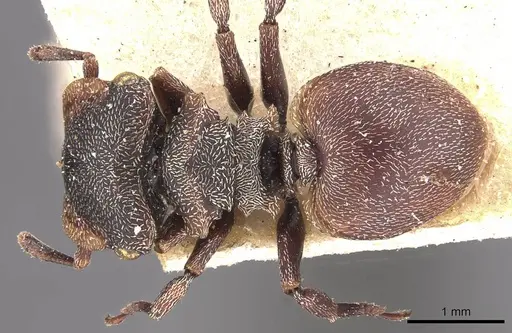
Literature
Loading...Loading products...