

Cephalotes decoloratus
- Scientific Name
- Cephalotes decoloratus
- Tribe
- Attini
- Subfamily
- Myrmicinae
- Author
- De Andrade, 1999
- Distribution
- Found in 5 countries
Cephalotes decoloratus Overview
Cephalotes decoloratus is an ant species of the genus Cephalotes. It is primarily documented in 5 countries , including Brazil, Colombia, Dominican Republic. Detailed taxonomic data and occurrence records can be further explored via authoritative databases such as AntWeb or the Global Biodiversity Information Facility (GBIF).
Cephalotes decoloratus
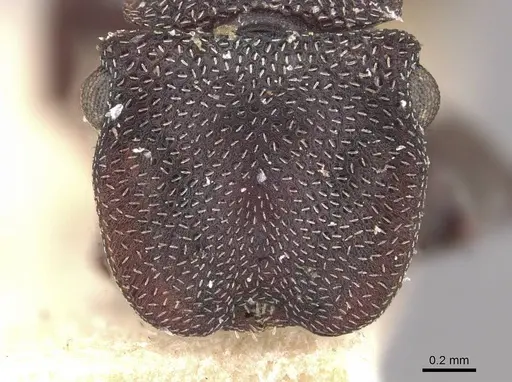
Cephalotes decoloratus is a medium-sized turtle ant endemic to Hispaniola (Dominican Republic and Haiti). Workers measure 4.5-4.7mm with a distinctive flattened body and membranous edges along the gaster that give them a turtle-shell appearance. Soldiers are larger at 6.5-7.7mm and have a broad head disc used to block nest entrances. Queens reach 8.3-8.4mm. The species is unique among Hispaniola's Cephalotes as the only one known to have a soldier caste. Workers are dark brown to black with lighter membranous expansions on the body edges. This species belongs to the pallens clade, a group of 10 species distributed across the Neotropics [1][2].
Quick Summary
- Difficulty: Medium
- Origin & Habitat: Endemic to southern Hispaniola (Dominican Republic and Haiti), found at elevations from 7-638m. In the Dominican Republic, colonies have been collected from dry forest in Jaragua National Park. Natural nesting occurs in hollow twigs suspended above ground, frequently in bamboo [1][2].
- Colony Type: Colony structure is not well documented. The species is known to have a soldier caste, which distinguishes it from other Hispaniola Cephalotes. Single-queen colonies are likely based on typical Cephalotes patterns, but this requires confirmation.
- Founding: Claustral
- Size & Growth:
- Queen: 8.3-8.4mm [3]
- Worker: 4.5-4.7mm [3]
- Colony: Unknown, likely moderate based on related species
- Growth: Moderate, estimated based on typical Cephalotes development
- Development: Estimated 8-12 weeks based on genus patterns (Direct development data unavailable for this species. Related Cephalotes species typically take 2-3 months from egg to first worker at tropical temperatures.)
- Antkeeping:
- Temperature: Keep at 24-28°C, mimicking warm tropical conditions. A gentle temperature gradient allows ants to regulate their position [1].
- Humidity: Maintain moderate to high humidity (60-80%). These are forest-dwelling ants that naturally experience humid conditions in dead twigs. Provide moisture through a water reservoir or damp substrate.
- Diapause: Unlikely, as a tropical species from Hispaniola, they probably do not require hibernation. Keep at stable warm temperatures year-round.
- Nesting: Provide narrow, horizontal-style nests that mimic their natural hollow twig environment. Test tubes with cotton or small acrylic nests work well. The soldier uses its broad head to block the tiny nest entrance, so ensure chambers are appropriately scaled [1].
- Behavior: Workers are not active during the day in the wild, colonies were found inactive when nests were encountered during daytime surveys [1]. This suggests a nocturnal or crepuscular foraging pattern. They are tree-dwelling ants that nest in dead twigs above ground. Escape prevention should be moderate, they are not tiny but can squeeze through small gaps. Their flattened body and membranous edges allow them to access narrow cavities.
- Common Issues: colonies may be difficult to establish from wild-caught queens due to specific nesting requirements, soldier-headed nest entrance may be damaged if handled roughly during collection, dry forest habitat means they may be sensitive to excessive moisture, limited distribution makes wild collection difficult, nocturnal activity patterns may make them appear inactive, observe at dusk
Nest Preferences
Cephalotes decoloratus naturally nests in hollow twigs and bamboo suspended above the ground. The single nest entrance is very small and cryptic, blocked by the soldier's broad head disc [1]. In captivity, provide narrow, horizontal-style housing that mimics this twig environment. Test tube setups with cotton work well for founding colonies. For established colonies, small acrylic nests or naturalistic setups with twigs work nicely. The key is providing narrow chambers that match their natural hollow twig habitat, these ants are adapted to tight spaces and will not use large, open formicaria effectively.
Feeding and Diet
Turtle ants in the genus Cephalotes are generalist foragers that collect honeydew from aphids and scale insects, and hunt small arthropods. In captivity, offer a varied diet including sugar water or honey as an energy source, and protein sources like small insects (fruit flies, small crickets, mealworms). Feed protein 2-3 times per week and keep a sugar source available constantly. Remove uneaten prey after 24-48 hours to prevent mold. Some Cephalotes species also accept seeds, but protein should form the primary diet. Observe your colony's preferences and adjust accordingly. [3]
Temperature and Care
As a tropical species from Hispaniola, Cephalotes decoloratus requires warm temperatures. Keep the nest at 24-28°C, which mimics their natural dry forest habitat. A gentle temperature gradient allows workers to regulate their body temperature by moving between warmer and cooler areas. Avoid temperatures below 20°C for extended periods. Since they are tree-dwelling ants that nest above ground, they are adapted to stable conditions rather than the temperature fluctuations ground-nesting species experience. Room temperature within this range is acceptable, if your space is cooler, use a heating cable on one side of the nest. [1][2]
Behavior and Temperament
Field observations in Jaragua National Park showed that workers were not active during daytime nest checks, suggesting these ants are nocturnal or crepuscular foragers [1]. The soldier caste serves a defensive role, its broad, flattened head disc perfectly plugs the tiny nest entrance, making the colony difficult to detect. Workers have distinctive membranous edges along their gaster that give them their 'turtle ant' appearance. They are not aggressive but will defend the nest if threatened. In captivity, they are generally calm and do not exhibit excessive biting or stinging behavior. Their moderate size (4.5-7.7mm) means escape prevention should be adequate but not extreme, they are not among the smallest ants but can still squeeze through small gaps.
Frequently Asked Questions
How long does it take for Cephalotes decoloratus to produce first workers?
Direct development data is not available for this species, but based on typical Cephalotes patterns, expect 8-12 weeks from egg to first worker at optimal tropical temperatures (24-28°C). Growth is moderate, faster than some temperate species but not as rapid as truly tropical ants.
What do Cephalotes decoloratus eat?
They are generalist foragers. Offer sugar water or honey as a constant energy source, and protein (small insects like fruit flies, pinhead crickets, or mealworms) 2-3 times per week. Remove uneaten prey after a day to prevent mold.
Do Cephalotes decoloratus need hibernation?
No. As a tropical species from Hispaniola, they do not require hibernation. Keep them at warm, stable temperatures (24-28°C) year-round. They are adapted to consistent tropical conditions.
What type of nest is best for Cephalotes decoloratus?
Narrow, horizontal-style nests that mimic their natural hollow twig environment work best. Test tubes with cotton, small acrylic nests, or naturalistic setups with twigs are appropriate. They naturally nest in dead twigs suspended above ground, so avoid large, open formicaria.
Are Cephalotes decoloratus good for beginners?
They are rated as medium difficulty. While not as challenging as some species, they have specific requirements (warm temperatures, appropriate nesting) and may be harder to acquire since they are endemic to a limited region. Experience with tropical ant species is helpful.
How big do Cephalotes decoloratus colonies get?
Colony size is not well documented for this specific species. Based on related Cephalotes, colonies likely reach several hundred workers. They are not among the largest turtle ant species.
Why are my Cephalotes decoloratus not moving during the day?
This is normal behavior. Field observations show workers are inactive during daytime hours, they are likely nocturnal or crepuscular foragers. Check on them at dusk or evening to observe activity.
References

This caresheet is licensed under CC BY-SA 4.0 .
CASENT0909299
View on AntWeb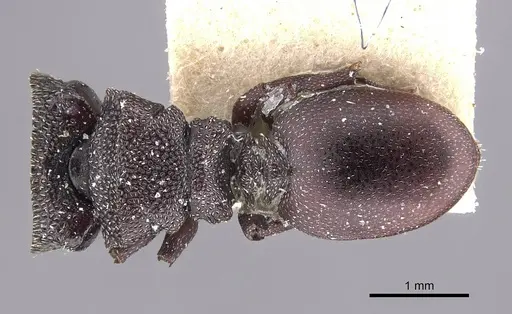
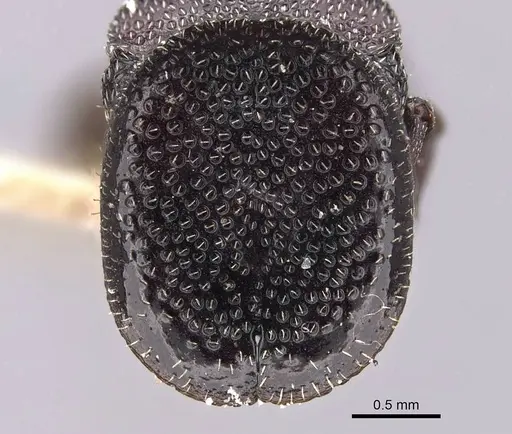
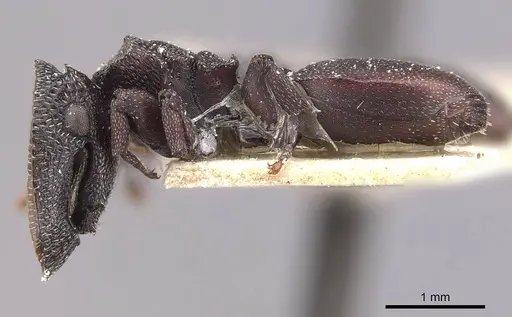
CASENT0909300
View on AntWeb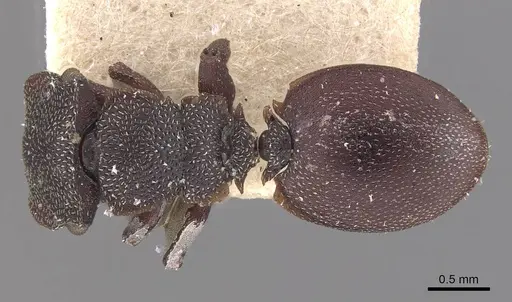

Literature
Loading...Loading products...