

Cephalotes cristatus
- Scientific Name
- Cephalotes cristatus
- Tribe
- Attini
- Subfamily
- Myrmicinae
- Author
- Emery, 1890
- Distribution
- Found in 7 countries
Cephalotes cristatus Overview
Cephalotes cristatus is an ant species of the genus Cephalotes. It is primarily documented in 7 countries , including Belize, Colombia, Costa Rica. Detailed taxonomic data and occurrence records can be further explored via authoritative databases such as AntWeb or the Global Biodiversity Information Facility (GBIF).
Cephalotes cristatus
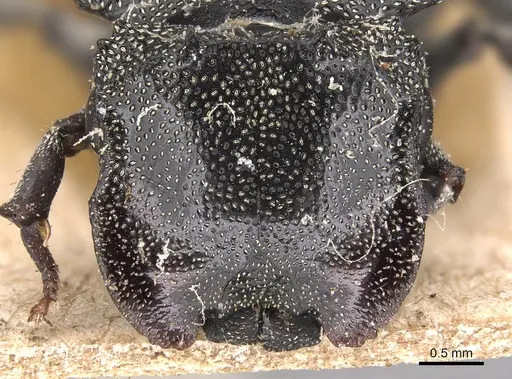
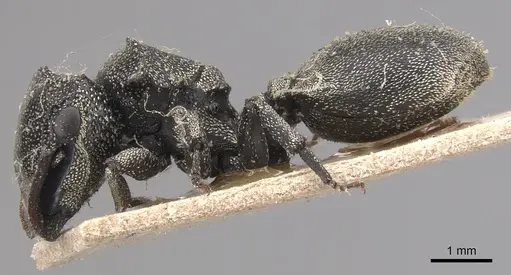
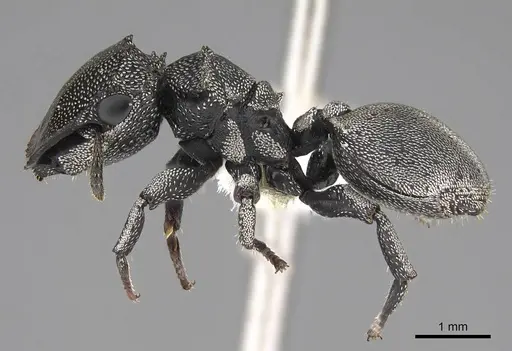
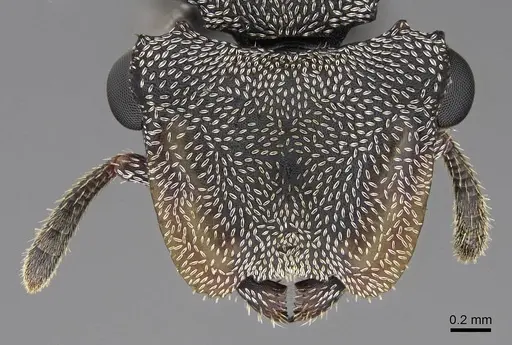
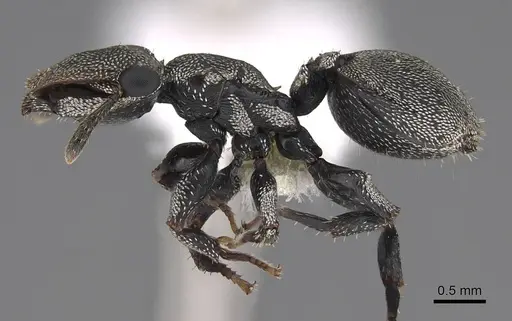
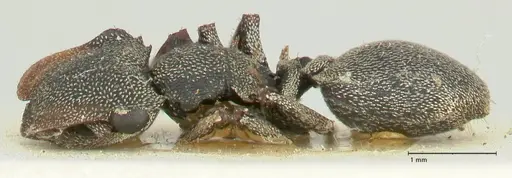
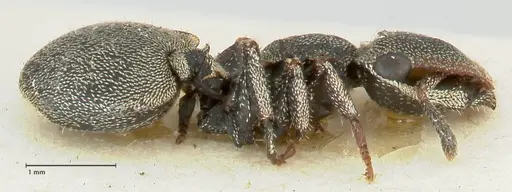
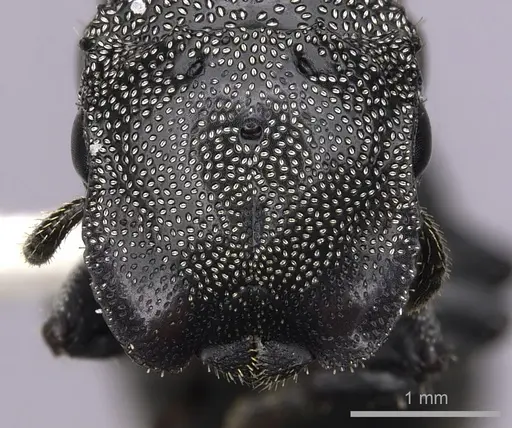
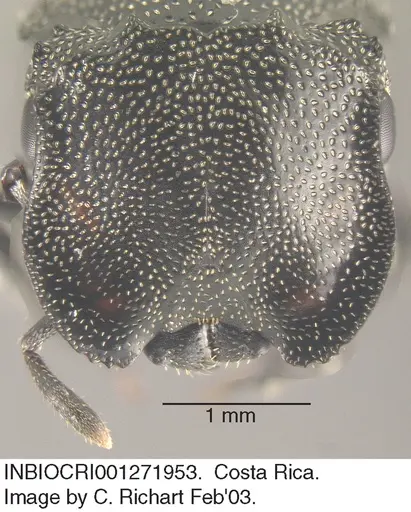
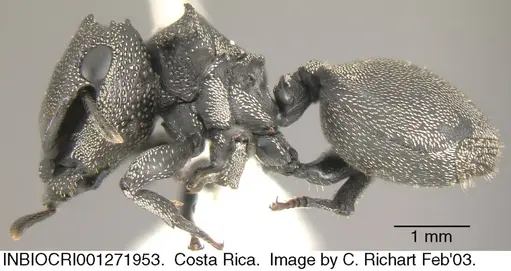
Cephalotes cristatus is a distinctive turtle ant species found throughout Central America from Mexico to Colombia. Workers are small at 4.6-6mm with a characteristic flattened, broad body and dark coloration with ferruginous (rust-colored) frontal carinae. The soldier caste is larger at 7.2-7.6mm with well-developed pronotal lamellae. Queens reach 10.4-10.6mm. This species belongs to the depressus clade, characterized by their extremely flattened body form and distinctive head structure. They inhabit arboreal vegetation in tropical forest habitats at elevations between 950-1150m [1][2]. A notable feature is their silvery-grey appearance caused by white scales overlaying the black integument, and they possess a strong chemical defense system [3].
Quick Summary
- Difficulty: Medium
- Origin & Habitat: Central America (Mexico, Belize, Guatemala, Honduras, Costa Rica) and northern South America (Colombia). Found in tropical forest habitats, primarily arboreal (living in trees) at elevations of 950-1150m [1][2][4].
- Colony Type: Colony structure is not well documented. Based on genus patterns, likely monogyne (single queen) but this is unconfirmed. No ergatoid replacement reproductives have been documented for this species.
- Size & Growth:
- Queen: 10.4-10.56mm
- Worker: 4.6-6.04mm
- Colony: Unknown, no colony size data available for this species
- Growth: Unknown, growth rate has not been documented
- Development: Unknown, development timeline has not been studied. Based on typical Cephalotes patterns, expect 6-10 weeks at tropical temperatures (No direct development data exists for this species. Estimates based on genus-level patterns for tropical turtle ants.)
- Antkeeping:
- Temperature: Keep warm at 24-28°C. As a tropical Central American species, they need consistently warm conditions. A heating cable on one side of the nest can provide a gentle gradient.
- Humidity: Maintain high humidity around 70-80%. These are forest-dwelling ants that need moist conditions. Keep the nest substrate consistently damp but not waterlogged. Mist occasionally and provide a water tube.
- Diapause: No, as a tropical species, they do not require hibernation. Keep temperatures stable year-round.
- Nesting: Arboreal nesters in the wild, typically inhabiting hollow twigs, branches, or pre-existing cavities in trees. In captivity, they do well in Y-tong (acrylic) nests or plaster nests with narrow chambers scaled to their flattened body. Provide small connections between chambers as they prefer tight spaces.
- Behavior: Turtle ants are generally docile and non-aggressive. They rely primarily on chemical defense rather than biting, workers picked up in the field have a very strong odor and can release chemicals from their gaster or mouth [3]. They are slow-moving and not escape artists in the traditional sense, but their flattened body allows them to squeeze through small gaps, so escape prevention should still be moderate. They are arboreal foragers, likely foraging for nectar, honeydew, and small prey in the canopy. Colonies are relatively quiet and not particularly active outside the nest.
- Common Issues: lack of biological data makes care challenging, much is inferred from genus patterns rather than species-specific research, escape prevention despite slow movement, their flattened body can squeeze through tiny gaps, tropical humidity requirements can be difficult to maintain consistently, slow growth means colonies develop gradually and require patience, wild-caught colonies may have parasites given limited captive breeding history
Nest Preferences and Housing
Cephalotes cristatus is an arboreal species, meaning they naturally nest in hollow twigs, branches, and pre-existing cavities in trees rather than in soil. In captivity, Y-tong (acrylic) nests work well because they provide the tight, narrow chambers that turtle ants prefer. Plaster nests are also suitable and help maintain humidity. The chambers should be scaled to their flattened body, these ants don't do well in large, open spaces. A test tube setup can work for founding colonies, but you may need to modify it to provide the tight spaces they prefer. Avoid naturalistic setups with large soil areas unless you're experienced with arboreal species. The nest should be kept humid but with adequate ventilation to prevent mold. [2]
Feeding and Diet
Like other Cephalotes species, C. cristatus likely has a varied diet consisting of nectar, honeydew, and small arthropods. In captivity, offer sugar water or honey regularly as a carbohydrate source. For protein, provide small insects like fruit flies, small mealworms, or pinhead crickets. Turtle ants are not aggressive predators, so prey should be small and easy to handle. Some Cephalotes species also accept seeds and plant matter, but this hasn't been confirmed for C. cristatus specifically. Feed protein 2-3 times per week and keep sugar sources available at all times. Remove uneaten food promptly to prevent mold.
Temperature and Care
As a tropical species from Central America, Cephalotes cristatus needs warm conditions year-round. Keep the nest area at 24-28°C consistently. Temperature drops below 20°C can stress these ants and slow or stop brood development. A small heating cable placed on one side of the nest can create a gentle gradient, allowing the ants to choose their preferred temperature. Place the heating on top of the nest, not underneath, to avoid evaporating moisture too quickly. Room temperature may be sufficient if your home stays in the mid-to-high 20s°C. Monitor with a thermometer and adjust as needed. Unlike temperate species, they do not require a winter cooling period.
Behavior and Defense
Turtle ants are known for their docile temperament and unique defense mechanisms. Unlike many ants that use biting or stinging, C. cristatus relies primarily on chemical defense. Workers have a very strong odor when handled and can release chemicals from their gaster or mouth region as a deterrent [3]. They are not aggressive and will typically retreat rather than engage. Their flattened body shape gives them their 'turtle ant' common name, this morphology helps them hide in tight crevices and under bark. They are relatively slow-moving and not particularly active foragers. Colonies tend to stay quiet within their nest, making them unobtrusive pets. However, their flattened body means they can squeeze through surprisingly small gaps, so use standard escape prevention even though they're not particularly agile.
Colony Founding
The founding behavior of Cephalotes cristatus has not been directly documented in scientific literature. Based on patterns observed in other Cephalotes species, the queen likely seals herself in a small cavity (claustral founding) and lives off stored fat reserves until her first workers emerge. The first workers (nanitics) will typically be smaller than mature workers. During this founding period, the queen should be left undisturbed in a dark, humid location. Do not check on her excessively as vibrations and light can stress her. Once workers emerge, you can begin offering tiny amounts of sugar water and small prey items. Colony growth is likely slow initially, as is typical for the genus.
Frequently Asked Questions
How long does it take for Cephalotes cristatus to produce first workers?
The exact development timeline is unknown for this species. Based on typical Cephalotes patterns, expect 6-10 weeks from egg to first worker at optimal tropical temperatures (around 26°C). Growth is generally slow, so patience is required during the founding stage.
What do Cephalotes cristatus ants eat?
They likely accept a varied diet similar to other turtle ants. Offer sugar water or honey as a constant carbohydrate source. For protein, provide small insects like fruit flies, small mealworms, or pinhead crickets. Feed protein 2-3 times per week.
What temperature do Cephalotes cristatus need?
Keep them warm at 24-28°C year-round. As a tropical Central American species, they need consistently warm conditions. Avoid temperatures below 20°C as this can stress the colony.
Can I keep Cephalotes cristatus in a test tube?
Test tubes can work for founding colonies, but turtle ants prefer tight spaces. You may need to provide a more appropriate setup as the colony grows. Y-tong or plaster nests with narrow chambers scaled to their flattened body work better for established colonies.
Are Cephalotes cristatus good for beginners?
They are rated as Medium difficulty. While generally docile and manageable, the lack of species-specific biological data makes care more challenging. Their humidity and temperature requirements are stricter than many beginner species. They require patience due to potentially slow growth.
Do Cephalotes cristatus need hibernation?
No, as a tropical species, they do not require hibernation or a winter cooling period. Keep temperatures stable year-round in the 24-28°C range.
How big do Cephalotes cristatus colonies get?
Colony size is unknown, no scientific data exists on maximum colony size for this species. Based on genus patterns, colonies are likely moderate in size, possibly reaching several hundred workers.
Why do my Cephalotes cristatus smell strong?
This is normal, Cephalotes cristatus is known to have a very strong odor, especially when handled. This is their primary defense mechanism, releasing chemicals from their gaster or mouth region. It's not a sign of illness.
When should I move my colony to a formicarium?
Move from test tube to a proper nest (Y-tong or plaster) when the colony reaches 15-30 workers and the test tube is becoming crowded. Turtle ants prefer tight chambers, so choose a nest with appropriately sized passages.
Can I keep multiple queens together?
The colony structure of this species is unconfirmed. Combining unrelated queens has not been documented and is not recommended. Most Cephalotes appear to be monogyne (single queen) in the wild.
Are Cephalotes cristatus escape artists?
They are not particularly agile or fast, but their extremely flattened body allows them to squeeze through surprisingly small gaps. Use standard escape prevention (tight-fitting lids, barrier gel if needed) even though they're slow-moving.
References

This caresheet is licensed under CC BY-SA 4.0 .
CASENT0904907
View on AntWeb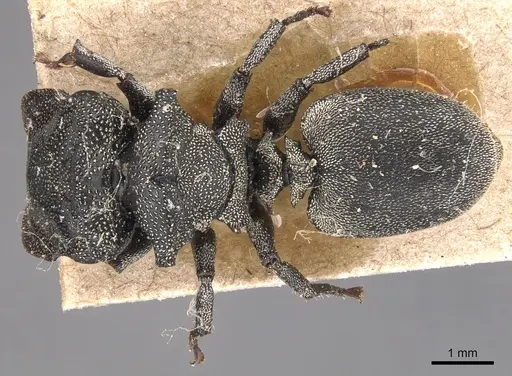
CASENT0904908
View on AntWeb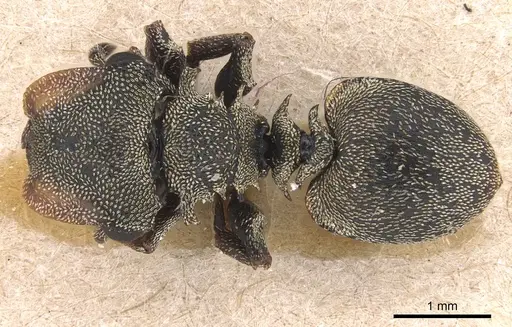
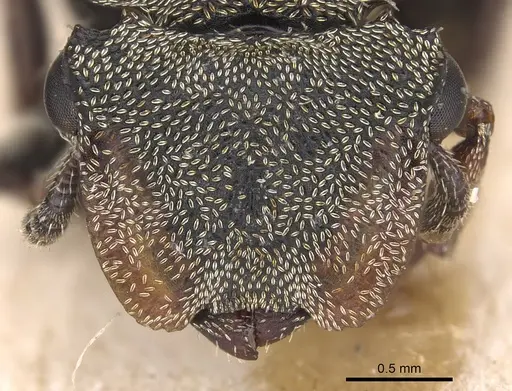
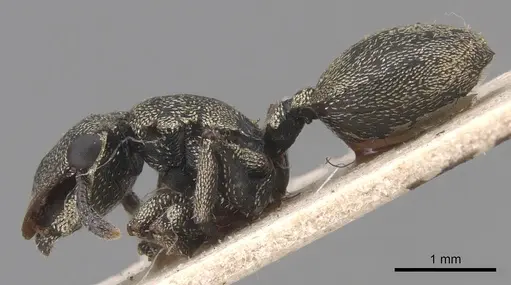
CASENT0922598
View on AntWeb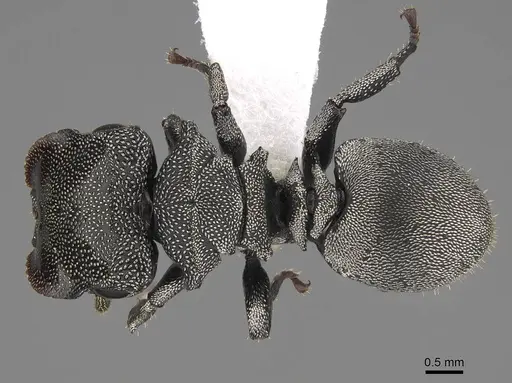
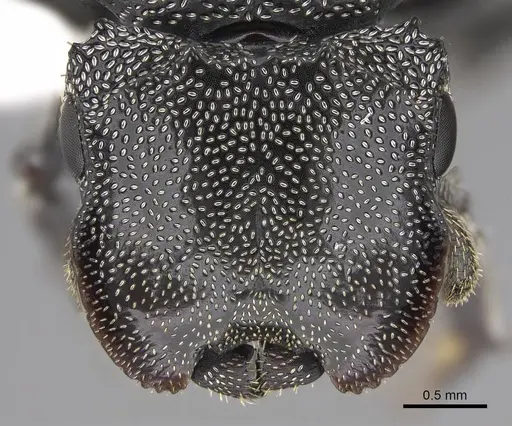
CASENT0922599
View on AntWeb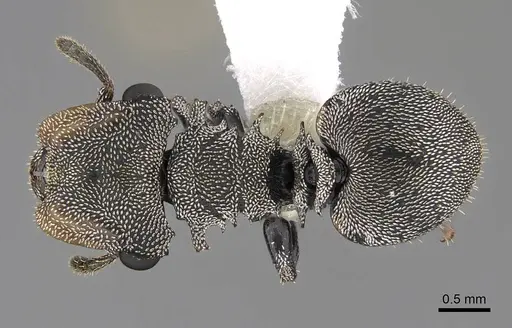
FMNHINS0000047665
View on AntWeb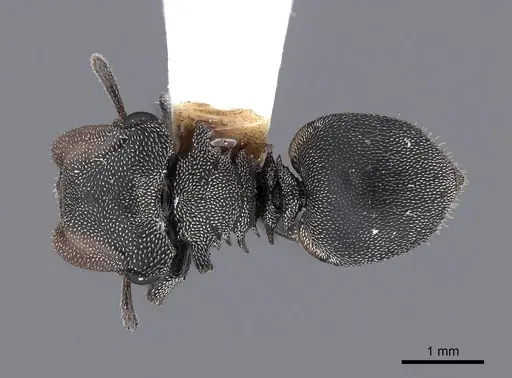
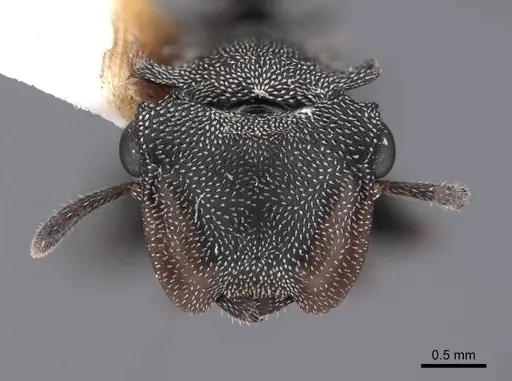
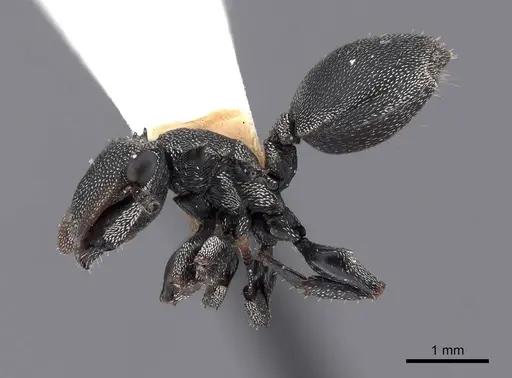
FOCOL2148
View on AntWeb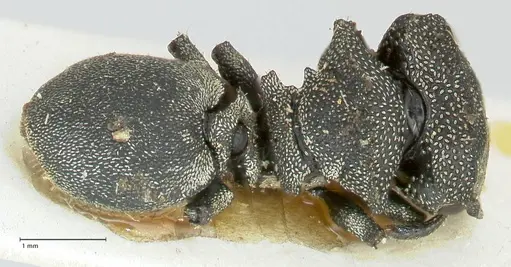
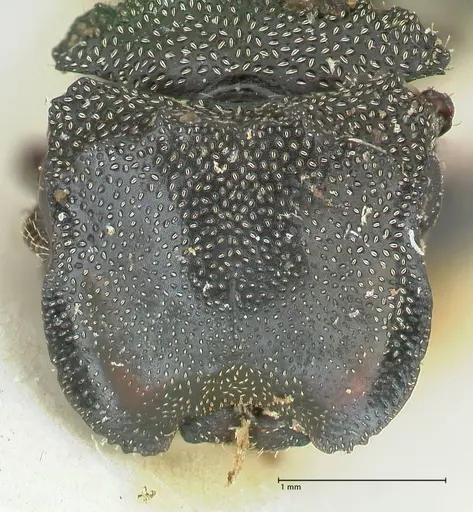
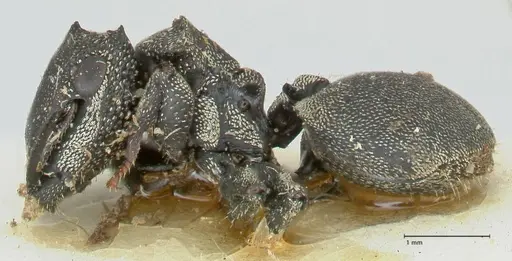
FOCOL2149
View on AntWeb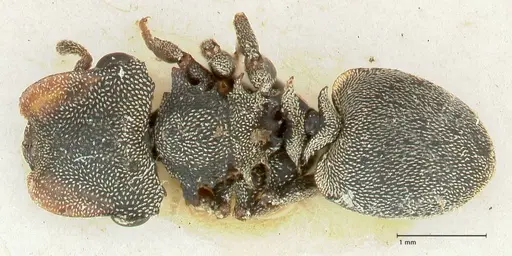
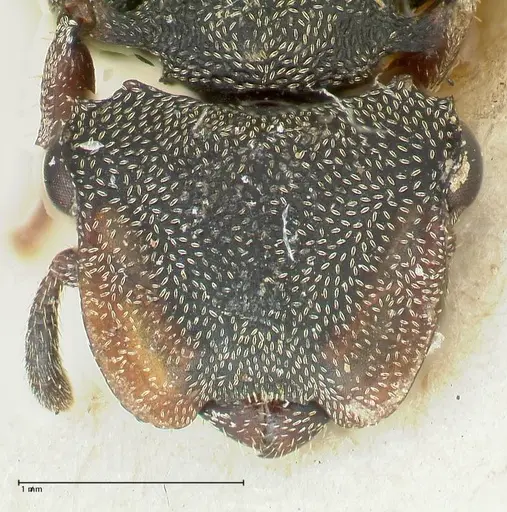
INBIOCRI001259792
View on AntWeb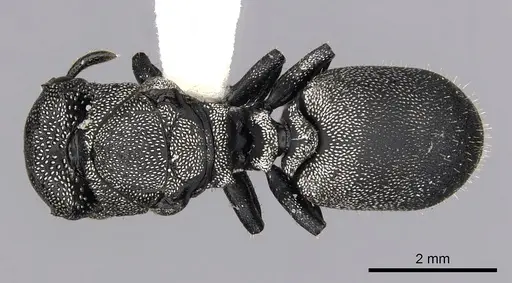
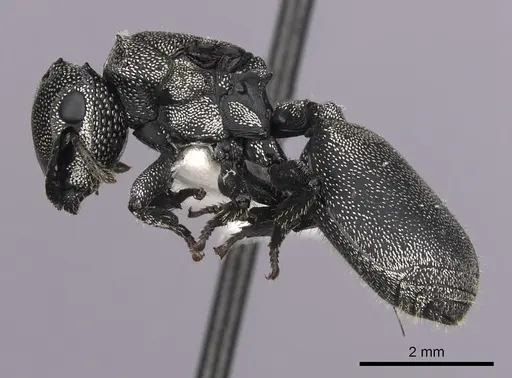
INBIOCRI001271946
View on AntWeb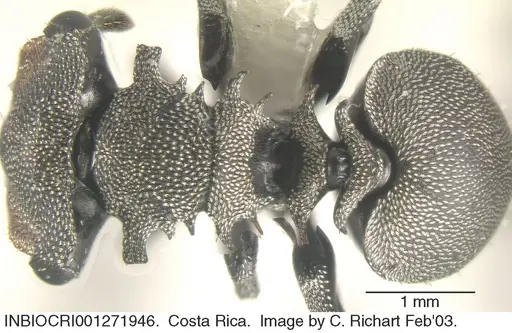
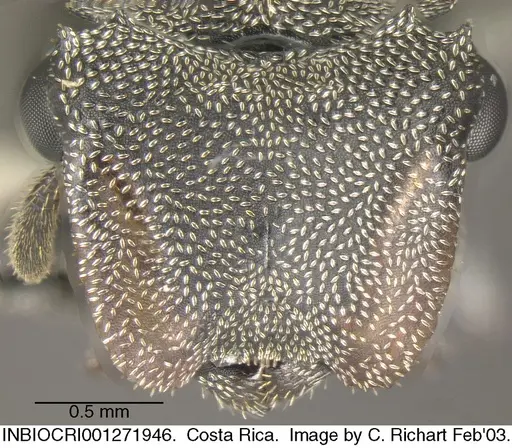
INBIOCRI001271953
View on AntWeb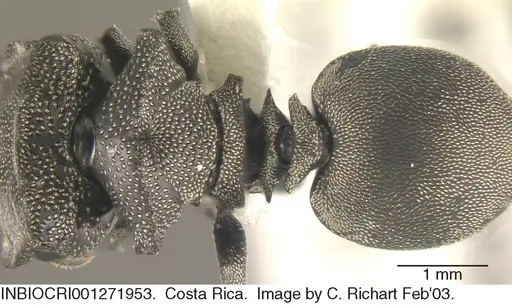
Literature
Loading...Loading products...