

Cephalotes crenaticeps
- Scientific Name
- Cephalotes crenaticeps
- Tribe
- Attini
- Subfamily
- Myrmicinae
- Author
- Mayr, 1866
- Distribution
- Found in 1 countries
Cephalotes crenaticeps Overview
Cephalotes crenaticeps is an ant species of the genus Cephalotes. It is primarily documented in 1 countries , including Venezuela, Bolivarian Republic of. Detailed taxonomic data and occurrence records can be further explored via authoritative databases such as AntWeb or the Global Biodiversity Information Facility (GBIF).
Cephalotes crenaticeps
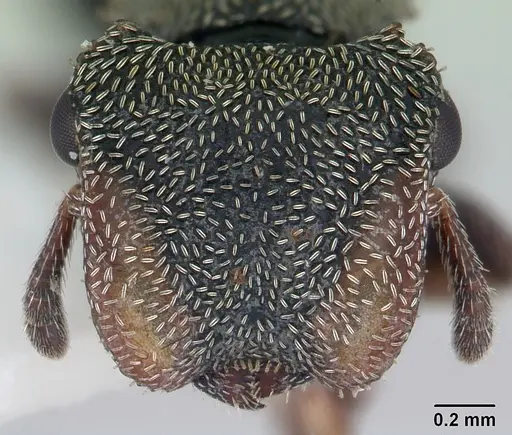
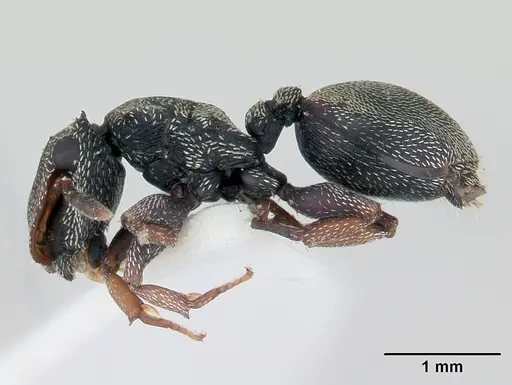
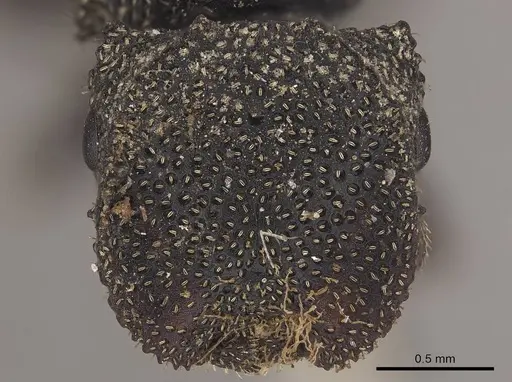
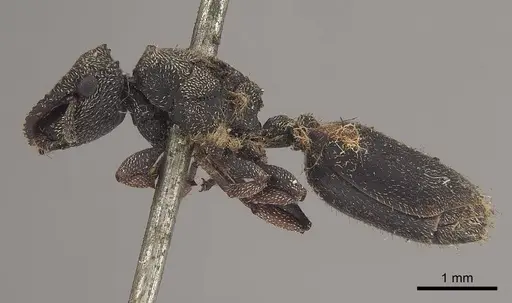
Cephalotes crenaticeps is a small to medium-sized turtle ant native to the rainforests of Colombia and Venezuela. Workers measure 4.0-4.4mm, soldiers are around 6mm, and queens reach 8-8.3mm [1]. They belong to the crenaticeps clade and feature distinctive orange-yellow spots on the first gastral tergite (abdomen), giving them a striking appearance. Their head disc and specialized morphology distinguish them as typical turtle ants, with soldiers having broader heads than workers. The species lacks the gastral expansions seen in some related species, making them look more streamlined than their 'turtle-backed' cousins. They inhabit the Amazon basin region at low elevations around 150m [1].
Quick Summary
- Difficulty: Medium
- Origin & Habitat: Colombia and Venezuela (Amazonas region). Found in lowland tropical rainforest at approximately 150m elevation [1][2].
- Colony Type: Likely monogyne (single queen colony) based on typical Cephalotes genus patterns. Colony size is unknown but likely reaches several hundred workers given the genus typical size.
- Colony: Monogyne
- Founding: Claustral
- Size & Growth:
- Queen: 8.0-8.3mm [1]
- Worker: 4.0-4.4mm [1]
- Colony: Unknown but estimated 200-500 workers based on genus patterns
- Growth: Moderate, estimated based on related Cephalotes species
- Development: Estimated 8-12 weeks at tropical temperatures (25-28°C) based on genus patterns for Cephalotes species (Development time is estimated from related species, direct observations for this species are unavailable)
- Antkeeping:
- Temperature: Keep at 24-28°C. They are a lowland tropical species requiring warm, stable conditions [1]. A gentle gradient allowing them to self-regulate is ideal.
- Humidity: High humidity (70-80%) is essential. These are forest-dwelling ants that need moist conditions. Provide a water tube and keep nesting area damp but not waterlogged.
- Diapause: No diapause required. As a tropical species from lowland Amazonia, they do not experience cold winters and remain active year-round [1]. Maintain consistent temperatures year-round.
- Nesting: In captivity, they do well in test tube setups initially, then transition to acrylic or plaster nests. They prefer tight, dark chambers that mimic their natural nesting in hollow twigs and tree cavities. Avoid large open spaces.
- Behavior: Generally peaceful and non-aggressive. They are slow-moving compared to many ants and rely on their head disc (soldiers) for colony defense rather than swarming. Workers forage for honeydew and small insects. They are not known to be escape artists but small size means standard barrier precautions apply. Soldiers use their specialized heads to block nest entrances.
- Common Issues: Tropical humidity requirements can be challenging, dry conditions quickly stress colonies, Limited availability in the antkeeping hobby means established care protocols are rare, Growth rate is slow by ant standards, beginners may lose patience, Wild-caught colonies may harbor parasites or fail to adapt to captive conditions, Temperature stability is critical, drafts or cooling can halt brood development
Housing and Nest Setup
Cephalotes crenaticeps does well in standard test tube setups for founding colonies. Use a small test tube with a water reservoir at one end, plugged with cotton, providing humidity through evaporation. The queen will seal herself into a chamber and remain there while raising her first workers (nanitics). Once the colony reaches 15-20 workers, you can transition to a small acrylic or plaster formicarium. These ants prefer tight, dark chambers that mimic their natural nesting in hollow twigs and tree cavities in the rainforest canopy. Avoid large, open spaces in the nest, they feel secure in compact areas. A small outworld for foraging completes the setup.
Feeding and Diet
Like other Cephalotes species, C. crenaticeps is a generalist forager. Offer sugar water or honey as a constant energy source, they will readily accept these. For protein, provide small insects like fruit flies, small crickets, or mealworm pieces. In the wild, turtle ants forage for honeydew from aphids and scale insects, plus small arthropods. Feed protein 2-3 times per week, and keep sugar water available at all times. Remove uneaten prey after 24-48 hours to prevent mold. Their slow movement means they may be outcompeted by faster ants if kept in mixed setups.
Temperature and Humidity
As a lowland tropical species from Colombia and Venezuela, C. crenaticeps requires warm, humid conditions. Maintain temperatures between 24-28°C year-round. A heating cable or mat on one side of the nest creates a gentle gradient allowing the ants to self-regulate. Place the heating on top of the nest, not underneath, to avoid excessive drying. Humidity should stay at 70-80%. This can be maintained by keeping the water tube filled and misting the outworld occasionally. Good ventilation is important to prevent mold while maintaining humidity, avoid completely sealed setups. Room temperature in heated homes (around 24°C) often works well. [1]
Behavior and Colony Dynamics
This species exhibits typical Cephalotes behavior, they are relatively docile and not aggressive. The colony will produce soldiers (larger workers with specialized heads) as the colony grows. Soldiers use their broad heads to block nest entrances, providing passive defense. Workers are slow, deliberate foragers rather than rapid runners. They do not sting and pose no danger to keepers. The distinctive orange spots on their abdomen serve as warning coloration but actual defense is limited. Colonies grow moderately, expect 6-12 months from founding to first workers, then gradual growth over several years to potential maturity.
Colony Founding
The founding process follows typical Cephalotes patterns, the queen seals herself into a small chamber (claustral founding) and raises the first generation alone on stored body fat. She does not leave to forage during this time. The first workers (nanitics) are smaller than mature workers but functional. After the first workers emerge, the colony expands gradually. Queens are 8mm and well-provisioned for founding. Be patient during this phase, do not disturb the nest or attempt to feed the queen directly.
Frequently Asked Questions
How long does it take for Cephalotes crenaticeps to produce first workers?
Expect 8-12 weeks from egg to first worker at optimal temperatures (25-28°C). This is typical for Cephalotes species. The queen will remain sealed in her chamber raising brood until the first nanitics emerge.
What do Cephalotes crenaticeps eat?
They accept sugar water or honey for energy, plus small insects like fruit flies, pinhead crickets, or mealworms for protein. Keep sugar water available at all times and offer protein 2-3 times weekly.
What temperature do they need?
Keep them warm at 24-28°C. As a lowland tropical species from Colombia and Venezuela, they require consistent warmth year-round with no hibernation or diapause.
Are Cephalotes crenaticeps good for beginners?
They are intermediate difficulty. The main challenges are maintaining high humidity and providing stable tropical temperatures. They are slow-growing and require patience, but their peaceful nature makes them rewarding.
How big do colonies get?
Based on genus patterns, colonies likely reach 200-500 workers at maturity. Growth is slow, expect several years to reach full size.
Do they need hibernation?
No. As a tropical species from the Amazon lowlands, they do not require diapause or winter cooling. Maintain consistent temperatures year-round.
Can I keep multiple queens together?
Not recommended. Like most Cephalotes, they are likely monogyne (single queen). Combining unrelated queens has not been documented for this species and would likely result in fighting.
When should I move them to a formicarium?
Move from test tube to a small formicarium once the colony reaches 15-25 workers. They do better in smaller, more compact nests rather than large spaces.
Why are my ants not moving much?
This is normal behavior for Cephalotes, they are naturally slow, deliberate ants. If they seem sluggish, check that temperatures are warm enough (below 24°C they become less active).
References

This caresheet is licensed under CC BY-SA 4.0 .
CASENT0178646
View on AntWeb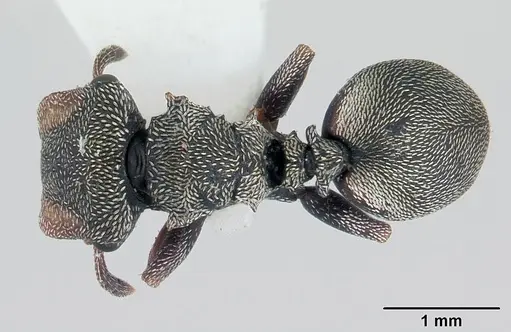
CASENT0919598
View on AntWeb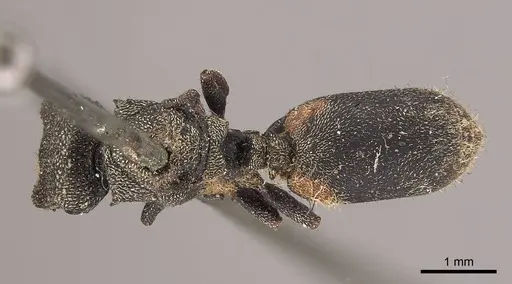
Literature
Loading...Loading products...