

Cephalotes cordiventris
- Scientific Name
- Cephalotes cordiventris
- Tribe
- Attini
- Subfamily
- Myrmicinae
- Author
- Santschi, 1931
- Distribution
- Found in 4 countries
Cephalotes cordiventris Overview
Cephalotes cordiventris is an ant species of the genus Cephalotes. It is primarily documented in 4 countries , including Colombia, Costa Rica, Nicaragua. Detailed taxonomic data and occurrence records can be further explored via authoritative databases such as AntWeb or the Global Biodiversity Information Facility (GBIF).
Cephalotes cordiventris
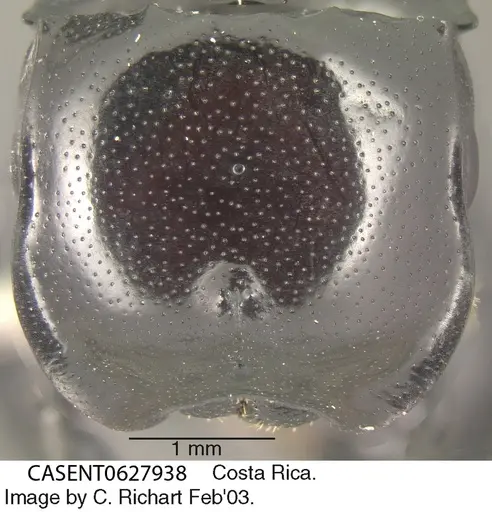
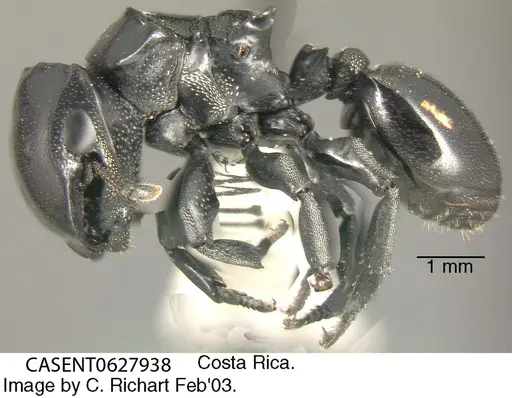
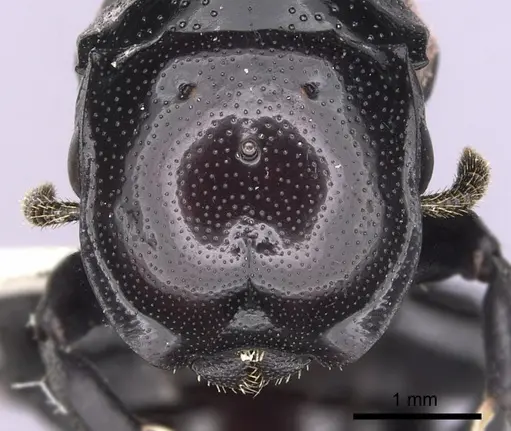
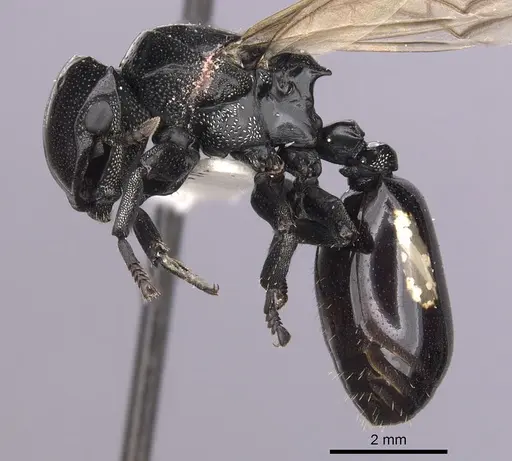
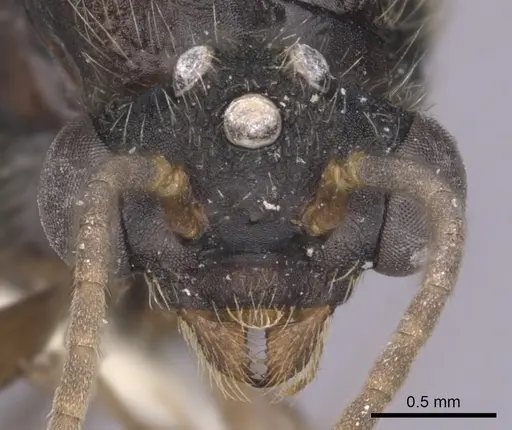
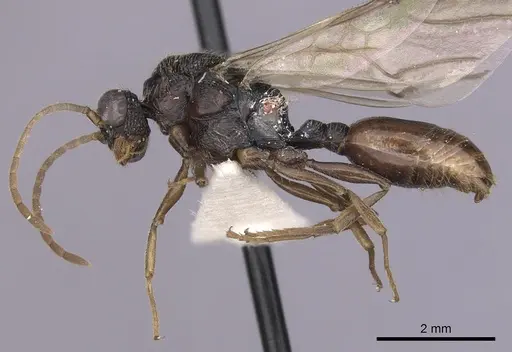
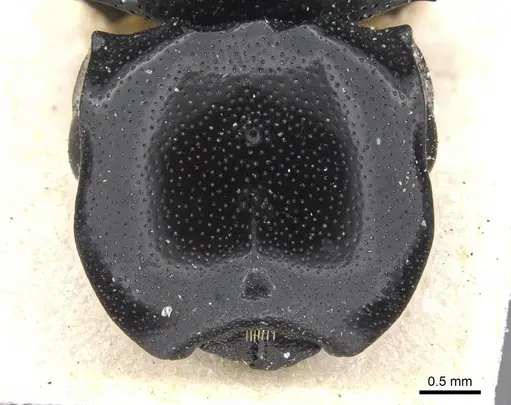
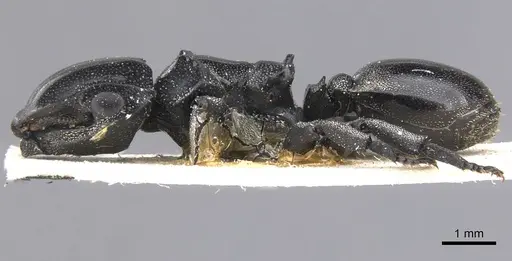
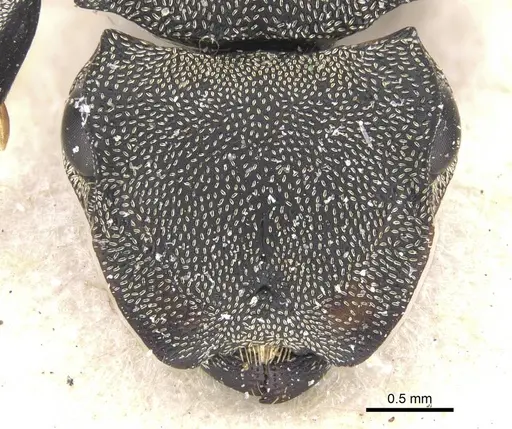
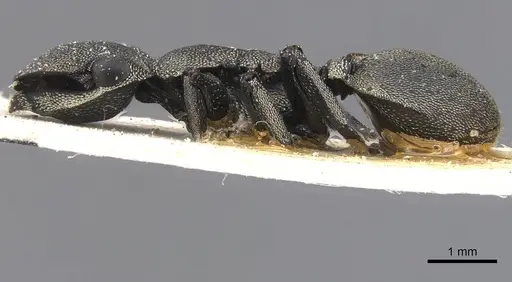
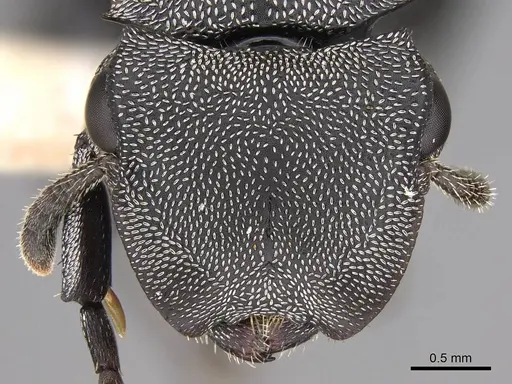
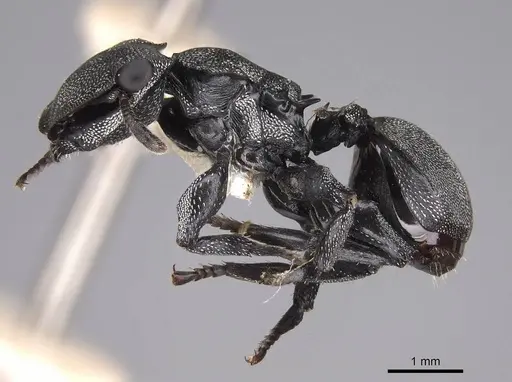
Cephalotes cordiventris is a striking turtle ant found in the wet forests of Costa Rica, Panama, and Colombia. Workers measure 6.3-7.4mm, soldiers are notably larger at 8.4-10.2mm, and queens reach an impressive 11-12mm. These ants belong to the basalis group and are easily recognized by their flattened, turtle-like body shape and the distinctive whitish-golden spot on the first gastral tergite in workers and soldiers. Unlike many ants, they are arboreal, living in the canopy rather than on the forest floor [1]. They prefer wet/moist forest habitats at elevations around 85 meters [2].
Quick Summary
- Difficulty: Medium
- Origin & Habitat: Wet tropical forests of Costa Rica, Panama, and Colombia (Nicaragua to Colombia). They are arboreal, living in canopy habitats [2][1][3].
- Colony Type: Colony structure is unconfirmed. Based on related Cephalotes species, likely monogyne (single queen) but further research needed.
- Size & Growth:
- Queen: 11.04-12.04mm
- Worker: 6.32-7.44mm
- Colony: Unknown, likely several hundred workers based on related species
- Growth: Moderate, based on typical Cephalotes development patterns
- Development: Estimated 8-12 weeks at optimal temperature (typical for tropical Myrmicinae) (Development time is estimated from related species, specific data for C. cordiventris is not available)
- Antkeeping:
- Temperature: Keep at 24-28°C, these are tropical ants from wet forests. A slight temperature gradient allows them to regulate. Room temperature in most homes should work, but a heating cable on one side of the nest can help maintain warmth [3].
- Humidity: High humidity is essential, they come from wet tropical forests. Keep nest substrate consistently moist but not waterlogged. Mist the outworld regularly and provide a water source. Think damp rainforest conditions [3].
- Diapause: No, as a tropical species, they do not require hibernation. Keep them at stable temperatures year-round [3].
- Nesting: Arboreal nesters in nature, they inhabit hollow twigs, branches, and tree cavities in the canopy. In captivity, Y-tong (AAC) nests or plaster nests work well. Provide narrow chambers scaled to their size. Avoid fully enclosed test tubes as they prefer some vertical space. Include small twigs or cork bark in the outworld to simulate their natural arboreal habitat [3].
- Behavior: Turtle ants are generally calm and not aggressive. Workers move at a moderate pace, and soldiers may patrol the nest area. They are not known to sting, their main defense is the flattened body that allows them to wedge into nest entrances. They are arboreal foragers, likely feeding on honeydew from aphids and scale insects, plus small insects. Escape risk is moderate, they are larger ants but can still climb smooth surfaces. Use standard barrier methods [3].
- Common Issues: humidity control is critical, dry conditions will kill colonies quickly since they are adapted to wet forests, arboreal nature means they need vertical space and climbing structures, don't keep them in horizontal-only setups, slow growth can frustrate beginners, be patient with colony development, wild-caught colonies may have parasites or be stressed from collection, quarantine and monitor closely, soldiers are large and may have trouble in narrow test tube setups, provide appropriately sized nesting chambers
Housing and Nest Setup
Cephalotes cordiventris is an arboreal species, meaning they naturally live in tree hollows and branches rather than underground. In captivity, Y-tong (acrylic) nests or plaster nests work best. The chambers should be appropriately sized, not too tight, but with passages the ants can comfortably walk through. Unlike ground-nesting ants, these ants benefit from vertical space in their outworld. Include small twigs, cork bark, or artificial plants for them to climb on. This mimics their natural canopy habitat and encourages natural foraging behavior. A water test tube should always be available, and the outworld should be misted regularly to maintain humidity. Avoid completely horizontal setups, these ants prefer to move vertically. [3]
Feeding and Diet
Like other turtle ants, C. cordiventris likely feeds primarily on honeydew collected from aphids and scale insects in their natural habitat, supplemented with small insects. In captivity, offer sugar water or honey water as a constant energy source. For protein, provide small insects like fruit flies, small crickets, or mealworms. Feed protein 2-3 times per week, and keep sugar water available at all times. Remove uneaten prey after 24-48 hours to prevent mold. These ants are not aggressive hunters, they prefer scavenging and collecting honeydew rather than chasing prey. Some keepers report success with offering diluted honey or sugar water on cotton balls. [3]
Temperature and Humidity
As a tropical species from Central American wet forests, C. cordiventris requires warm and humid conditions. Keep temperatures in the range of 24-28°C. A heating cable on one side of the nest creates a gentle gradient that allows the ants to regulate their temperature. Humidity is particularly important, aim for 70-80% relative humidity. The nest substrate should remain consistently moist but never waterlogged. Mist the outworld every few days and ensure the water test tube is always filled. In dry environments, consider using a humidifier near the ant setup. Low humidity quickly leads to colony decline in this species. [3]
Behavior and Colony Structure
Cephalotes ants get their common name 'turtle ants' from their distinctive flattened body shape that resembles a turtle's shell. Workers are moderately sized and move at a steady pace. The larger soldiers (major workers) patrol the nest and may assist with defense and food processing. This species is not aggressive and poses no sting threat to humans. Their primary defense mechanism is the ability to flatten their bodies and wedge themselves into nest entrances, making it difficult for predators to enter. Colonies likely develop moderately, expect several months before you see significant growth. The presence of distinct soldier castes suggests they may help with colony tasks as the population grows.
Growth and Development
Specific development data for C. cordiventris is not available, but based on related Cephalotes species and typical Myrmicinae patterns, expect 8-12 weeks from egg to first worker at optimal temperature (around 26°C). Queens are large (11-12mm) and likely have substantial fat reserves for claustral founding. The first workers (nanitics) will be smaller than mature workers but should already show the characteristic flattened body shape. Growth rate is moderate, don't expect rapid expansion. Patience is key with this species. Colonies likely reach several hundred workers over time, though exact maximum colony size is unknown for this specific species. [3]
Frequently Asked Questions
How long does it take for Cephalotes cordiventris to produce first workers?
Specific data is not available, but based on related Cephalotes species, expect 8-12 weeks at optimal temperature (around 26°C). Be patient, this is a moderate-growing species.
What do Cephalotes cordiventris ants eat?
They primarily feed on honeydew (sugar water from aphids) and small insects. Offer sugar water or honey water constantly, and provide small insects like fruit flies or small crickets 2-3 times per week.
What temperature do Cephalotes cordiventris need?
Keep them at 24-28°C. These are tropical ants from wet forests and need warmth to thrive. A heating cable on one side of the nest can help maintain proper temperature.
Are Cephalotes cordiventris good for beginners?
They are rated as medium difficulty. The main challenges are maintaining high humidity and providing appropriate arboreal-style housing. Experienced antkeepers should have success, but they may be challenging for complete beginners.
How big do Cephalotes cordiventris colonies get?
Exact colony size is unknown, but based on related species, they likely reach several hundred workers. They have distinct soldier castes that appear as the colony grows.
Do Cephalotes cordiventris need hibernation?
No, they do not hibernate. As a tropical species from Costa Rica and Panama, they need stable warm temperatures year-round. Do not expose them to cold temperatures.
What type of nest is best for Cephalotes cordiventris?
Y-tong (AAC) nests or plaster nests work best. They are arboreal ants that naturally live in tree cavities, so they appreciate some vertical space and climbing structures in their outworld.
Can I keep multiple Cephalotes cordiventris queens together?
Colony structure is not confirmed for this species. Based on related Cephalotes, they are likely monogyne (single queen). It is not recommended to combine unrelated queens.
Why is my Cephalotes cordiventris colony dying?
The most common cause is low humidity, these ants come from wet tropical forests and decline quickly in dry conditions. Check that the nest substrate is consistently moist and mist the outworld regularly.
References

This caresheet is licensed under CC BY-SA 4.0 .
CASENT0627938
View on AntWeb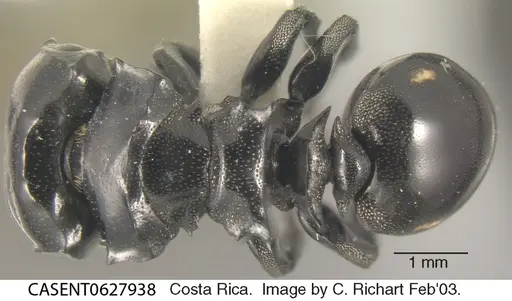
CASENT0627939
View on AntWeb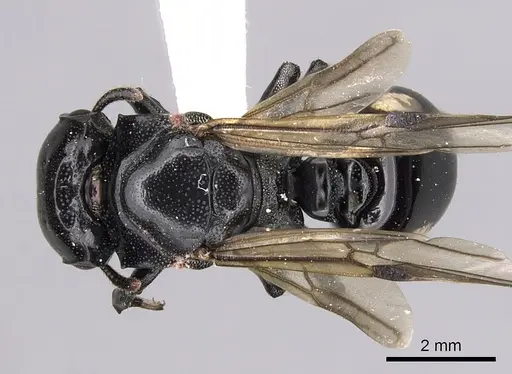
CASENT0627940
View on AntWeb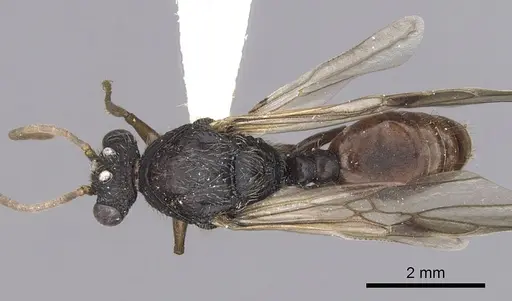
CASENT0912608
View on AntWeb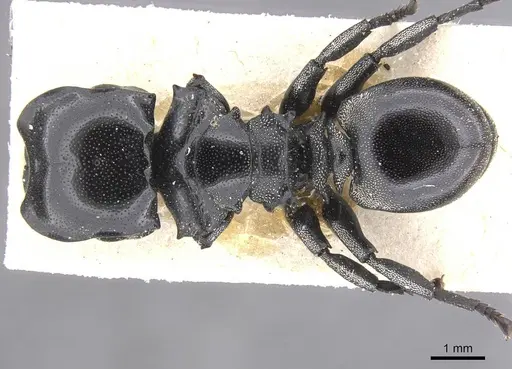
CASENT0912609
View on AntWeb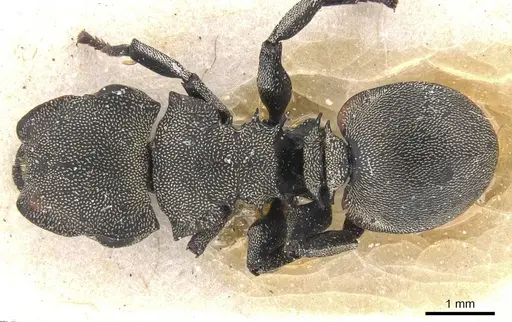
CASENT0922597
View on AntWeb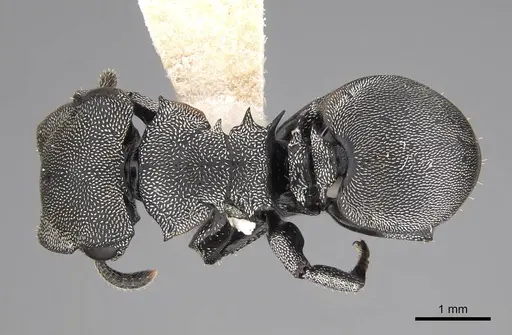
INBIOCRI002281633
View on AntWeb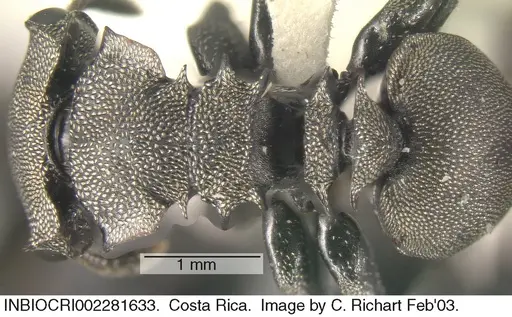
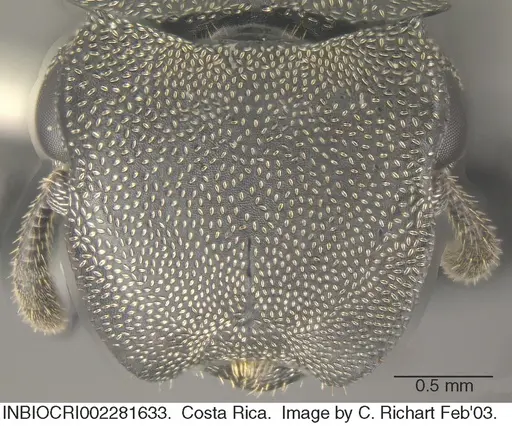
Literature
Loading...Loading products...