

Cephalotes cordatus
- Scientific Name
- Cephalotes cordatus
- Tribe
- Attini
- Subfamily
- Myrmicinae
- Author
- Smith, 1853
- Distribution
- Found in 5 countries
Cephalotes cordatus Overview
Cephalotes cordatus is an ant species of the genus Cephalotes. It is primarily documented in 5 countries , including Brazil, Colombia, Ecuador. Detailed taxonomic data and occurrence records can be further explored via authoritative databases such as AntWeb or the Global Biodiversity Information Facility (GBIF).
Cephalotes cordatus
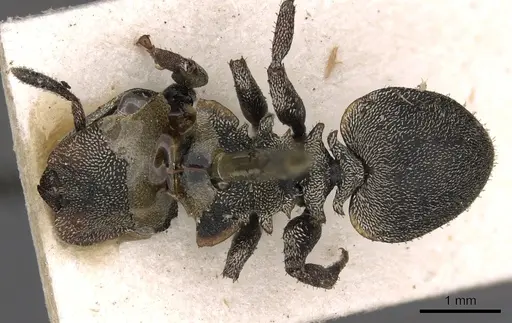
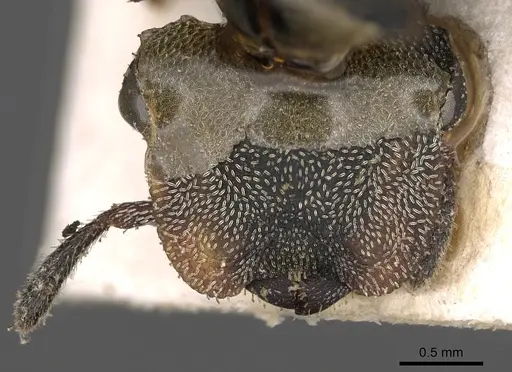
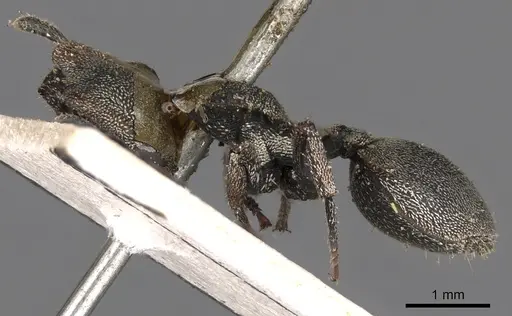
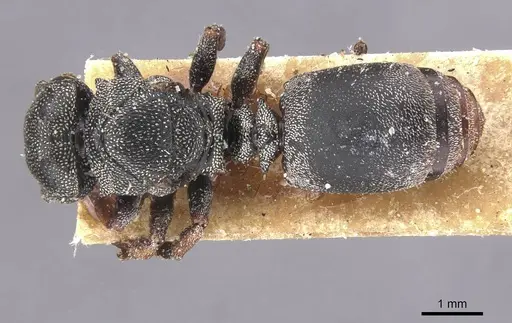
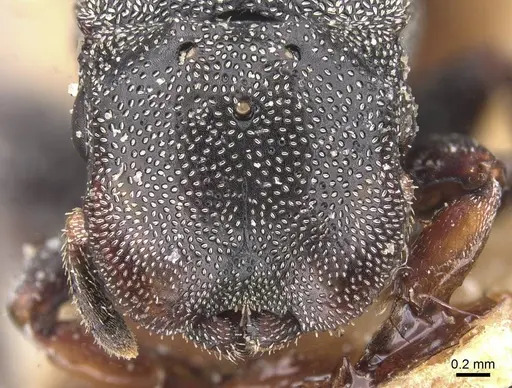
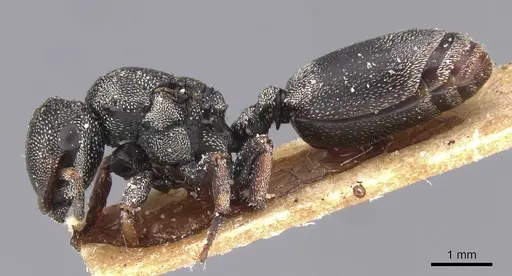
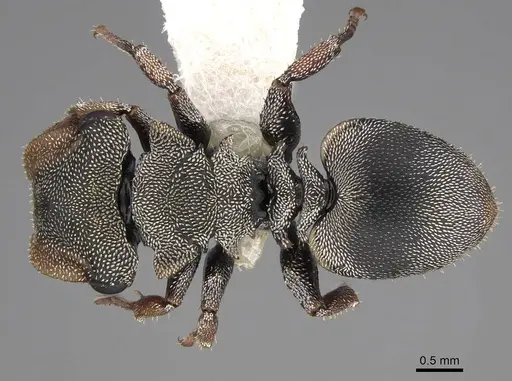
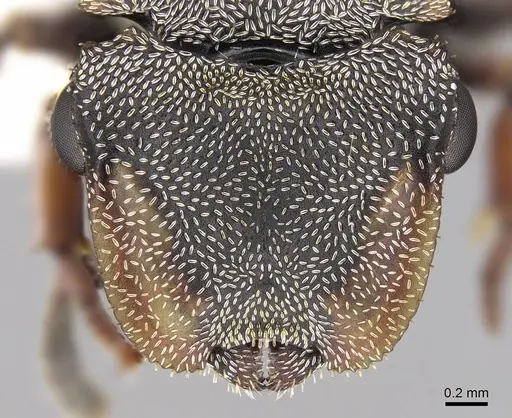
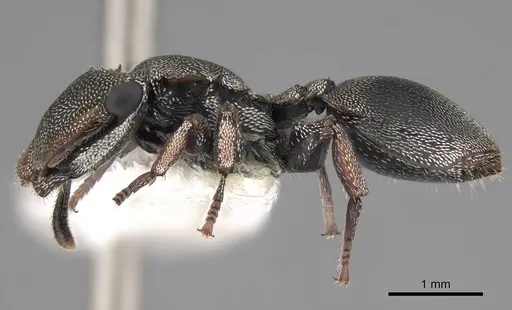
Cephalotes cordatus is a striking turtle ant species found throughout the northern South American rainforests and savanna regions. Workers are distinctive black ants measuring 4.8-6mm with characteristic broad, flat lamellae (flap-like structures) along the sides of their pronotum, and rusty ferruginous markings on their head and body edges. Soldiers develop massive, shield-shaped heads that fill the nest entrance, serving as living door guards. Queens reach about 9mm. This species belongs to the depressus clade, a group of turtle ants known for their flattened body shape and arboreal nesting habits in tropical trees [1][2]. They are frequently found in Caryocar brasiliense trees in the Brazilian cerrado and Amazon regions, living at elevations from 60-779 meters [3][4].
Quick Summary
- Difficulty: Medium
- Origin & Habitat: Northern South America, found in Colombia, French Guiana, Brazil, Peru, and Bolivia. They inhabit tropical rainforest and cerrado regions, typically nesting in trees and woody vegetation at low to mid elevations (60-779m) [4][5].
- Colony Type: Monogyne, single queen colonies. Turtle ants typically form single-queen colonies with distinct soldier castes that serve as nest defenders.
- Colony: Monogyne
- Founding: Claustral
- Size & Growth:
- Queen: 9.00mm [6]
- Worker: 4.80-6.04mm [1]
- Colony: Estimated several hundred workers based on typical Cephalotes colony sizes [6]
- Growth: Moderate, turtle ants develop relatively slowly compared to some Myrmicines, with first workers appearing in several months
- Development: Estimated 8-12 weeks at tropical temperatures (25-28°C) based on genus patterns (Development is temperature-dependent, warmer conditions within the tropical range accelerate development. Soldiers take significantly longer to develop than workers.)
- Antkeeping:
- Temperature: Keep at 24-28°C, these are true tropical ants requiring warm, stable conditions. A slight gradient allowing cooler areas around 22°C is beneficial. Avoid temperatures below 20°C [6].
- Humidity: Moderate to high humidity (60-80%). As arboreal ants, they prefer humid conditions but need good ventilation to prevent mold. Mist the outworld regularly and keep nest substrate slightly moist but not waterlogged [6].
- Diapause: No, as a tropical species, they do not require hibernation or winter rest. Maintain year-round tropical temperatures [6].
- Nesting: Arboreal setup works best, these ants naturally nest in trees and hollow twigs. Use a formicarium with narrow chambers or a Y-tong style nest with small passages scaled to their size. Provide dead branches, cork bark, or bamboo sections as alternative nesting material. Outworld should include vertical structures for foragers [6].
- Behavior: Turtle ants are generally peaceful but will defend their nest aggressively using their soldiers as living barricades. Workers are active foragers that search for honeydew and small prey. They are not aggressive toward keepers but can deliver a mild bite if handled. Escape prevention is important, while not the smallest ants, they are adept climbers and will escape through small gaps. Use fluon barriers and secure lids [6].
- Common Issues: colonies fail if temperatures drop below 20°C for extended periods, these are strict tropical ants, poor escape prevention leads to escapes, they climb well and will find gaps in equipment, mold problems from overwatering, maintain ventilation while keeping humidity up, slow development causes keeper impatience, don't overfeed or disturb the colony during founding, wild-caught colonies may have parasites or be stressed, quarantine and monitor closely
Housing and Nest Setup
Cephalotes cordatus is an arboreal species, meaning they naturally live in trees and woody vegetation. In captivity, they do well in formicariums with chambers sized appropriately for their colony size. Y-tong (acrylic) nests work well because they allow you to observe the colony while providing dark, secure chambers. The chambers should be relatively small, turtle ants prefer tight, snug spaces. You can also provide natural materials like cork bark, hollow twigs, or small dead branches as alternative nesting sites. The outworld should include vertical elements like plants, twigs, or mesh where workers can forage and explore. These ants are excellent climbers, so apply fluon or another barrier to the upper rim of the outworld to prevent escapes. A small water tube should be provided for drinking, though they get most moisture from food [6].
Feeding and Diet
Turtle ants are omnivores with a strong preference for sugary liquids. In captivity, offer a constant source of sugar water, honey, or diluted maple syrup in a test tube with a cotton ball. For protein, provide small insects like fruit flies, small crickets, or mealworm pieces. They will also scavenge dead insects. Some colonies accept small amounts of fruit, but sugar sources should be the primary food. Feed protein 2-3 times per week, and always have sugar water available. Remove uneaten protein after 24-48 hours to prevent mold. In their natural habitat, they tend scale insects and other honeydew-producing insects on trees, so replicating this with sugar water is ideal [6].
Temperature and Humidity
As a tropical species from the Amazon and Cerrado regions, Cephalotes cordatus requires warm temperatures between 24-28°C. Temperatures below 20°C can be harmful and slow or stop colony development. Use a heating cable or mat on one side of the nest to maintain warmth, but ensure there's a slight gradient so ants can move to cooler areas if needed. Humidity should be moderate to high (60-80%). The nest substrate should be kept slightly moist but never waterlogged. Mist the outworld regularly and use a water tube for drinking. Good ventilation is essential to prevent mold while maintaining humidity. These ants do not require any diapause or winter cooling, maintain tropical conditions year-round [3][6].
Colony Development and Growth
Colony founding is claustral, the queen seals herself in a small chamber and raises the first brood alone, living off her stored fat reserves. This means you should not disturb a founding queen or offer food during the claustral period. First workers (nanitics) will appear after several months and are typically smaller than mature workers. The colony will grow gradually, with growth rate depending on temperature and feeding. Soldiers appear once the colony reaches a certain size, typically when there are enough workers to warrant nest defense. A mature Cephalotes cordatus colony may have several hundred workers and multiple soldiers. Be patient, turtle ant colonies develop more slowly than many common ant species, and rushing or disturbing them can cause queen stress and colony failure [6].
Behavior and Defense
Cephalotes cordatus workers are active foragers that search for sugar sources and small prey. They communicate through chemical trails and will recruit nestmates to good food sources. The most distinctive behavioral trait is their soldier caste, these large-headed workers serve as living door guards, blocking the nest entrance with their shield-like heads. When threatened, soldiers will block the entrance while workers emerge from alternative exits. They are not aggressive toward humans and rarely bite unless handled roughly, but their bite is mild. These ants are diurnal, with most activity during daylight hours. They are not particularly fast-moving but are persistent foragers [6].
Frequently Asked Questions
How long does it take for Cephalotes cordatus to have first workers?
First workers typically appear 8-12 weeks after the queen lays eggs, assuming optimal temperatures around 25-28°C. Development is slower than many common ant species, so patience is essential. The first workers (nanitics) will be smaller than mature workers.
What do Cephalotes cordatus ants eat?
They are omnivores with a strong sweet tooth. Offer constant sugar water, honey, or diluted maple syrup. For protein, provide small insects like fruit flies, small crickets, or mealworm pieces. Remove uneaten protein after 24-48 hours to prevent mold.
Do Cephalotes cordatus ants need hibernation?
No. As a tropical species from the Amazon and Cerrado regions, they do not require hibernation or any cooling period. Keep them warm year-round at 24-28°C.
Are Cephalotes cordatus good for beginners?
They are considered a medium-difficulty species. They require stable tropical temperatures and proper humidity, which may require more equipment than room-temperature species. Their slower development also requires patience. They are rewarding for keepers who can provide the warm, humid conditions they need.
What size formicarium do I need for Cephalotes cordatus?
Start with a small setup like a test tube or small container for the founding queen. As the colony grows, transfer to a Y-tong or plaster formicarium with appropriately-sized chambers. Turtle ants prefer snug chambers, so avoid overly large spaces. A colony of several hundred workers needs only moderate-sized chambers.
How big do Cephalotes cordatus colonies get?
Mature colonies typically reach several hundred workers. The presence of soldiers indicates a well-established colony. Growth is moderate and temperature-dependent, warmer conditions within their range speed development.
Can I keep multiple Cephalotes cordatus queens together?
No. This is a monogyne species, colonies have a single queen. Combining unrelated queens is not recommended and will likely result in fighting.
Why is my Cephalotes cordatus colony not growing?
Check temperature first, they need 24-28°C and can stall if too cool. Also ensure the queen is still alive and laying eggs. Overfeeding can cause mold issues. Finally, make sure the colony is in a quiet location without vibrations or disturbances.
Do Cephalotes cordatus need a test tube setup?
Test tubes work well for founding colonies. Keep the water section moderate, too much water can flood the chamber. Once the colony grows, you can transition to a formicarium while maintaining a water source.
References

This caresheet is licensed under CC BY-SA 4.0 .
Literature
Loading...Loading products...