

Cephalotes complanatus
- Scientific Name
- Cephalotes complanatus
- Tribe
- Attini
- Subfamily
- Myrmicinae
- Author
- Guérin-Méneville, 1844
- Distribution
- Found in 3 countries
Cephalotes complanatus Overview
Cephalotes complanatus is an ant species of the genus Cephalotes. It is primarily documented in 3 countries , including Brazil, Colombia, French Guiana. Detailed taxonomic data and occurrence records can be further explored via authoritative databases such as AntWeb or the Global Biodiversity Information Facility (GBIF).
Cephalotes complanatus
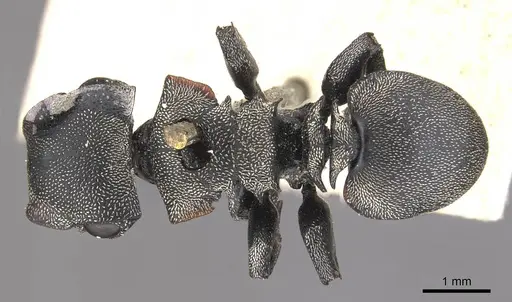
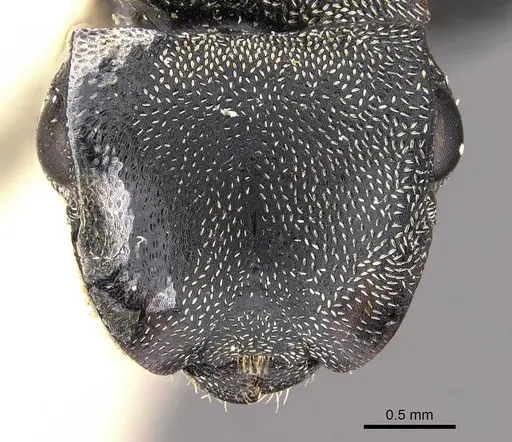
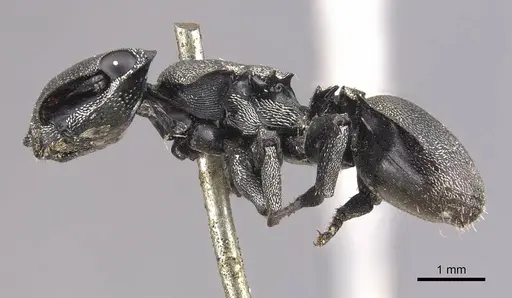
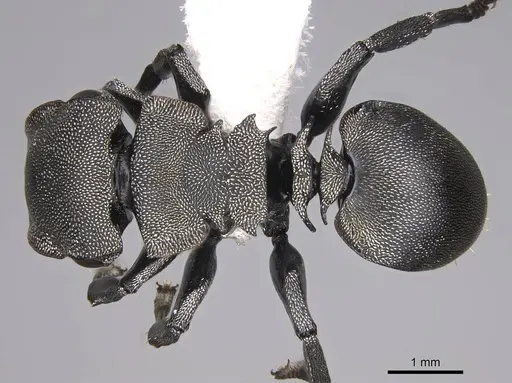
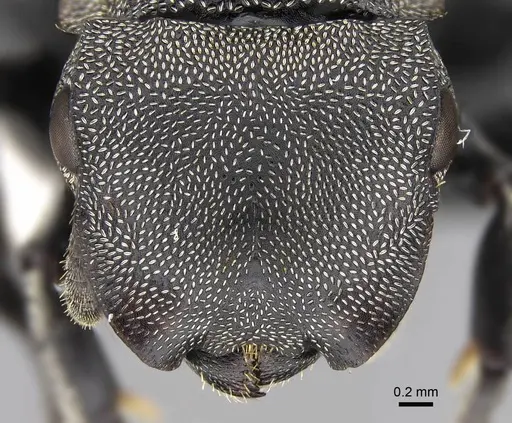
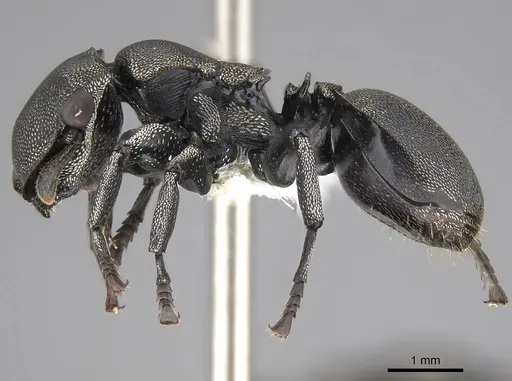
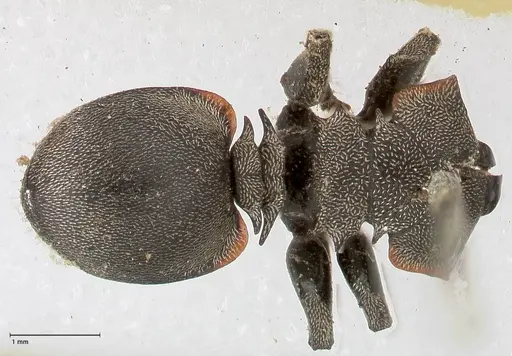
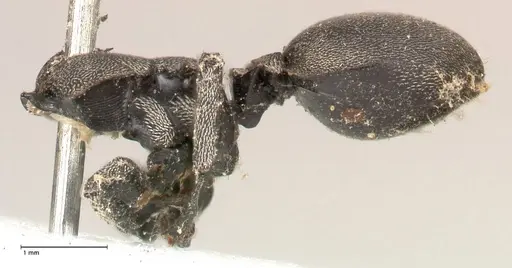
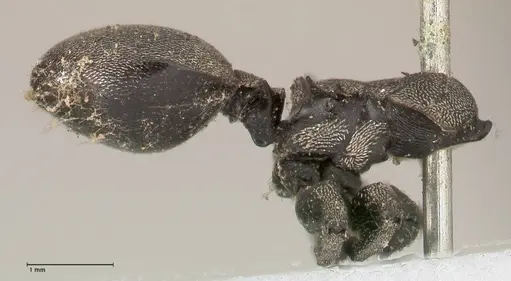
Cephalotes complanatus is a Neotropical turtle ant found across northern South America, from French Guiana and Colombia through Peru to Bolivia and Brazil [1]. Workers measure 4.4-7.9mm with a distinctive flattened, shield-like head and body adapted for their arboreal lifestyle. Soldiers are significantly larger at 9-10mm and serve as the colony's defenders, while queens reach 11.8-12.5mm and feature a pair of orange spots on their abdomen [2]. This species belongs to the basalis clade within Cephalotes, characterized by their upturned frontal carinae (the ridge above the eyes) and distinctive body sculpture [2]. The genus name 'Cephalotes' comes from Greek meaning 'head-bearing', referring to their unusually large, flattened head that can be used as a door to block nest entrances.
Quick Summary
- Difficulty: Medium
- Origin & Habitat: Neotropical rainforests of South America, found in French Guiana, Suriname, Brazil, Peru, Bolivia, and Colombia at elevations from 4m to 1798m [1]. They are arboreal nesters, typically living in hollow twigs, stems, and dead wood in forest canopies.
- Colony Type: Colony structure is unconfirmed. Like other Cephalotes species, they likely form single-queen colonies, though this has not been directly studied.
- Size & Growth:
- Queen: 11.8-12.5mm [2]
- Worker: 4.4-7.9mm [2]
- Colony: Unknown, no colony size data exists for this species
- Growth: Unknown, no development timing has been documented
- Development: Unknown, no direct observations of development exist. Based on typical Cephalotes patterns and Neotropical Myrmicinae, estimate 6-10 weeks at optimal temperature. (Development timeline is unconfirmed. Related Cephalotes species suggest a relatively slow growth rate typical of arboreal ants.)
- Antkeeping:
- Temperature: Keep at 24-28°C. As a Neotropical species from lowland rainforests, they prefer warm, stable conditions. A gentle gradient allowing workers to self-regulate is ideal.
- Humidity: High humidity required, aim for 70-80% relative humidity. These arboreal ants are accustomed to the humid microclimate inside tree hollows and dead twigs.
- Diapause: Unknown, no research on overwintering behavior exists. As a Neotropical species, they likely have reduced activity during dry seasons rather than true hibernation. Consider a cool period (18-20°C) for 2-3 months if colony shows slowing behavior.
- Nesting: Arboreal specialists, they naturally nest in hollow twigs, stems, and dead wood. In captivity, they do well in Y-tong (acrylic) nests with narrow chambers, or setups using hollow bamboo/twig sections. They prefer tight, enclosed spaces that mimic tree hollows.
- Behavior: Turtle ants are generally calm and non-aggressive. Workers are slow-moving and foragers rather than active hunters. They feed on honeydew, small insects, and nectar. Their primary defense is retreat rather than stinging, soldiers can block nest entrances with their specialized heads. Escape prevention is critical due to their small worker size (4-7mm), they can squeeze through surprisingly small gaps.
- Common Issues: escape prevention is critical, their small size means they can slip through standard barrier gaps, no documented biology means care is based on genus-level inference, expect some trial and error, wild-caught colonies may have parasites or diseases with no known treatment, slow growth can lead to overfeeding, only offer food the colony can consume, arboreal nesting means they need vertical space and climbing surfaces
Nest Preferences and Housing
Cephalotes complanatus is an arboreal species that naturally nests in hollow twigs, stems, and dead wood in forest environments [1]. In captivity, they do best in Y-tong (acrylic) nests with chambers scaled to their size, or setups using natural materials like hollow bamboo sections or cork bark. The key is providing tight, enclosed spaces that mimic tree hollows, these ants feel secure in snug quarters. Avoid large, open formicaria designed for ground-nesting species. A naturalistic setup with twigs and small stems arranged vertically can encourage natural behaviors. Ensure the nest area maintains high humidity while providing some drier areas for the ants to self-regulate.
Feeding and Diet
Like other Cephalotes species, these ants are omnivorous foragers. They naturally tend homopteran insects (aphids, scale insects) for honeydew and hunt small soft-bodied prey. In captivity, offer a varied diet: sugar water or honey as a constant energy source, and protein sources like small crickets, mealworms, or fruit flies. Feed protein 2-3 times per week, removing uneaten prey after 24 hours. Unlike leaf-cutter ants in the same tribe (Attini), Cephalotes do not cultivate fungus, they are generalist foragers. Fresh fruit can also be offered occasionally. Always ensure fresh water is available.
Temperature and Seasonal Care
As a Neotropical species from lowland rainforests, Cephalotes complanatus requires warm temperatures between 24-28°C for optimal activity and brood development. A heating cable on one side of the nest creates a temperature gradient allowing the colony to self-regulate. Place the heating on top of the nest rather than underneath to avoid excessive drying. Room temperature in the low-to-mid 20s°C is often suitable. Regarding diapause or winter rest, no research exists for this species. Based on related Neotropical ants, they may reduce activity during dry seasons. If your colony naturally slows in winter, a cool period at 18-20°C for 2-3 months may be beneficial, but do not force hibernation as this species may not require it.
Behavior and Colony Dynamics
Cephalotes complanatus is a calm, non-aggressive species. Workers move slowly and deliberately, and the colony's primary defense is retreat rather than attack. Soldiers (majors) are significantly larger than workers and serve as nest defenders, they can use their specialized, flattened heads to block nest entrances. This species is not known to sting, making them safe for handling. Workers are polymorphic (varying sizes), with smaller workers handling interior tasks and larger soldiers taking on defense roles. The colony will likely grow slowly, so patience is key during the founding stage. Provide climbing surfaces in the outworld to encourage natural arboreal foraging behavior. [2]
Acquiring and Establishing a Colony
This species is rarely available in the antkeeping hobby, and established colonies may be difficult to find. If acquiring a wild-caught colony, ensure it comes from a legal source in its native range. The founding stage is poorly documented for this species, based on genus patterns, the queen likely seals herself in a small chamber (claustral founding) and raises the first brood alone on stored fat reserves. During this time, she does not forage. The first workers (nanitics) will be smaller than mature workers. Be patient during founding, it may take several months before the first workers emerge. Wild-caught colonies may carry parasites or diseases with no known treatment, so quarantine and careful observation is recommended.
Frequently Asked Questions
How long does it take for Cephalotes complanatus to raise their first workers?
The egg-to-worker timeline is unconfirmed for this species. Based on typical Cephalotes and other Neotropical Myrmicinae patterns, expect approximately 6-10 weeks at optimal temperature (24-28°C). Patience is essential as this species appears to grow slowly.
What do Cephalotes complanatus ants eat?
They are omnivorous. Offer sugar water or honey as a constant energy source, and protein sources like small crickets, fruit flies, or mealworms 2-3 times per week. They may also accept fresh fruit occasionally. Remove uneaten prey after 24 hours.
Can I keep Cephalotes complanatus in a test tube setup?
Test tubes can work for founding colonies, but these arboreal ants prefer tighter spaces that mimic tree hollows. A Y-tong nest or hollow bamboo section is more appropriate once the colony reaches 10-20 workers. Ensure high humidity is maintained.
What temperature do Cephalotes complanatus need?
Keep them at 24-28°C. As a Neotropical rainforest species, they prefer warm, stable conditions. A gentle temperature gradient allowing self-regulation is ideal.
Are Cephalotes complanatus good for beginners?
This species is rated as medium difficulty. While they are calm and non-stinging, their biology is poorly documented and they require specific arboreal nesting conditions. They are not the best choice for complete beginners, but experienced antkeepers should find them manageable.
How big do Cephalotes complanatus colonies get?
Colony size is unknown, no research documents maximum colony size for this species. Based on related Cephalotes, colonies likely reach several hundred workers at most. Growth appears to be slow.
Do Cephalotes complanatus need a hibernation period?
Diapause requirements are unconfirmed. As a Neotropical species, they may not require true hibernation but may reduce activity during dry seasons. If the colony naturally slows in winter, a cool period at 18-20°C for 2-3 months may be offered, but do not force cold exposure.
Why are my Cephalotes complanatus dying?
Common causes include: escape through small gaps (their small size makes escape likely), low humidity (they need 70-80%), temperatures outside their 24-28°C range, overfeeding leading to mold, or parasites from wild-caught colonies. Ensure excellent escape prevention and proper humidity.
References

This caresheet is licensed under CC BY-SA 4.0 .
Literature
Loading...Loading products...