

Cephalotes christopherseni
- Scientific Name
- Cephalotes christopherseni
- Tribe
- Attini
- Subfamily
- Myrmicinae
- Author
- Forel, 1912
- Distribution
- Found in 4 countries
Cephalotes christopherseni Overview
Cephalotes christopherseni is an ant species of the genus Cephalotes. It is primarily documented in 4 countries , including Brazil, Colombia, Panama. Detailed taxonomic data and occurrence records can be further explored via authoritative databases such as AntWeb or the Global Biodiversity Information Facility (GBIF).
Cephalotes christopherseni
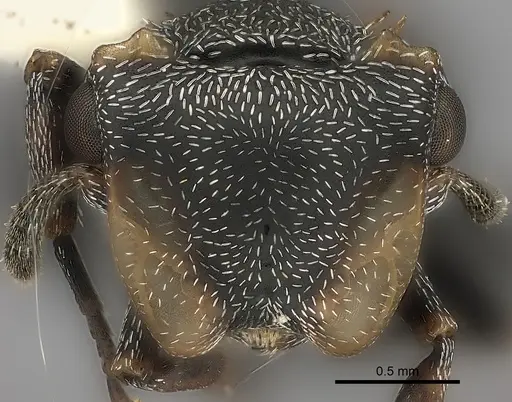
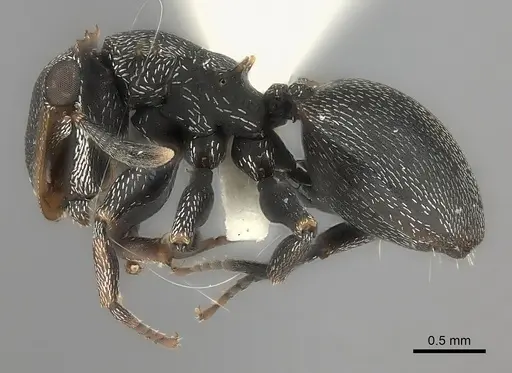
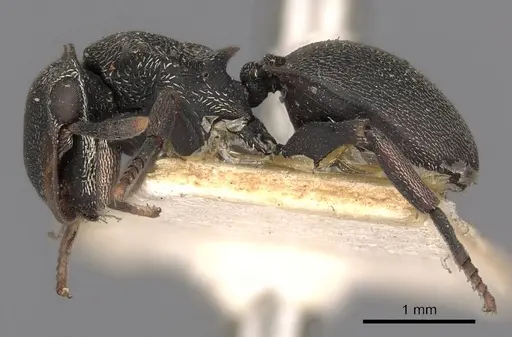
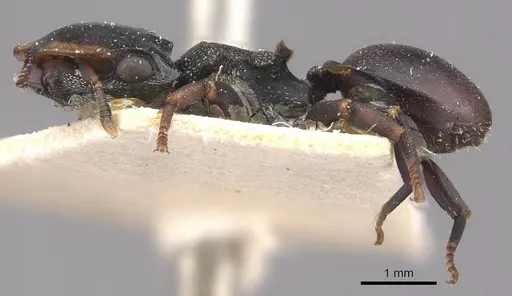
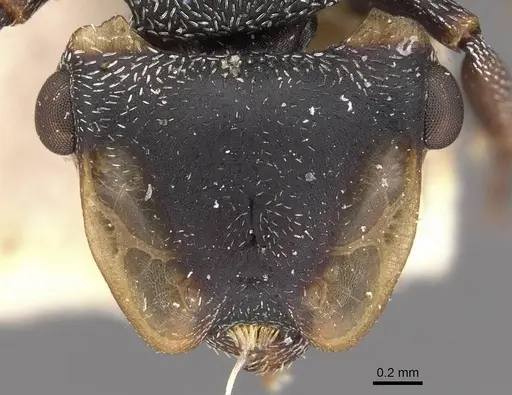
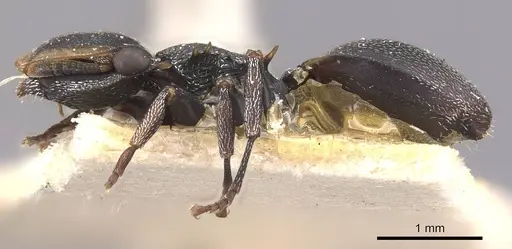
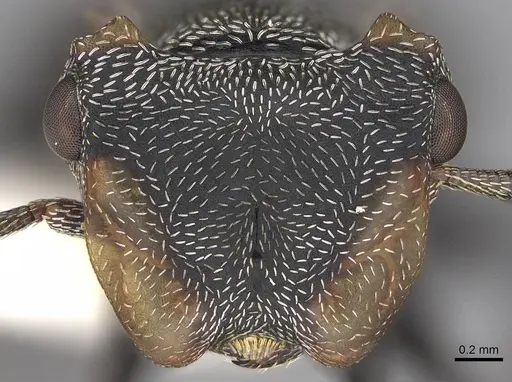
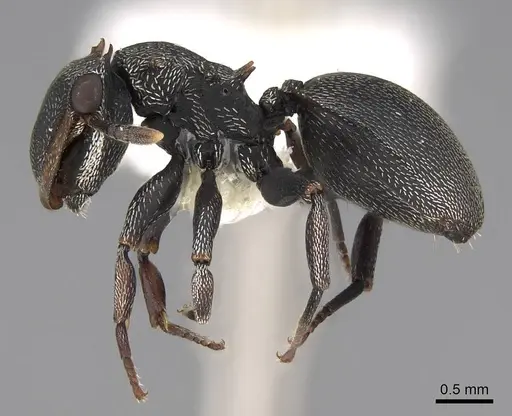
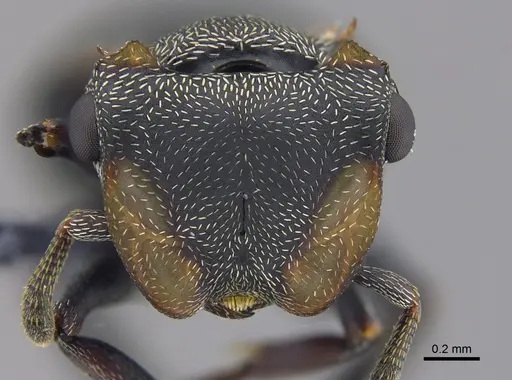
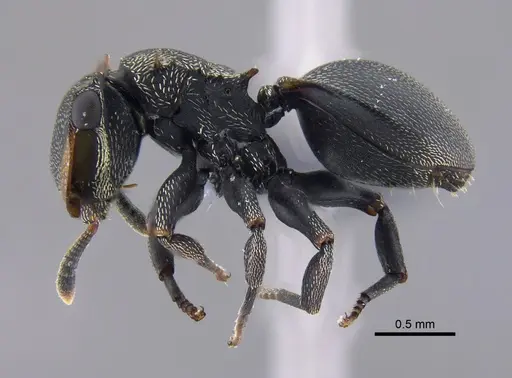
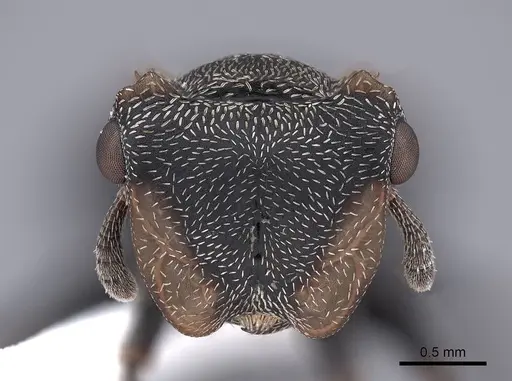
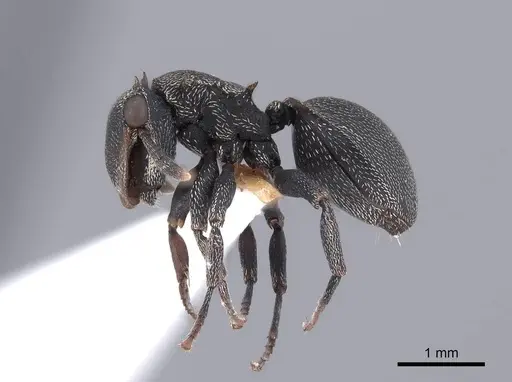
Cephalotes christopherseni is a small to medium-sized ant belonging to the turtle ant genus Cephalotes, part of the Myrmicinae subfamily. Workers measure 4.5-5.6mm with distinctive flattened bodies, lateral spines on the thorax, and characteristic lamellae (thin flap-like structures) along the head and gaster. Soldiers are larger at 6.1-7.8mm with more pronounced head spines and broader bodies. Queens reach 9.8-10.9mm. The species is black with ferruginous (rusty orange) markings on the frontal carinae, occipital lamellae, and the lamellate border of the first gastral segment. This species belongs to the laminatus clade and is found across Panama, Colombia, Venezuela, and Guyana at elevations from sea level to 1045m [1].
These ants are arboreal, typically nesting in second growth and riparian forests. They represent a poorly studied species in the hobby, with limited documented information on their specific biology and captive care requirements. Their distinctive morphology with spines and lamellae makes them visually striking, and they belong to the diverse Neotropical turtle ant group known for their varied ecological adaptations.
Quick Summary
- Difficulty: Medium
- Origin & Habitat: Panama, Colombia, Venezuela, and Guyana in Neotropical forests ranging from sea level to 1045m elevation. Found in second growth forest, riparian forest, rain forest, tropical dry forest, and cloud forest habitats [2][1][3].
- Colony Type: Unconfirmed, colony structure has not been directly studied. Cephalotes species typically establish single-queen colonies, but specific data for C. christopherseni is lacking.
- Size & Growth:
- Queen: 9.82-10.90mm [4]
- Worker: 4.48-5.56mm [4]
- Colony: Unknown, no colony size data available for this species
- Growth: Unknown, growth rate has not been documented
- Development: Unknown, development timeline has not been studied for this species. Based on typical Cephalotes patterns, estimate 6-10 weeks at optimal temperature. (No direct development data exists. Estimates based on genus-level patterns for similar turtle ants.)
- Antkeeping:
- Temperature: Keep at 24-28°C based on their Neotropical lowland forest origin. A gentle gradient allowing warmer and cooler areas is recommended. Monitor colony activity to adjust within this range.
- Humidity: Maintain moderate to high humidity (60-80%) mimicking their forest floor and arboreal nesting sites. Provide a moist nest substrate but ensure ventilation to prevent stagnation.
- Diapause: Unknown, diapause requirements have not been documented for this species. Given their Neotropical distribution, they likely do not require a true hibernation but may show reduced activity during dry seasons.
- Nesting: Arboreal nesting preferences suggest Y-tong nests, plaster nests, or naturalistic setups with wood cavities work well. They likely prefer enclosed spaces with access to climbing structures. Provide nest materials that can hold moisture while allowing some airflow.
- Behavior: Temperament is not well-documented but Cephalotes species are generally non-aggressive and defensive rather than offensive. They rely on their spiny morphology for protection. Workers are foragers that likely collect nectar, honeydew, and small arthropods. Their small size (under 6mm) means escape prevention should be taken seriously, use fine mesh and tight-fitting barriers. They are arboreal and likely prefer climbing surfaces.
- Common Issues: lack of documented care information makes proper husbandry challenging, escape prevention is critical due to their small size, wild-caught colonies may carry parasites or pathogens not adapted to captive conditions, humidity control is essential, too dry can be fatal, too wet causes mold, limited availability in the antkeeping hobby means few keeper resources exist for troubleshooting
Natural History and Distribution
Cephalotes christopherseni is found across the northern Neotropics, ranging from Panama through Colombia to Venezuela and Guyana. The species has been recorded in multiple Colombian departments including Antioquia, Arauca, Atlántico, Bolívar, Caldas, Casanare, Chocó, Córdoba, La Guajira, Magdalena, Meta, Norte de Santander, and Sucre [1]. Their altitudinal range extends from sea level up to 1045 meters, with most records coming from lowland to mid-elevation forests [1][3].
They inhabit various forest types including second growth forest, riparian forest, rain forest, tropical dry forest, and cloud forest. Specimens have been collected from forest litter and on vegetation, including tree bases and leaves, indicating an arboreal or semi-arboreal lifestyle [2][3]. The species is part of the laminatus clade within Cephalotes, characterized by distinctive morphological features including gastral lamellae and various spine configurations [4].
Their distribution across multiple countries and diverse forest types suggests some ecological flexibility, though they appear to prefer humid forest environments.
Morphology and Identification
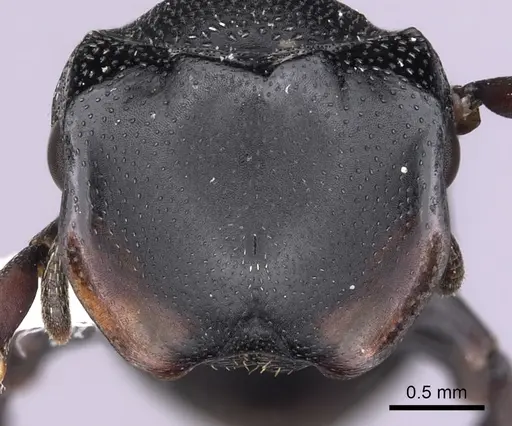
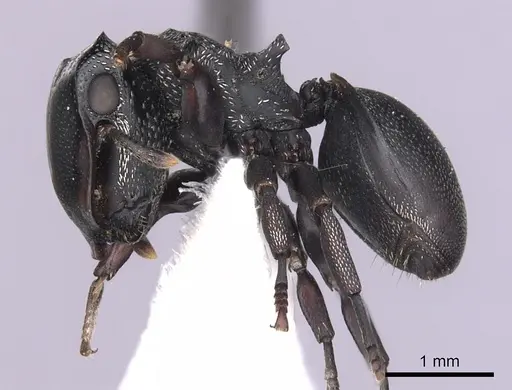
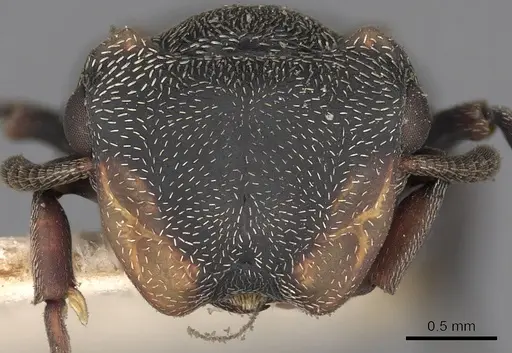
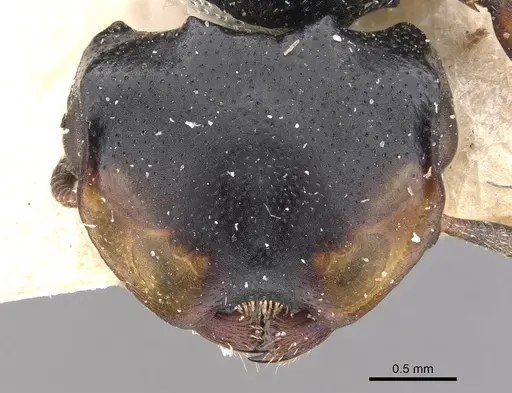
Workers of C. christopherseni measure 4.48-5.56mm and have a distinctive appearance typical of turtle ants. They are black with ferruginous (rusty orange) markings on the frontal carinae, occipital lamellae, tip of the last funicular segment, and the lamellate border of the first gastral segment. The head is slightly broader than long, broadest behind the eyes, with projecting obliquely truncate occipital lamellae. The pronotum has two short, unequal, slightly upturned spines on each side, and the mesonotum features a small acute lateral tooth [4].
Soldiers are larger at 6.08-7.84mm with more pronounced head spines, a broader head, and the characteristic defensive morphology of the genus. Queens reach 9.82-10.90mm and have a unique gastral macula (dark reddish patch) that distinguishes them from other species in the laminatus clade, which typically have yellow spots [4].
The species can be distinguished from related species by its shorter vertexal and gastral lamellae, presence of mesonotal spines, and absence of golden hairs on the mesosoma. Some regional variation exists, with Venezuelan specimens showing reduced petiolar spines and broader heads [4].
Housing and Nesting
Based on their arboreal nature and natural history, provide a nest setup that allows for climbing and vertical space. Y-tong (acrylic) nests work well for turtle ants, as do plaster nests that can maintain humidity. Naturalistic setups with cork bark or wood cavities also mimic their natural nesting sites. The nest should have chambers sized appropriately for the colony size, with narrow passages that the ants can easily navigate.
Because they are small (workers under 6mm), ensure escape prevention is excellent, use fine mesh on any ventilation holes and ensure all connections are tight. Provide an outworld with climbing structures like twigs, leaves, or mesh where foragers can explore. A water test tube should always be available.
Keep the nest substrate moderately moist but not waterlogged. Monitor for condensation, some moisture is good but excessive wetness leads to mold problems. Adequate ventilation helps maintain the right balance.
Feeding and Diet
While specific dietary studies for C. christopherseni do not exist, Cephalotes species are typically omnivorous with a preference for carbohydrate sources. In captivity, they likely accept sugar water, honey, or diluted honey as an energy source. For protein, offer small insects like fruit flies, small mealworms, or other appropriately sized arthropods.
Based on related species in the genus, they may also tend aphids or collect honeydew if provided with artificial honeydew substitutes. Feed protein sources 2-3 times per week and keep a constant sugar water supply. Remove uneaten prey after 24-48 hours to prevent mold.
Their small size means prey items should be appropriately sized, avoid large crickets or other prey that could overwhelm workers.
Temperature and Humidity Care
As a Neotropical species from lowland forests, maintain temperatures in the range of 24-28°C. A slight gradient allowing workers to choose their preferred temperature is ideal. If room temperature falls below this range, use a heating cable on one side of the nest to create warmth. Place heating on top of the nest, not underneath, to avoid excessive drying.
Humidity should be moderate to high (60-80%). Mist the outworld occasionally and keep the nest substrate moist but not soggy. The forest floor and arboreal microhabitats they occupy are humid environments. However, ensure ventilation prevents stagnant, overly wet conditions that promote mold.
Monitor your colony, if workers are clustering near the heat source, it's too cold. If they avoid the heated area, reduce temperature. Adjust based on observed behavior rather than rigid schedules.
Behavior and Colony Dynamics
Cephalotes species are generally calm and non-aggressive, relying on their spiny morphology for defense rather than active aggression. Workers are active foragers that will explore the outworld searching for food. Their flattened bodies and lamellae give them a distinctive appearance when moving.
The colony structure of C. christopherseni specifically has not been studied, but Cephalotes colonies typically grow to moderate sizes with one founding queen. Colonies likely develop over several months to years to reach significant numbers.
Soldiers, when present in the colony, serve a defensive role thanks to their larger size and more pronounced spines. The presence of castes (workers, soldiers, queen) allows for division of labor within the colony.
Frequently Asked Questions
How long does it take for Cephalotes christopherseni to produce first workers?
The exact development timeline has not been documented for this species. Based on typical Cephalotes patterns, expect approximately 6-10 weeks from egg to first worker at optimal temperature (24-28°C). This is an estimate based on genus-level data, not species-specific research.
What do Cephalotes christopherseni ants eat?
While not specifically studied, Cephalotes species are omnivorous. Provide sugar water or honey constantly for energy, and offer small insects like fruit flies or small mealworms 2-3 times per week for protein. They likely accept honeydew substitutes as well.
What temperature do Cephalotes christopherseni ants need?
Keep them at 24-28°C based on their Neotropical lowland forest origin. A temperature gradient allowing workers to choose warmer or cooler areas is ideal. Adjust based on colony behavior.
Are Cephalotes christopherseni good for beginners?
This species is rated as Medium difficulty. While generally hardy once established, the lack of documented care information makes it more challenging than common species. Beginners may want to start with better-documented Cephalotes species or more established hobby ants.
How big do Cephalotes christopherseni colonies get?
Colony size data is not available for this specific species. Based on the genus, colonies likely reach several hundred workers over time, but exact maximums are unknown.
Do Cephalotes christopherseni need hibernation?
Diapause requirements are unknown for this species. Given their Neotropical distribution, they likely do not require a true hibernation period. They may show reduced activity during dry seasons but probably do not need temperature drops below their normal range.
Can I keep multiple Cephalotes christopherseni queens together?
Colony structure (monogyne vs polygyne) has not been documented for this species. Without specific data, combining unrelated queens is not recommended as it could result in aggression.
What is the best nest type for Cephalotes christopherseni?
Y-tong (acrylic) nests or plaster nests work well. They prefer enclosed spaces with some moisture retention. Naturalistic setups with cork bark or wood cavities also mimic their natural arboreal nesting sites.
Why are my Cephalotes christopherseni dying?
Common causes include: too low humidity (dry conditions), temperature extremes outside their 24-28°C range, escape-related losses (their small size allows them to slip through gaps), mold from overly wet conditions, or stress from wild-caught origins. Review each parameter and ensure escape prevention is adequate.
References

This caresheet is licensed under CC BY-SA 4.0 .
CASENT0217836
View on AntWeb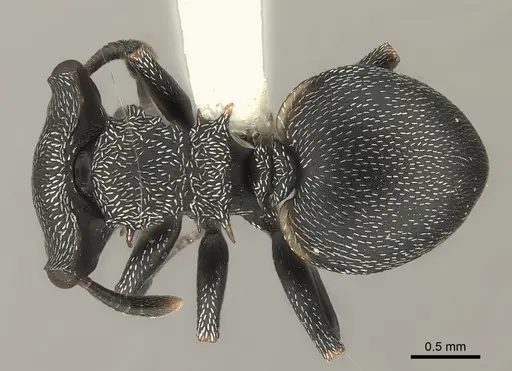
CASENT0627981
View on AntWeb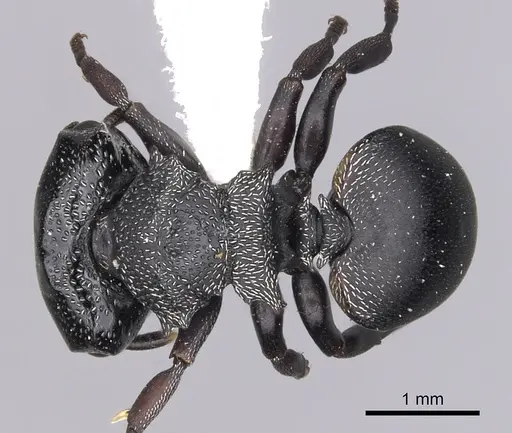
CASENT0900250
View on AntWeb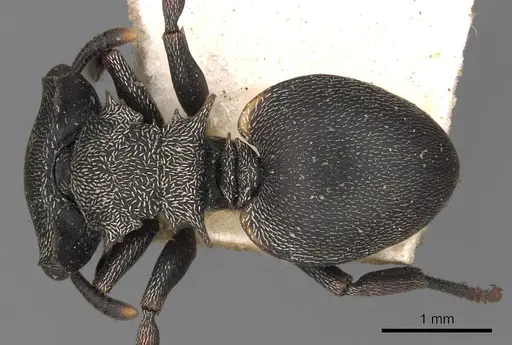
CASENT0909264
View on AntWeb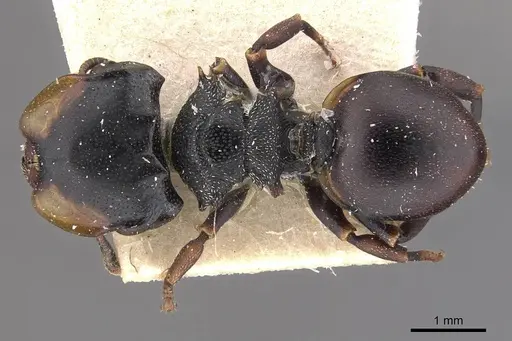
CASENT0909265
View on AntWeb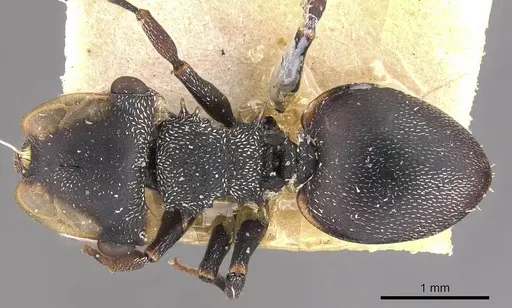
CASENT0922592
View on AntWeb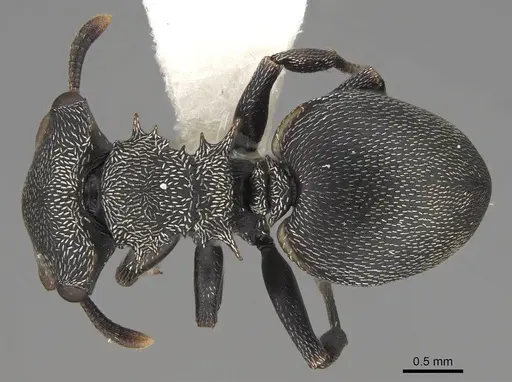
CBUMAGENT41884
View on AntWeb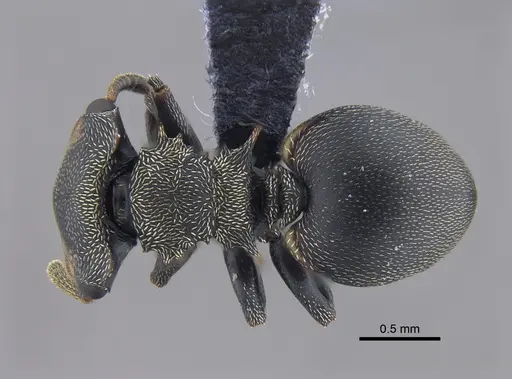
FMNHINS0000047650
View on AntWeb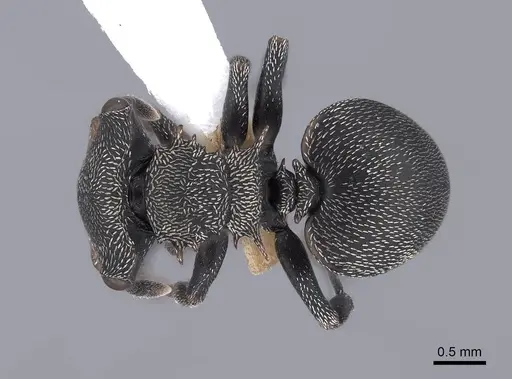
Literature
Loading...Loading products...