

Cephalotes borgmeieri
- Scientific Name
- Cephalotes borgmeieri
- Tribe
- Attini
- Subfamily
- Myrmicinae
- Author
- Kempf, 1951
- Distribution
- Found in 4 countries
Cephalotes borgmeieri Overview
Cephalotes borgmeieri is an ant species of the genus Cephalotes. It is primarily documented in 4 countries , including Argentina, Bolivia, Plurinational State of. Detailed taxonomic data and occurrence records can be further explored via authoritative databases such as AntWeb or the Global Biodiversity Information Facility (GBIF).
Cephalotes borgmeieri
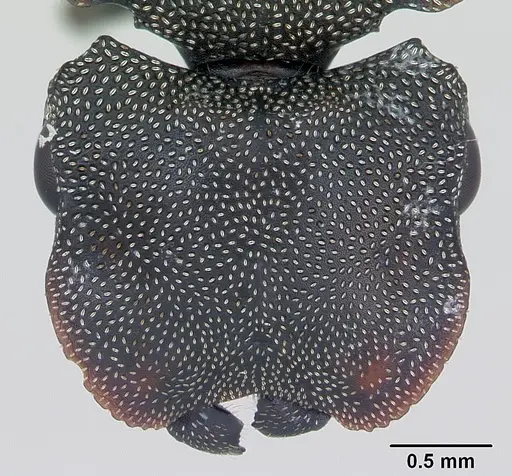
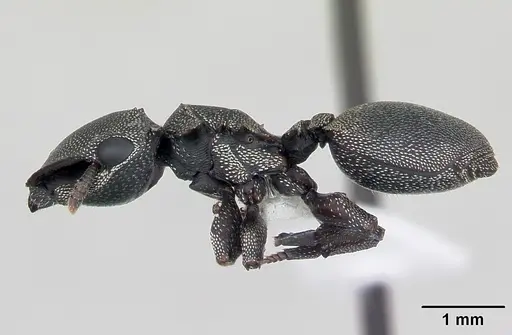
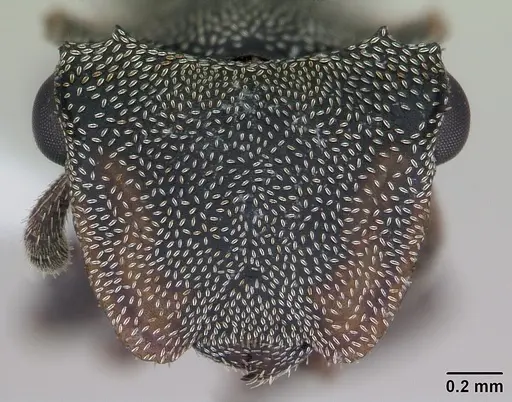
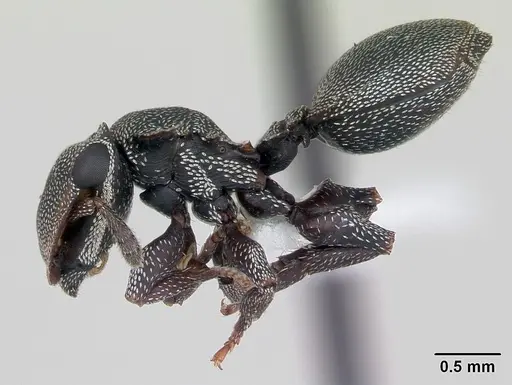
Cephalotes borgmeieri is a Neotropical turtle ant belonging to the depressus species group. Workers measure 3.96-5.96mm with a distinctive flattened, depressed body shape and broad, shield-like head. The head and thorax are fuscous reddish-brown while the gaster is nearly black, and the body is covered in dense scale-like hairs that give a glittering appearance [1]. This species is found across southern Brazil, Argentina's Misiones province, and Paraguay, with records from the dry chaco transitional habitat in Paraguay and the Iguazú National Park region [2][3]. The genus Cephalotes is known for having soldier castes with highly modified heads that can block nest entrances, and C. borgmeieri follows this pattern with its soldier caste measuring 7.12-8.20mm [1].
What makes this species particularly interesting is its placement in the depressus clade, a group of turtle ants that have evolved specialized arboreal lifestyles in the Neotropical forests [4]. Like other Cephalotes, they are Tropical Climate Specialists (TCS), meaning they prefer warm, stable conditions typical of their forest canopy habitat [3]. They are non-predatory, feeding primarily on nectar and honeydew rather than hunting large prey [5].
Quick Summary
- Difficulty: Medium
- Origin & Habitat: Southern Brazil, Argentina (Misiones), and Paraguay. Found in dry chaco transitional habitat and Neotropical forest regions [2][3][6].
- Colony Type: Colony structure is unconfirmed for this specific species. Based on genus patterns, Cephalotes species can be either single-queen (monogyne) or multi-queen (polygyne). Further research needed to confirm C. borgmeieri's specific colony structure.
- Founding: Claustral
- Size & Growth:
- Queen: 9.72-9.90mm [1]
- Worker: 3.96-5.96mm [1]
- Colony: Unknown for this species. Related Cephalotes species typically reach several hundred workers.
- Growth: Moderate, based on typical Cephalotes development patterns
- Development: Estimated 6-10 weeks based on genus patterns for tropical Myrmicinae (Direct development data unavailable for this species. Temperature-dependent, warmer conditions accelerate development.)
- Antkeeping:
- Temperature: Keep at 24-28°C. As a Tropical Climate Specialist from southern South America, they need warm, stable conditions [3]. Room temperature within this range is acceptable, use a heating cable on one side of the nest if needed.
- Humidity: Moderate to high humidity (60-80%). These are arboreal ants from humid Neotropical forests. Keep nest substrate slightly moist but not waterlogged. Provide a water tube for drinking.
- Diapause: Unconfirmed. Tropical Climate Specialists typically do not require true hibernation, but may have reduced activity during cooler seasons. Monitor colony activity and adjust feeding accordingly.
- Nesting: Arboreal nesters in nature, they inhabit hollow twigs, branches, and tree cavities. In captivity, test tubes or acrylic nests work well. They prefer tight-fitting chambers scaled to their size. Avoid large, open spaces.
- Behavior: Generally peaceful, non-aggressive ants. As arboreal foragers, they search for nectar and honeydew rather than hunting large prey. They have a soldier caste with modified heads used for colony defense and blocking nest entrances. Escape risk is moderate, their moderate size means standard barriers are usually sufficient, but ensure all connections are secure. They are not known for stinging and pose no danger to keepers.
- Common Issues: humidity control is critical, too dry and colonies stagnate, too wet and mold becomes a problem, arboreal species need vertical space and climbing structures in their outworld, wild-caught colonies may harbor parasites that can devastate captive populations, slow initial growth during founding phase can lead to impatient keepers overfeeding, test tube setups must have reliable water reservoirs, dehydration kills colonies quickly
Housing and Nest Setup
Cephalotes borgmeieri is an arboreal species, meaning in the wild they live in hollow twigs, branches, and tree cavities in the forest canopy. In captivity, you can house them in test tubes for founding colonies, then transition to acrylic nests or naturalistic setups as the colony grows. They prefer tight-fitting chambers that match their flattened body shape, avoid tall, open spaces that they won't use. Since they're arboreal, include climbing structures in their outworld (branches, cork, or vertical surfaces) so they can forage naturally. A test tube setup with a water reservoir works well for founding colonies, the ants will cling to the tube walls rather than drown. For established colonies, a small formicarium with multiple connected chambers gives them options for brood placement. [1][3]
Feeding and Diet
Like other Cephalotes species, C. borgmeieri is not a predator. They are foragers that specialize in collecting nectar and honeydew from extrafloral nectaries and sap-sucking insects in the canopy [5][7]. In captivity, offer sugar water (honey or sucrose solution) as a constant food source, this mimics the nectar they would forage in trees. For protein, offer small, soft-bodied insects like fruit flies, small mealworms, oraphids. They will also accept small amounts of seeds or detritus, reflecting their role as foragers in the attine tribe. Feed sugar water constantly and protein 1-2 times per week. Remove uneaten protein within 24 hours to prevent mold. Because they're not aggressive hunters, avoid offering large prey items they cannot subdue.
Temperature and Humidity
As a Tropical Climate Specialist (TCS), this species needs warm and moderately humid conditions [3]. Keep the nest area at 24-28°C, this range supports normal colony activity and brood development. Room temperature within this range is often sufficient, but you can use a heating cable on one side of the nest to create a gentle gradient if your room runs cool. Place the heating on top of the nest, not underneath, to avoid evaporating the water too quickly. For humidity, aim for 60-80% relative humidity. These are arboreal ants from humid Neotropical forests, so they need moisture, but avoid constant condensation which leads to mold. Mist the outworld occasionally and keep the nest substrate slightly damp, not soggy. A water tube provides drinking water and helps maintain humidity.
Colony Development
The colony starts when a claustral queen seals herself in a small chamber, living off her stored fat reserves while raising the first brood. Based on typical Cephalotes development, expect 6-10 weeks from egg to first worker (nanitic) at optimal temperature. The first workers will be smaller than mature workers, this is normal. Growth is moderate, colonies typically reach several hundred workers over time. The soldier caste develops in larger, established colonies, these individuals have highly modified heads used for blocking nest entrances and colony defense. Unlike some Cephalotes that have aggressive soldiers, C. borgmeieri soldiers are more passive defenders. Be patient during the founding phase, this is when most colonies fail due to disturbance or poor conditions. Minimize vibrations and avoid checking the nest too frequently until workers emerge. [1]
Behavior and Temperament
Cephalotes borgmeieri is a peaceful, non-aggressive species. Workers are slow-moving foragers rather than active hunters. They spend their time searching for nectar and honeydew in the canopy, and this translates to calm, methodical movement in captivity. They are not known for stinging and pose no danger to keepers. The most notable behavioral trait is their soldier caste, these individuals have flattened, shield-like heads that can block nest entrances to defend against intruders. In the outworld, they will establish foraging trails to sugar water sources. They are arboreal by nature, so they prefer to travel along branches and vertical surfaces rather than across open ground. Provide appropriate climbing structures to let them behave naturally. [1][5]
Frequently Asked Questions
How long does it take for Cephalotes borgmeieri to produce first workers?
Based on typical Cephalotes development patterns, expect 6-10 weeks from egg to first worker at optimal temperature (24-28°C). The exact timeline for this species has not been directly studied, so monitor your colony and adjust conditions if development seems stalled.
Can I keep Cephalotes borgmeieri in a test tube?
Yes, test tubes work well for founding colonies. Use a standard test tube setup with a water reservoir, and ensure the chamber is appropriately sized, these are small ants with flattened bodies, so they do well in tubes with tight-fitting cotton barriers. Transition to a small formicarium once the colony reaches 30-50 workers.
What do Cephalotes borgmeieri ants eat?
They are not predators. Feed them sugar water (honey or sucrose solution) constantly as their primary food, plus small soft-bodied insects like fruit flies or small mealworms 1-2 times per week for protein. They will also visit extrafloral nectaries if you have live plants in their outworld.
Are Cephalotes borgmeieri good for beginners?
They are rated as medium difficulty. They require warm, humid conditions and specific arboreal-style housing, which makes them better suited for keepers who have already kept at least one other ant species successfully. Their slow growth during founding can try beginner patience.
Do Cephalotes borgmeieri need hibernation?
Unconfirmed. As a Tropical Climate Specialist from southern South America, they likely do not require true hibernation but may have reduced activity during cooler seasons. Keep temperatures stable year-round at 24-28°C and monitor colony behavior.
How big do Cephalotes borgmeieri colonies get?
Colony size is not specifically documented for this species, but related Cephalotes species typically reach several hundred workers. Growth is moderate, expect several months to a year to reach 50+ workers.
When should I move Cephalotes borgmeieri from a test tube to a formicarium?
Move them when the colony reaches 30-50 workers or when the test tube water reservoir runs low. Make sure the new nest has appropriately sized chambers, these are small, flattened ants that prefer tight spaces. Include climbing structures in the outworld.
Why are my Cephalotes borgmeieri dying?
Common causes include: dehydration (check water supply), humidity too low or too high (aim for 60-80%), temperature outside 24-28°C range, mold from overwatering or uneaten food, or parasites from wild-caught colonies. Review each parameter and adjust accordingly.
Can I keep multiple Cephalotes borgmeieri queens together?
The colony structure for this specific species is unconfirmed. Based on genus patterns, some Cephalotes are monogyne (single queen) while others are polygyne (multiple queens). Unless you know your specific colony structure, it is not recommended to combine unrelated foundress queens.
References

This caresheet is licensed under CC BY-SA 4.0 .
CASENT0173664
View on AntWeb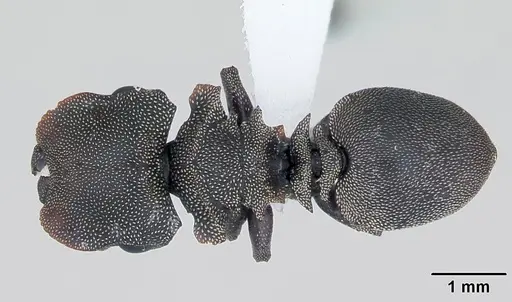
CASENT0173665
View on AntWeb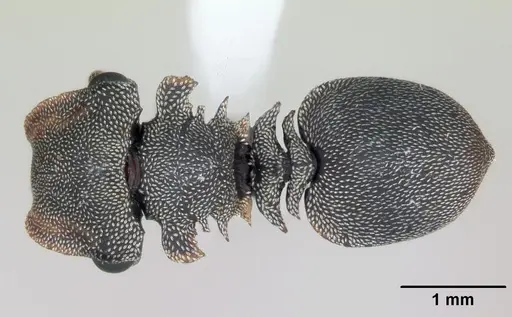
Literature
Loading...Loading products...