

Cephalotes biguttatus
- Scientific Name
- Cephalotes biguttatus
- Tribe
- Attini
- Subfamily
- Myrmicinae
- Author
- Emery, 1890
- Distribution
- Found in 2 countries
Cephalotes biguttatus Overview
Cephalotes biguttatus is an ant species of the genus Cephalotes. It is primarily documented in 2 countries , including Costa Rica, Mexico. Detailed taxonomic data and occurrence records can be further explored via authoritative databases such as AntWeb or the Global Biodiversity Information Facility (GBIF).
Cephalotes biguttatus
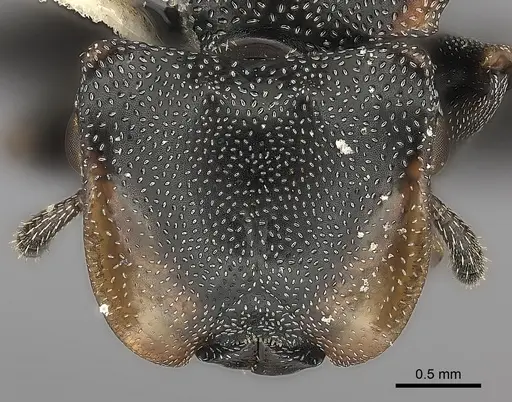
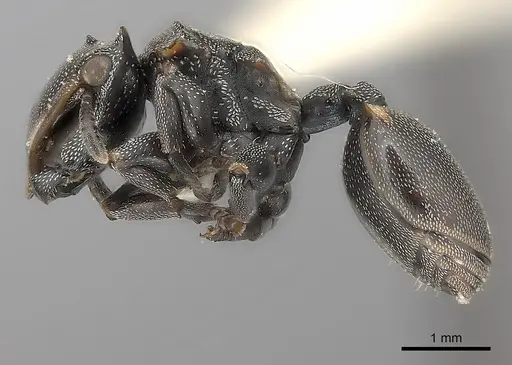
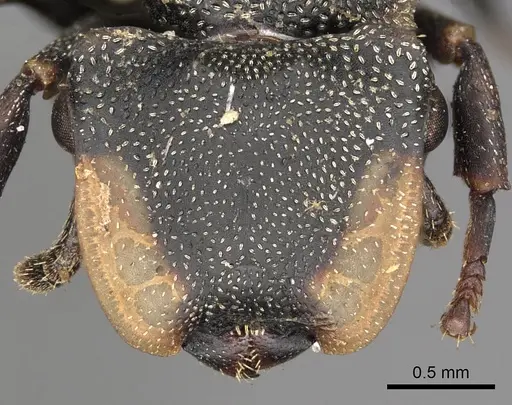
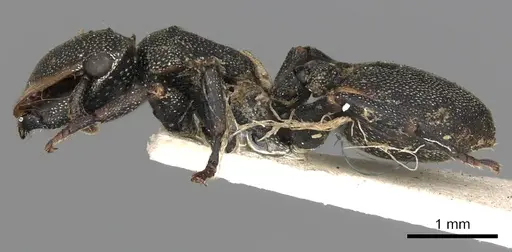
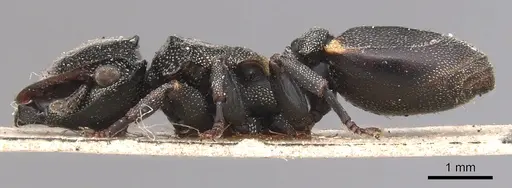
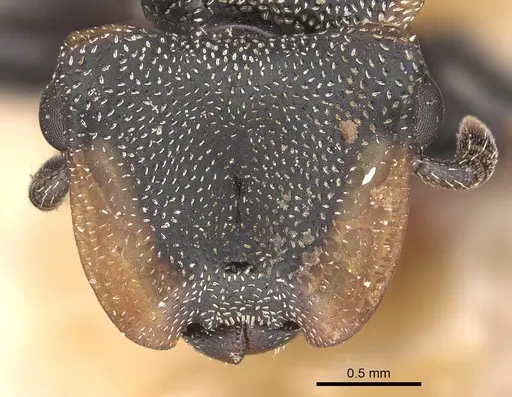
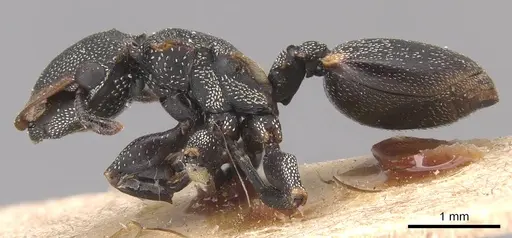
Cephalotes biguttatus is a medium-sized ant belonging to the Myrmicinae subfamily, native to the Neotropical region spanning Mexico through Costa Rica [1]. Workers measure 5.5-6.5mm with a distinctive dark body and characteristic yellow spots on the abdomen (gaster), which gives the species its name 'biguttatus' meaning 'two-spotted' [2]. The soldier caste is larger at 7mm with a broader head, while queens reach 10.8-10.9mm [2]. This species belongs to the multispinosus group within the depressus clade, a lineage of arboreal ants known for their specialized nesting habits in tree cavities and hollow twigs [3].
Quick Summary
- Difficulty: Medium
- Origin & Habitat: Native to the Neotropical region: Mexico, Belize, Costa Rica, Honduras, and Guatemala [1]. Found in tropical forest habitats where they nest in arboreal cavities.
- Colony Type: Colony structure is unconfirmed. As a Cephalotes species, they likely form single-queen colonies (monogyne) typical of the genus, though this has not been directly studied.
- Size & Growth:
- Queen: 10.8-10.9mm [2]
- Worker: 5.5-6.5mm [2]
- Colony: Unknown, no colony size data available for this species
- Growth: Unknown, no development timing data available
- Development: Unknown, no direct development data exists. Based on typical Cephalotes patterns, expect 6-10 weeks at tropical temperatures. (Development timeline has not been documented in scientific literature. Related Cephalotes species suggest moderate growth rates.)
- Antkeeping:
- Temperature: Keep at 24-28°C. As a Neotropical species from Mexico through Costa Rica, they require warm, stable temperatures typical of tropical arboreal ants. A gentle gradient allowing warmer and cooler areas is recommended.
- Humidity: Maintain moderate to high humidity (60-80%). These arboreal ants prefer humid conditions but need good ventilation to prevent mold. Mist the outworld regularly and provide a water source.
- Diapause: No, being a tropical species, they do not require hibernation. However, slight temperature reductions during winter months may slow activity naturally.
- Nesting: In captivity, they do well in acrylic nests (Y-tong style) or plaster nests with narrow chambers. Provide multiple connected chambers to accommodate their arboreal nesting instincts. They prefer dark, secure nesting areas.
- Behavior: Cephalotes biguttatus is a relatively calm, non-aggressive species. Workers are active foragers that search for food throughout the nest and outworld. They have the typical Cephalotes defensive behavior, soldiers can block nest entrances with their shield-like heads. Escape risk is moderate due to their medium size, but standard barrier methods work well. They are generalist feeders accepting both protein and sugar sources.
- Common Issues: lack of biological data makes care recommendations uncertain, much is inferred from related species, tropical humidity requirements can lead to mold problems if ventilation is poor, colonies may be slow to establish due to unknown founding behavior, wild-caught colonies may carry parasites or diseases with no documented treatment protocols
Nest Preferences and Housing
Cephalotes biguttatus is an arboreal species that in nature nests in hollow twigs, branches, and tree cavities. In captivity, they adapt well to Y-tong (acrylic) nests or plaster nests with multiple connected chambers. The chambers should be appropriately sized for their medium worker size, not too large or they may feel insecure. Provide a dark nesting area as they prefer dark, enclosed spaces. The outworld should include climbing structures like branches or cork bark to mimic their natural arboreal habitat. A water test tube with cotton should always be available as a humidity source and drinking water. [2][3]
Feeding and Diet
As members of the tribe Attini, Cephalotes species are typically generalist feeders. Offer a varied diet including sugar sources (honey water, sugar water) and protein sources (small insects like fruit flies, mealworms, crickets). They will also accept dead insects and may tend aphids for honeydew in captivity. Feed protein 2-3 times per week and provide constant access to sugar water. Remove uneaten food after 24-48 hours to prevent mold. Fresh water should always be available.
Temperature and Humidity Requirements
As a Neotropical species from Mexico through Costa Rica, Cephalotes biguttatus requires warm, humid conditions. Maintain temperatures between 24-28°C with minimal fluctuations. Lower temperatures can slow activity and may stress the colony. Humidity should be kept at 60-80%, achieved through regular misting of the outworld and maintaining a water tube. Good ventilation is essential to prevent mold growth while maintaining humidity. Avoid placing the nest near air conditioning vents or in drafty areas. [1]
Behavior and Colony Dynamics
This species exhibits typical Cephalotes behaviors including the use of soldiers as living door guards, the soldiers position themselves at nest entrances and use their shield-like heads to block access. Workers are active foragers that will explore the outworld systematically. The colony will likely grow gradually, with the queen producing workers continuously after the founding stage. They are not particularly aggressive toward keepers and rarely sting. Observe colony behavior to gauge health, active foraging and brood development indicate a healthy colony. [2]
Acquiring and Establishing a Colony
Cephalotes biguttatus is not commonly available in the antkeeping hobby, and wild colonies may be difficult to find. If acquiring a colony, ensure it comes from a legal source within its native range. Wild-caught colonies may harbor parasites or diseases that are difficult to treat in captivity. When introducing a new colony, provide a stress-free environment with appropriate temperature and humidity. Allow 2-4 weeks for the colony to settle before expecting significant foraging activity. Founding colonies should be left undisturbed in dark, quiet locations.
Frequently Asked Questions
How long does it take for Cephalotes biguttatus to produce first workers?
The exact development timeline is unknown for this species. Based on typical Cephalotes patterns, expect 6-10 weeks from egg to worker at optimal tropical temperatures (24-28°C). The queen will remain in the nest chamber during founding, surviving on her stored fat reserves until the first workers emerge.
What do Cephalotes biguttatus ants eat?
They are generalist feeders. Offer sugar sources (honey water, sugar water) constantly and protein (small insects like fruit flies, mealworms, crickets) 2-3 times per week. They may also accept dead insects and will tend aphids for honeydew if provided.
What temperature do they need?
Keep them at 24-28°C. As a Neotropical species from Mexico through Costa Rica, they require warm, stable temperatures. Avoid temperatures below 22°C as this can stress the colony.
Do they need hibernation?
No. Being a tropical species, they do not require hibernation. However, slight seasonal temperature variations are natural and may be tolerated. Avoid dramatic temperature drops.
What size colony do they reach?
The maximum colony size is unknown. Based on related Cephalotes species, colonies likely reach several hundred workers over several years. Growth is expected to be gradual.
Can I keep multiple queens together?
This has not been documented for this species. Based on typical Cephalotes behavior, single-queen colonies are most likely. Combining unrelated queens is not recommended without evidence they can coexist.
Are they good for beginners?
This species is rated as medium difficulty. While not the most challenging species, the lack of documented care information makes it less ideal for complete beginners. Those with some antkeeping experience will have better success.
Where are they found in the wild?
They are native to the Neotropical region: Mexico, Belize, Costa Rica, Honduras, and Guatemala. They are arboreal ants that nest in tree cavities and hollow twigs in tropical forests.
References

This caresheet is licensed under CC BY-SA 4.0 .
CASENT0217834
View on AntWeb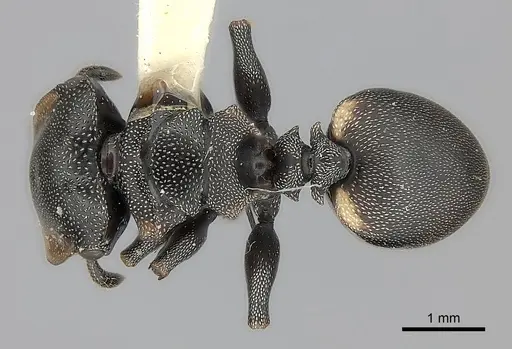
CASENT0900242
View on AntWeb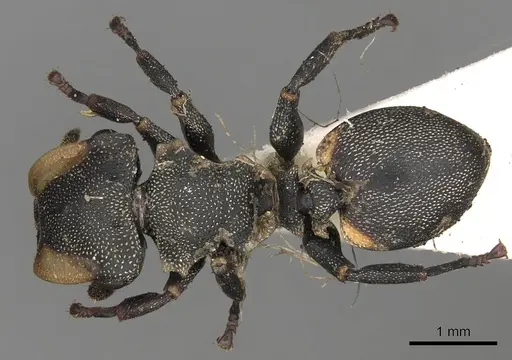
CASENT0904909
View on AntWeb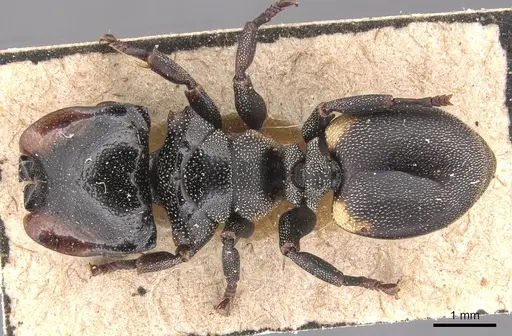
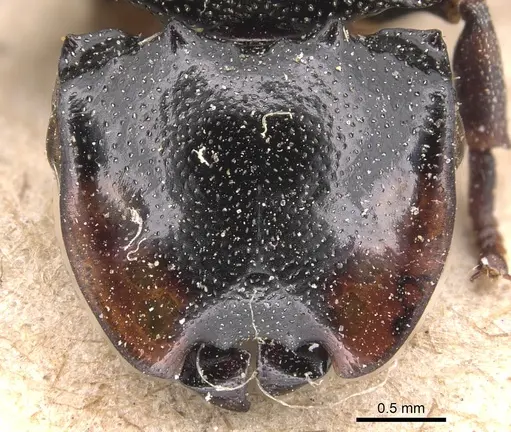
CASENT0904910
View on AntWeb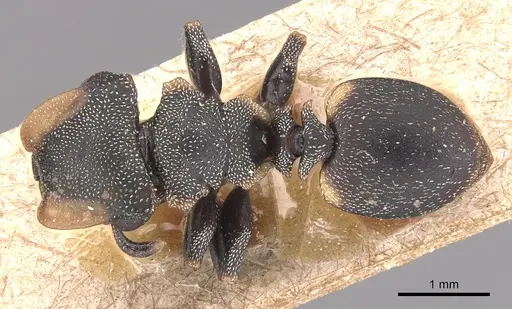
Literature
Loading...Loading products...