

Cephalotes basalis
- Scientific Name
- Cephalotes basalis
- Tribe
- Attini
- Subfamily
- Myrmicinae
- Author
- Smith, 1876
- Distribution
- Found in 8 countries
Cephalotes basalis Overview
Cephalotes basalis is an ant species of the genus Cephalotes. It is primarily documented in 8 countries , including Colombia, Costa Rica, Ecuador. Detailed taxonomic data and occurrence records can be further explored via authoritative databases such as AntWeb or the Global Biodiversity Information Facility (GBIF).
Cephalotes basalis
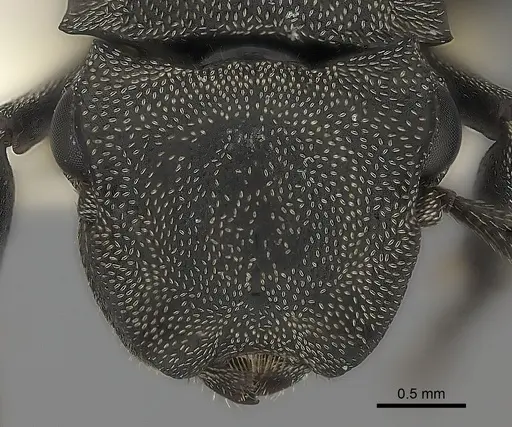
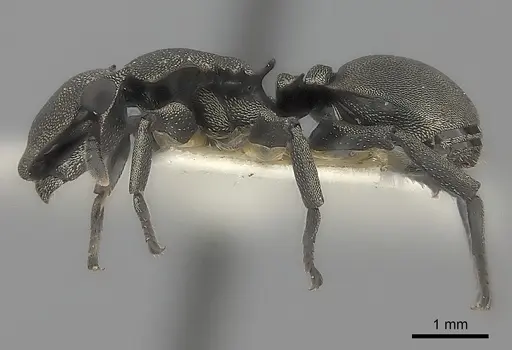
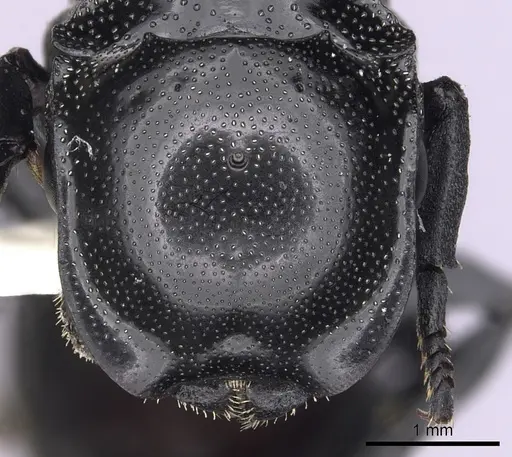
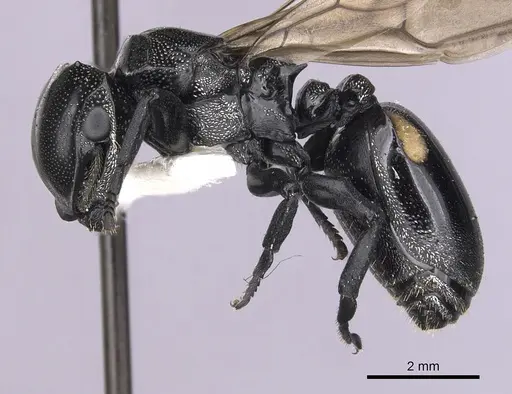
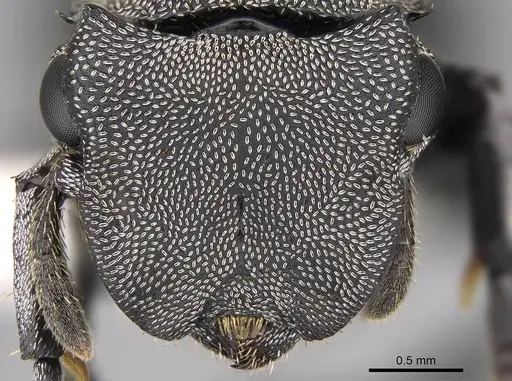
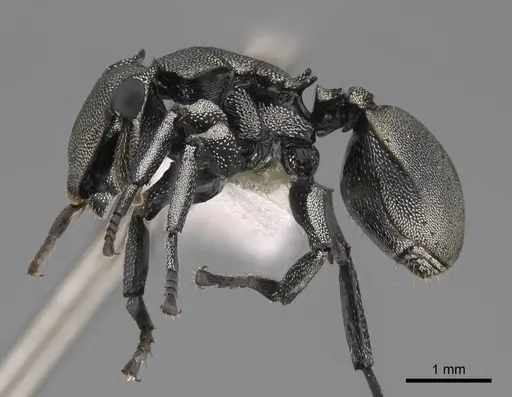
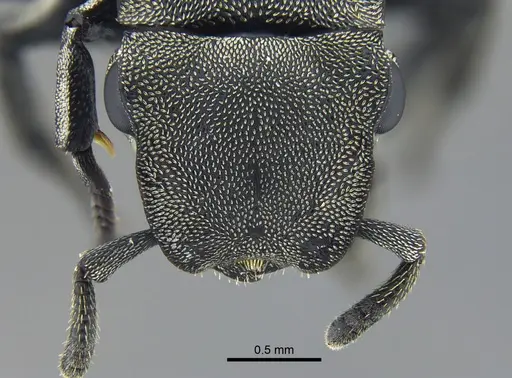
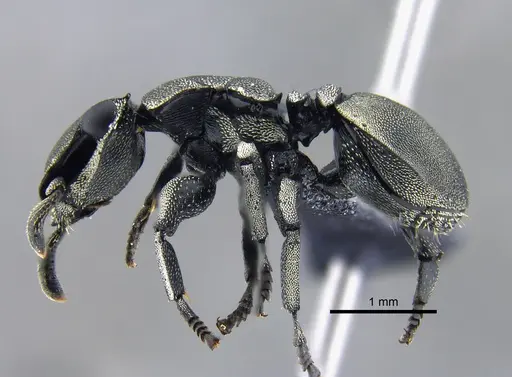
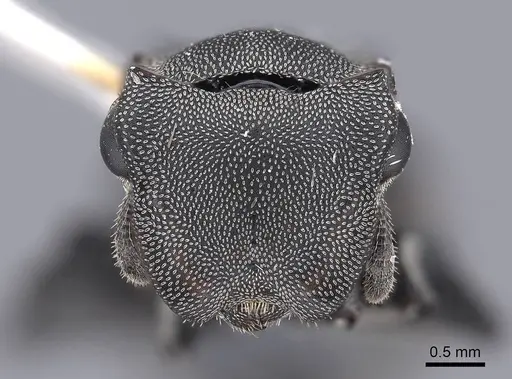
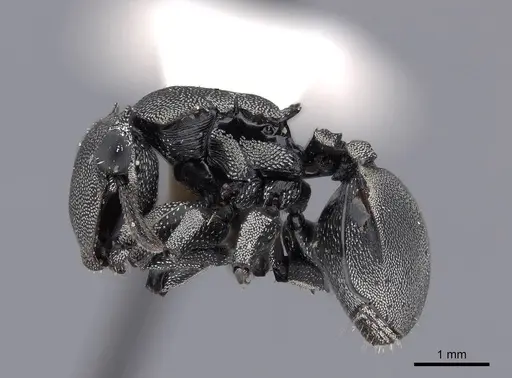
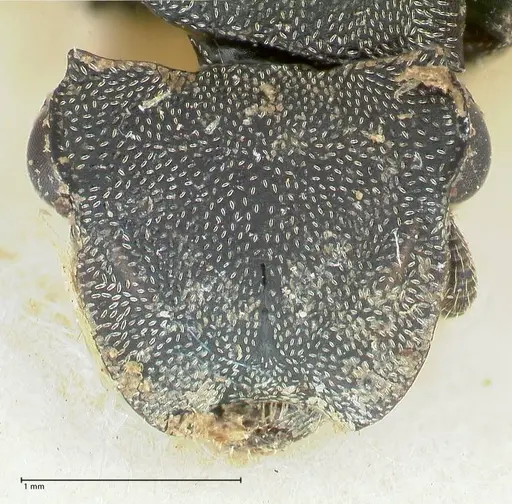
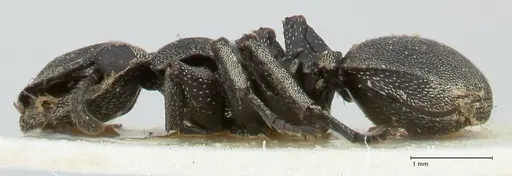
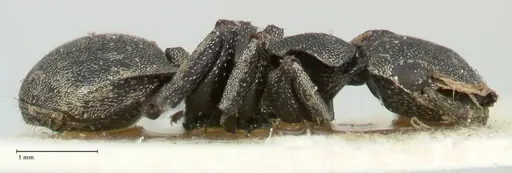
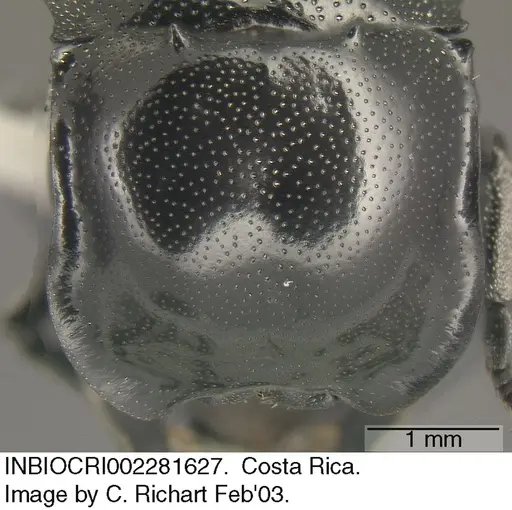
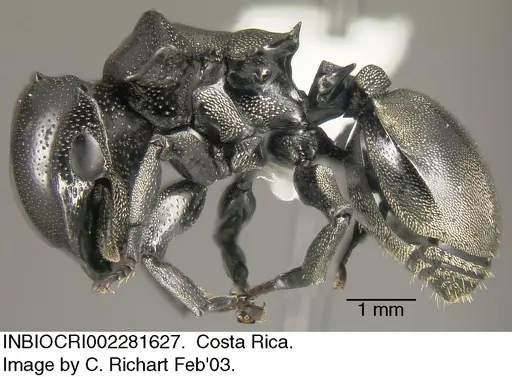
Cephalotes basalis is a distinctive arboreal ant belonging to the turtle ant genus Cephalotes. Workers are black with a broadly cordiform (heart-shaped) gaster and measure 5.96-7.20mm. Soldiers are larger at 8.48-9.52mm with characteristic spines on the vertex. Queens are the largest caste at 11.72-13.07mm. This species is a member of the basalis clade, characterized by pronotal lamellae and relatively short petiolar spines. They inhabit moist forests across Central and South America, from Mexico to Ecuador, typically nesting in trees and arboreal locations at elevations ranging from 2m to 1789m [1]. The species has been collected from various habitats including primary rainforest, forest edges, mangrove areas, and even beach vegetation.
Quick Summary
- Difficulty: Medium
- Origin & Habitat: Arboreal ant from moist tropical forests in Central and South America (Mexico to Ecuador). Found in elevations from 2m to 1789m in Colombia [1]. Collected in moist forest habitats, forest edges, canopy samples, and mangrove areas [2].
- Colony Type: Colony structure is unconfirmed. Based on related Cephalotes species, likely single-queen colonies. No documented ergatoid replacement reproductives found for this species.
- Size & Growth:
- Queen: 11.72-13.07mm [3]
- Worker: 5.96-7.20mm [3]
- Colony: Unknown, no colony size data available for this species
- Growth: Unknown, growth rate has not been documented
- Development: Unknown, development timeline has not been studied. Based on typical Cephalotes patterns, estimate 6-10 weeks at tropical temperatures. (Development time is unconfirmed for this species. Related Cephalotes species typically develop in 6-10 weeks at warm temperatures.)
- Antkeeping:
- Temperature: Keep at tropical temperatures around 24-28°C. This species is found in lowland moist forests, so warmth and humidity are important. A gentle gradient allowing workers to self-regulate is recommended.
- Humidity: High humidity is essential, these are rainforest canopy ants. Keep nest substrate consistently moist but not waterlogged. Provide a water source and occasional misting. Avoid dry conditions.
- Diapause: No, as a tropical species, they do not require hibernation. Keep temperatures stable year-round.
- Nesting: Arboreal nesters, they naturally nest in hollow twigs, branches, and tree cavities. In captivity, they do well in Y-tong nests, acrylic nests, or naturalistic setups with hollow twigs/branches. They prefer enclosed spaces with minimal light exposure.
- Behavior: Turtle ants are generally calm and non-aggressive. Workers are slow-moving and somewhat clumsy compared to ground-dwelling ants. They are primarily arboreal foragers, collecting honeydew and small prey from vegetation. Their distinctive flattened gaster gives them their common name. They have no functional sting and pose no danger to keepers. Escape risk is moderate, they are not strong climbers but can cling to surfaces. Use standard barrier methods.
- Common Issues: high humidity maintenance is critical, dry conditions will kill colonies quickly, arboreal nature means they need vertical space and climbing surfaces in the outworld, limited biological data makes care somewhat experimental, monitor colony response closely, wild-caught colonies may have parasites or disease that can cause captive failures, slow growth compared to ground-dwelling ants may frustrate beginners
Housing and Nest Setup
Cephalotes basalis is an arboreal species that naturally nests in hollow twigs, branches, and tree cavities. In captivity, they do best in Y-tong (acrylic) nests or formicariums that provide enclosed chambers mimicking their natural nesting sites. Naturalistic setups with hollow twigs or branches work well and look more authentic. The outworld should include climbing surfaces since they are arboreal ants that prefer to travel along vegetation and vertical surfaces. Provide materials like cork bark, twigs, or artificial plants for them to climb. Test tube setups can work for founding colonies but may need to be modified to provide the enclosed spaces these ants prefer. [1][2]
Feeding and Diet
Like other Cephalotes species, they likely feed on honeydew collected from aphids and scale insects, plus small insects and arthropods. In captivity, offer sugar water or honey regularly, along with small protein sources like fruit flies, small crickets, or other tiny arthropods. They are not aggressive hunters and prefer collecting honeydew and sugary liquids. Feed sugar sources constantly and protein 2-3 times per week. Remove uneaten prey after 24-48 hours to prevent mold.
Temperature and Humidity
As a tropical species from Central and South American forests, they need warm and humid conditions. Maintain temperatures between 24-28°C with minimal fluctuations. Humidity should be high, think rainforest canopy conditions. Keep the nest substrate consistently moist but not flooded. A water source should always be available. Avoid placing the nest near air conditioning vents or in drafty areas. Room temperature in most homes may be adequate, but monitor that it stays in the warm range. [1][2]
Behavior and Colony Life
Turtle ants are known for their calm temperament and distinctive appearance. Workers move relatively slowly and have a characteristic heart-shaped gaster that gives them their common name. They are primarily arboreal foragers, traveling along branches and leaves rather than on the ground. Colonies likely grow moderately, related Cephalotes species typically reach a few hundred workers. The soldier caste (larger workers with head spines) may serve as colony defenders. They have no functional sting and are completely harmless to keepers. [3]
Handling and Observation
These ants are easy to handle and observe due to their calm nature and moderate size. Workers are large enough to see clearly (6-7mm) and slow-moving enough to track. The soldier caste (8-9.5mm) is particularly impressive with its spined head. Queens at 11-13mm are substantial and make founding colonies easy to monitor. They do not bite or sting, making them suitable for keepers who want to observe their colonies without safety concerns. Their arboreal lifestyle means they spend more time on vertical surfaces, factor this into your outworld design. [3]
Frequently Asked Questions
How long does it take for Cephalotes basalis to raise first workers?
The exact development time is unknown for this species. Based on related Cephalotes species, expect 6-10 weeks from egg to first worker at tropical temperatures (24-28°C). Be patient, turtle ants tend to grow more slowly than many common ground-dwelling ants.
Can I keep Cephalotes basalis in a test tube?
Test tubes can work for founding colonies, but these arboreal ants prefer enclosed spaces. Consider transitioning them to a Y-tong or acrylic nest once the colony reaches 15-20 workers. They do well in nests that mimic their natural hollow twig habitat.
What do Cephalotes basalis eat?
They primarily feed on honeydew from aphids and scale insects, plus small insects and arthropods. In captivity, offer sugar water or honey constantly, and small protein sources like fruit flies or tiny crickets 2-3 times per week.
Are Cephalotes basalis good for beginners?
They are rated as Medium difficulty. They require high humidity and stable tropical temperatures, which can be challenging for beginners. However, their calm nature and lack of sting make them rewarding for keepers who can meet their humidity needs.
Do Cephalotes basalis need hibernation?
No, they do not hibernate. As a tropical species from Central and South America, they need year-round warm temperatures (24-28°C). Do not expose them to cold temperatures or simulate winter conditions.
How big do Cephalotes basalis colonies get?
Colony size is not documented for this species. Based on related Cephalotes species, colonies likely reach a few hundred workers. They have distinct worker and soldier castes, with soldiers appearing as colonies grow.
When should I move Cephalotes basalis to a formicarium?
Move them when the test tube setup becomes crowded (typically 15-30 workers) or shows condensation issues. Y-tong nests work well for turtle ants. Make sure the new setup maintains high humidity and provides dark, enclosed chambers.
Why is my Cephalotes basalis colony dying?
The most common cause is low humidity, these rainforest canopy ants die quickly in dry conditions. Check that the nest substrate stays moist. Other issues include temperature fluctuations, mold from overfeeding, or stress from too much light exposure. Ensure they have proper arboreal climbing surfaces in the outworld.
References

This caresheet is licensed under CC BY-SA 4.0 .
CASENT0217833
View on AntWeb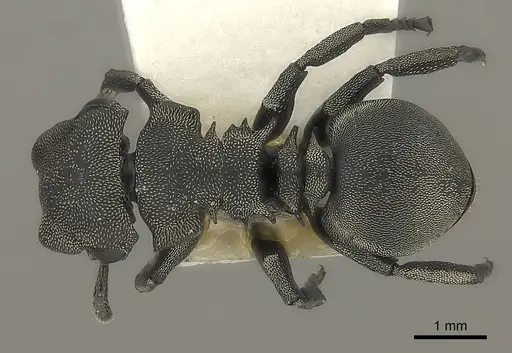
CASENT0627933
View on AntWeb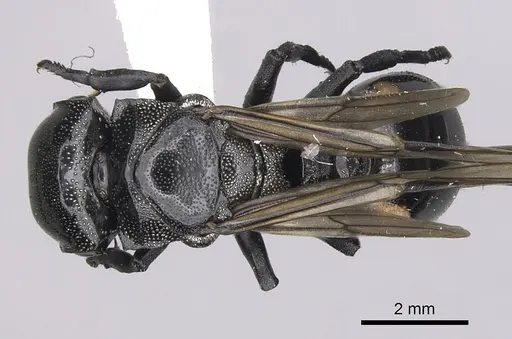
CASENT0627934
View on AntWeb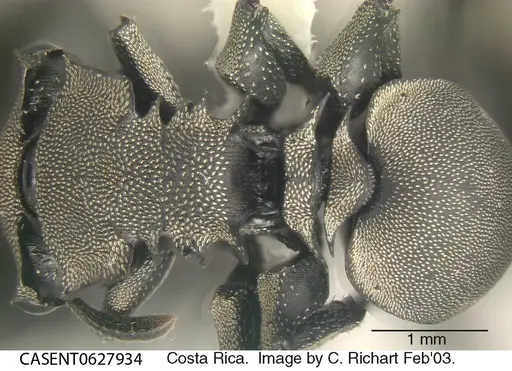
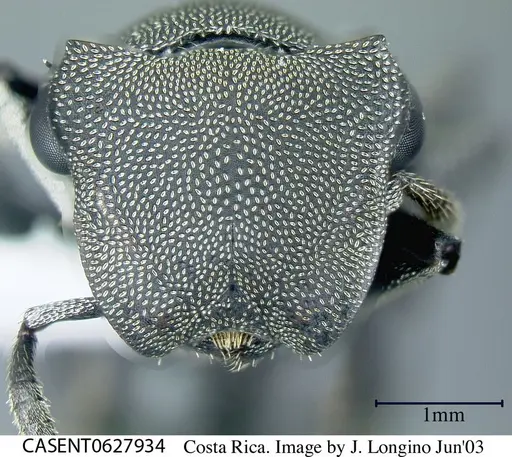
CASENT0900246
View on AntWeb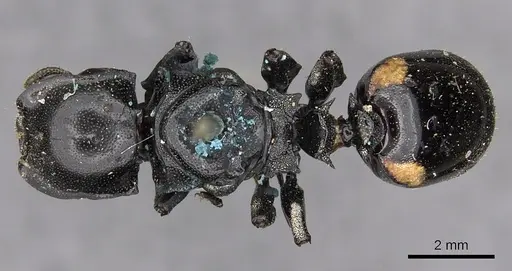
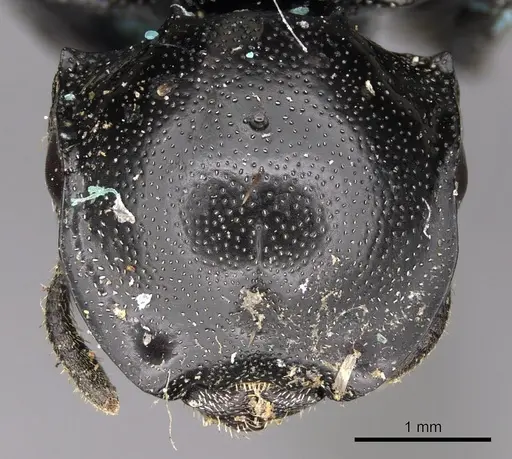
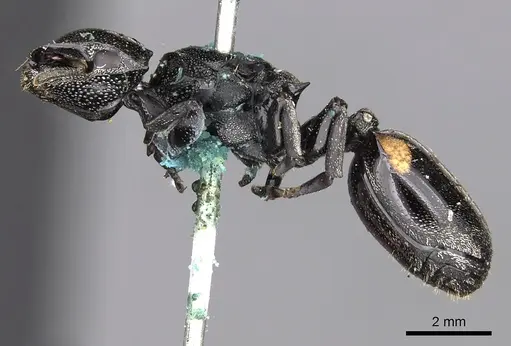
CASENT0922590
View on AntWeb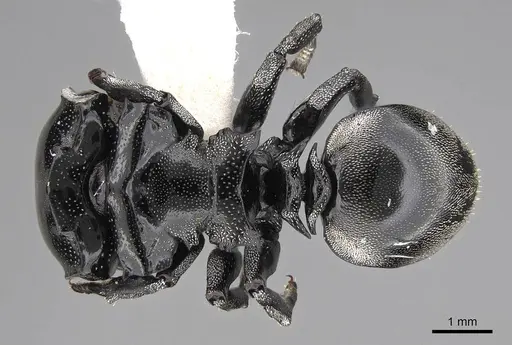
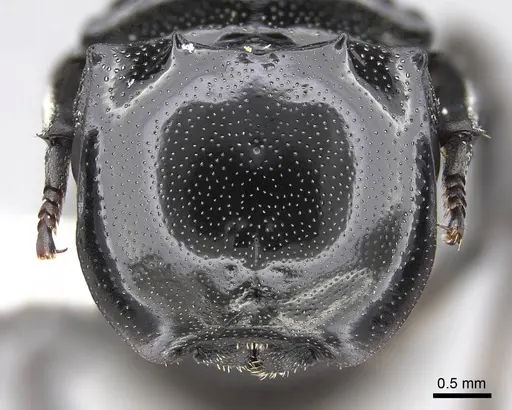
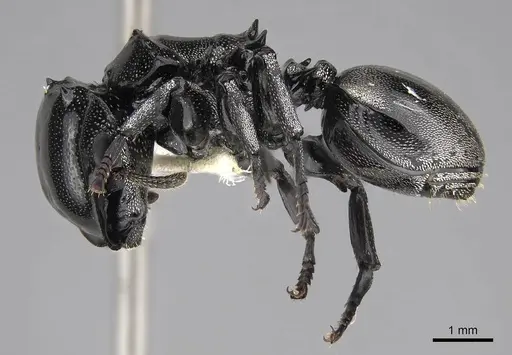
CASENT0922591
View on AntWeb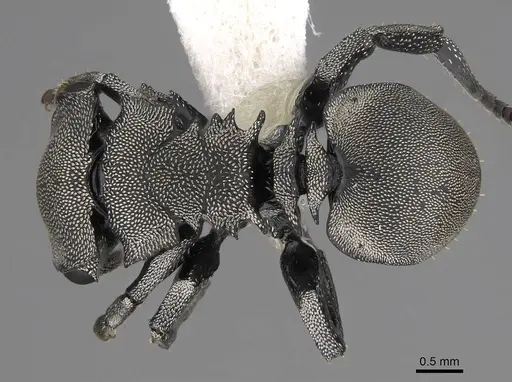
CBUMAGENT39741
View on AntWeb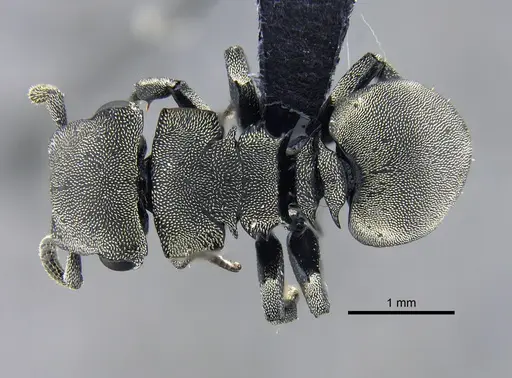
FMNHINS0000047649
View on AntWeb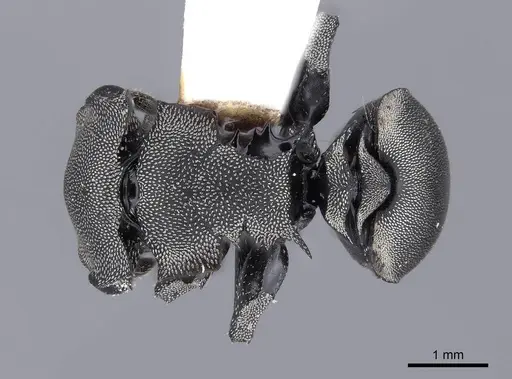
FOCOL2145
View on AntWeb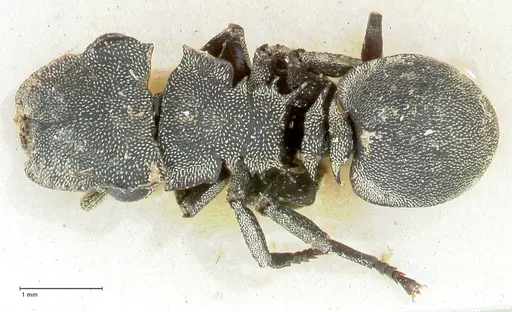
INBIOCRI002281627
View on AntWeb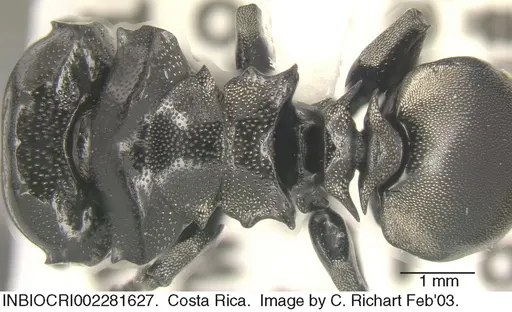
Literature
Loading...Loading products...