
Cephalotes atratus shows a February to December flight window. Peak activity occurs in February and October, with nuptial flights distributed across 9 months. This extended season suggests multiple flight events or varying conditions across its range.
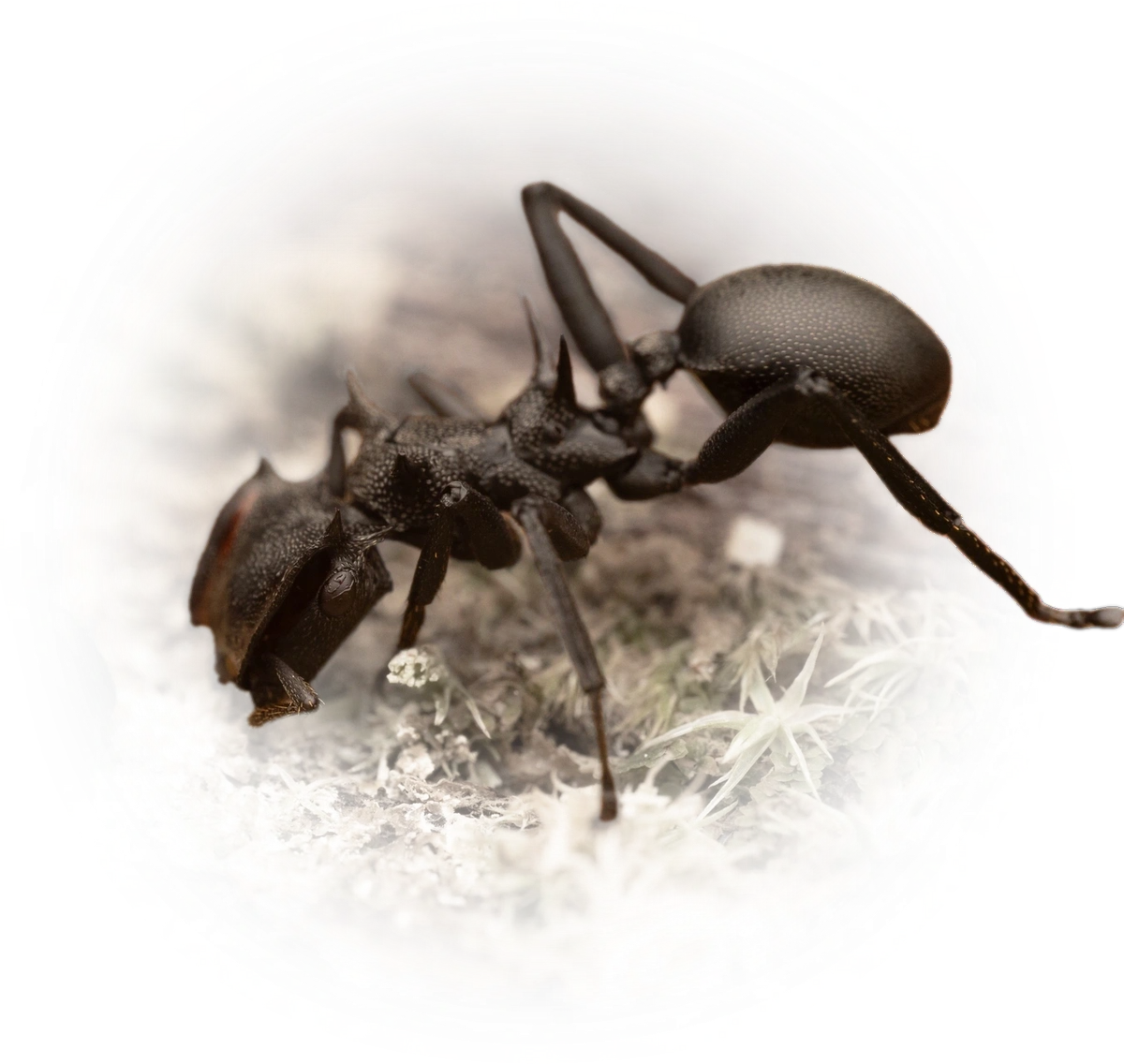
Cephalotes atratus
- Scientific Name
- Cephalotes atratus
- Tribe
- Attini
- Subfamily
- Myrmicinae
- Author
- Linnaeus, 1758
- Common Name
- Common Giant Turtle Ant
- Distribution
- Found in 13 countries
- Nuptial Flight
- from February to December, peaking in February
AI Identifiable
try →
Cephalotes atratus Overview
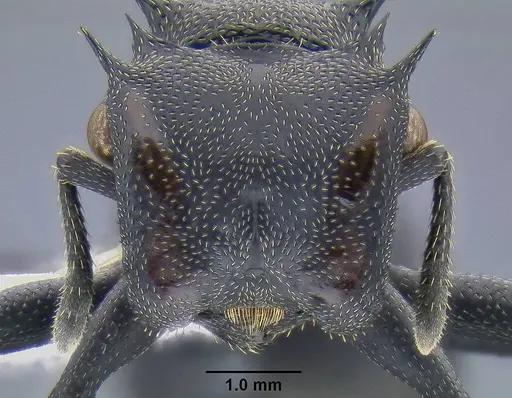
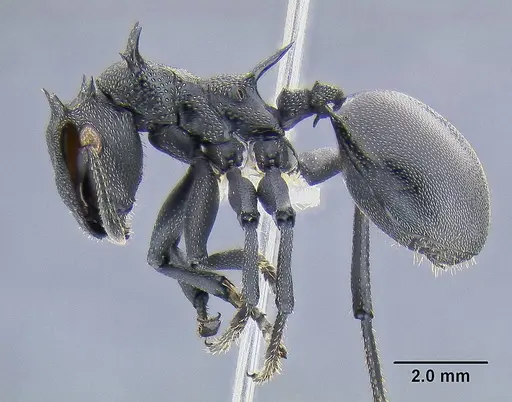
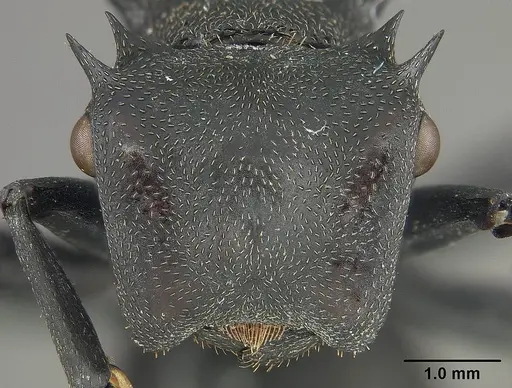
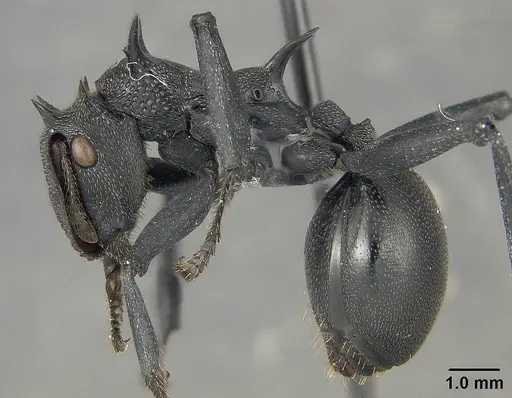
Cephalotes atratus (commonly known as the Common Giant Turtle Ant) is an ant species of the genus Cephalotes. It is primarily documented in 13 countries , including Argentina, Bolivia, Plurinational State of. Detailed taxonomic data and occurrence records can be further explored via authoritative databases such as AntWeb or the Global Biodiversity Information Facility (GBIF).
The nuptial flight of Cephalotes atratus is a significant biological event, typically occurring from February to December, peaking in February. During this time, winged queens and males leave the nest to mate and establish new colonies.
Cephalotes atratus - "Common Giant Turtle Ant"
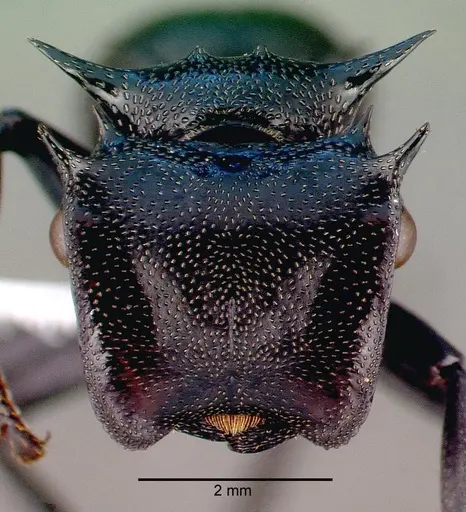
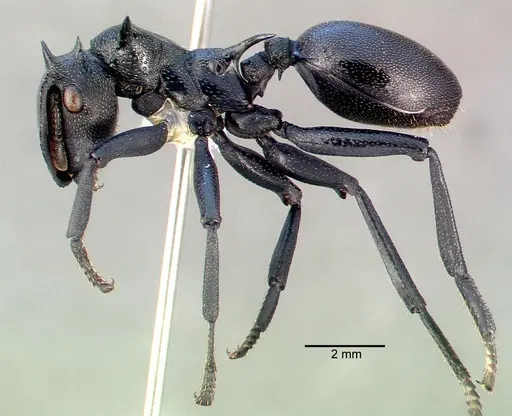
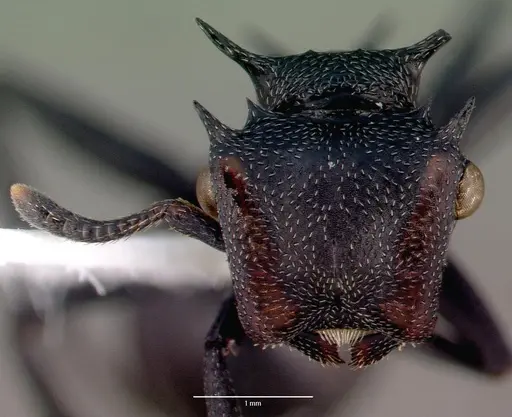
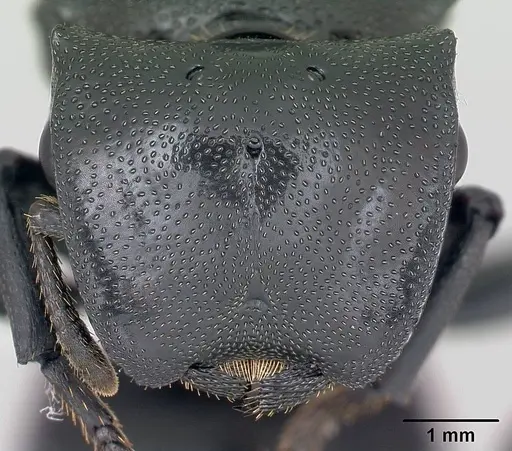
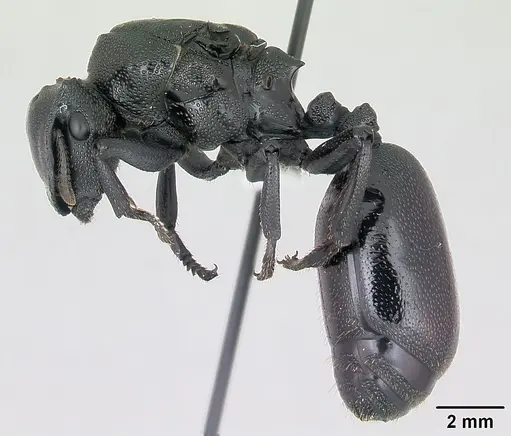
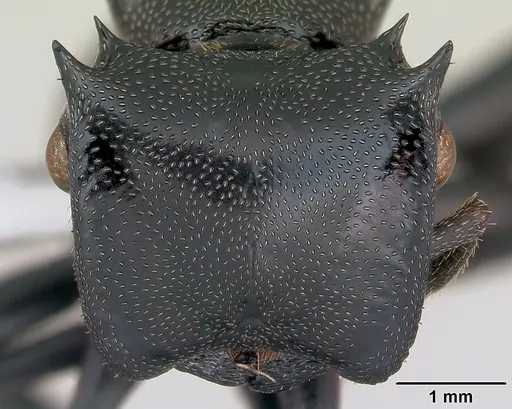
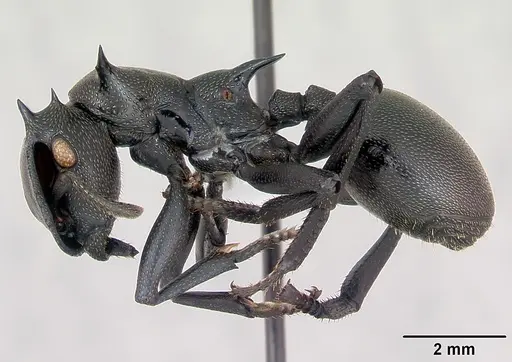
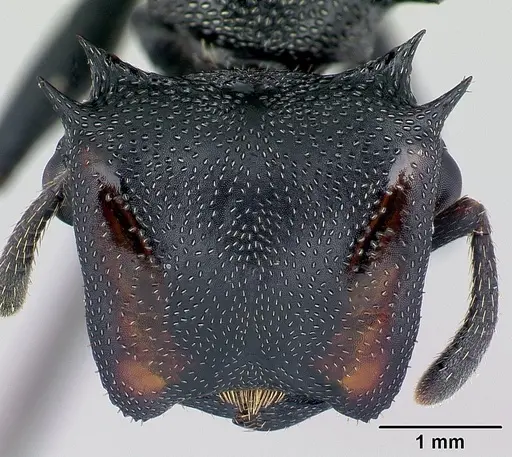
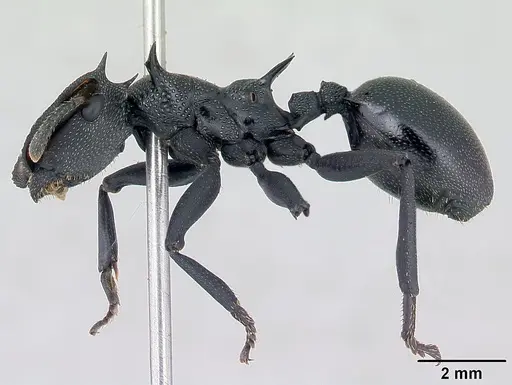
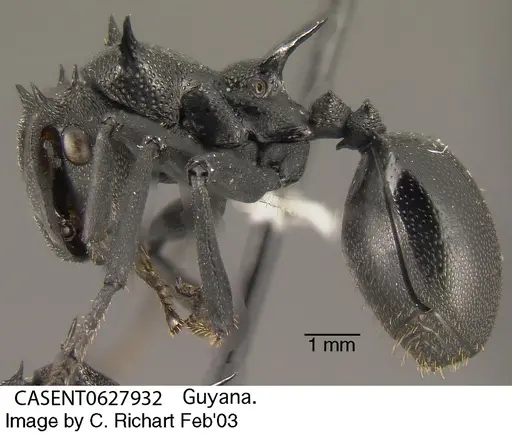
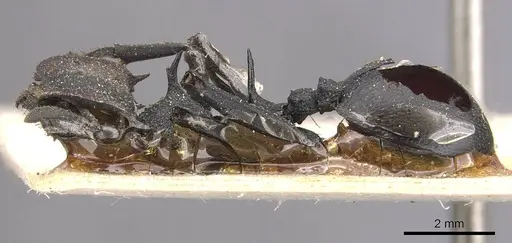
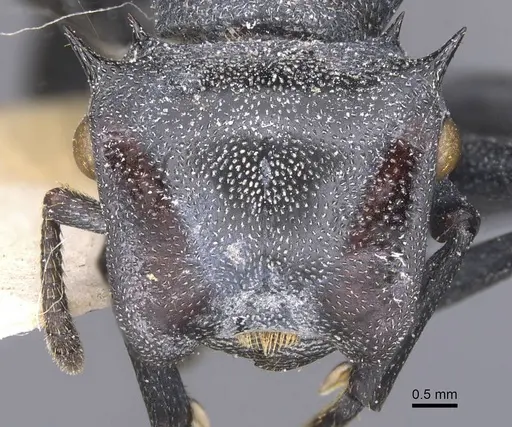
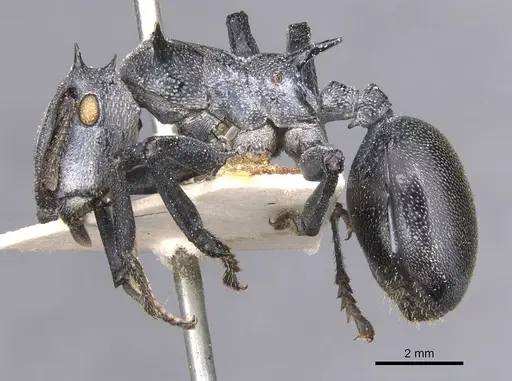
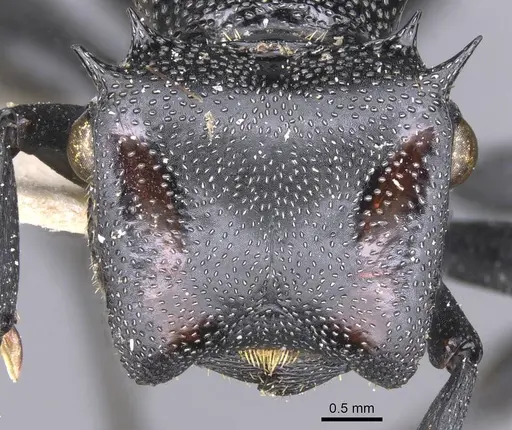
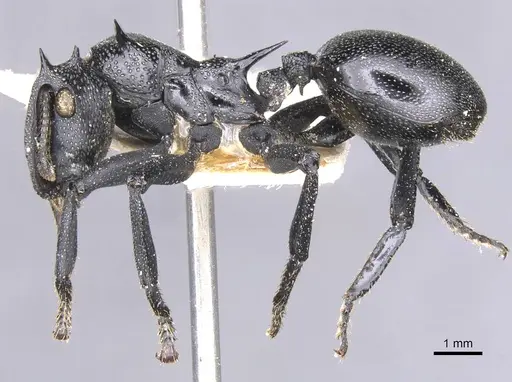
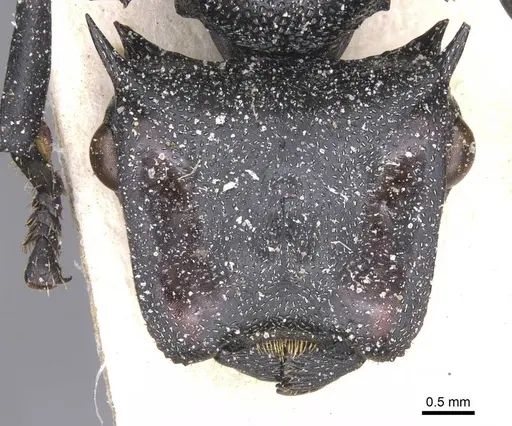
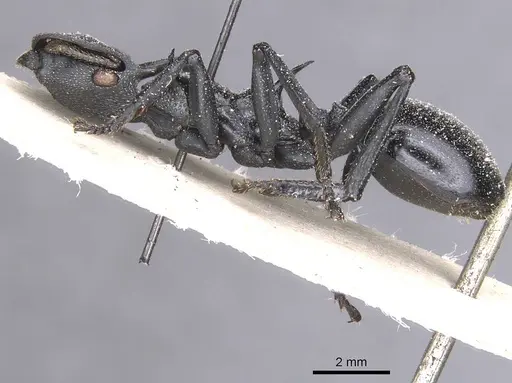
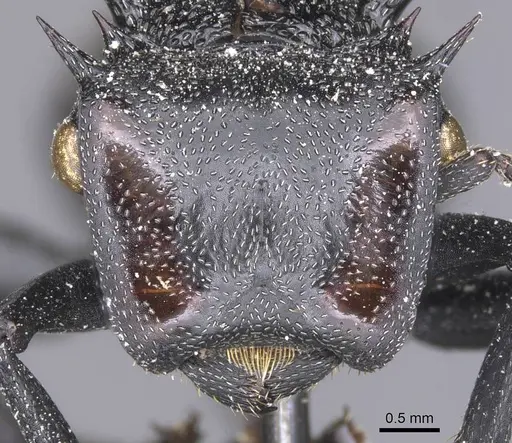
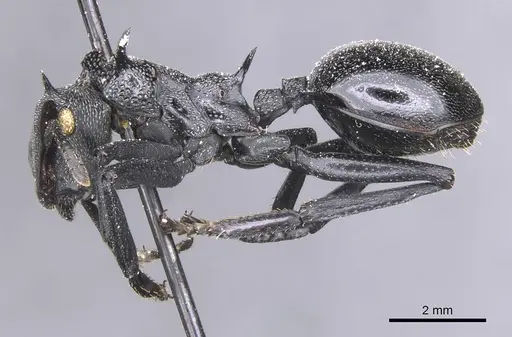
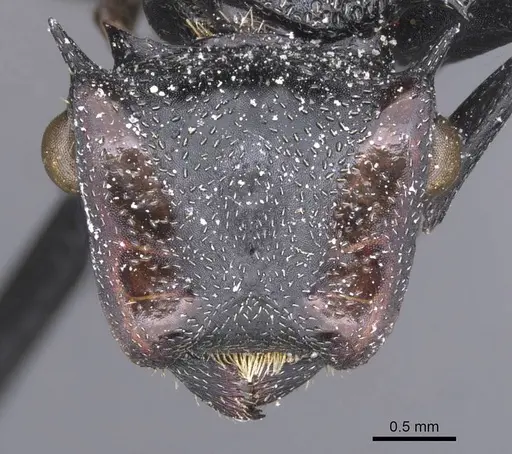
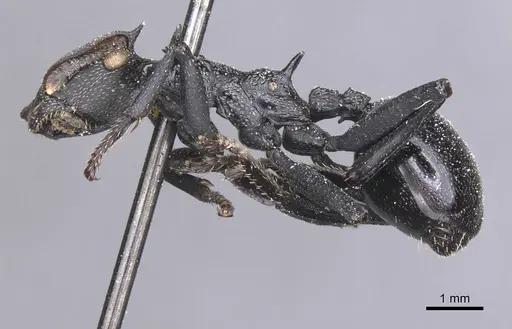
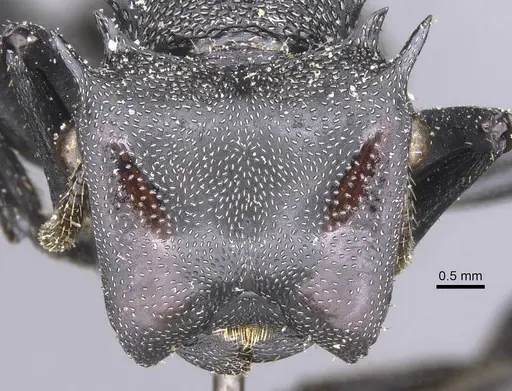
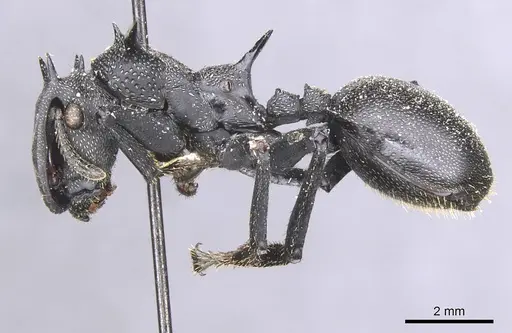
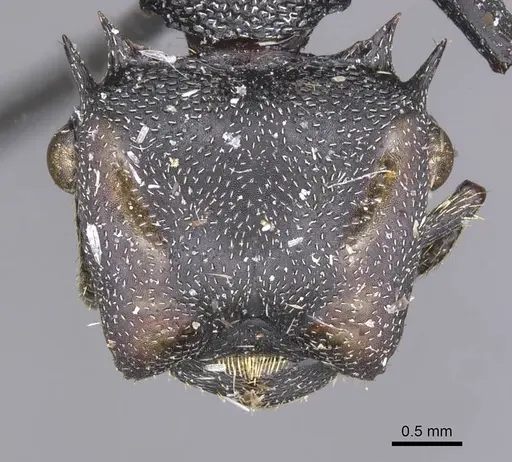
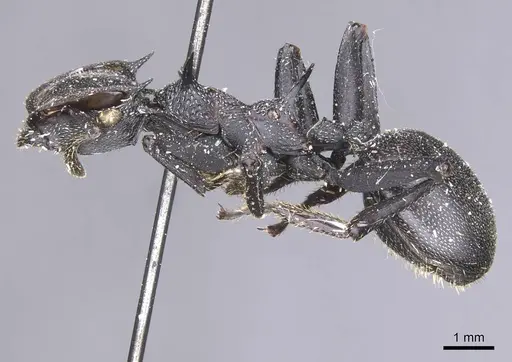
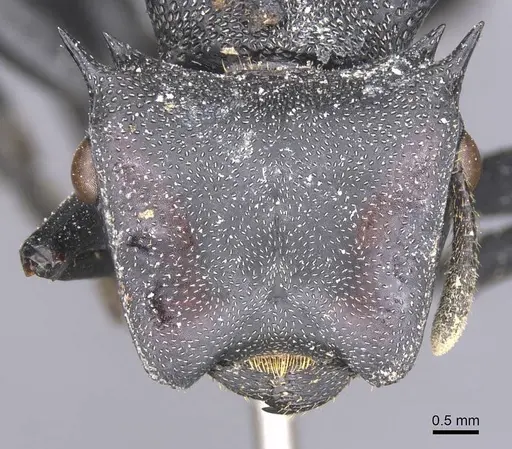
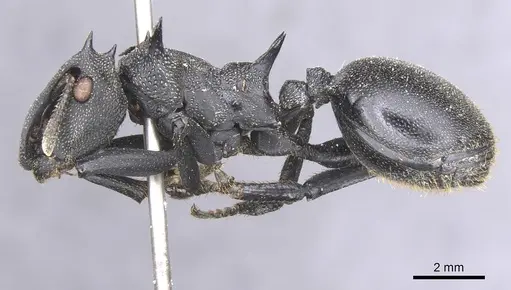
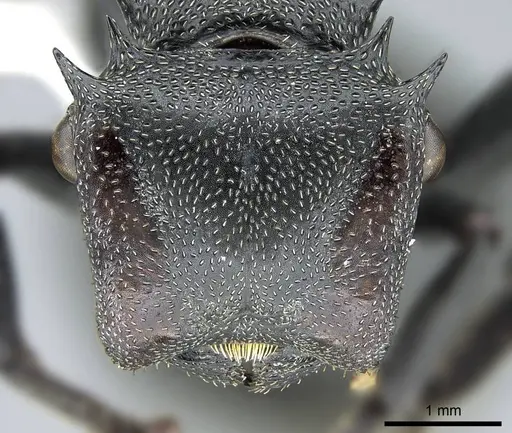
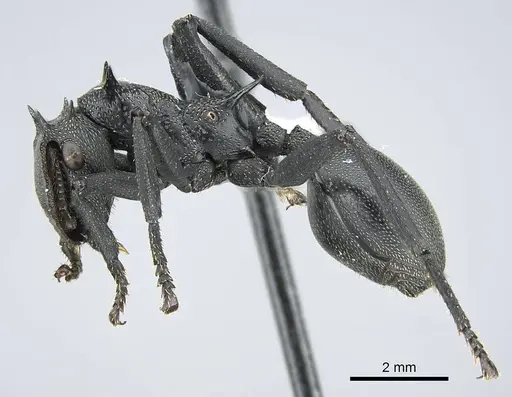
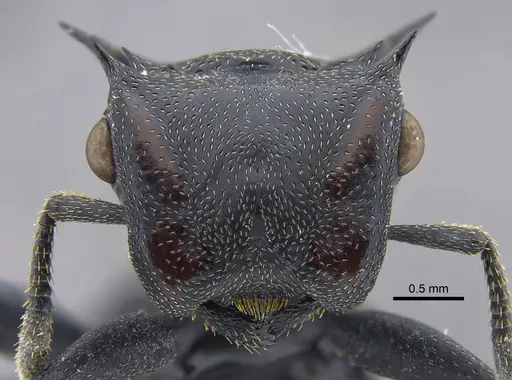
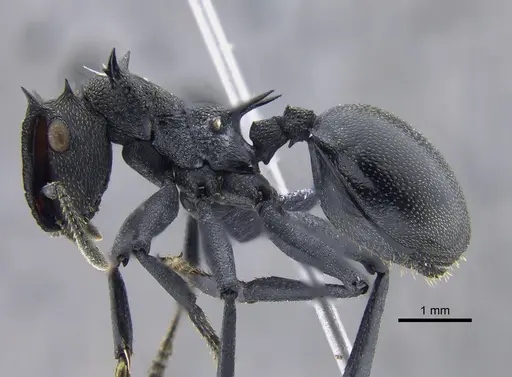
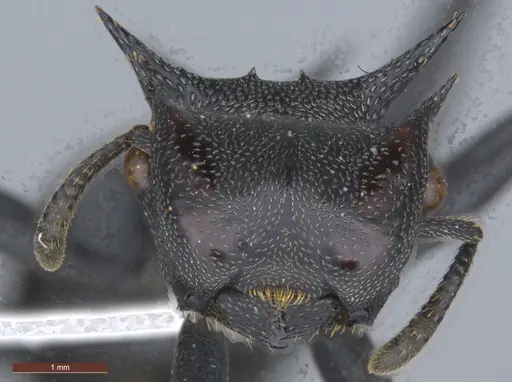
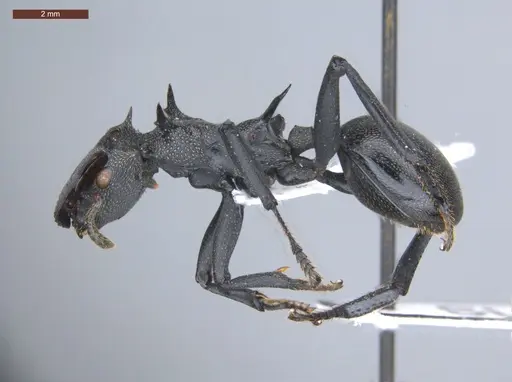
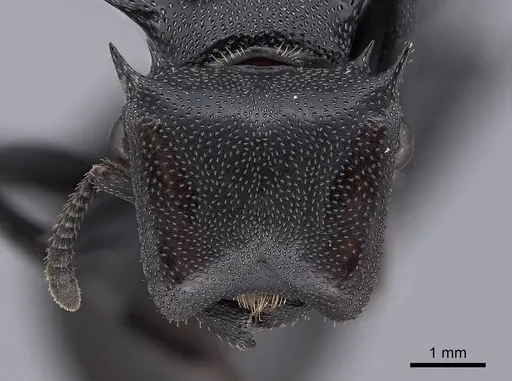
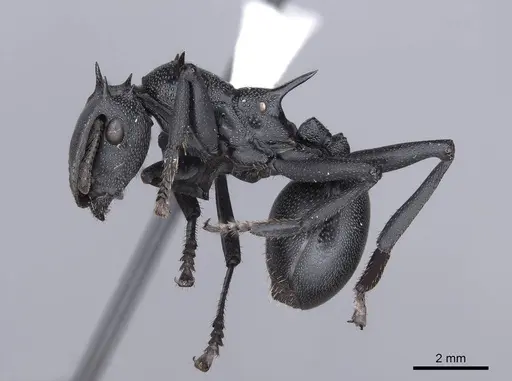
Cephalotes atratus is the largest species in the turtle ant genus, with workers ranging from 8-15 mm and queens reaching up to 19 mm [1][2]. These ants are completely black with fuscous ferruginous spots on their frontal carinae and tarsi tips. Workers are monomorphic but show size variation within colonies [3]. The species is widely distributed across the Neotropical region, from Panama south to Argentina and Uruguay, making it one of the most widespread Cephalotes species [2][4].
C. atratus can glide when dislodged from the canopy, visually targeting tree trunks or light-colored surfaces and landing safely [5][6]. They are one of the few ants that consume pollen by licking it from leaves and digesting it in their crop [7][8]. The species hosts the nematode Myrmeconema neotropicum, which turns infected ants' gasters red to mimic fruits for bird predators [9][10].
Quick Summary
- Difficulty: Medium
- Origin & Habitat: Neotropical region from Panama to Argentina and Uruguay, found in diverse habitats from primary rainforests to urban areas [2][11]. Altitudinal range from 4 m to 2169 m [4]. Arboreal nesting in tree cavities, primarily in canopy or at base of trees [12][13].
- Colony Type: Unconfirmed, research does not specify queen number or social structure.
- Size & Growth:
- Queen:{.size-link} ~15-19 mm [1][13]
- Worker:{.size-link} ~8-15 mm [1][2]
- Colony: Up to several thousand workers [1][12]
- Growth: Moderate, inferred from genus patterns
- Development: Estimated 6-10 weeks at optimal temperatures (inferred from genus patterns [1]) (Direct development data unavailable, estimates based on typical Cephalotes development)
- Antkeeping:
- Temperature: Keep warm, roughly 24-28°C. Based on tropical distribution [2] and thermal adaptation studies [14].
- Humidity: Keep nest substrate consistently moist but not waterlogged. As arboreal ants, they prefer well-ventilated nests with access to moisture [12].
- Diapause: No, as a tropical species, they do not require hibernation [2].
- Nesting: Arboreal setup required. Provide a formicarium with horizontal galleries or naturalistic setup with cork/branches [13][15][16].
- Behavior: Generally calm and non-aggressive [17]. They are arboreal foragers with well-developed trails. Workers can glide to escape predators [18][6]. They tend honeydew producers [19] and can digest pollen [7]. When threatened by army ants, they may close nest entrances [20]. They have a stinger but rarely use it [21]. Escape risk is moderate due to size and gliding ability.
- Common Issues: wild-caught colonies may carry parasites including nematodes or fungi, quarantine new colonies [9][10][25], slow colony establishment compared to ground-nesting species, patience required during founding, as polydomous arboreal ants, they need vertical space and multiple chambers to feel secure, tropical temperature requirements mean heating may be needed in cooler climates, large colony size means they need significant space as they grow
Nuptial Flight Activity Analysis 112 observations
Flight Activity by Hour 112 observations
Cephalotes atratus nuptial flight activity peaks around 12:00 during the late morning to early afternoon. Activity is spread across a 17-hour window (01:00–17:00). A secondary activity peak occurs around 09:00. Times may be influenced by human observation patterns.
Housing and Nest Setup
Cephalotes atratus requires an arboreal-style setup since they naturally nest in tree cavities. A horizontal formicarium with multiple connected chambers works well, they prefer galleries that run horizontally rather than vertically deep chambers. Y-tong nests or custom acrylic nests with chambers sized appropriately for their large workers are suitable options. You can also create a naturalistic setup using cork oak or wooden branches where they can establish multiple nest cavities. Since they are polydomous in the wild, providing several small chambers connected by tubing mimics their natural nesting behavior. Ensure good ventilation while maintaining humidity, these are canopy-dwelling ants that experience airflow in their natural tree hollows [13][15][16].
Feeding and Diet
C. atratus has an unusual diet, they are one of the few ant species capable of consuming pollen, which they obtain by licking pollen grains from leaf surfaces [7][8]. In captivity, offer a varied diet including sugar water or honey as an energy source, pollen (they show marked preference for it [7]), and protein sources like mealworms, crickets, or other small insects. They also tend honeydew-producing insects and will accept sugar sources. Their gut microbiome helps them recycle nitrogen for their herbivorous lifestyle [22][23]. Feed them small insects twice weekly and provide constant access to sugar water. They show intense recruitment to sodium sources in the wild, so occasional sodium supplementation may be beneficial [24].
Temperature and Climate Control
As a Neotropical species, C. atratus requires warm conditions. Maintain temperatures between 24-28°C for optimal activity and brood development. They can tolerate temperatures above 30°C but should be protected from extremes. Room temperature alone is often insufficient in temperate climates, use a heating cable on one side of the nest to create a gentle thermal gradient if needed. Avoid cold drafts and sudden temperature drops. Since they are arboreal and live in tree cavities, they are accustomed to stable temperatures within the canopy [2][14].
The Gliding Ability
One of the most fascinating aspects of C. atratus is their directed aerial descent capability. When workers fall from the canopy, they visually target nearby tree trunks, lianas, or any light-colored surface and glide backwards to land safely [5][6]. Research shows they are attracted to white and light-colored objects, in experiments,42-47% of falling ants directed their descent toward white sheets [18]. They lack ocelli but use their compound eyes to detect contrast between tree trunks (which reflect more light than foliage) and other surfaces. This behavior is an anti-predator adaptation. In captivity, this means they may attempt to glide toward light sources if they escape, so ensure secure barriers.
Parasites and Disease
Wild colonies of C. atratus are commonly infected with various parasites. The nematode Myrmeconema neotropicum manipulates infected workers to develop bright red abdomens that mimic ripe fruits [9][10]. Infected ants walk with their gaster raised high, making them more conspicuous to bird predators. The nematode also thins the gaster exoskeleton and weakens the connection between gaster and postpetiole [25][10]. They are also hosts for Ophiocordyceps fungi, which manipulate infected ants to bite onto vegetation before dying [26][27]. When acquiring wild colonies, watch for red gasters or ants attached to vegetation. Approximately 5% of workers in wild colonies show infection [11].
Colony Dynamics and Growth
C. atratus colonies grow to several thousand workers, making them substantial colonies but not among the largest ant species [1][12]. They are polydomous, in the wild, colonies occupy multiple cavities within a single tree, connected by trails [16][15]. A studied colony contained 83 workers plus 500+ brood items [13]. Workers show size polymorphism but are considered monomorphic with continuous size variation [13][3]. The colony structure is likely monogyne, but this is not confirmed. Queens are large (15-19 mm) and were found at the deepest point of the nest chamber in one study [13]. Growth is moderate, expect 6-10 months to first workers from founding, then steady expansion.
Frequently Asked Questions
How long does it take for Cephalotes atratus to go from egg to first worker?
The exact development timeline has not been directly studied. Based on related Cephalotes species, expect approximately 6-10 weeks from egg to first worker at optimal temperatures (around 26°C) [1]. Warmer temperatures may speed development slightly.
Can I keep Cephalotes atratus in a test tube?
Test tubes are not ideal for this species. C. atratus is an arboreal ant that naturally nests in tree cavities and prefers horizontal gallery setups. A formicarium with multiple connected chambers or a naturalistic setup with cork/branches is much more appropriate [13][15].
What makes Cephalotes atratus special compared to other ants?
Several things make them unique: they are one of the very few ant species that can consume pollen [7], they can glide when falling from the canopy [5], and they are hosts to the nematode Myrmeconema neotropicum which turns their abdomen bright red to mimic fruit [9]. They are also the largest species in the genus Cephalotes [1].
Are Cephalotes atratus good for beginners?
They are rated as medium difficulty. While they are relatively hardy and can thrive in urban areas [8], they have specific needs: arboreal nesting setup, warm temperatures (24-28°C), and they grow slowly compared to many common ant species. They are better suited for keepers with some experience.
Do Cephalotes atratus need hibernation?
No, they do not require hibernation. As a Neotropical species from Panama to Argentina, they are adapted to year-round warm temperatures [2]. Maintain consistent temperatures throughout the year.
How big do Cephalotes atratus colonies get?
Colonies reach up to several thousand workers [1][12]. One studied colony had 83 workers plus extensive brood [13], but this was not yet sexually mature. Mature colonies can cover entire tree trunks when foraging.
Why do some Cephalotes atratus have red abdomens?
Red abdomens indicate infection by the nematode Myrmeconema neotropicum [9]. The nematode manipulates the ant's behavior and appearance, it causes the gaster to turn bright red, makes the ant walk with abdomen raised, and weakens the gaster connection so it easily detaches when eaten by birds. About 5% of wild workers are infected [11].
What do Cephalotes atratus eat in captivity?
Offer a varied diet: sugar water or honey for energy, pollen (they have a marked preference for it [7]), and protein sources like small insects. Feed protein 2-3 times per week and keep sugar water available constantly. They show intense recruitment to sodium in the wild, so occasional sodium supplementation may be beneficial [24].
Report an Issue
The current care sheet is based fully on literature. See inconsistencies, or something that's incorrect? Please , it will be resolved after review from an admin. Contributing to the blogs tab also helps providing information, to make us be able to further improve the caresheets. Thank you for your support!
References

This caresheet is licensed under CC BY-SA 4.0 .
ANTWEB1060137
View on AntWeb
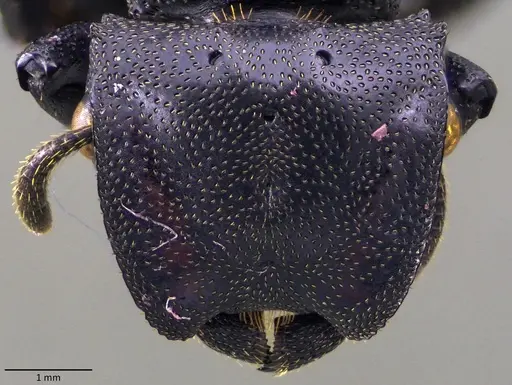
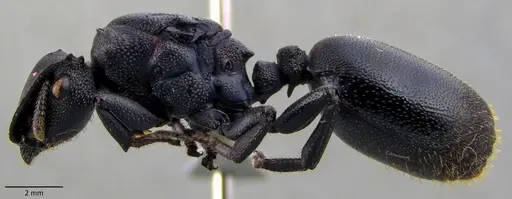
CASENT0010675
View on AntWeb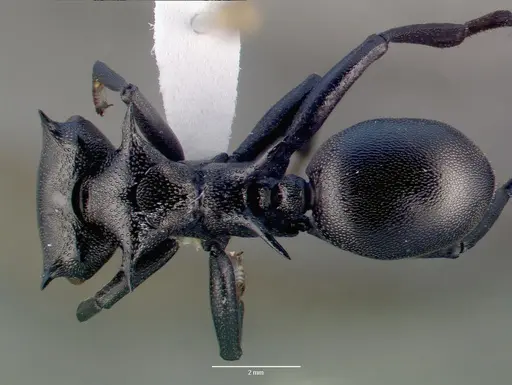
CASENT0010676
View on AntWeb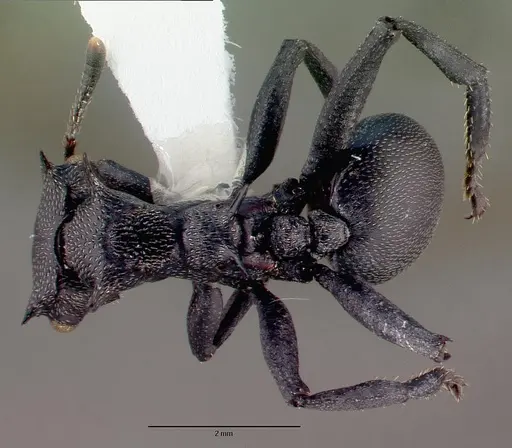
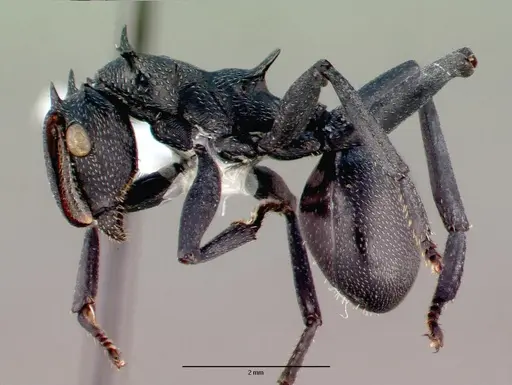
CASENT0010677
View on AntWeb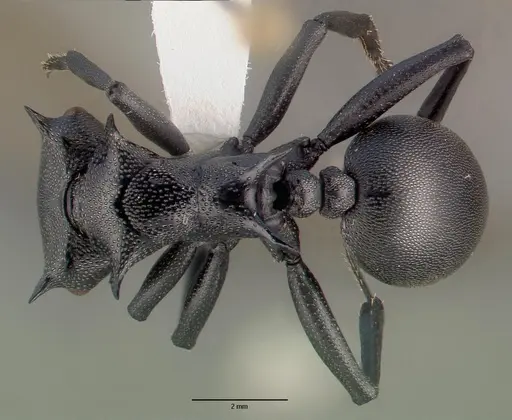
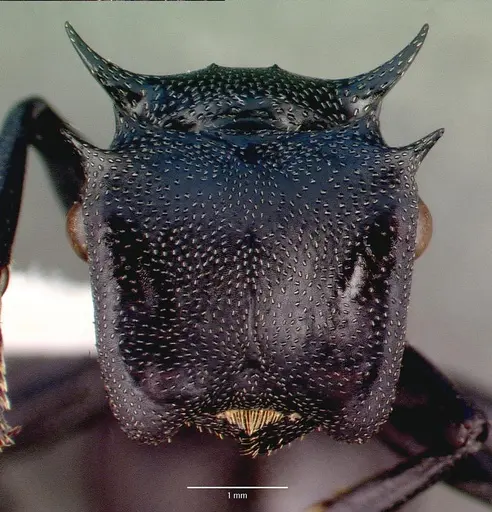
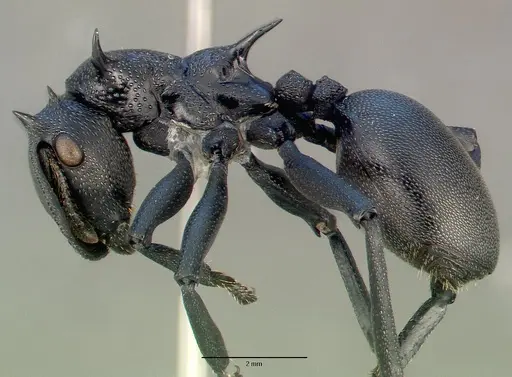
CASENT0106296
View on AntWeb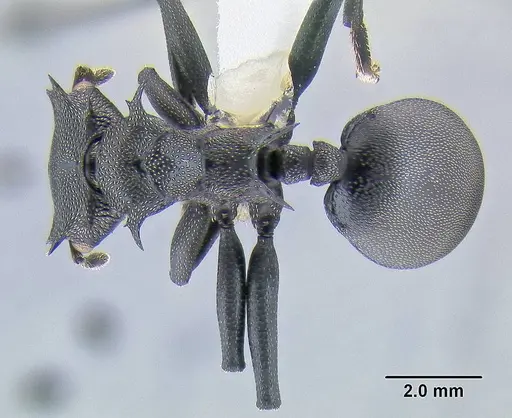
CASENT0173662
View on AntWeb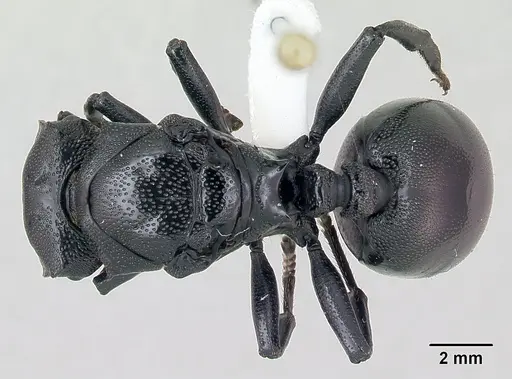
CASENT0173663
View on AntWeb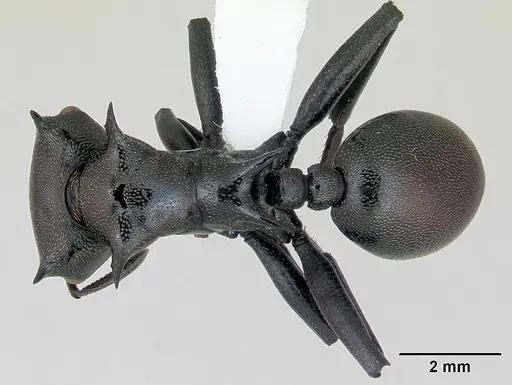
CASENT0178627
View on AntWeb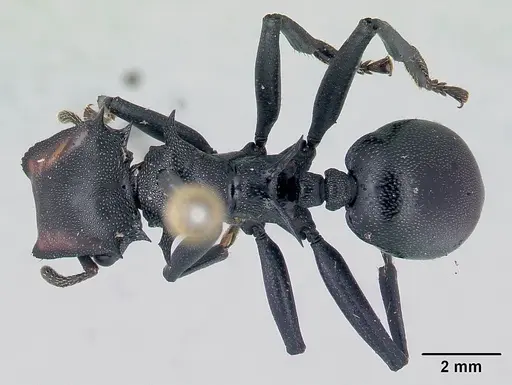
CASENT0627932
View on AntWeb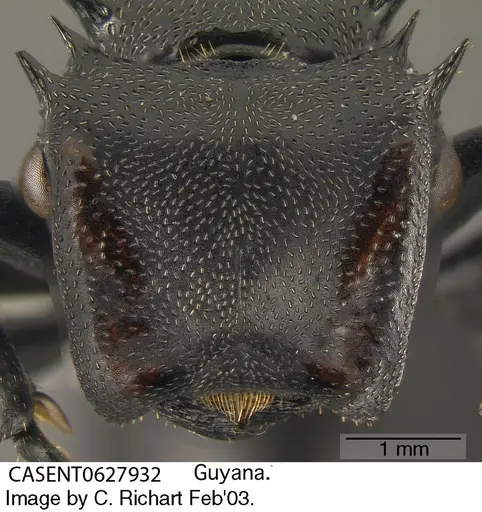
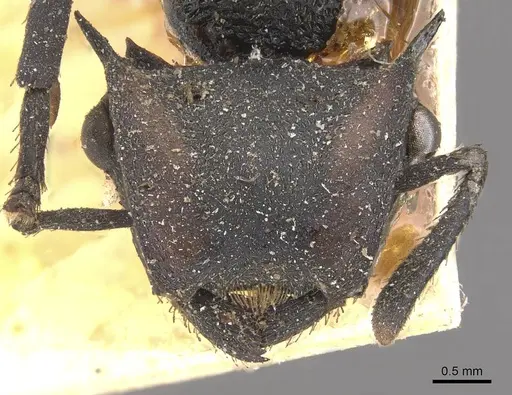
CASENT0909259
View on AntWeb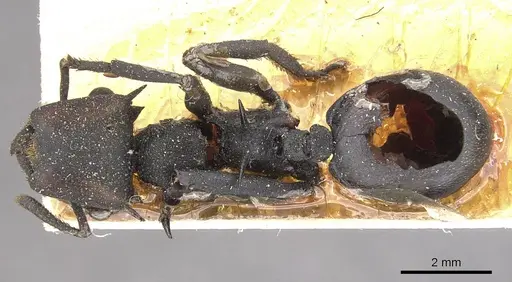
CASENT0912576
View on AntWeb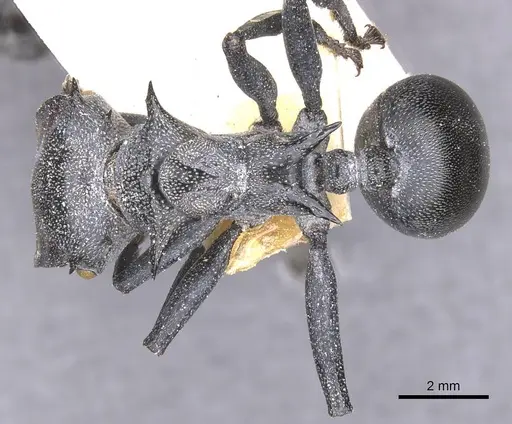
CASENT0912577
View on AntWeb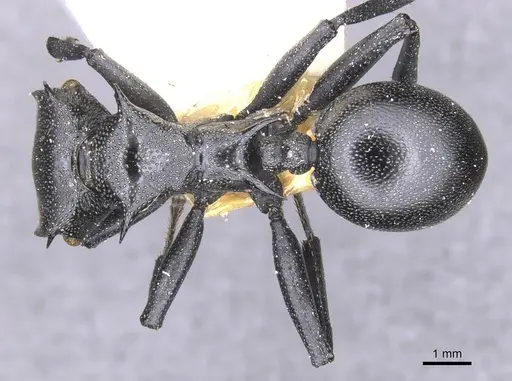
CASENT0912578
View on AntWeb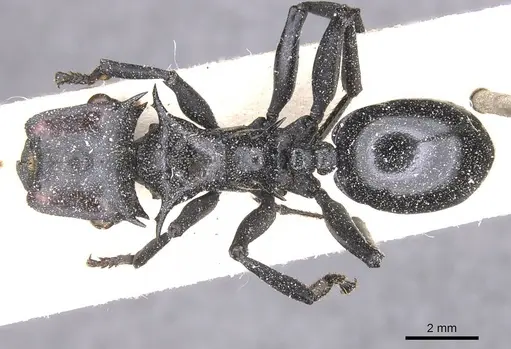
CASENT0912579
View on AntWeb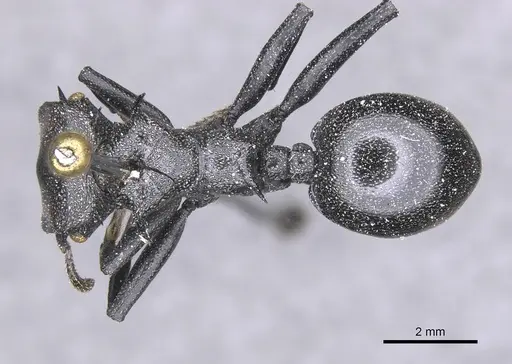
CASENT0912580
View on AntWeb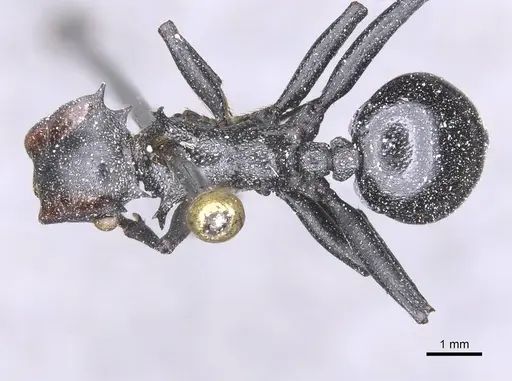
CASENT0912581
View on AntWeb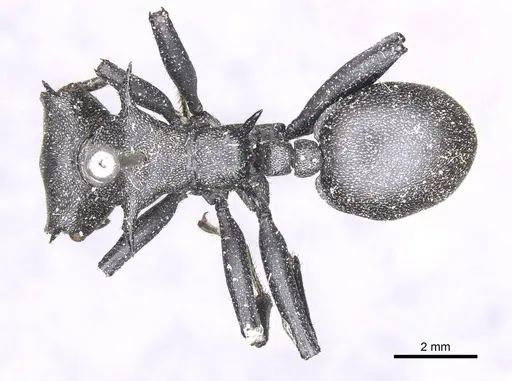
CASENT0912582
View on AntWeb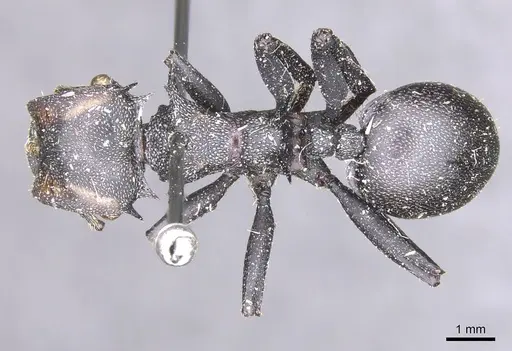
CASENT0912583
View on AntWeb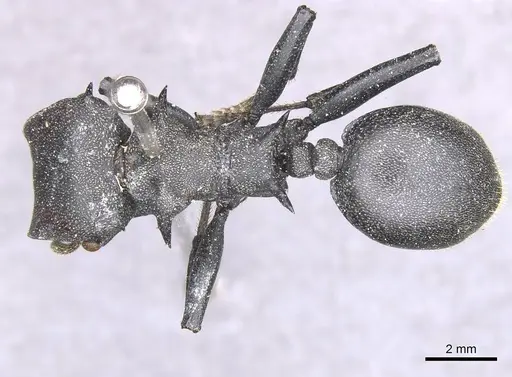
CASENT0914461
View on AntWeb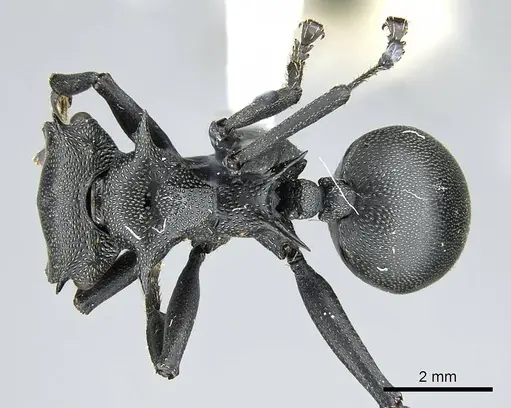
CASENT0914462
View on AntWeb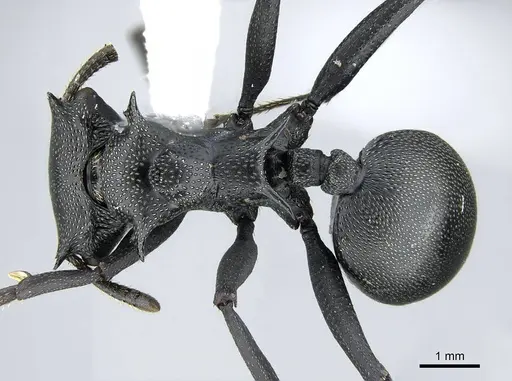
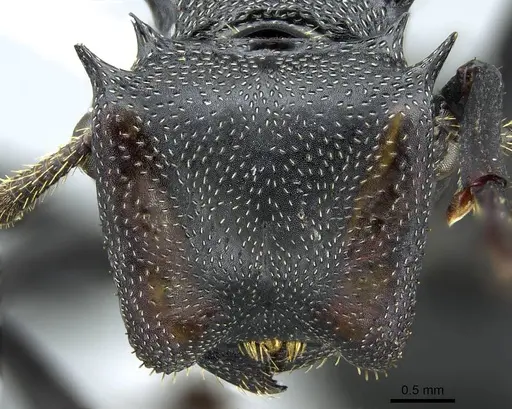
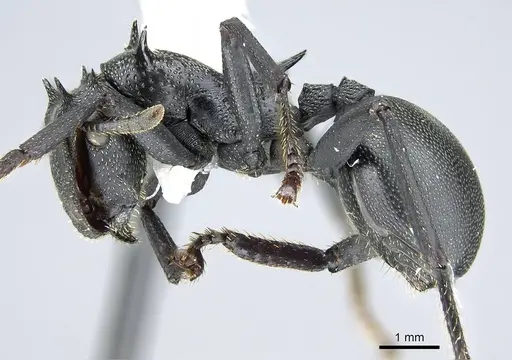
CBUMAGENT41883
View on AntWeb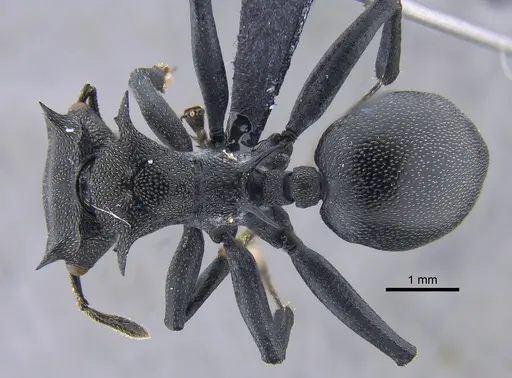
ECOFOG-SL13-1124-08
View on AntWeb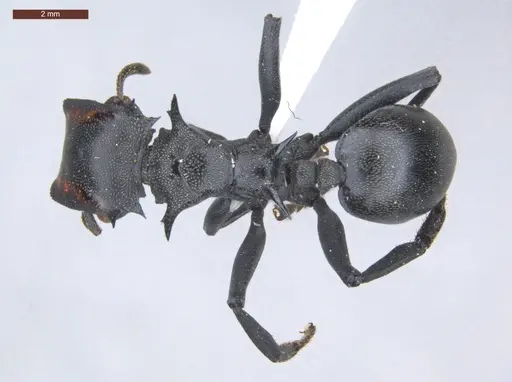
FMNHINS0000047364
View on AntWeb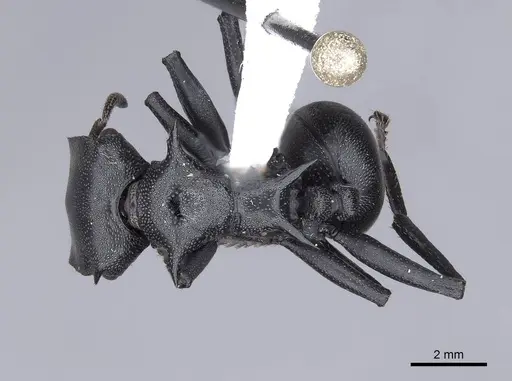
USNMENT01124203
View on AntWeb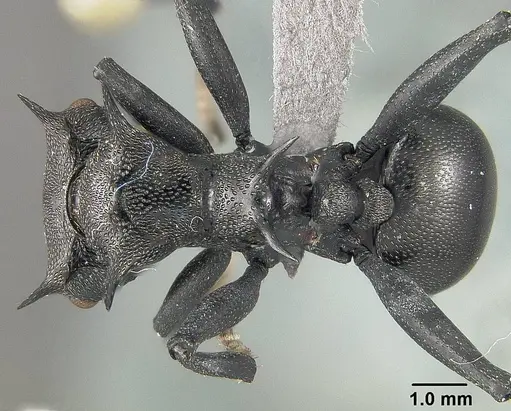
Literature
Loading...Loading products...