

Cephalotes angustus
- Scientific Name
- Cephalotes angustus
- Tribe
- Attini
- Subfamily
- Myrmicinae
- Author
- Mayr, 1862
- Distribution
- Found in 2 countries
Cephalotes angustus Overview
Cephalotes angustus is an ant species of the genus Cephalotes. It is primarily documented in 2 countries , including Brazil, Paraguay. Detailed taxonomic data and occurrence records can be further explored via authoritative databases such as AntWeb or the Global Biodiversity Information Facility (GBIF).
Cephalotes angustus
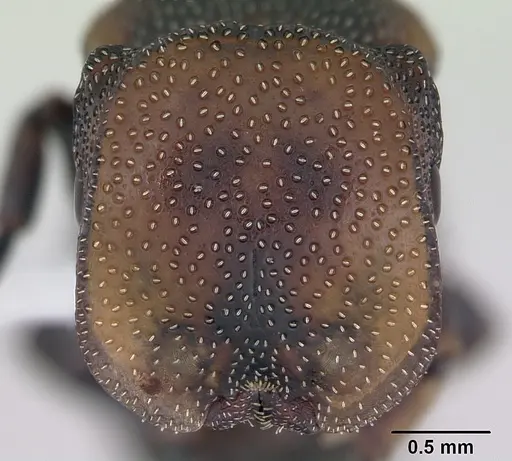
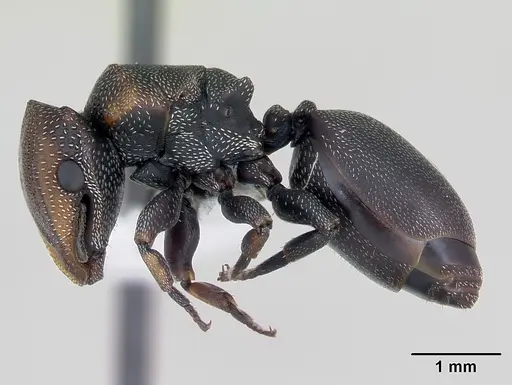
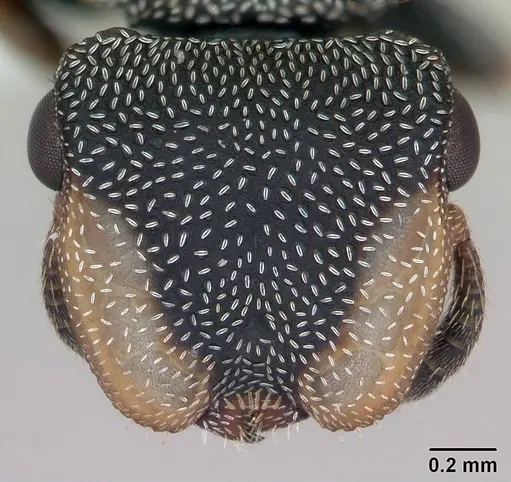
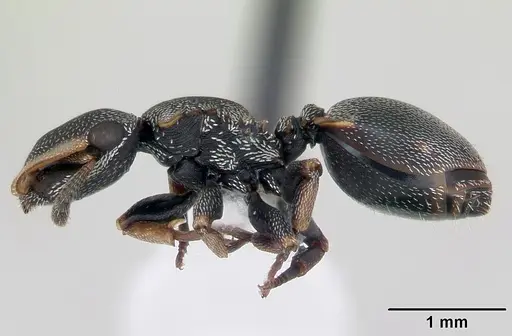
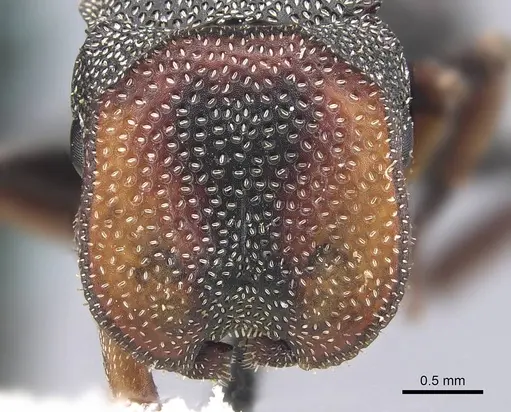
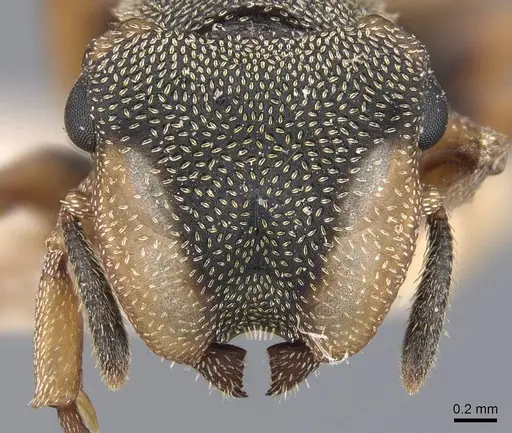
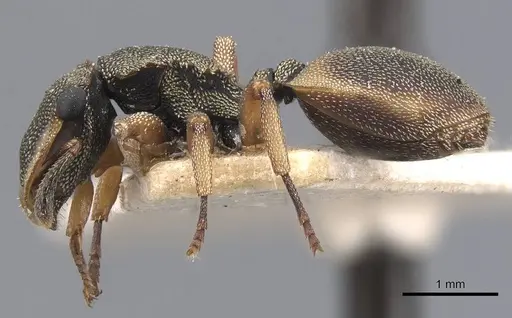
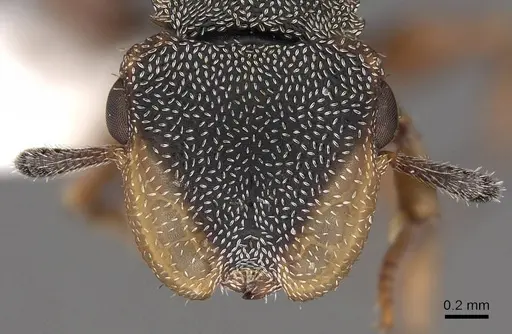
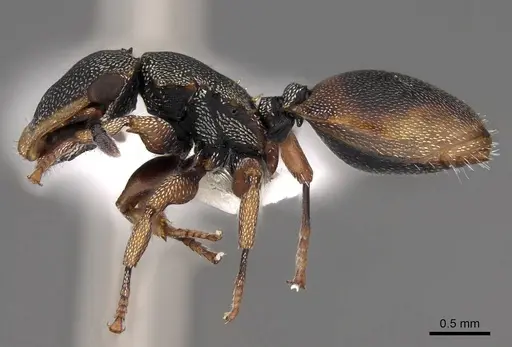
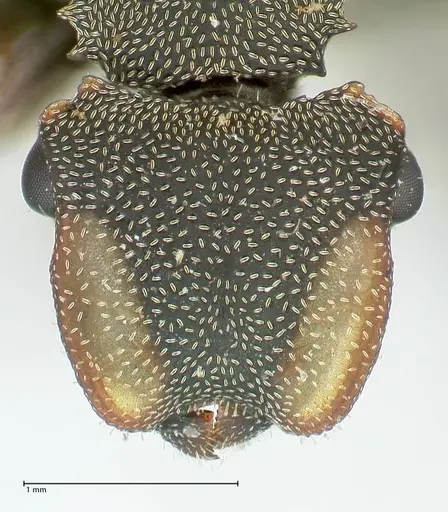
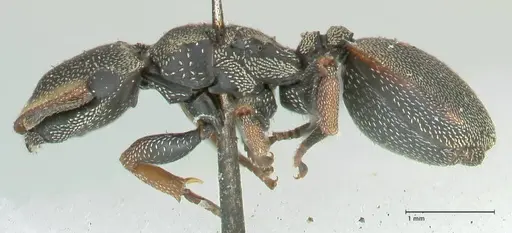
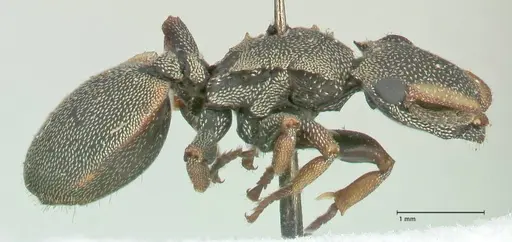
Cephalotes angustus is a Neotropical turtle ant species found across Brazil, Argentina, and French Guiana. Workers measure 4.0-6.2mm, soldiers are notably larger at 6.2-8.5mm, and queens can reach 9-11mm [1]. The species is the largest member of the angustus clade and displays the characteristic turtle ant morphology with a flattened, disc-like head and distinctive abdominal markings. This species is notable for having soldiers specially adapted to block nest entrances with their heads, a rare defensive specialization in the ant world [1].
Quick Summary
- Difficulty: Medium
- Origin & Habitat: Neotropical species found in Brazil, Argentina, and French Guiana. In Brazil, recorded in São Paulo, Bahia, Santa Catarina, and Rio de Janeiro states. Typical habitat includes seasonally dry tropical forest (Caatinga) and urban areas. Assigned to functional group Tropical Climate Specialists (TCS) [2].
- Colony Type: Colony structure is unconfirmed. No published data on whether they are single-queen (monogyne) or multi-queen (polygyne). A studied colony from Botucatu, São Paulo contained approximately 62 workers,61 soldiers, and 38 queens (gyne) [3].
- Size & Growth:
- Queen: 9.12-11.38mm [1]
- Worker: 6.2-8.5mm (soldier) [1]
- Colony: Estimated a few hundred workers based on related species, a studied colony had ~160+ workers plus soldiers and gynes [3]
- Growth: Slow, turtle ants are known for slow colony development
- Development: Unknown, no direct studies. Based on genus patterns for Cephalotes, estimate 8-12 weeks at optimal temperature. (Turtle ants typically develop slowly. No species-specific data available.)
- Antkeeping:
- Temperature: Keep warm, around 24-28°C. As a Neotropical species, they need temperatures in the mid-to-high 20s°C range. A thermal gradient allows them to regulate.
- Humidity: High humidity required, aim for 70-80% relative humidity. Turtle ants are forest-dwelling species that prefer humid conditions. Keep nest substrate moist but not waterlogged.
- Diapause: Unlikely, as a tropical species, they probably do not require hibernation. However, a slight cool period during winter months may be beneficial.
- Nesting: Arboreal nesting, in nature they nest in hollow twigs, branches, and dead wood. A naturalistic setup with wooden formicarium or acrylic nests with narrow chambers works well. The natural nest studied had around 10 different entrances, with the largest measuring 7x8mm [1].
- Behavior: Generally peaceful and non-aggressive. The most notable behavior is the soldier caste, these ants have specially shaped heads that can block nest entrances, acting as living doors to protect the colony [1]. They are herbivorous, with a marked preference for pollen in laboratory conditions [4]. Workers are slow-moving compared to many ants. Escape risk is moderate, they are not particularly small but can climb smooth surfaces. Use standard barrier methods.
- Common Issues: slow growth can frustrate beginners, colonies may take months to establish, humidity control is critical, too dry and brood will die, pollen is essential for their diet, they may refuse other foods, soldier production requires significant colony resources, don't expect soldiers early, wild-caught colonies may have parasites that are difficult to treat
Housing and Nest Setup
Cephalotes angustus is an arboreal species that naturally nests in hollow twigs, dead branches, and rotting wood. In captivity, they do well in wooden formicariums, acrylic nests, or test tube setups with added foraging areas. The key is providing narrow chambers that match their small size, they prefer tight, enclosed spaces. A naturalistic setup with pieces of bamboo or hollow twigs works well and mimics their natural environment. The natural nest studied had approximately 10 different entrances, with the largest at 7x8mm [1], so providing multiple small openings may encourage natural behavior. Use a water reservoir to maintain humidity, and ensure the nest material can hold moisture without becoming moldy.
Feeding and Diet
This species is herbivorous with a strong preference for pollen, as demonstrated in laboratory colonies [4]. Turtle ants (Cephalotes) have a specialized gut microbiome that allows them to digest pollen and obtain essential nutrients, this is a key part of their biology [5]. Offer pollen regularly (fresh or frozen), and supplement with a small amount of sugar water or honey. They may accept tiny amounts of fruit or nectar, but protein sources are generally not required for this species. Feed pollen at least twice weekly, and always have sugar water available. Avoid overfeeding, small amounts are sufficient.
Temperature and Humidity
As a Neotropical species from Brazil and Argentina, Cephalotes angustus requires warm conditions. Keep the nest area at 24-28°C, with a slight gradient if possible. Room temperature in the low-to-mid 20s°C is usually acceptable. Use a heating cable or mat on one side of the nest if your room runs cool. Humidity is equally important, maintain 70-80% relative humidity. The nest substrate should remain consistently moist but never waterlogged. Mist the foraging area occasionally, and use a water tube or reservoir to provide constant moisture. Poor humidity is one of the most common causes of colony failure with turtle ants.
The Soldier Caste: Living Door
One of the most fascinating aspects of Cephalotes angustus is the soldier caste. These ants have specially shaped, flattened heads that they use to block nest entrances, essentially acting as living doors [1]. This is a rare defensive adaptation in the ant world. When a threat approaches, soldiers position themselves at nest openings and use their heads to seal the entrance. In the wild colony studied, there were approximately 10 different natural entrances [1]. This means you may see soldiers stationed at various openings, and they may shift positions. Don't be alarmed if soldiers seem less active than workers, this is normal. Soldier production requires significant colony resources, so don't expect soldiers until the colony is well-established with 50+ workers.
Growth and Development
Turtle ants are slow-growing compared to many common ant species. Colony development takes time, and you should not expect rapid population increases. The first workers (nanitics) may take several months to emerge, and the colony will remain small for the first year or two. A studied colony contained approximately 62 workers,61 soldiers, and 38 gynes [3], suggesting that mature colonies can have significant soldier and queen populations. Be patient and resist the urge to overfeed, excessive food can lead to mold problems. Monitor colony health through worker activity levels rather than raw population counts.
Frequently Asked Questions
How long does it take for Cephalotes angustus to produce first workers?
Exact timing is unknown, but based on genus patterns, expect 8-12 weeks from egg to worker at optimal temperature (24-28°C). Turtle ants are slow-growing, so be patient, it may take several months before you see your first workers.
What do Cephalotes angustus eat?
They are herbivorous with a strong preference for pollen [4]. Offer pollen regularly (fresh, frozen, or gamma-irradiated), and provide sugar water or honey as an energy source. They may accept tiny amounts of fruit or nectar but do not need protein like many other ants.
Are Cephalotes angustus good for beginners?
They are considered medium difficulty. The main challenges are their slow growth, need for high humidity, and specific dietary requirements (pollen). They are not as forgiving as some common species, but with proper attention to humidity and diet, they can be kept successfully.
Do they need hibernation?
Unlikely, as a Neotropical tropical species, they probably do not require true hibernation. However, a slight reduction in temperature during winter months (down to around 20°C) may be beneficial and mimic seasonal changes.
How big do Cephalotes angustus colonies get?
Based on studied colonies, mature colonies can reach several hundred workers. A studied colony had approximately 62 workers,61 soldiers, and 38 queens [3]. They are not among the largest ant species but can form substantial colonies over time.
Can I keep multiple queens together?
This has not been documented for this species. The colony structure (monogyne vs polygyne) is unconfirmed. It is not recommended to combine unrelated queens as this behavior has not been studied.
What is the soldier's role?
Soldiers have specially shaped heads used to block nest entrances, acting as living doors [1]. This is a defensive adaptation, when threatened, soldiers position themselves at openings to seal the nest. You may see them stationed at different entrances, and they can switch positions.
Why are my ants not eating?
Turtle ants can be picky eaters. Make sure pollen is fresh, and try different forms (fresh, frozen, gamma-irradiated). If they refuse pollen, try a small drop of honey. Also check temperature and humidity, if conditions are too dry or cold, they will be inactive and not eat.
When should I move them to a formicarium?
Wait until the colony has at least 20-30 workers and is actively foraging. Test tube setups work well for founding colonies. Move to a larger nest (wooden formicarium or acrylic) when the test tube becomes crowded or the colony shows signs of needing more space.
References

This caresheet is licensed under CC BY-SA 4.0 .
CASENT0173660
View on AntWeb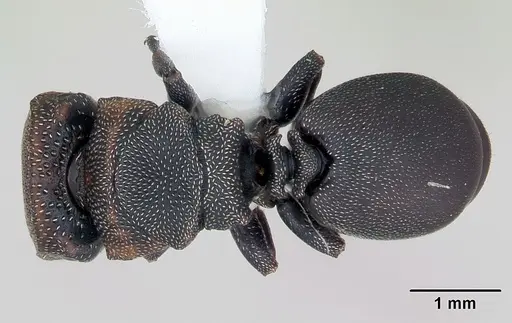
CASENT0173661
View on AntWeb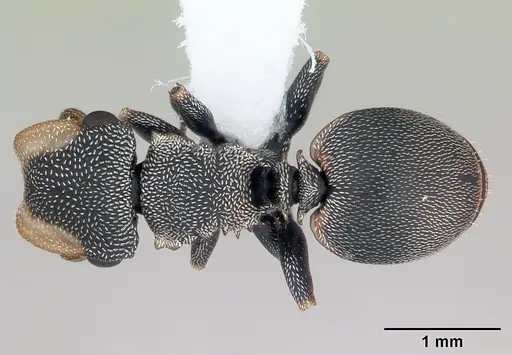
CASENT0909276
View on AntWeb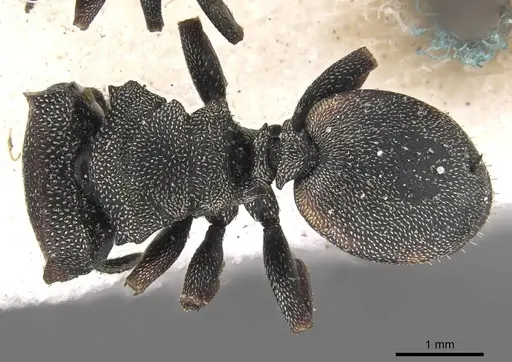
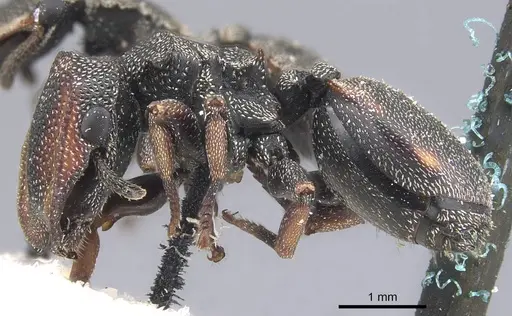
CASENT0909277
View on AntWeb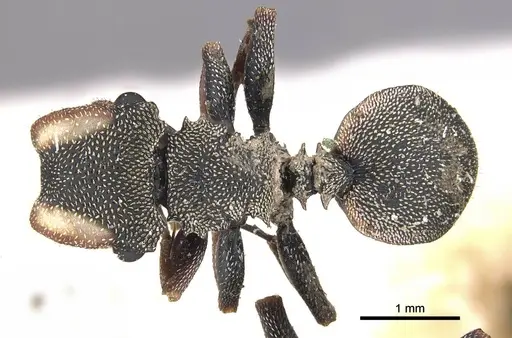
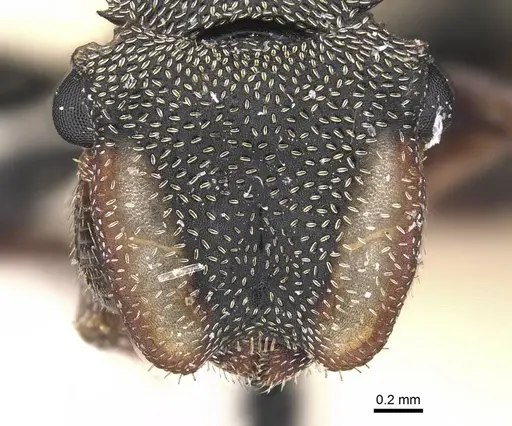
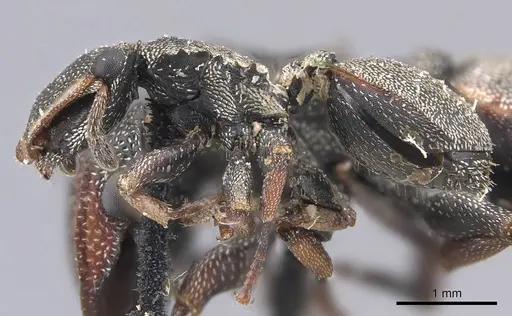
CASENT0909278
View on AntWeb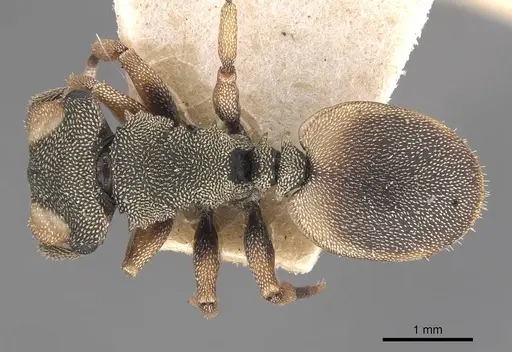
CASENT0922530
View on AntWeb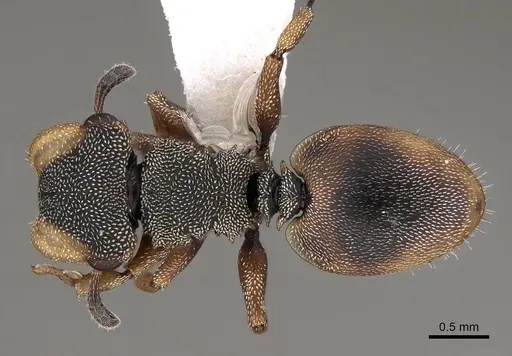
FOCOL2151
View on AntWeb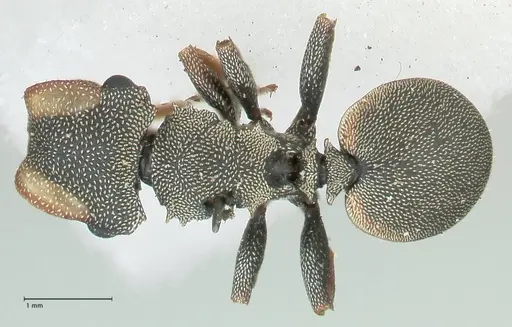
Literature
Loading...Loading products...