

Cephalotes alfaroi
- Scientific Name
- Cephalotes alfaroi
- Tribe
- Attini
- Subfamily
- Myrmicinae
- Author
- Emery, 1890
- Distribution
- Found in 2 countries
Cephalotes alfaroi Overview
Cephalotes alfaroi is an ant species of the genus Cephalotes. It is primarily documented in 2 countries , including Brazil, Costa Rica. Detailed taxonomic data and occurrence records can be further explored via authoritative databases such as AntWeb or the Global Biodiversity Information Facility (GBIF).
Cephalotes alfaroi
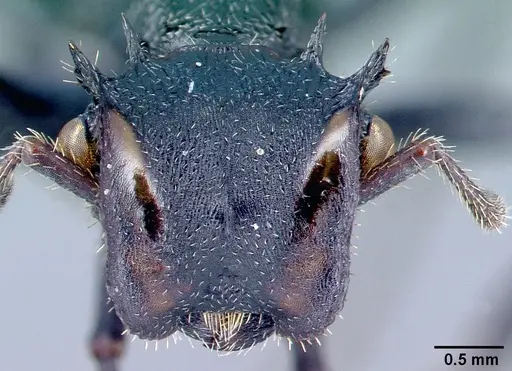
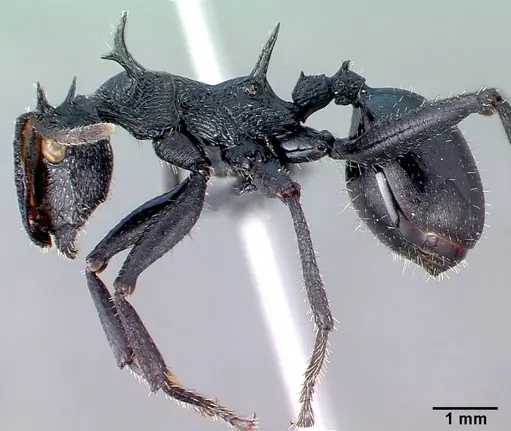
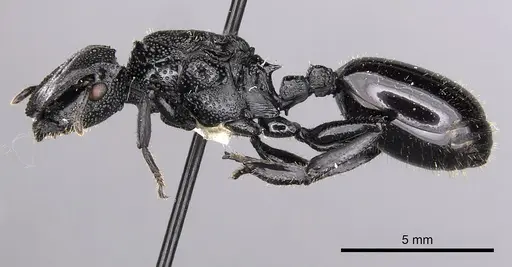
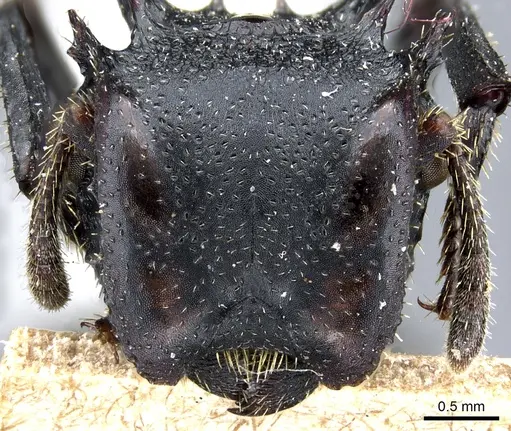
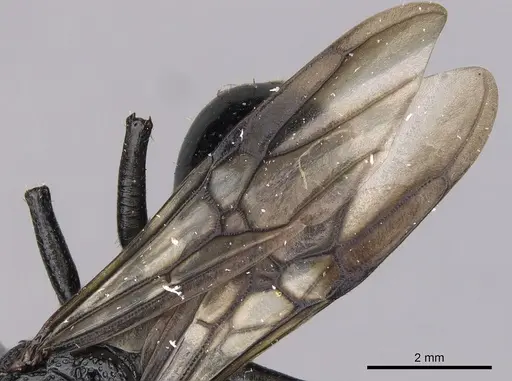
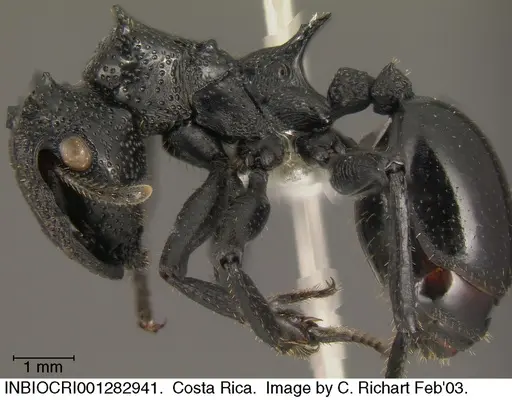
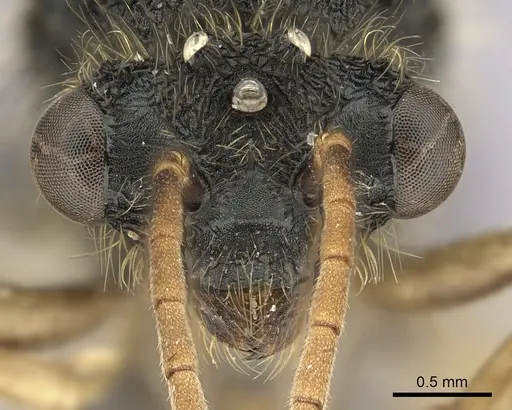
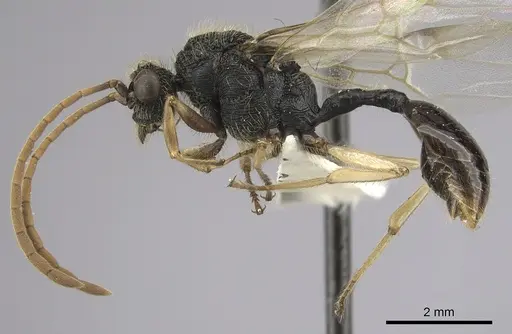
Cephalotes alfaroi is a medium-sized arboreal ant native to the moist tropical forests of Costa Rica and Panama. Workers measure 8.40-11.46 mm, while the larger soldiers reach 12.62-13.02 mm [1]. This species belongs to the atratus clade of turtle ants, characterized by their crenulate frontal carinae bearing clavate hairs and the longitudinally rugulose head and mesosoma [2]. Like other Cephalotes species, they have a somewhat flattened appearance and are adapted to life in trees and vegetation. These ants are arboreal, nesting in hollow twigs and branches in the forest canopy [3].
Quick Summary
- Difficulty: Medium
- Origin & Habitat: Moist tropical forests of Costa Rica and Panama [4][1]. This species is found in the Central American/North American distribution range [5] and is classified as an arboreal ant that lives in the forest canopy [3].
- Colony Type: Colony structure is unconfirmed. Based on related Cephalotes species, likely single-queen (monogyne) colonies, though this has not been directly documented for this specific species.
- Size & Growth:
- Queen: Soldiers (major workers) are 12.62-13.02 mm [2]. Queen size specifically is not documented but soldiers represent the largest caste.
- Worker: Workers are 8.40-11.46 mm [1].
- Colony: Colony size is unknown for this species. Related Cephalotes species typically form colonies of several hundred workers.
- Growth: Moderate, based on typical Cephalotes development patterns.
- Development: 6-10 weeks (estimated based on related Cephalotes species and tropical ant development patterns) (Development time is estimated from genus-level data since specific studies are lacking for this species. Tropical species typically develop faster than temperate ones.)
- Antkeeping:
- Temperature: Keep at 24-28°C. These are tropical arboreal ants that prefer warm, stable conditions. A gentle temperature gradient allows the colony to regulate.
- Humidity: Moderate to high humidity (60-80%). As arboreal ants from moist tropical forests, they benefit from humidity but not saturation. Provide a water tube for drinking access.
- Diapause: No, being a tropical species, they do not require hibernation. Maintain consistent temperatures year-round.
- Nesting: Arboreal nesting preferences, they naturally nest in hollow twigs and branches. In captivity, they do well in Y-tong (AAC) nests, plaster nests with narrow chambers, or naturalistic setups with twigs/branches. Avoid fully enclosed test tube setups as they prefer more open arboreal-style spaces.
- Behavior: Turtle ants are generally docile and not aggressive. They are arboreal foragers, likely collecting honeydew from aphids and tending scale insects in the canopy. Workers are moderate in size, escape prevention is recommended but not critical as they are not tiny. They do not have a painful sting. These ants are more active in the canopy layer and may be less active on the ground compared to ground-nesting species.
- Common Issues: tropical humidity requirements mean mold can be a problem if ventilation is poor, arboreal nature means they may not adapt well to ground-level test tube setups, limited availability in the antkeeping hobby makes this species difficult to acquire, colony growth may be slow, patience is required during founding phase, wild-caught colonies may carry parasites that affect captive survival
Housing and Nest Preferences
Cephalotes alfaroi is an arboreal species, meaning they naturally nest in elevated locations like hollow twigs, branches, and tree cavities in the forest canopy [3]. In captivity, Y-tong (AAC) nests work well because they provide the narrow, enclosed chambers that turtle ants prefer. Plaster nests with appropriately sized chambers are another good option. Avoid large, open spaces, these ants do better in more confined setups that mimic their natural tree-nesting habits. A naturalistic setup with actual twigs or branches can also work well for established colonies. Since they are arboreal, ensure the outworld area allows them to forage at various heights rather than just on the ground.
Feeding and Diet
Like other Cephalotes and Attini tribe members, these ants likely feed on honeydew, nectar, and small insects. In captivity, offer sugar water or honey as a constant energy source. For protein, provide small insects like fruit flies, small crickets, or mealworms. Turtle ants are not aggressive hunters, so prey should be small and easy to handle. Some Cephalotes species also accept plant matter, so occasional offerings of seeds or fruit may be accepted. Feed protein sources 2-3 times per week and keep sugar water available at all times.
Temperature and Humidity
As a tropical species from Costa Rica and Panama, Cephalotes alfaroi requires warm conditions. Keep temperatures in the range of 24-28°C. A slight temperature gradient is beneficial so the colony can self-regulate. Place a heating cable on one side of the nest if room temperature is below this range. Humidity should be moderate to high (60-80%). These ants come from moist tropical forests, so they appreciate some humidity but avoid waterlogging the nest. A water tube connected to the nest provides drinking access, which is important for arboreal species. Since they do not undergo diapause, maintain consistent conditions year-round. [4][5]
Behavior and Colony Structure
Cephalotes alfaroi is a docile species that does not display aggressive behavior toward keepers. They are arboreal foragers, spending much of their time in the canopy searching for honeydew and small prey. The soldier caste (larger workers with modified heads) serves as colony defenders and may help with resource processing. Colonies likely have a single queen (monogyne), though this has not been specifically documented for this species. Workers are moderate-sized (8-11 mm), so escape prevention is recommended but not as critical as for tiny species. They do not possess a painful sting, making them safe to handle. Growth rate is moderate, founding colonies may take several months to establish their first workers. [1][2]
Acquisition and Legal Considerations
Cephalotes alfaroi has a limited natural range (Costa Rica and Panama) and is not commonly available in the antkeeping hobby. If acquiring this species, ensure they come from a reputable breeder who works with Central American species. Always verify that the species is legal to keep in your country or region. Never release this species or any ant colony into the wild outside their natural range, they could become invasive or disrupt local ecosystems. This is especially important for species with limited distributions like C. alfaroi. [4][1]
Frequently Asked Questions
How long does it take for Cephalotes alfaroi to have first workers?
The exact timeline is unconfirmed for this species, but based on related Cephalotes and typical tropical ant development, expect 6-10 weeks from egg to first worker at optimal temperature (24-28°C). Founding colonies require patience.
What do Cephalotes alfaroi ants eat?
They likely accept sugar sources (honey water, sugar water) and small protein prey like fruit flies, small crickets, or mealworms. This matches the diet of related Cephalotes species and other Attini tribe members.
Are Cephalotes alfaroi good for beginners?
This species is rated as Medium difficulty. While not aggressive, they have specific arboreal nesting requirements and need tropical conditions. They may be harder to find in the hobby than more common species.
What temperature do Cephalotes alfaroi need?
Keep them at 24-28°C. These are tropical ants from Costa Rica and Panama that need warm, stable conditions year-round.
Do Cephalotes alfaroi need hibernation?
No. As a tropical species, they do not require diapause or hibernation. Maintain consistent warm temperatures throughout the year.
What size nest do Cephalotes alfaroi need?
Y-tong (AAC) nests or plaster nests with appropriately sized chambers work well. These are arboreal ants that prefer more enclosed, twig-like spaces rather than large open areas.
How big do Cephalotes alfaroi colonies get?
Colony size is not specifically documented, but related Cephalotes species typically reach several hundred workers. Growth is moderate.
Can I keep multiple Cephalotes alfaroi queens together?
The colony structure is unconfirmed for this specific species. Based on related Cephalotes patterns, they likely form single-queen colonies. Combining unrelated queens is not recommended without evidence they accept colony fusion.
Where does Cephalotes alfaroi live in the wild?
They are native to the moist tropical forests of Costa Rica and Panama, where they live as arboreal ants in the forest canopy [4][1].
References

This caresheet is licensed under CC BY-SA 4.0 .
CASENT0040145
View on AntWeb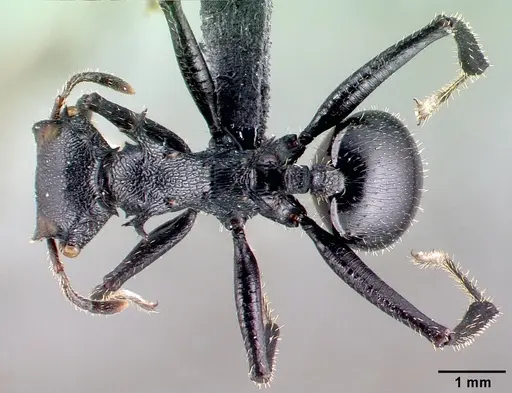
CASENT0040147
View on AntWeb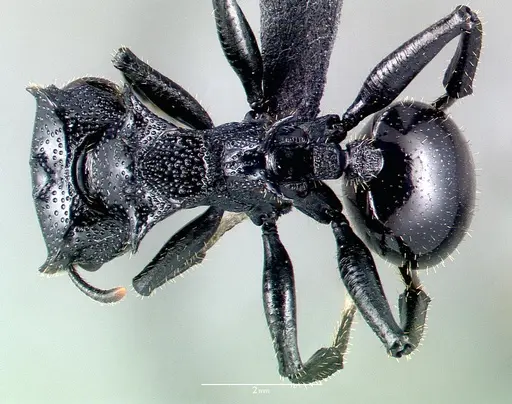
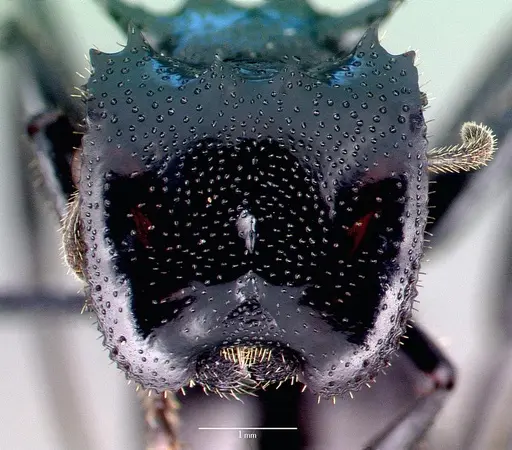
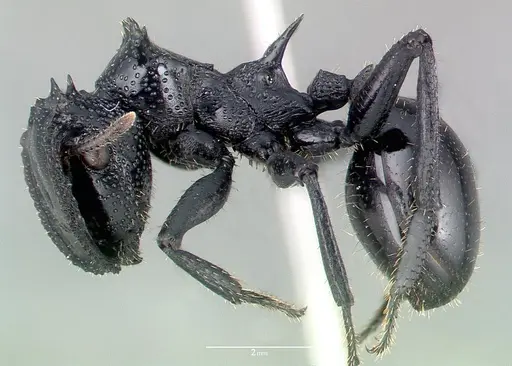
CASENT0627927
View on AntWeb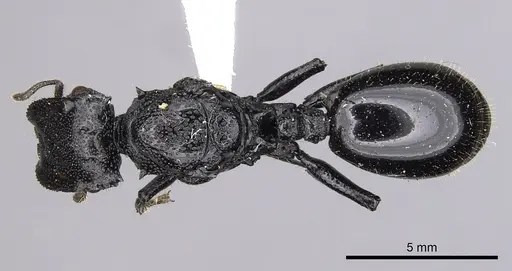
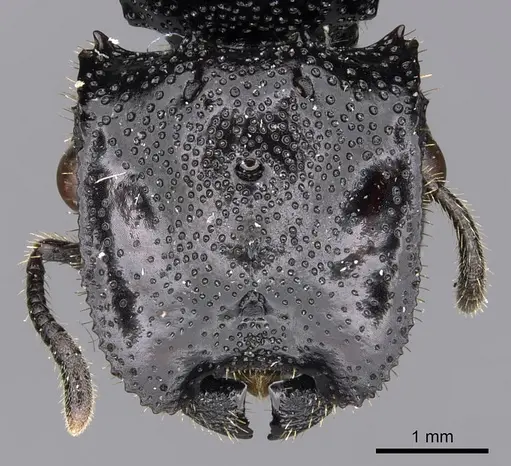
CASENT0904899
View on AntWeb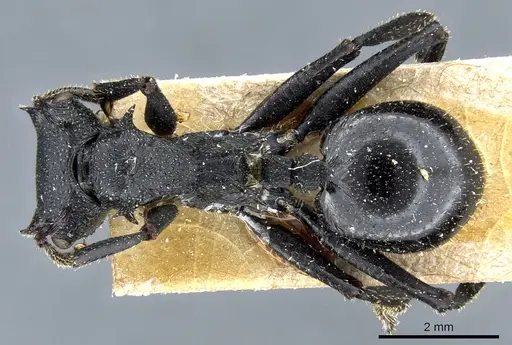
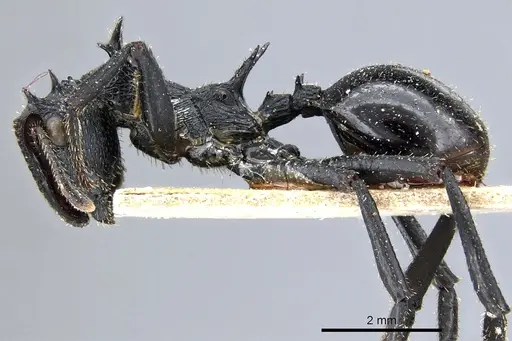
INBIOCRI001238137
View on AntWeb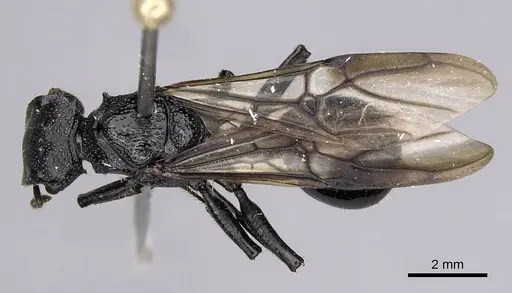
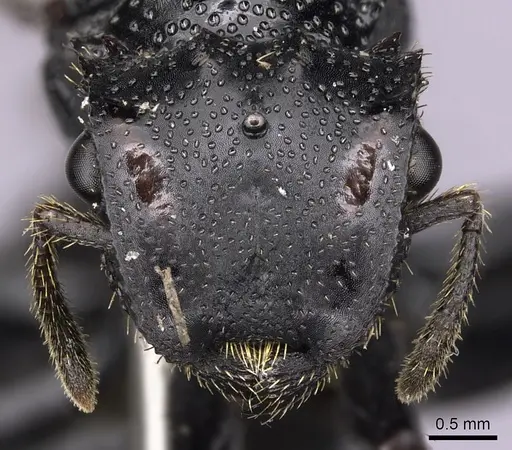
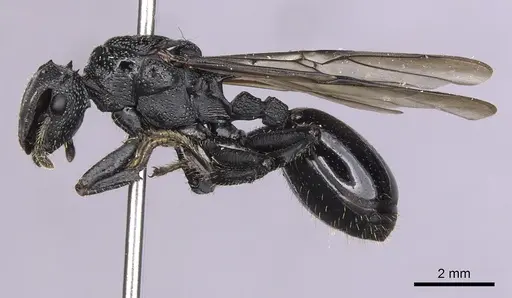
INBIOCRI001282941
View on AntWeb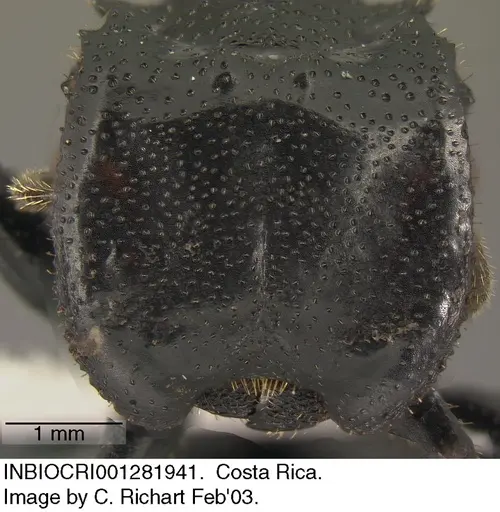
INBIOCRI002281566
View on AntWeb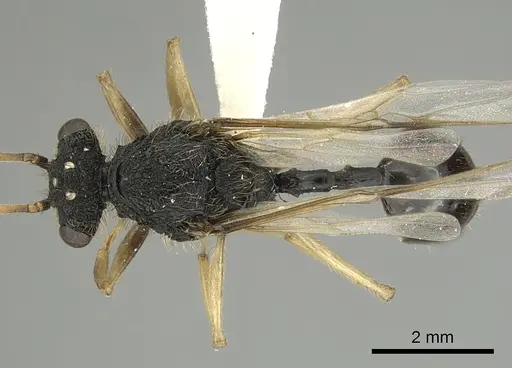
Literature
Loading...Loading products...