

Centromyrmex gigas
- Scientific Name
- Centromyrmex gigas
- Tribe
- Ponerini
- Subfamily
- Ponerinae
- Author
- Forel, 1911
- Distribution
- Found in 2 countries
Centromyrmex gigas Overview
Centromyrmex gigas is an ant species of the genus Centromyrmex. It is primarily documented in 2 countries , including Brazil, French Guiana. Detailed taxonomic data and occurrence records can be further explored via authoritative databases such as AntWeb or the Global Biodiversity Information Facility (GBIF).
Centromyrmex gigas
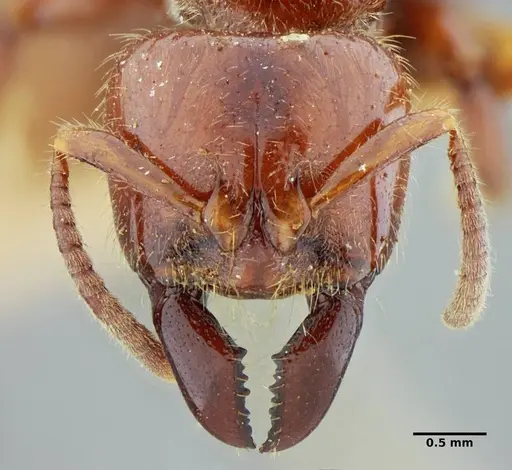
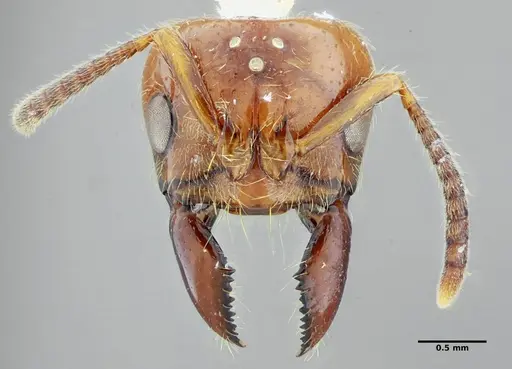
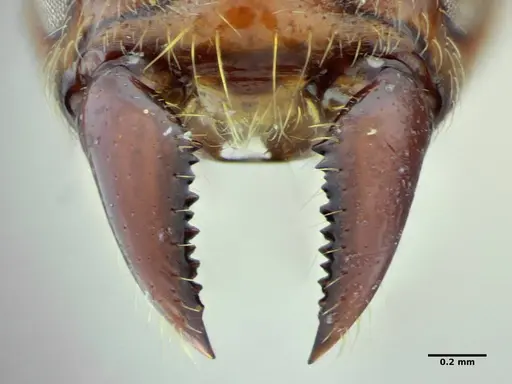
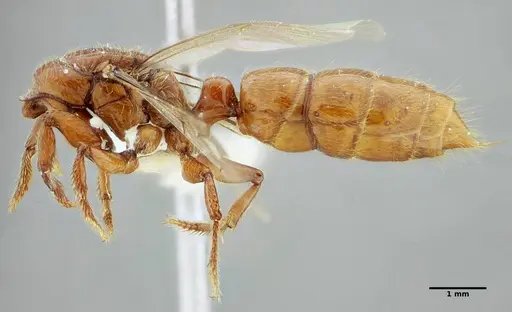
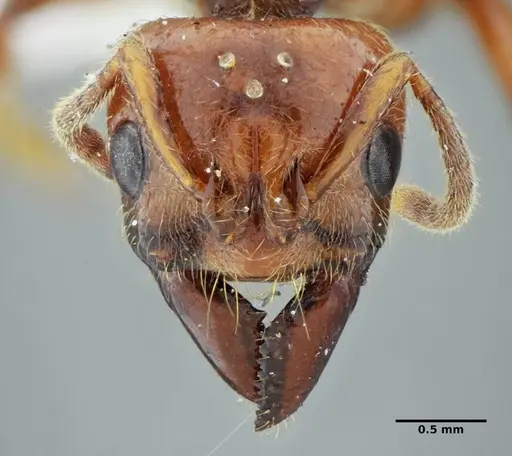
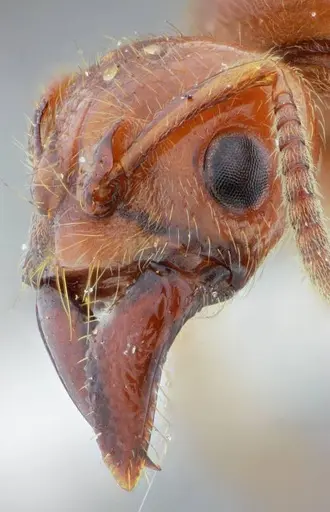
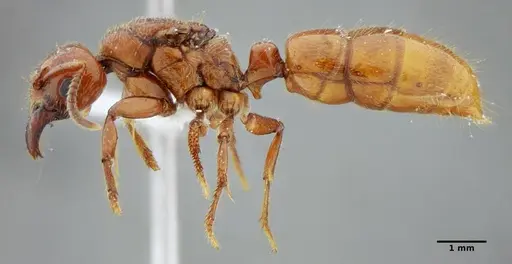
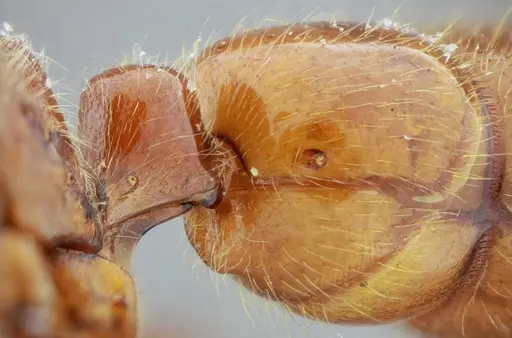
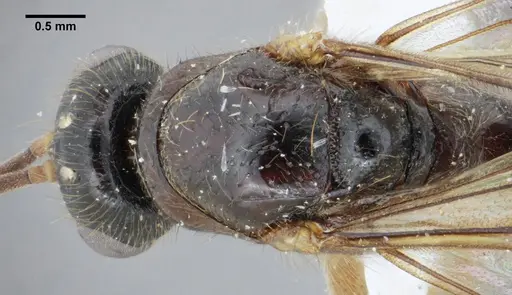
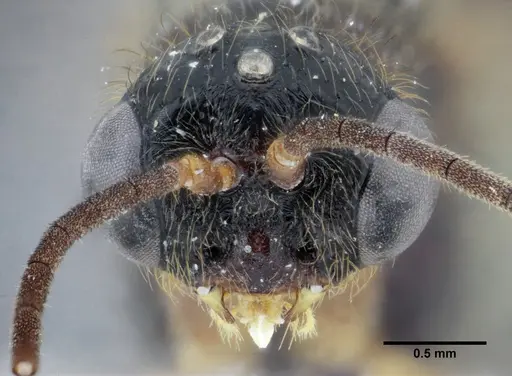
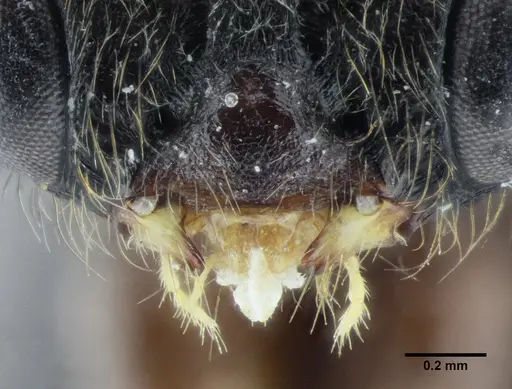
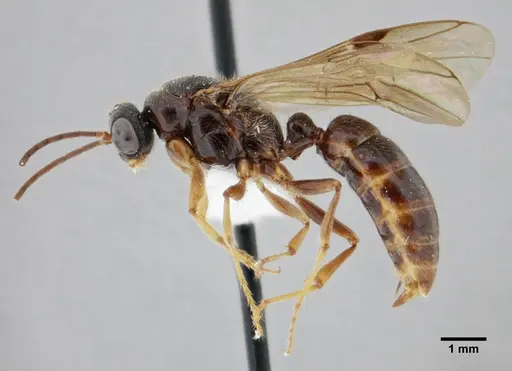
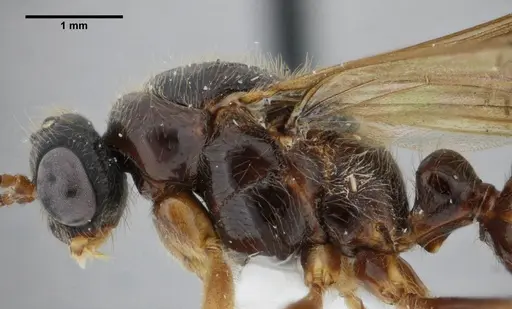
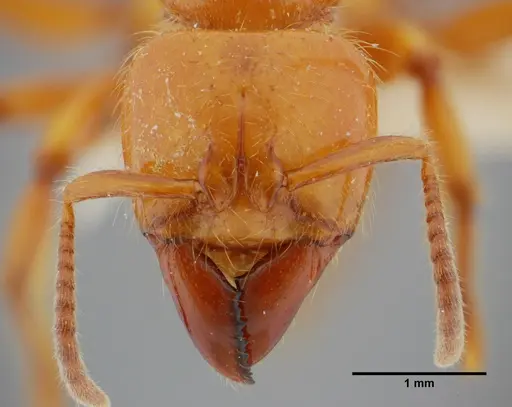
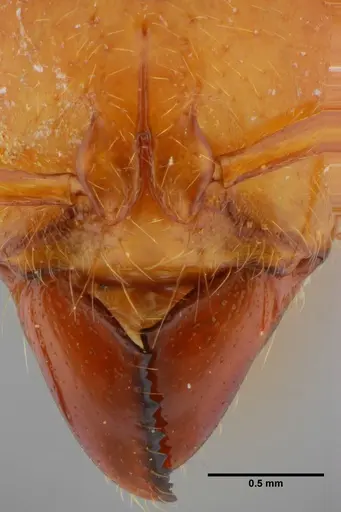
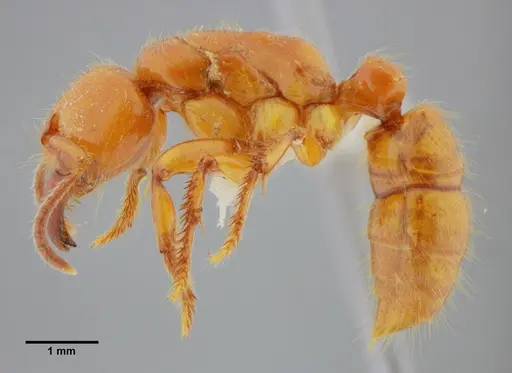
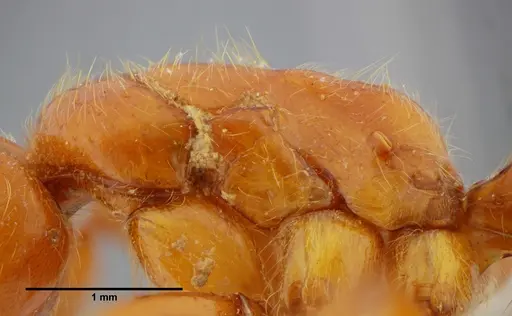
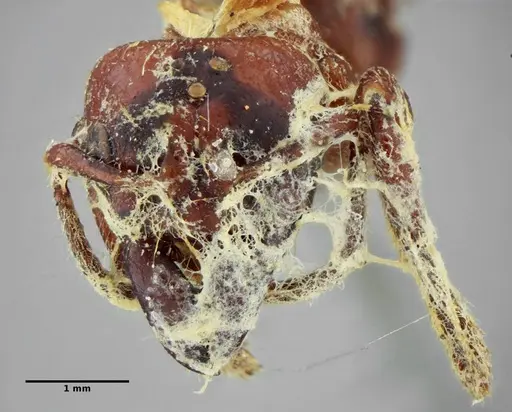
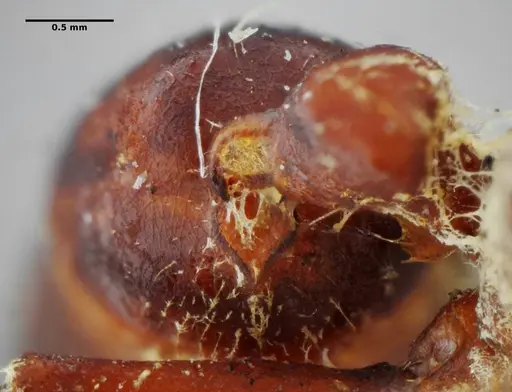
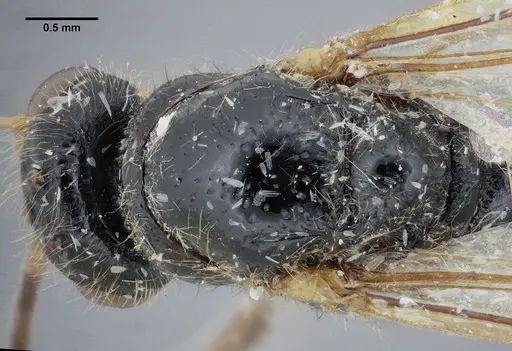
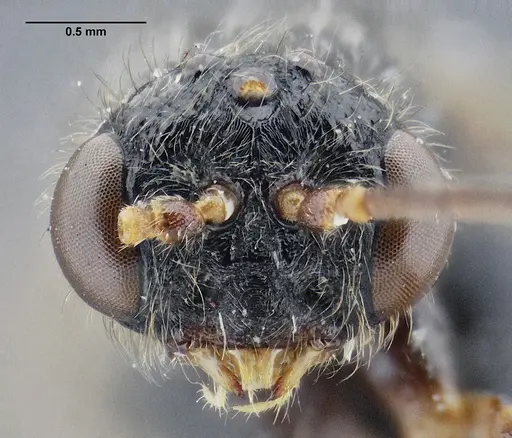
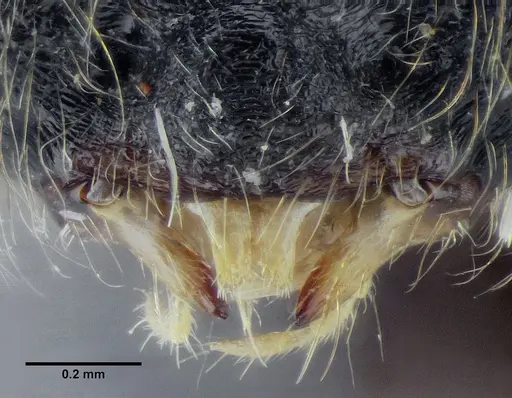
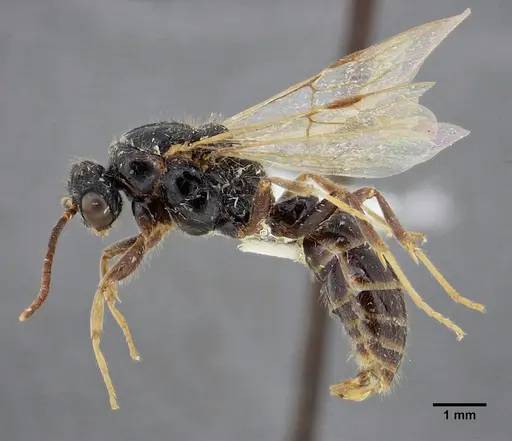
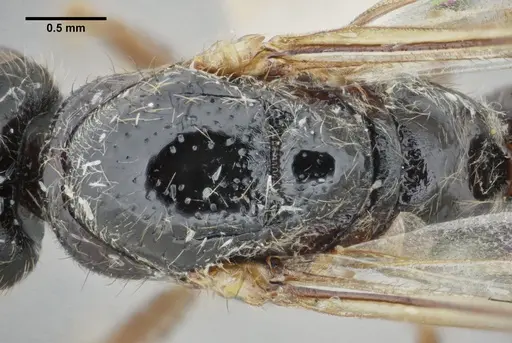
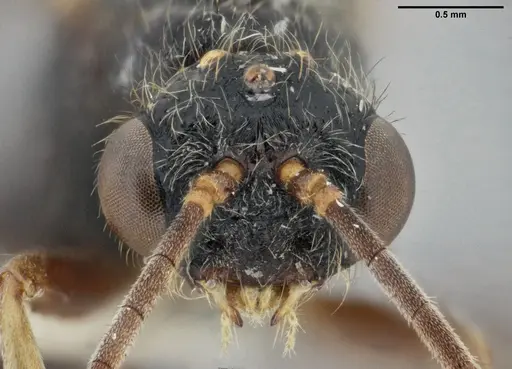
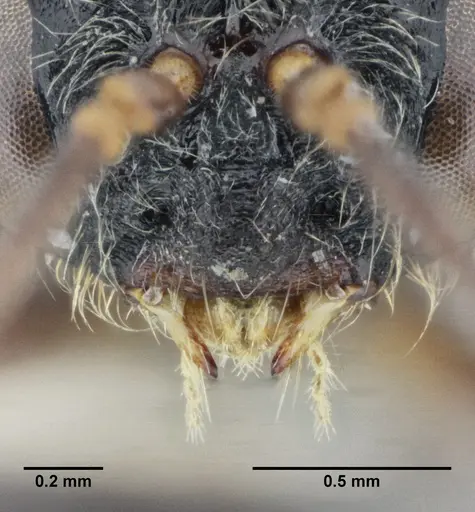
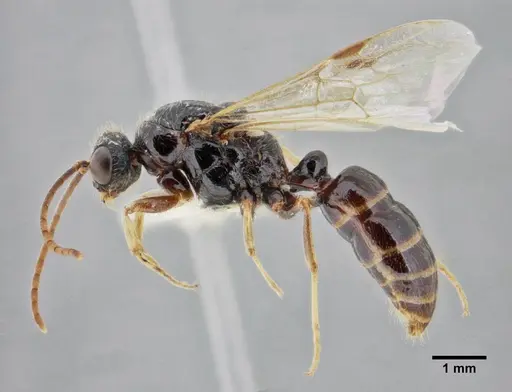
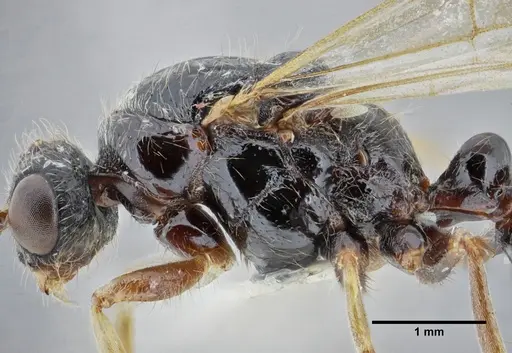
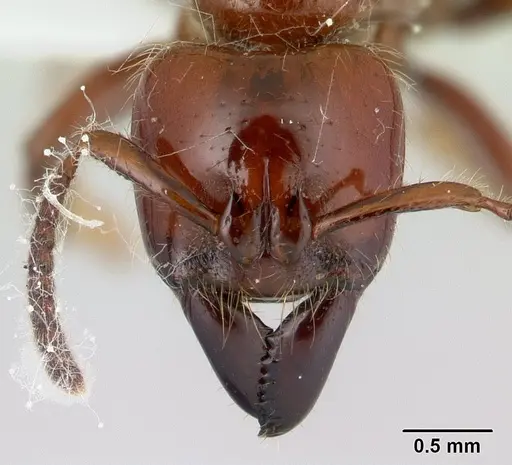
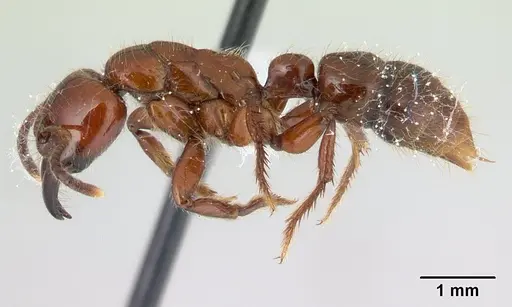
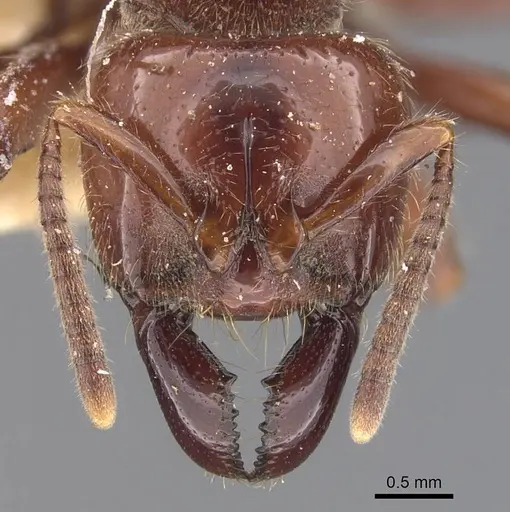
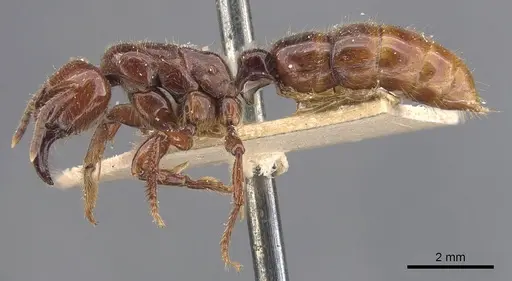
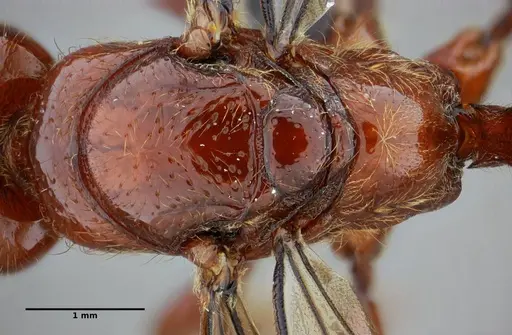
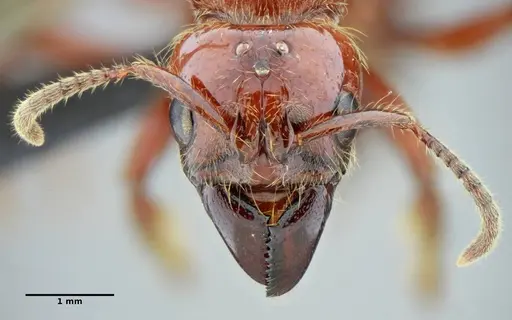
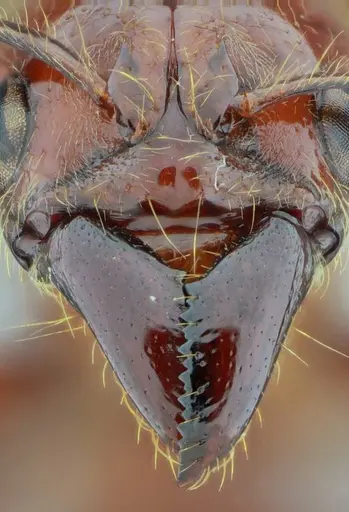
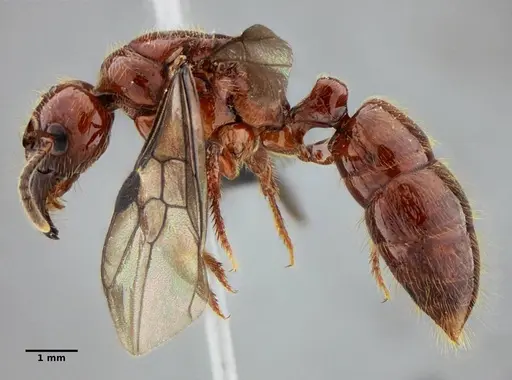
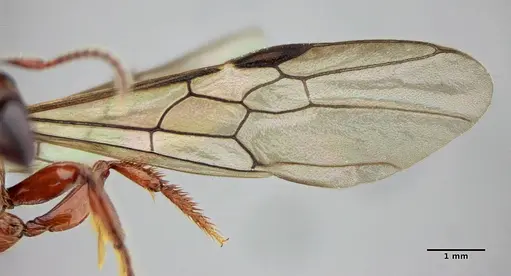
Centromyrmex gigas is a large ponerine ant native to the Neotropical region of South America, found in southeastern Brazil, Argentina, Colombia, and French Guiana [1]. Workers reach about 12mm in total length, making them the largest species in the genus [1]. They have distinctive reddish-brown to dark brown coloration, broad heads with well-toothed mandibles, and a unique petiole shape with a rounded subpetiolar process [2]. These ants are specialized termite predators, living and hunting within termite nests [3]. This specialized lifestyle makes them fascinating but challenging to keep, as their entire colony structure revolves around their termite hosts.
Quick Summary
- Difficulty: Expert
- Origin & Habitat: Southeastern Brazil, Argentina, Colombia, and French Guiana, tropical and subtropical forests [1]. They nest exclusively inside termite mounds, particularly those of Syntermes species [3].
- Colony Type: Colonies are very small, typically consisting of only a few dozen workers at most. Found in termite nests with just 3 individuals reported in some colonies. Likely single-queen colonies based on small colony sizes.
- Colony: Monogyne
- Size & Growth:
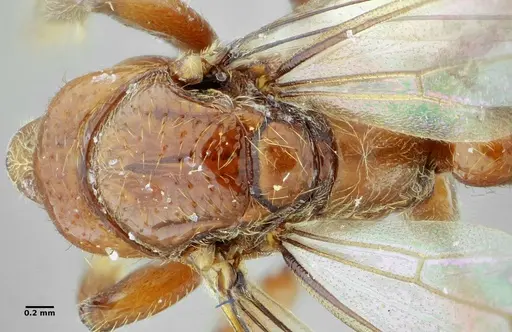
- Queen: 1.86-2.00mm head length,3.47-4.00mm thorax length
- Worker: 12mm total length, mesosoma 2.93-3.20mm
- Colony: Very small, only a few dozen workers maximum based on field observations of just 3 individuals in some nests
- Growth: Slow, unknown directly, but small colony size suggests slow development
- Development: Unknown, no direct studies on development timeline. Related Ponerinae species suggest 2-4 months at warm temperatures. (No specific data available for this species. Development likely slow given small colony sizes and specialized lifestyle.)
- Antkeeping:
- Temperature: Keep warm at 24-28°C, these are tropical ants from Brazil and Argentina [4]. A heating cable on one side of the nest creates a suitable gradient.
- Humidity: High humidity required, they live inside termite mounds which maintain stable humid conditions. Keep nest substrate consistently moist but not waterlogged.
- Diapause: Likely no true diapause, they come from tropical/subtropical regions with year-round warm temperatures. However, they may reduce activity during cooler periods.
- Nesting: Must have access to termite colony or termite brood. In captivity, this means either a naturalistic setup with a termite nest section or careful feeding of live termites. Y-tong or plaster nests work well if paired with a feeding chamber containing termites.
- Behavior: These ants are specialized termite predators and obligate termitophiles, they cannot survive without termites [3]. They are cryptic and rarely seen outside their host nests. Workers are not aggressive toward humans but will defend their colony vigorously. They have functional stings but are too small to cause significant discomfort. Escape risk is moderate, they are large enough to be contained with standard barriers but will escape if given the opportunity to reach a termite food source.
- Common Issues: obtaining a reliable food source, live termites are essential and difficult to maintain, colonies remain very small, making them vulnerable to stress, very rare in the antkeeping hobby, wild-caught colonies may have parasites, specialized diet means they cannot be fed standard ant foods, humidity must be carefully maintained or colonies fail
Housing and Nest Setup
Centromyrmex gigas requires specialized housing that accommodates their obligate relationship with termites. The best approach is a naturalistic setup that includes a section where you can maintain a termite colony (such as Reticulitermes or Cryptotermes species) that serves as both food source and optional nesting substrate. Alternatively, you can keep the ants in a standard formicarium (Y-tong or plaster work well) and offer live termites in a separate feeding chamber. The nest area should be kept dark, these are cryptic ants that avoid light. Maintain high humidity (70-85%) by keeping the substrate moist. Use a water reservoir or regular misting to achieve this. Temperature should be kept at 24-28°C using a heating cable if your room temperature is lower. [3][4]
Feeding and Diet
This is the most critical aspect of keeping Centromyrmex gigas, they are extreme specialists that feed almost exclusively on termites [3]. In the wild, they have been documented hunting Syntermes wheeleri, Syntermes sp., Velocitermes heteropterus, and Cornitermes cumulans [5]. In captivity, you must provide a steady supply of live termites. Other protein sources are unlikely to be accepted, this species has evolved specifically to hunt and subdue termite prey. Do not attempt to feed them standard ant foods like mealworms, fruit flies, or honey water, they will likely ignore these. The hunting behavior is fascinating to watch: workers use their mandibles to capture and immobilize termite workers and soldiers.
Temperature and Seasonal Care
As a Neotropical species from Brazil and Argentina, Centromyrmex gigas requires warm temperatures year-round. Keep the nest at 24-28°C (75-82°F) for optimal activity and potential reproduction. A heating cable placed on one side of the nest creates a thermal gradient that allows the ants to regulate their temperature. They do not require hibernation or diapause, their native habitat maintains relatively stable temperatures throughout the year. However, activity may slow during cooler periods, so monitor your colony's behavior and adjust heating accordingly. High humidity is equally important, aim for 70-85% relative humidity inside the nest. [4]
Colony Structure and Growth
Centromyrmex gigas colonies are remarkably small compared to most ants. Field observations have documented colonies with as few as three individuals, including what appears to be an incipient colony. Alate (winged) sexual offspring have been found in nests in October, suggesting this is the nuptial flight period. Maximum colony size appears to be only a few dozen workers, likely under 50 based on all available field data. This slow growth and small colony size makes them particularly sensitive to disturbance. Queens are similar in size to workers but have wings and slightly larger thorax measurements (3.47-4.00mm).
Behavior and Temperament
These ants are cryptic and spend most of their time inside their host termite nest or hunting area. They are not aggressive toward keepers and have functional stings that are too small to cause meaningful pain to humans. Workers are active hunters when termites are present, using their well-developed mandibles to capture prey. The species is assigned to the 'cryptic' functional group in ecological studies, meaning they are rarely observed and prefer hidden microhabitats [6]. They are obligate termitophiles, they cannot survive independently of termite colonies. This makes them one of the most specialized ants in the Ponerinae subfamily.
Frequently Asked Questions
Can I keep Centromyrmex gigas in a test tube?
A test tube setup is not ideal for this species. They require access to live termites, which is difficult to provide in a simple test tube. Use a naturalistic setup with a termite colony section or a formicarium with a separate feeding chamber for termites.
What do Centromyrmex gigas eat?
They are extreme specialists that eat almost exclusively termites. In captivity, you must provide a steady supply of live termites from species like Reticulitermes or Cryptotermes. Standard ant foods will not be accepted.
How long does it take for Centromyrmex gigas to produce first workers?
The exact timeline is unknown for this species. Based on related Ponerinae, expect 2-4 months from founding to first workers at warm temperatures (26-28°C). Growth is slow and colonies remain very small.
Are Centromyrmex gigas good for beginners?
No, this is an expert-level species due to their extreme dietary specialization. They require a constant supply of live termites, which is difficult to maintain. They are also very rare in the hobby.
How big do Centromyrmex gigas colonies get?
Colonies remain very small, likely only a few dozen workers maximum. Field observations have found colonies with just 3 individuals. This is one of the smallest colony sizes known in ants.
Can I keep multiple Centromyrmex gigas queens together?
This is not recommended and has not been documented. Based on small colony sizes observed in the wild, they likely form single-queen colonies. Combining unrelated queens would likely result in aggression.
Do Centromyrmex gigas need hibernation?
No, they come from tropical and subtropical regions and do not require hibernation. Keep them warm year-round at 24-28°C.
Where can I get termites to feed Centromyrmex gigas?
Termites can be collected from decaying wood in your area (check local regulations), purchased from some pet suppliers, or cultured at home. Reticulitermes and Cryptotermes species are commonly used. Establishing a termite culture is essential for long-term success.
Why are my Centromyrmex gigas dying?
The most likely causes are: lack of live termites (their essential food), incorrect humidity (too dry), or temperature issues (too cold). These ants are extremely specialized and will not survive on standard ant foods. Ensure you have a reliable termite source before acquiring this species.
References

This caresheet is licensed under CC BY-SA 4.0 .
ANTWEB1032014
View on AntWeb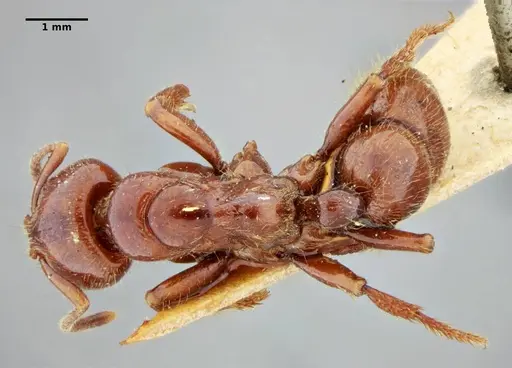
ANTWEB1032021
View on AntWeb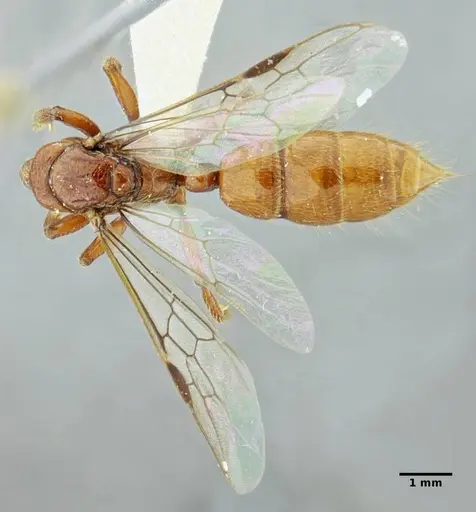
ANTWEB1032025
View on AntWeb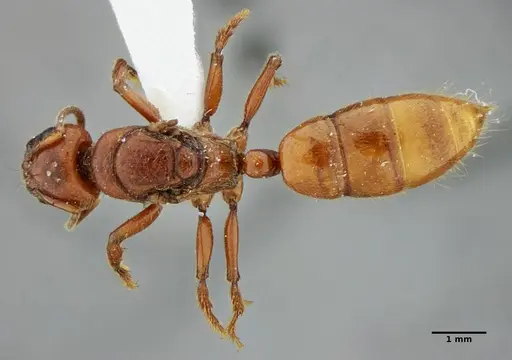
ANTWEB1032044
View on AntWeb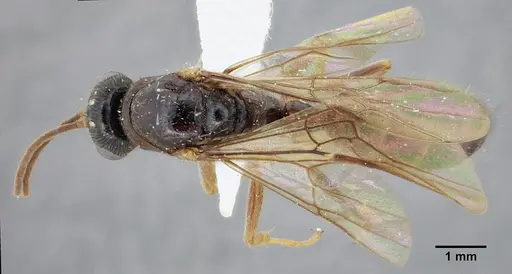
ANTWEB1032070
View on AntWeb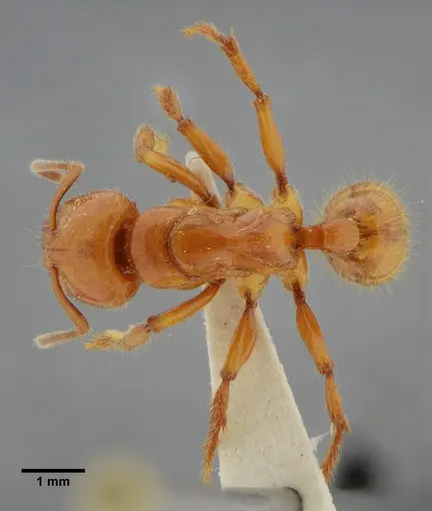
ANTWEB1032083
View on AntWeb
ANTWEB1032463
View on AntWeb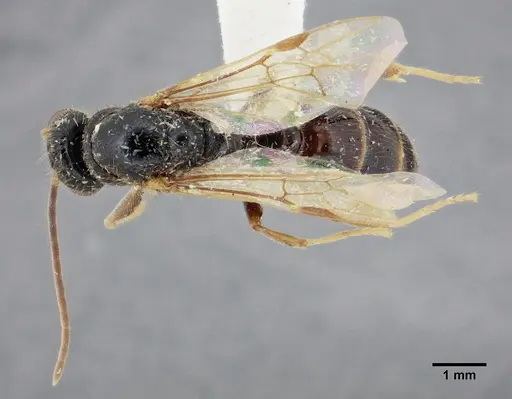
ANTWEB1032464
View on AntWeb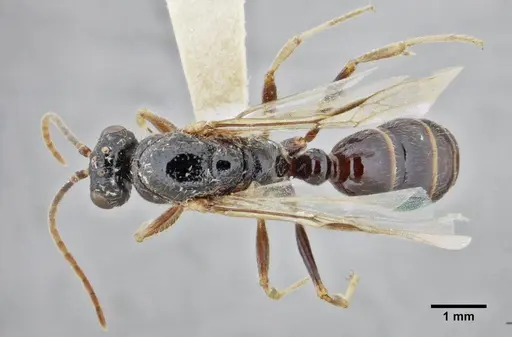
CASENT0179476
View on AntWeb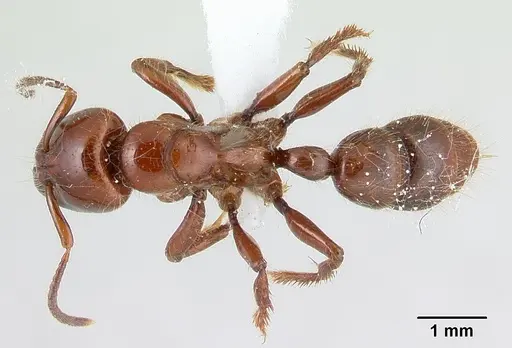
CASENT0907212
View on AntWeb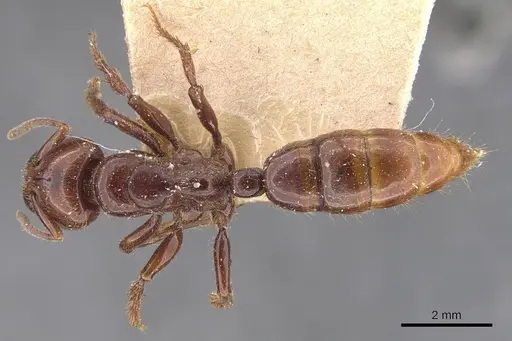
UFV-LABECOL-007302
View on AntWeb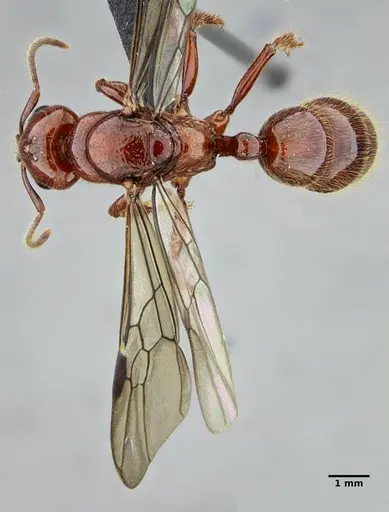
Literature
Loading...Loading products...