

Centromyrmex feae
- Scientific Name
- Centromyrmex feae
- Tribe
- Ponerini
- Subfamily
- Ponerinae
- Author
- Emery, 1889
- Distribution
- Found in 4 countries
Centromyrmex feae Overview
Centromyrmex feae is an ant species of the genus Centromyrmex. It is primarily documented in 4 countries , including China, Indonesia, India. Detailed taxonomic data and occurrence records can be further explored via authoritative databases such as AntWeb or the Global Biodiversity Information Facility (GBIF).
Centromyrmex feae
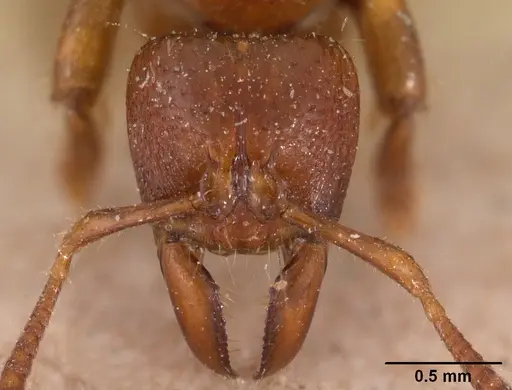
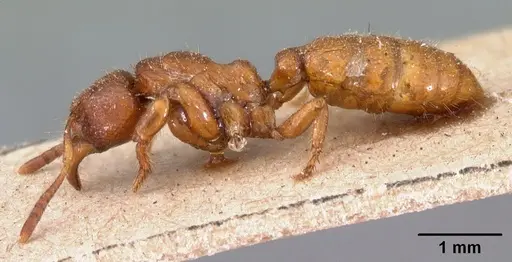
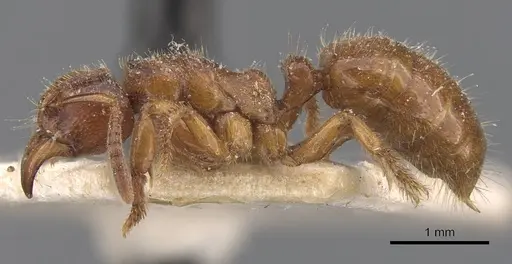
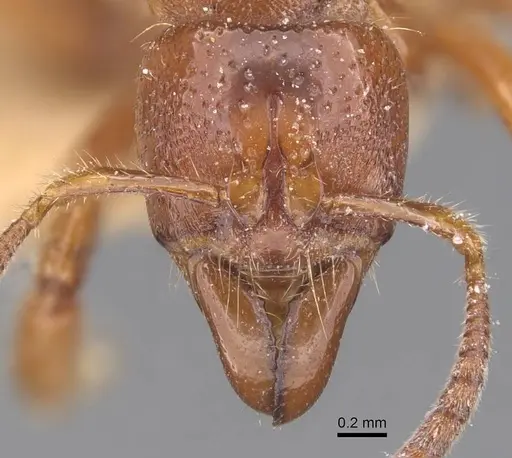
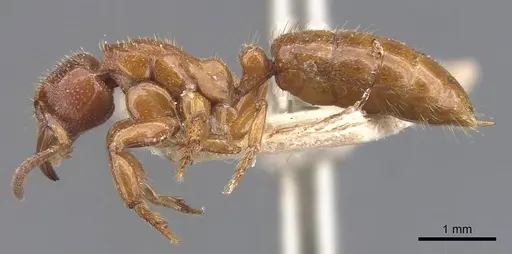
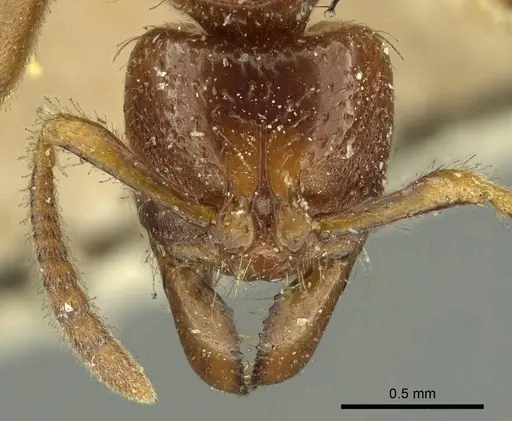
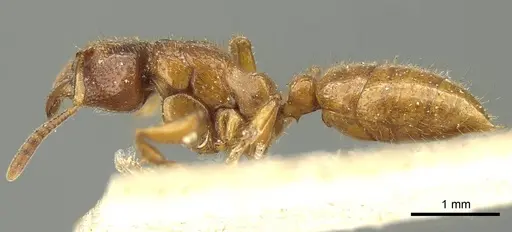
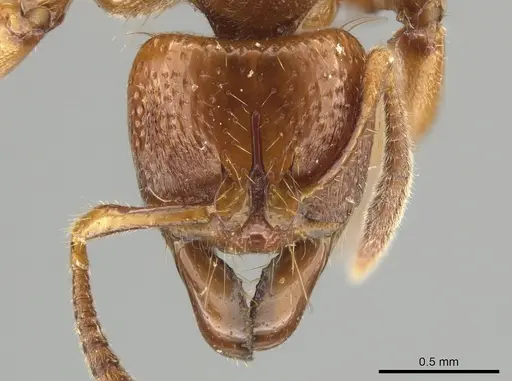
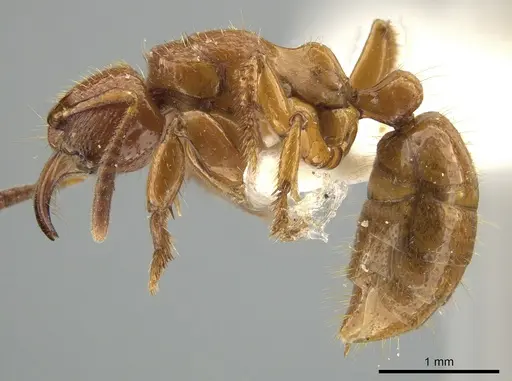
Centromyrmex feae is a small, slender ant measuring 3.5-4mm in worker size, with a distinctive yellow to reddish-yellow coloration [1]. This species belongs to the Ponerinae subfamily and is a specialized termite predator, one of the few ant species that feeds almost exclusively on termites [2]. The workers have several adaptations for their subterranean lifestyle: relatively smooth cuticle, flattened antennae (scapes), reduced or absent eyes, and specialized traction hairs on their legs for moving through tight spaces [2]. Queens are larger at around 5.4mm [3]. This species is found across South and Southeast Asia, from India through Myanmar, Thailand, Laos, Vietnam, Cambodia, Sri Lanka, the Philippines, Taiwan, and southern China [1][4].
What makes Centromyrmex feae particularly interesting is its highly specialized diet, unlike most ants that are generalist omnivores, this species is an obligate termitophage, meaning it hunts and feeds almost exclusively on termites [2]. This specialization shapes nearly every aspect of their biology and explains why they're almost always found in close association with termite mounds or in rotting logs where termites are present [1].
Quick Summary
- Difficulty: Expert
- Origin & Habitat: Centromyrmex feae is native to South and Southeast Asia, found across India, Sri Lanka, Myanmar, Thailand, Laos, Vietnam, Cambodia, the Philippines, Taiwan, and southern China [1]. This species is a habitat specialist, research shows it occupies rubber plantations but is notably absent from primary and secondary forests [5]. It lives subterraneanly in forest habitats, with workers typically collected from rotting logs, termite mounds, and under leaf litter [1][2]. The species is adapted to hypogeic (underground) life and occurs in and around termitaries, soil upper layers, and decaying logs [2].
- Colony Type: Colony structure is not well-documented in scientific literature. The genus Centromyrmex typically forms small colonies, but exact colony size for C. feae is unknown. Based on related species and the specialized predatory lifestyle, colonies are likely small with a single queen (monogyne).
- Size & Growth:
- Queen: 5.4mm [3]
- Worker: 3.5-4mm [1]
- Colony: Unknown, likely small based on related species patterns
- Growth: Unknown, likely slow due to specialized diet requirements
- Development: Unknown, no direct studies on development timeline (Development time is unconfirmed. Based on typical Ponerinae patterns, expect 2-4 months from egg to first worker at warm temperatures. Nanitics (first workers) will likely be smaller than normal workers.)
- Antkeeping:
- Temperature: Keep at 24-28°C. This species comes from tropical to subtropical regions, so warmth is important. Use a heating cable on one side of the nest to create a gentle gradient
- Humidity: Keep substrate moderately moist. In nature they live in rotting logs and soil near termite mounds, aim for damp but not waterlogged conditions. Provide a water tube for drinking water.
- Diapause: Unknown, no specific research on diapause requirements. Given the tropical distribution, they likely do not require true hibernation but may reduce activity during cooler months. Keep temperatures stable year-round.
- Nesting: Use a naturalistic setup with rotting wood or a Y-tong/plaster nest with narrow chambers. This species is subterranean and prefers tight, enclosed spaces. Provide soil or peat as substrate for tunneling. Avoid tall, open spaces.
- Behavior: Centromyrmex feae is a specialized termite predator, this is the most critical aspect of their care. Workers are hypogeic (ground-dwelling) and rarely come to the surface. They have reduced eyes and are not strong climbers. Foraging occurs underground in termite galleries. They are not aggressive toward humans and unlikely to sting given their small size and subterranean lifestyle. Escape risk is moderate, they are small but not particularly active on surfaces. The key behavioral note is that they are obligate termite predators and will not thrive on standard ant foods.
- Common Issues: specialized diet makes this species extremely difficult to keep, they require a constant supply of live termites, which most keepers cannot provide, colonies often starve because keepers offer inappropriate food like sugar water, mealworms, or honey which this species will not accept, subterranean lifestyle means workers are rarely visible, making it difficult to assess colony health, small colony size and slow growth mean colonies are fragile and slow to recover from losses, this species is rarely available in the antkeeping hobby and is considered an expert-level species even among specialists
The Termite-Eating Specialist
Centromyrmex feae is one of the most specialized ants you can keep, it's an obligate termitophage, meaning it feeds almost exclusively on termites [2]. This is rare among ants, most species are generalist omnivores that will accept various foods, but this species has evolved to target a single prey type. In the wild, workers hunt termites by infiltrating their galleries and mounds, using their specialized leg traction hairs to navigate the narrow tunnels termites create [2]. This explains why they're almost always found in association with termite mounds or in rotting wood where termites are present [1]. In captivity, this specialization is both fascinating and challenging, you must be able to provide a steady supply of live termites, preferably from a sustainable culture. Without termites, the colony will starve regardless of how much other protein or sugar you offer.
Housing and Nest Setup
This species requires a setup that mimics its subterranean lifestyle. A naturalistic setup with rotting wood pieces works well, as does a Y-tong or plaster nest with narrow chambers scaled to their small size. The key is providing enclosed spaces, they are not surface-active and will not use wide-open areas. Include soil or peat substrate for them to tunnel through. Keep the nest area dark or dimly lit, as these ants have reduced eyes and prefer darkness. A water tube should be provided for drinking water, but ensure it doesn't flood the nesting area. Because they're poor climbers, ensure any barrier (like fluon) is applied to smooth surfaces they might attempt to climb. Temperature should be maintained at 24-28°C using a heating cable if your room temperature is lower.
Feeding - The Critical Challenge
Feeding is the make-or-break factor for keeping Centromyrmex feae successfully. This species will NOT accept standard ant foods like sugar water, honey, fruit, mealworms, crickets, or most commercial ant diets. They are obligate termite predators and require live termites as their primary food source [2]. You will need to establish a termite culture (Reticulitermes, Cryptotermes, or similar species) to keep the colony fed long-term. Offer small termites (workers/nymphs) directly into the nest area. The frequency depends on colony size, a small colony may only need a few termites every few days, while larger colonies will need more regular feeding. Never offer dead termites, they typically only accept live prey. This specialized diet requirement is why this species is considered expert-level and rarely kept by hobbyists.
Behavior and Activity
Centromyrmex feae is hypogeic, meaning it lives and forages underground. Workers are rarely seen on the surface and spend most of their time in the dark, humid spaces between soil layers or inside rotting wood. They have reduced eyes compared to surface-active ants, an adaptation to their dark lifestyle [2]. Workers have specialized traction setae (hairs) on their legs that help them grip and move through the narrow tunnels of termite galleries [2]. Colonies are likely small, probably under 100 workers based on related species. The queen is larger (5.4mm) and likely remains sealed in the nest chamber once founding is complete. Workers are not aggressive and unlikely to sting. Their small size and subterranean habits mean they're not escape risks in the traditional sense, but they will slip through gaps if given the opportunity.
Seasonal Care and Temperature
Given the tropical to subtropical distribution of Centromyrmex feae (India through Southeast Asia), they do not require true hibernation. However, they may show reduced activity during cooler periods. Maintain stable temperatures between 24-28°C year-round. Avoid temperature drops below 20°C, as this could stress or kill the colony. A heating cable placed on one side of the nest creates a temperature gradient allowing workers to self-regulate their exposure to warmth. Humidity should be moderate, think damp forest floor, not soaking wet. The substrate should feel damp but not waterlogged. Allow some areas to dry slightly between misting to prevent mold, but always provide a moist zone the ants can access.
Frequently Asked Questions
Can I keep Centromyrmex feae like other ants?
No. Centromyrmex feae is an expert-level species that requires a specialized setup and, most importantly, a live termite diet. Most antkeepers cannot provide the constant supply of live termites this species needs. They are not suitable for beginners or even intermediate keepers.
What do Centromyrmex feae eat?
They eat almost exclusively live termites. This species is an obligate termitophage, it will starve if offered standard ant foods like sugar water, honey, mealworms, or crickets. You must establish a termite culture to keep this species long-term.
How long does it take for Centromyrmex feae to develop from egg to worker?
The exact development timeline is unconfirmed. Based on typical Ponerinae patterns, expect 2-4 months at warm temperatures (24-28°C). The first workers (nanitics) will likely be smaller than normal workers.
How big do Centromyrmex feae colonies get?
Colony size is not well-documented, but based on related species and their specialized predatory lifestyle, colonies likely remain small, probably under 100 workers. They are not large colony builders.
Can I keep multiple Centromyrmex feae queens together?
This has not been studied. Based on typical Ponerinae patterns, they likely form single-queen colonies. Combining unrelated queens is not recommended as it has not been documented to work.
What temperature do Centromyrmex feae need?
Keep them at 24-28°C. This species comes from tropical to subtropical Asia and requires warmth. A heating cable on one side of the nest can provide the necessary heat.
Do Centromyrmex feae need hibernation?
No. Given their tropical distribution, they do not require true hibernation. Keep temperatures stable year-round in the 24-28°C range.
Why are my Centromyrmex feae dying?
The most likely cause is starvation due to inappropriate food. If you're not providing live termites, the colony will slowly starve even if other food is available. Check that you're offering live termites and that the colony has access to moisture.
Is Centromyrmex feae good for beginners?
No. This species is considered expert-level due to its specialized termite-only diet, which most hobbyists cannot provide. Even experienced antkeepers struggle with this species. If you're interested in Ponerinae, consider easier species like Ponera or Hypoponera.
References

This caresheet is licensed under CC BY-SA 4.0 .
CASENT0102120
View on AntWeb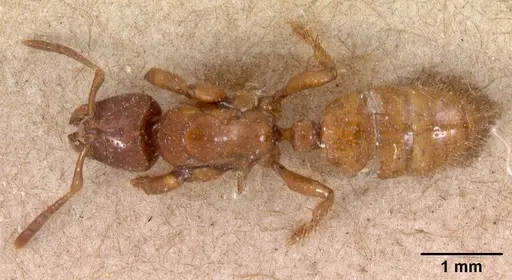
CASENT0903860
View on AntWeb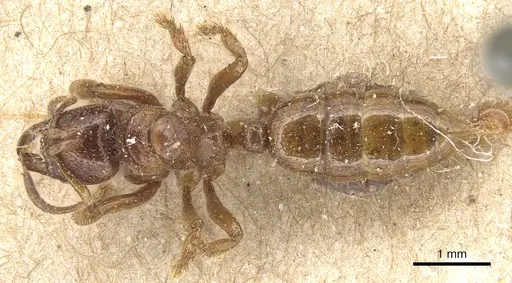
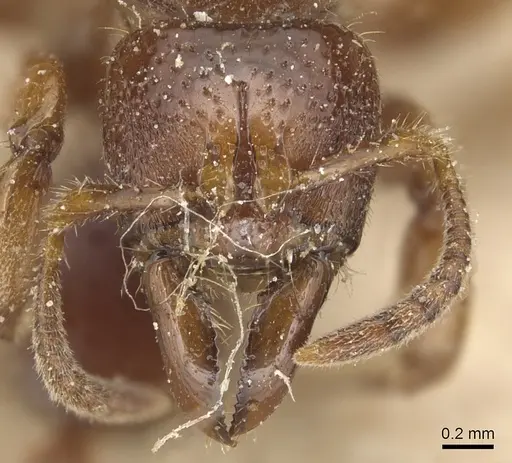
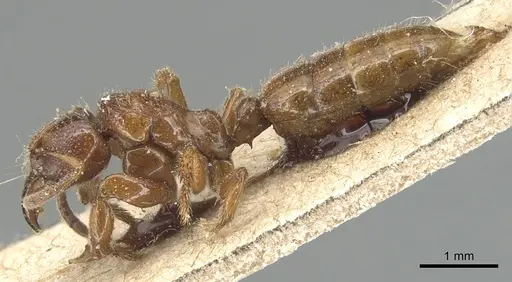
CASENT0907210
View on AntWeb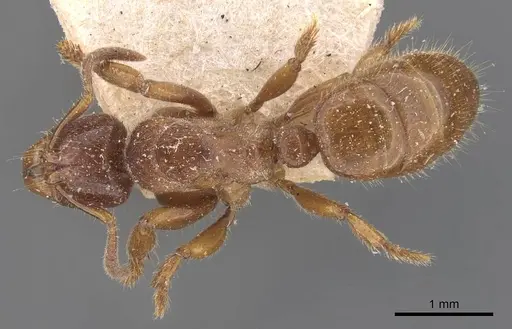
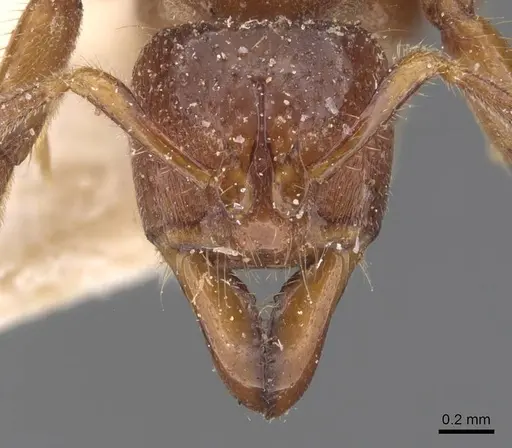
CASENT0907211
View on AntWeb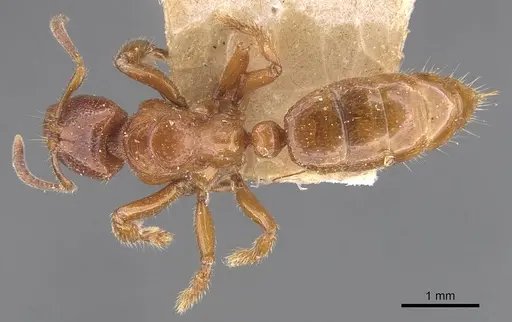
CASENT0915651
View on AntWeb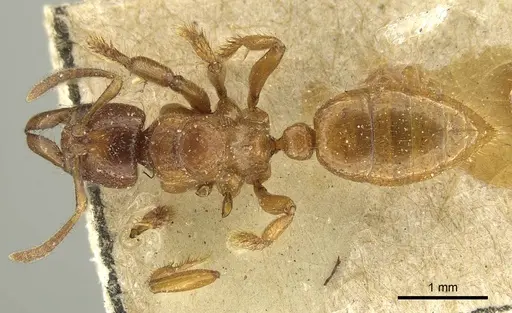
ZRC
View on AntWeb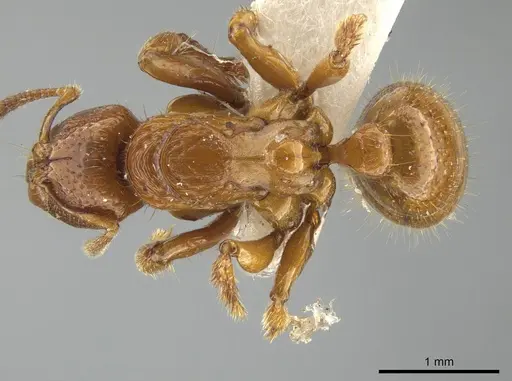
Literature
Loading...Loading products...