

Centromyrmex decessor
- Scientific Name
- Centromyrmex decessor
- Tribe
- Ponerini
- Subfamily
- Ponerinae
- Author
- Bolton & Fisher, 2008
- Distribution
- Found in 1 countries
Centromyrmex decessor Overview
Centromyrmex decessor is an ant species of the genus Centromyrmex. It is primarily documented in 1 countries , including Gabon. Detailed taxonomic data and occurrence records can be further explored via authoritative databases such as AntWeb or the Global Biodiversity Information Facility (GBIF).
Centromyrmex decessor
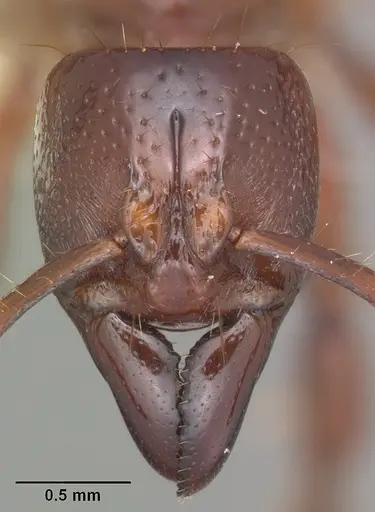
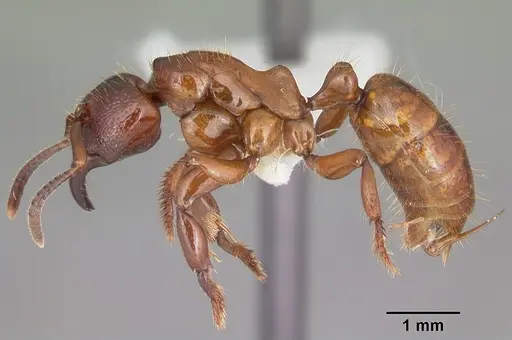
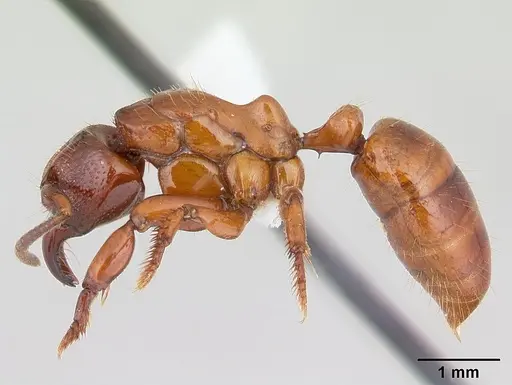
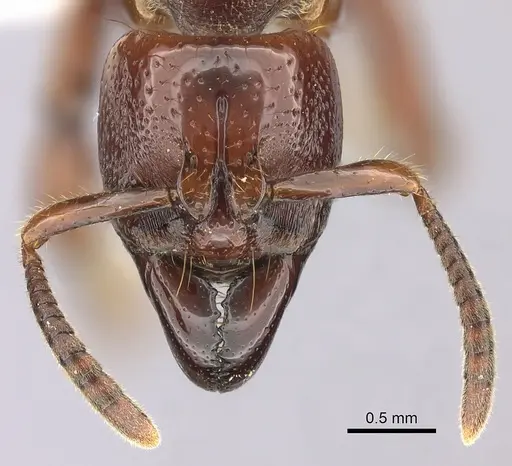
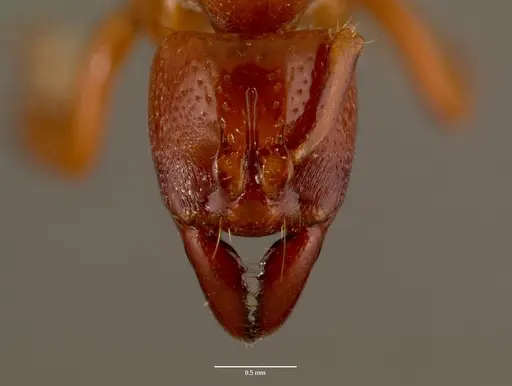
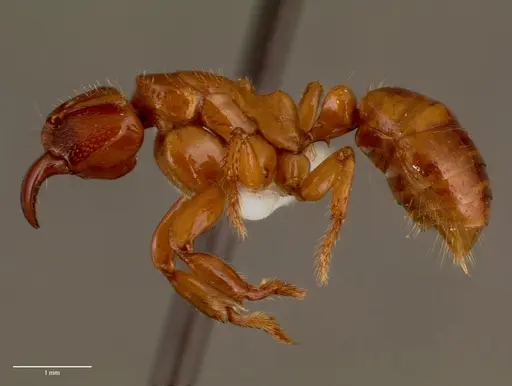
Centromyrmex decessor is a medium-sized predatory ant native to the rainforests of Central Africa (Cameroon, Democratic Republic of Congo, and Gabon). Workers measure 7.0-7.9mm with a glossy brownish-yellow to light brown coloration, the head and mandibles are darkest while the gaster is lightest. This species belongs to the Ponerinae subfamily, known for their powerful stings and predatory lifestyle. The most distinctive feature is the unique mandible dentition among Afrotropical species: 5-6 low-triangular blunted teeth separated by long concave gaps, and 5-7 thickened spiniform setae on the apical third of the metatibia. Queens are larger at 9.3-9.80mm and were described alongside workers from the same nest series.
What makes C. decessor particularly interesting is how little we know about its biology despite being described in 2008. The genus Centromyrmex is known for specialized termite-hunting behavior, but this specific species has never been studied in the wild or in captivity. The type specimens were collected from a rotten log in Gabonese rainforest at 600m elevation, giving us our only glimpse into its natural nesting preferences.
Quick Summary
- Difficulty: Expert
- Origin & Habitat: Rainforests of Cameroon, Democratic Republic of Congo, and Gabon in Central Africa. Type specimens collected from rotten logs at 600m elevation in Gabon (Minvoul) and from rainforest habitats in Cameroon and DRC [1][2].
- Colony Type: Colony structure is unconfirmed. Only known from type series collected in rotten logs, no data on queen number or colony size in the wild.
- Size & Growth:
- Antkeeping:
- Temperature: Unknown for this species. Start around 24-26°C based on typical rainforest Ponerinae preferences and adjust based on colony activity. A gentle thermal gradient allows ants to self-regulate.
- Humidity: High humidity required, rainforest species collected from rotting wood suggest 70-85% humidity. Keep nest substrate consistently moist but not waterlogged.
- Diapause: Unknown, Central African species may have reduced activity during dry seasons but hibernation requirements are unconfirmed.
- Nesting: Natural nesting: rotten logs in rainforest. Captive care: Y-tong (AAC) nests or plaster nests work well for Ponerinae. Provide moist substrate and narrow chambers. Avoid dry, airy setups.
- Behavior: Temperament: Likely defensive and capable of stinging, Ponerinae ants typically have powerful stings. Foraging style: Predatory, likely hunts termites and other small invertebrates as other Centromyrmex species do. Escape risk: Medium, workers are 7-9mm so standard barrier methods work well, but they are fast-moving and may escape through small gaps if not monitored.
- Common Issues: no biological data means all care is experimental, expect a learning curve, predatory diet requirements may be challenging, need constant supply of live prey, stinging capability means handling requires caution, high humidity needs can lead to mold if ventilation is poor, unknown diapause requirements may cause seasonal confusion
Nest Preferences and Housing
In the wild, Centromyrmex decessor has been collected exclusively from rotten logs in rainforest habitats, specifically at 600m elevation in Gabon [1]. This indicates they prefer dark, humid, enclosed spaces with direct access to soil moisture. For captive care, Y-tong (AAC) nests or plaster nests provide the darkness and humidity these ants need. The chambers should be appropriately sized for 7-9mm workers, not too tight, but not excessively spacious either. A water reservoir or moisture zone in the nest helps maintain the high humidity they require. Avoid acrylic nests that dry out quickly, and avoid completely sealed setups that can cause mold problems. Provide a dark cover over the nest chamber as these ants prefer darkness.
Feeding and Diet
The genus Centromyrmex is known for predatory behavior, primarily hunting termites and other small invertebrates. While specific diet data for C. decessor does not exist, other Centromyrmex species are specialized termite hunters. In captivity, you should offer a diet based on live small prey: termites (the ideal natural food), small crickets, mealworm pieces, and other small arthropods. Sugar sources may be accepted but are not a primary food, Ponerinae ants are typically protein-focused predators. Feed small prey items 2-3 times per week, adjusting based on colony consumption. Remove uneaten prey after 24-48 hours to prevent mold. A constant water source is essential.
Temperature and Seasonal Care
No specific temperature data exists for this species. The type locality in Gabon has a tropical rainforest climate with temperatures typically ranging from 22-28°C year-round. As a starting point, maintain nest temperatures around 24-26°C with a gentle thermal gradient allowing workers to move between warmer and cooler areas. A small heating cable on one side of the nest can create this gradient, place it on top of the nest to avoid drying. Monitor colony activity: if workers cluster near the heat source, increase slightly, if they avoid it and seem sluggish, the temperature may be too high. Seasonal care is unknown, Central Africa has minimal temperature variation but distinct wet/dry seasons. You may observe reduced activity during what would be the dry season in their range.
Behavior and Temperament
Centromyrmex decessor belongs to the Ponerinae subfamily, which is known for powerful stings and generally defensive behavior. While specific sting potency for this species is unstudied, assume they can deliver a painful sting, handle with caution and avoid bare skin contact. Workers are fast-moving and alert, typical of predatory ants. They will likely investigate the outworld actively and respond quickly to prey items. Escape prevention is important, while not tiny, they are agile and will explore any gaps. Use standard barrier methods (Fluon, vaseline) on the outworld rim. The unique mandible dentition suggests specialized prey handling, possibly adapted for termite mandibles or other armored prey. [1][2]
Acquiring and Establishing a Colony
Centromyrmex decessor is extremely rare in the antkeeping hobby, this species was only described in 2008 and has never been documented in captivity. If available at all, it would likely be from wild-caught queens found in rotten logs in its range (Cameroon, DRC, Gabon). There is no documented captive breeding of this species. If you obtain a wild-caught queen, housing in a test tube with moist cotton (high humidity setup) is appropriate for founding. Provide darkness and minimal disturbance. Since we don't know their founding type, assume claustral (queen seals herself in and raises first workers alone) based on typical Ponerinae patterns, but this is an inference. Do not attempt to feed the founding queen, she should have stored reserves. Wait 6-10 weeks before expecting first workers, then gradually introduce a small outworld. [1]
Challenges and Experimental Care
This is genuinely an expert-level species because absolutely no biological data exists, everything about captive care is inference and experimentation. The biggest challenge is the complete lack of documented husbandry. You will be pioneering the care for this species. Document your observations carefully: when does the queen lay eggs? How long until nanitics? What prey do they accept? What humidity levels work best? What temperature range do they prefer? Share findings with the antkeeping community. Expect setbacks and be prepared to adjust. The high humidity needs can cause mold issues, balance moisture with adequate ventilation. Predatory diet requirements mean you need a reliable, continuous source of small live prey. This is not a species for beginners or those wanting established care protocols.
Frequently Asked Questions
Is Centromyrmex decessor a good species for beginners?
No. This is an expert-level species because absolutely no biological data exists, everything about their care is unknown and must be discovered through experimentation. There are no established care protocols, no documented captive breeding, and no information on their exact requirements. This species is only for experienced antkeepers who enjoy pioneering new species care.
How long does it take for Centromyrmex decessor to go from egg to worker?
Unknown, no developmental studies exist for this species. Based on typical Ponerinae development patterns, expect 6-10 weeks at optimal temperature (around 24-26°C), but this is purely an estimate. Actual development time may be shorter or longer.
What do Centromyrmex decessor ants eat?
While not directly studied, Centromyrmex species are known predators that primarily hunt termites. In captivity, offer small live prey such as termites, small crickets, mealworm pieces, and other tiny arthropods. They are likely strict predators that need protein-rich food, sugar sources may be accepted occasionally but are not a primary diet.
What temperature should I keep Centromyrmex decessor at?
No specific data exists. Start around 24-26°C based on typical rainforest Ponerinae preferences and adjust based on colony behavior. Use a gentle thermal gradient so workers can self-regulate. If they cluster near heat, increase slightly, if they avoid it and seem sluggish, reduce temperature.
What humidity level do Centromyrmex decessor ants need?
High humidity, they were collected from rotting logs in rainforest habitats. Aim for 70-85% humidity. Keep the nest substrate consistently moist but not waterlogged. A moisture reservoir in the nest helps maintain stable humidity.
Can I keep multiple Centromyrmex decessor queens together?
Unknown, colony structure has never been documented for this species. Do not attempt combining unrelated queens without documented evidence that they can found colonies together. Without data, assume monogyne (single queen) is possible and keep queens separate.
How big do Centromyrmex decessor colonies get?
Unknown, no wild colonies have been documented. Workers reach 7-9mm and queens 9-10mm, but colony size data does not exist. Expect moderate-sized colonies based on typical Ponerinae patterns, but this is speculative.
Do Centromyrmex decessor ants need hibernation?
Unknown, diapause requirements have not been studied. As a Central African rainforest species, they likely experience year-round warmth with seasonal activity changes tied to wet/dry patterns rather than cold-induced dormancy. Do not hibernate unless you observe clear seasonal slowing.
What is the best nest type for Centromyrmex decessor?
Y-tong (AAC) nests or plaster nests work well, these provide the dark, humid conditions they need. Avoid dry acrylic nests. The nest should have appropriately sized chambers for 7-9mm workers and access to moisture. Provide a dark cover over the nest chamber.
Why is there no information about Centromyrmex decessor care?
This species was only described in 2008 and has never been studied in the wild for biology or in captivity. No scientific papers exist on their behavior, diet, reproduction, or development. All care recommendations are inferences from related species or general Ponerinae biology.
References

This caresheet is licensed under CC BY-SA 4.0 .
CASENT0102993
View on AntWeb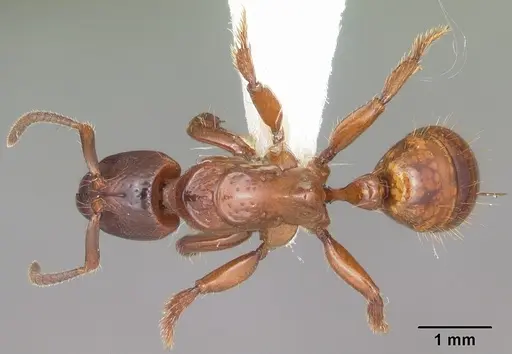
CASENT0178744
View on AntWeb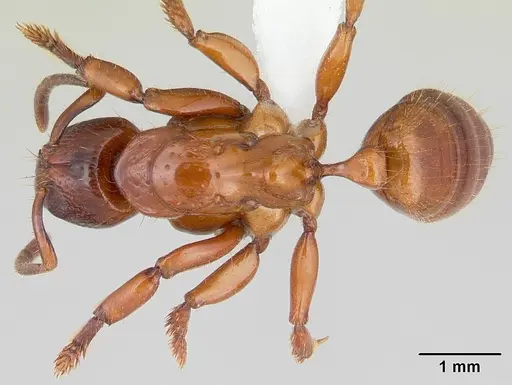
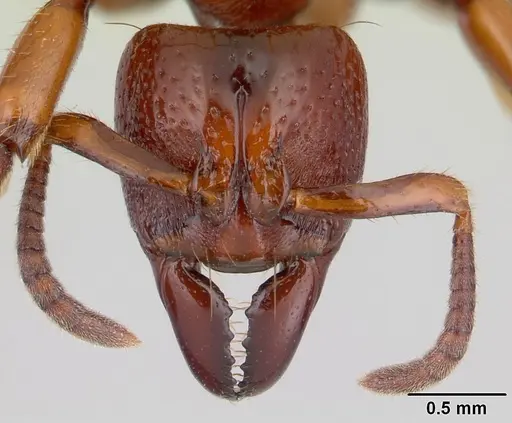
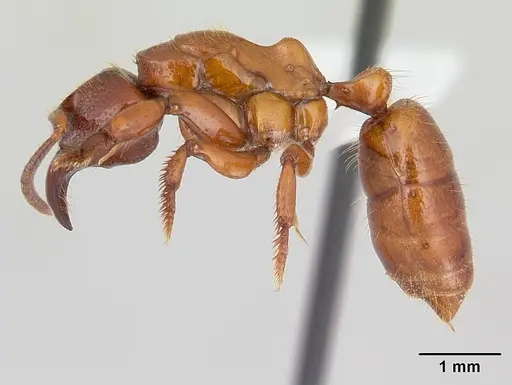
CASENT0178745
View on AntWeb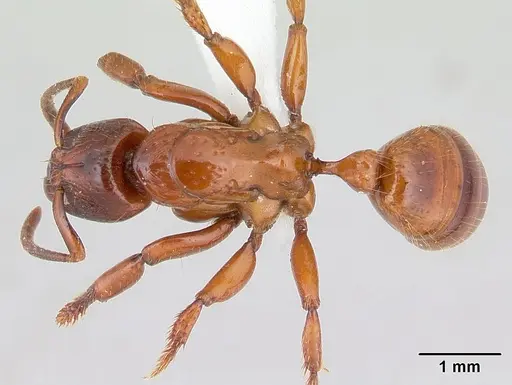
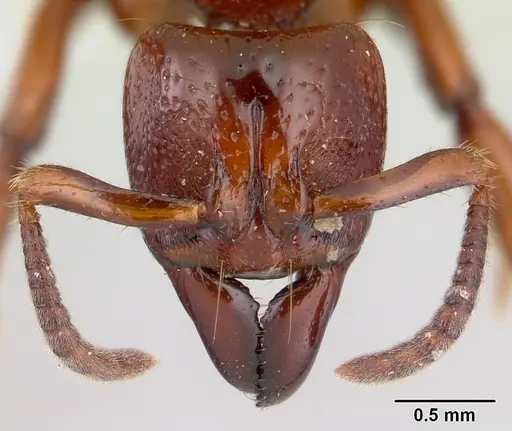
CASENT0260516
View on AntWeb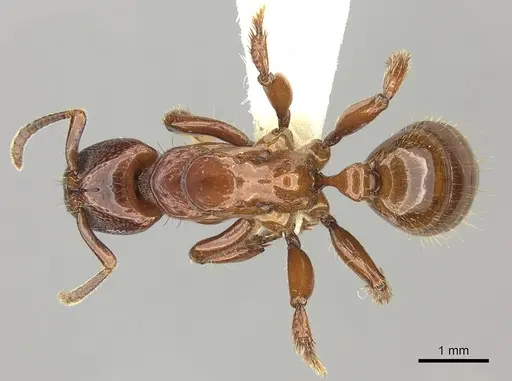
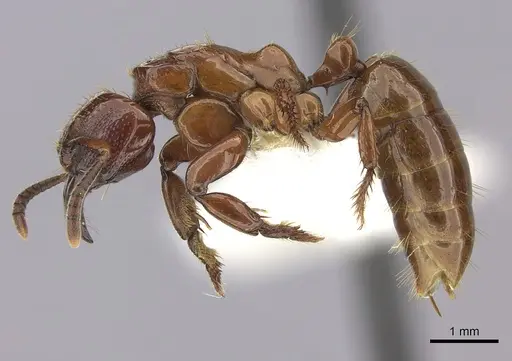
SAM-HYM-C007974B
View on AntWeb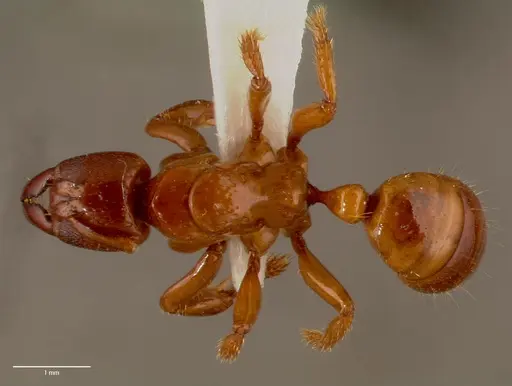
Literature
Loading...Loading products...