

Cataulacus weissi
- Scientific Name
- Cataulacus weissi
- Tribe
- Crematogastrini
- Subfamily
- Myrmicinae
- Author
- Santschi, 1913
- Distribution
- Found in 2 countries
Cataulacus weissi Overview
Cataulacus weissi is an ant species of the genus Cataulacus. It is primarily documented in 2 countries , including Congo, Democratic Republic of the, Gabon. Detailed taxonomic data and occurrence records can be further explored via authoritative databases such as AntWeb or the Global Biodiversity Information Facility (GBIF).
Cataulacus weissi
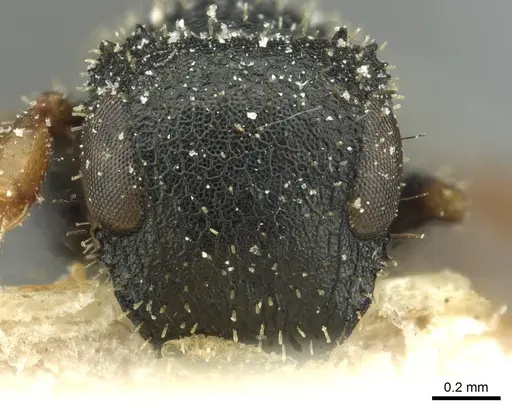
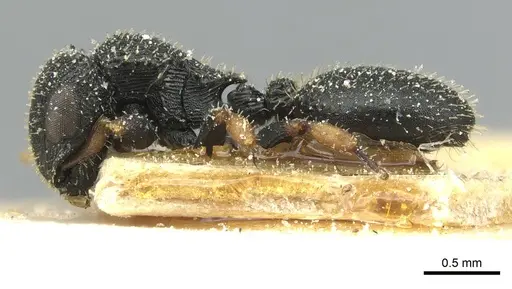
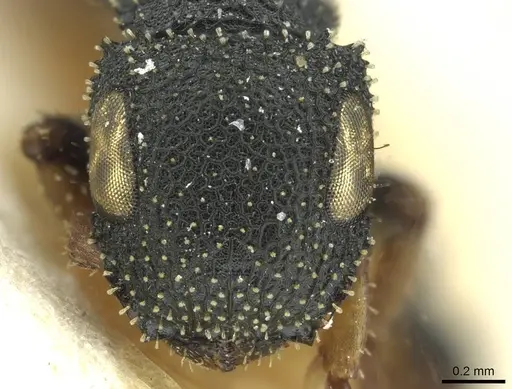
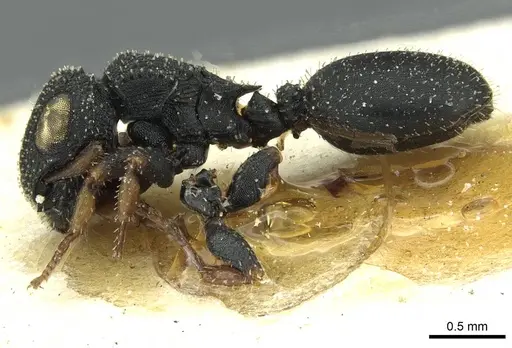
Cataulacus weissi is a small, distinctive myrmecine ant known for its association with ant plants (myrmecophytes). Workers measure around 3-4mm and have a characteristic flattened body shape that helps them navigate through the narrow tunnels and hollow chambers of their plant hosts [1]. The species is documented across central Africa, with confirmed records in the Democratic Republic of Congo (provinces BC, KN, TO) and Nigeria [2][3].
What makes Cataulacus weissi unusual is its ecological relationship with plants. This species nests in the specialized hollow structures (domatia) of plants like Randia myrmecophyla, where it lives in a mutualistic partnership with its host [1]. The ants benefit from shelter while potentially protecting the plant from herbivores. This arboreal lifestyle means they rarely descend to the ground, making them quite different from typical soil-nesting ants.
Quick Summary
- Difficulty: Expert
- Origin & Habitat: Central Africa (DRC, Nigeria), tropical forest regions where myrmecophyte plants grow [2][3]
- Colony Type: Single-queen colonies, arboreal (tree-dwelling), living inside plant structures
- Colony: Monogyne
- Founding: Claustral
- Size & Growth:
- Queen: Approximately 5-6mm (estimated based on genus Cataulacus)
- Worker: 3-4mm [1]
- Colony: Likely small to moderate (hundreds of workers), typical for arboreal myrmecophytes
- Growth: Moderate, inferred from related species
- Development: Estimated 6-8 weeks at tropical temperatures (25-28°C) based on genus patterns (Direct development data unavailable, estimate based on typical Myrmicinae at optimal temperature)
- Antkeeping:
- Temperature: Keep at 24-28°C, tropical species requiring warm, stable conditions. A small heating cable on one side of the enclosure creates a temperature gradient.
- Humidity: High humidity (70-85%), arboreal ants from humid tropical forests. Provide moisture through damp substrate and occasional misting, but ensure ventilation to prevent stagnation.
- Diapause: No, being a tropical species, they do not require hibernation. Maintain warm conditions year-round.
- Nesting: Arboreal setup required, these ants need access to plant material, hollow stems, or artificial domatia. A naturalistic setup with live or artificial plant stems works better than typical test tube setups.
- Behavior: Cataulacus weissi is an arboreal species that spends most of its time inside plant structures. Workers are fast-moving and skilled at navigating narrow passages. They are not particularly aggressive but will defend their colony if threatened. Their small size and arboreal nature make escape prevention important, they can squeeze through small gaps. These ants are not known for stinging and pose no danger to keepers.
- Common Issues: establishing a colony is difficult, wild-caught specimens often struggle to adapt to captive conditions, arboreal setup requirements are specialized and differ from typical ant-keeping setups, high humidity needs can lead to mold problems if ventilation is poor, very limited availability, rarely collected or sold in the ant-keeping hobby, tropical temperature requirements mean room temperature may be insufficient in cooler climates
Natural History and Host Plant Relationship
Cataulacus weissi is a specialized myrmecophyte ant that forms mutualistic relationships with tropical plants. The species has been documented living inside the domatia (hollow structures) of Randia myrmecophyla, a plant specifically adapted to house ant colonies [1]. In this relationship, the ant colony receives protected shelter within the plant's hollow stems or thorns, while the plant benefits from the ants' defensive behavior against herbivores and potentially from nutrient waste provided by the colony.
This arboreal lifestyle means Cataulacus weissi rarely, if ever, descends to the forest floor. Their flattened body morphology is an adaptation that allows them to move through the narrow tunnels and chambers within their plant hosts. The workers are fast-moving and agile, capable of rapid movement through these confined spaces when defending the colony or foraging for food within the plant structure.
Housing and Nest Setup
Keeping Cataulacus weissi successfully requires rethinking standard ant-keeping setups. These are arboreal ants that need access to vertical spaces and plant material, not horizontal test tube setups. A naturalistic enclosure with live or artificial plant stems, bamboo sections, or custom-made domatia structures works best.
Create a setup that mimics their natural plant-host environment. Hollow bamboo stems, cork bark rounds with drilled channels, or artificial plant domatia provide suitable nesting spaces. The enclosure should include both humid nesting areas and drier foraging areas. Because they are arboreal, ensure the setup allows them to move between different sections easily. Mist regularly to maintain high humidity, but include ventilation to prevent mold buildup.
Temperature and Humidity Requirements
As a tropical species from central Africa, Cataulacus weissi requires warm, humid conditions year-round. Maintain temperatures between 24-28°C, with a slight gradient allowing the colony to self-regulate. In cooler climates, a small heating cable placed on one side of the enclosure helps achieve these temperatures.
Humidity should remain high at 70-85%. This can be achieved through a damp substrate layer, regular misting, and using enclosures that retain moisture well. However, balance humidity with adequate ventilation, stagnant, overly wet conditions lead to mold problems that can devastate colonies. A well-ventilated naturalistic setup with a water reservoir or damp soil layer maintains stable humidity better than sealed containers.
Feeding and Diet
In nature, Cataulacus weissi likely forages for honeydew (the sugary waste produced by aphids and scale insects) and small insects within their plant host. In captivity, offer a varied diet including sugar water or honey as an energy source, and small protein sources like fruit flies, small crickets, or other tiny insects.
Feed sugar sources (honey water, sugar water) regularly as they provide quick energy for active workers. Offer protein prey items 2-3 times per week, adjusting based on colony size and consumption. Remove uneaten prey after 24-48 hours to prevent mold. Because they live in plant structures, they may be less inclined to travel far for food, place offerings near active areas.
Acquisition and Colony Establishment
Cataulacus weissi is extremely rare in the ant-keeping hobby and not commonly available from suppliers. Wild-caught colonies can be difficult to establish because these ants are adapted to very specific ecological conditions that are challenging to replicate in captivity. If you do acquire a colony, expect a difficult adjustment period.
When establishing a new colony, minimize disturbances during the founding stage. Provide appropriate arboreal-style housing from the beginning rather than trying to move them later. Wild-caught colonies may carry parasites or pathogens that cause problems in captivity. Quarantine and observe new colonies carefully before combining with existing setups.
Frequently Asked Questions
Can I keep Cataulacus weissi in a test tube setup?
No, test tube setups are not suitable for Cataulacus weissi. These are arboreal ants that naturally live inside plant stems and domatia. They need vertical spaces with plant-like structures to thrive. A naturalistic setup with bamboo, cork, or artificial plant material works much better.
How long does it take for Cataulacus weissi to produce first workers?
Direct data is not available for this species, but based on typical Myrmicinae development at tropical temperatures (25-28°C), expect approximately 6-8 weeks from egg to first worker. Development may be slower if temperatures fall below optimal ranges.
Do Cataulacus weissi ants sting?
Cataulacus weissi is not considered dangerous to keepers. They are small ants that do not have a painful sting like some other species. They may bite if threatened, but this is not a significant concern for antkeepers.
Are Cataulacus weissi good for beginners?
No, Cataulacus weissi is not recommended for beginners. This is an expert-level species requiring specialized arboreal setups, high humidity, tropical temperatures, and specific plant-host conditions that are difficult to maintain. They are also extremely rare in the hobby.
What do Cataulacus weissi eat?
Cataulacus weissi likely feeds on honeydew and small insects in the wild. In captivity, offer sugar water or honey as a regular energy source, plus small protein prey like fruit flies, tiny crickets, or other small insects 2-3 times per week.
Can I keep multiple queens together?
Cataulacus weissi is typically monogyne (single queen per colony). Combining unrelated queens is not recommended as it often leads to aggression. Single-queen colonies are the standard structure for this species.
Do Cataulacus weissi need hibernation?
No, Cataulacus weissi does not require hibernation. As a tropical species from central Africa, they need warm conditions year-round. Maintain temperatures between 24-28°C throughout the year.
Why is my Cataulacus weissi colony dying?
Common causes include: temperature too low (below 24°C), humidity too low or too high (aim for 70-85% with ventilation), inappropriate housing (they need arboreal setups, not test tubes), stress from excessive disturbance, or parasites from wild-caught colonies. Ensure all parameters are within tropical arboreal ant ranges.
How big do Cataulacus weissi colonies get?
Based on typical arboreal myrmecophyte colony sizes, Cataulacus weissi likely reaches several hundred workers at maturity. They are not large colony species like some Lasius or Camponotus.
Where can I get Cataulacus weissi?
Cataulacus weissi is extremely rare in the ant-keeping hobby and is not commonly available from commercial suppliers. It is not a species you are likely to find through standard ant vendors. This limits captive keeping opportunities significantly.
References

This caresheet is licensed under CC BY-SA 4.0 .
CASENT0280806
View on AntWeb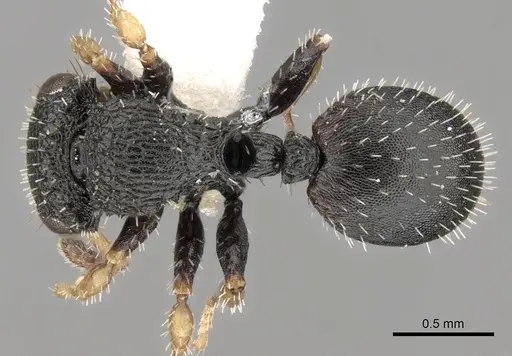
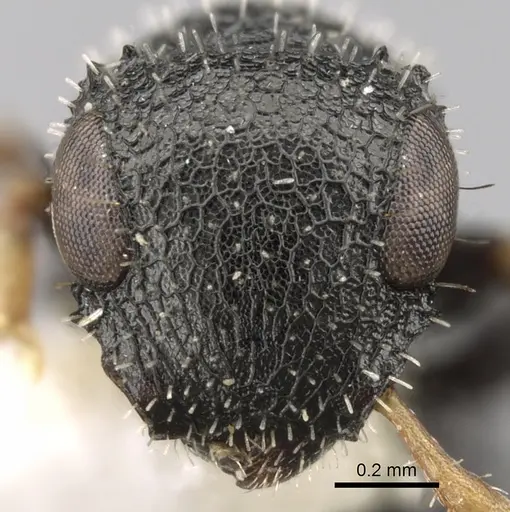
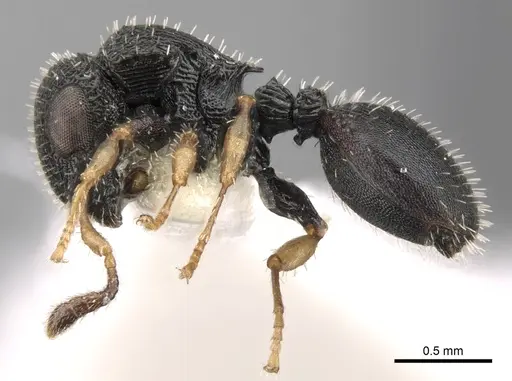
CASENT0415787
View on AntWeb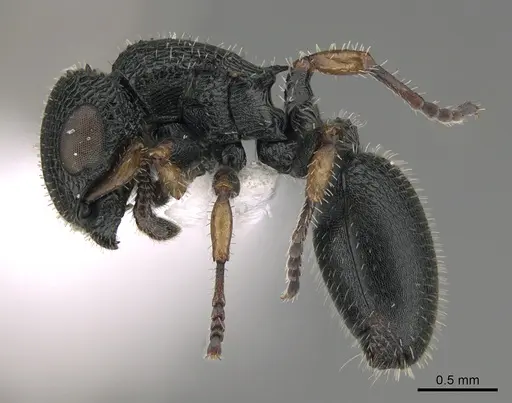
CASENT0912573
View on AntWeb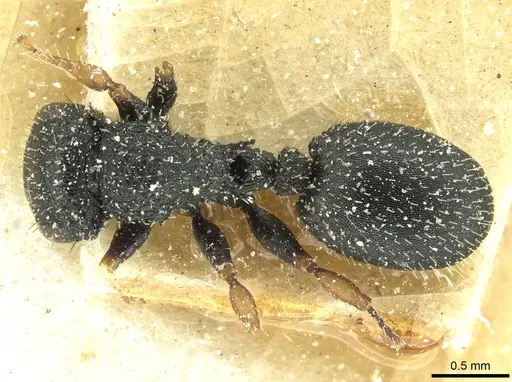
CASENT0912574
View on AntWeb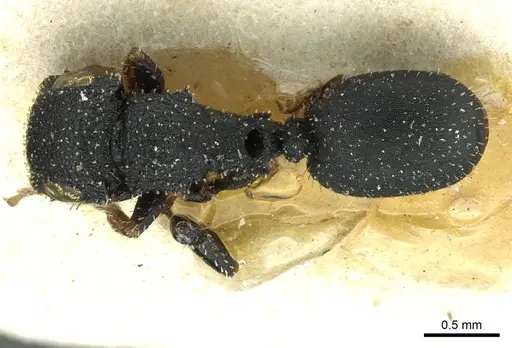
Literature
Loading...Loading products...