

Cataulacus voeltzkowi
- Scientific Name
- Cataulacus voeltzkowi
- Tribe
- Crematogastrini
- Subfamily
- Myrmicinae
- Author
- Forel, 1907
- Distribution
- Found in 3 countries
Cataulacus voeltzkowi Overview
Cataulacus voeltzkowi is an ant species of the genus Cataulacus. It is primarily documented in 3 countries , including Comoros, Madagascar, Mayotte. Detailed taxonomic data and occurrence records can be further explored via authoritative databases such as AntWeb or the Global Biodiversity Information Facility (GBIF).
Cataulacus voeltzkowi
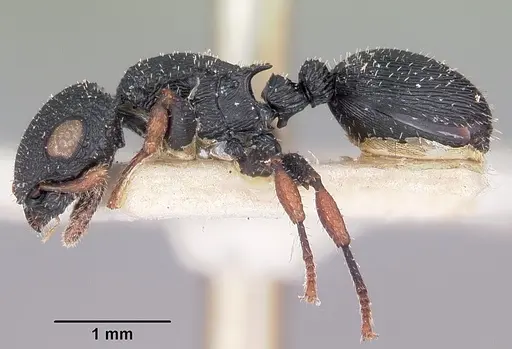
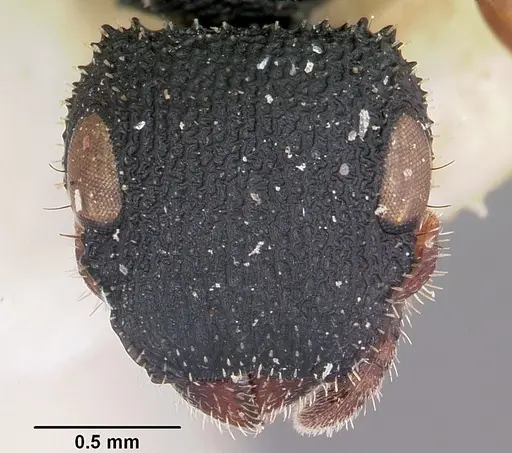
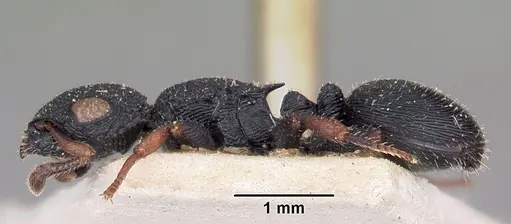
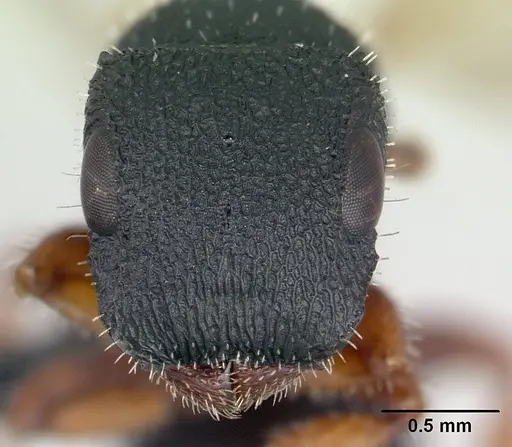
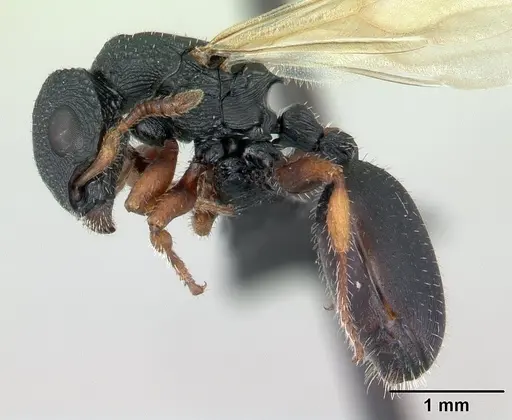
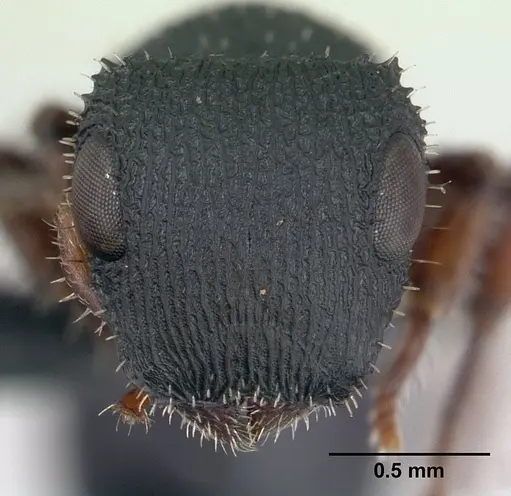
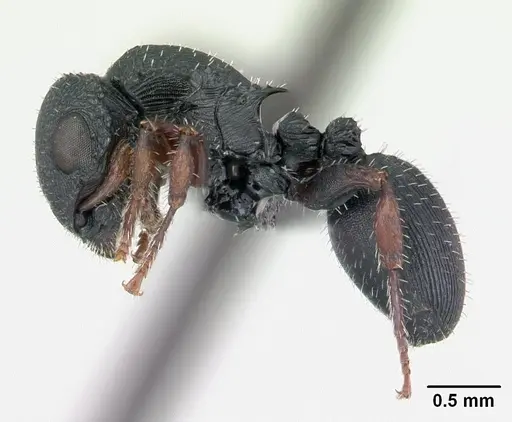
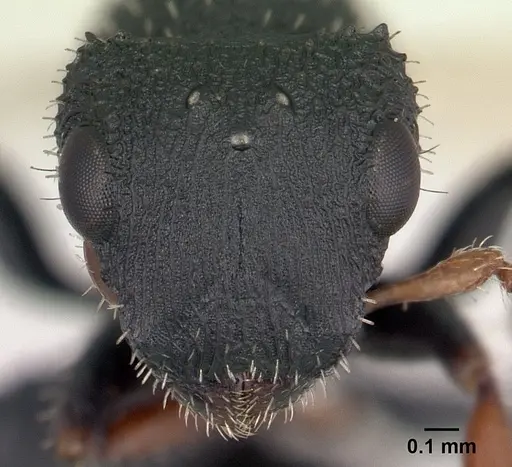
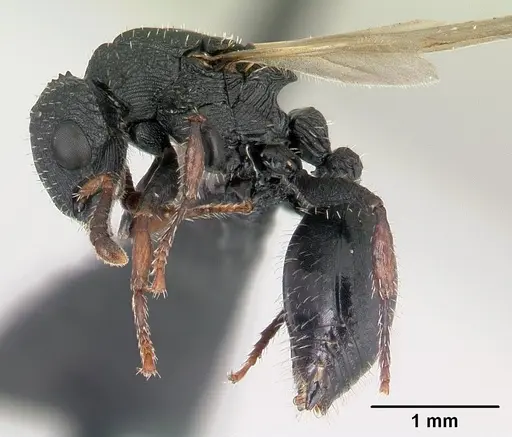
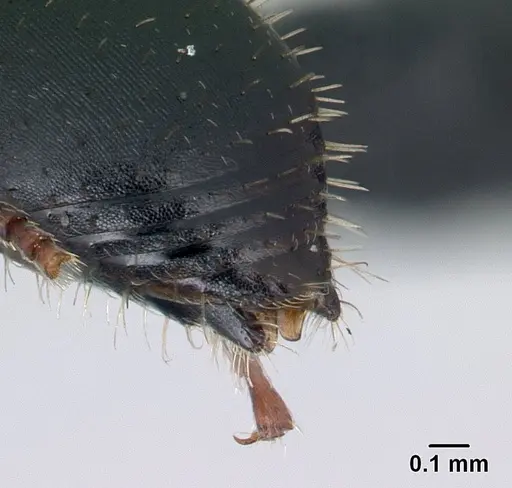
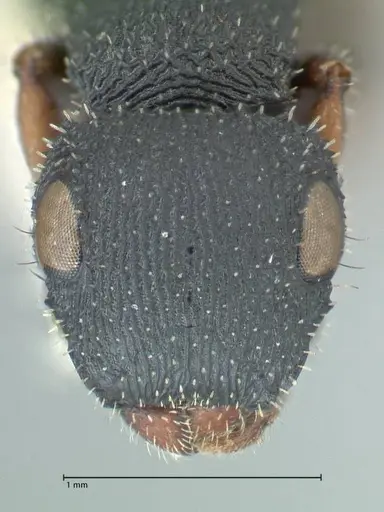
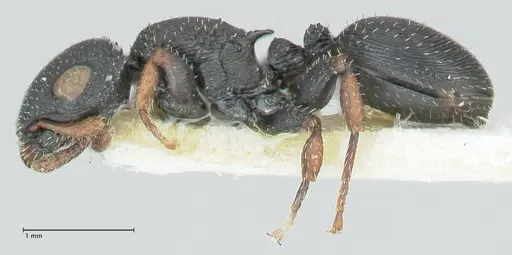
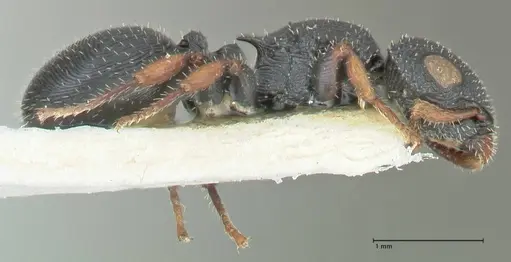
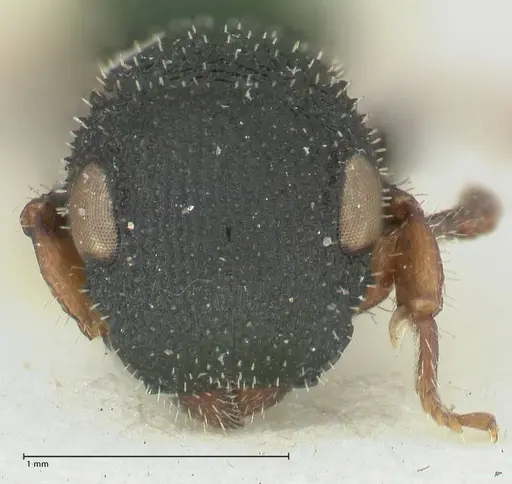
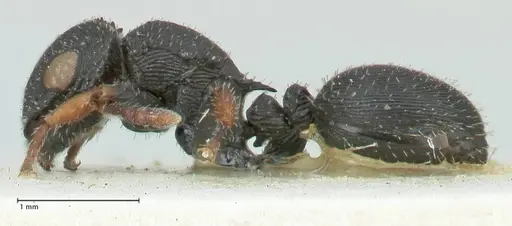
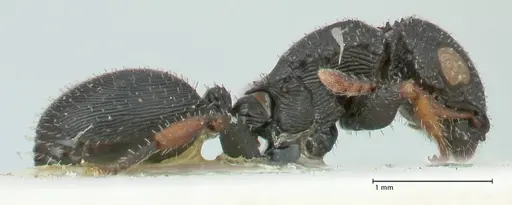
Cataulacus voeltzkowi is a medium-sized arboreal ant native to the islands of Madagascar, Comoros, and Mayotte in the Indian Ocean. Workers measure 4.5-5.2mm and have a distinctive appearance with small teeth along the head margins, a spined propodeum, and uniquely sculpted gastral tergites that run longitudinally in the front and curve transversely toward the back [1][2]. This species inhabits forested environments in tropical regions, though much of its specific biology remains undocumented. As a Cataulacus species, these ants are adapted to life in trees and woody microhabitats, with a somewhat flattened body shape that helps them navigate narrow spaces in bark and dead wood.
Quick Summary
- Difficulty: Medium
- Origin & Habitat: Found in forested habitats across the Malagasy region, specifically Madagascar, Comoros (including Moheli where the type specimen was collected), and Mayotte [1][2]. These are tropical Indian Ocean islands with warm, humid conditions year-round.
- Colony Type: Colony structure is unconfirmed. Cataulacus species are typically single-queen colonies, but specific data for C. voeltzkowi is lacking.
- Size & Growth:
- Queen: Unknown, not directly measured for this species
- Worker: 4.5-5.2mm [1]
- Colony: Unknown, no colony size data available
- Growth: Unknown, no development timing data available
- Development: Estimated 6-8 weeks based on typical Myrmicinae patterns at tropical temperatures (No direct development data exists for this species. Estimates based on related Cataulacus and general Myrmicinae development at 24-28°C.)
- Antkeeping:
- Temperature: Keep at 24-28°C, mimicking tropical forest conditions. A gentle gradient allowing slightly cooler areas is beneficial.
- Humidity: High humidity is essential, aim for 70-85%. These arboreal ants prefer damp, humid conditions similar to tropical forest canopies.
- Diapause: No, being a tropical species from Madagascar and Comoros, they do not require hibernation. Keep temperatures stable year-round.
- Nesting: Arboreal nesting species. In captivity, they do well in wood-based nests like Y-tong or plaster nests with tight chambers. Provide access to a humid outworld with climbing structures.
- Behavior: Generally calm and non-aggressive. As arboreal ants, they are skilled climbers and may escape if given the chance. Workers forage along branches and surfaces rather than ground-level trails. Their medium size and moderate activity level make them manageable for keepers who can maintain high humidity.
- Common Issues: high humidity maintenance is critical, dry conditions quickly stress these tropical ants, escape prevention matters despite their medium size, they are arboreal and will climb effectively, slow growth with no specific timeline data means patience is required, very limited availability in the antkeeping hobby, this species is rarely kept, lack of species-specific care information means keepers must adapt from genus-level knowledge
Housing and Nest Setup
Cataulacus voeltzkowi requires housing that reflects their arboreal nature. Y-tong (acrylic) nests work well, as do plaster or wood-based formicaria. The key is providing tight, snug chambers that match their medium size, avoid overly large, open spaces. These ants are climbers, so include vertical structures in the outworld for foraging. Test tubes can work for founding colonies if humidity is carefully maintained, but transfer to a proper nest once the colony reaches 10-15 workers. Because they come from humid tropical forests, the nest material should retain moisture well without becoming waterlogged. [1]
Feeding and Diet
Like most Cataulacus species, these ants are likely omnivorous with a preference for honeydew and small insects. Offer sugar water or honey as a constant energy source, along with protein-rich foods like small crickets, mealworms, or fruit flies. In the wild, arboreal Cataulacus often tend scale insects or aphids for honeydew, so providing a sugar source regularly is important. Feed protein every 5-7 days and keep sugar water available at all times. Remove uneaten prey after 24 hours to prevent mold in the humid conditions they require. [1]
Temperature and Humidity Management
These tropical ants need warm, humid conditions. Maintain temperatures between 24-28°C year-round, they do not tolerate cool conditions. Humidity should stay high at 70-85%. Use a water reservoir in the nest setup to maintain humidity, and consider misting the outworld occasionally. However, balance humidity with adequate ventilation to prevent mold growth. Since they come from islands in the Indian Ocean, stable warm conditions without seasonal drops are essential. No hibernation or winter rest is needed. [1]
Colony Development and Growth
Specific development timing for Cataulacus voeltzkowi has not been documented. Based on typical Myrmicinae patterns at tropical temperatures, expect 6-8 weeks from egg to first worker. The founding queen will likely seal herself in a chamber (claustral founding, typical for the genus) and survive on stored fat reserves until her first workers emerge. Growth rate is unknown but likely moderate. Given the limited data available, observe your colony closely and adjust care based on their activity and development. Colonies may remain small compared to some other Myrmicinae, Cataularus species typically produce moderate-sized colonies.
Behavior and Temperament
Cataulacus voeltzkowi workers are calm and not particularly aggressive. They are arboreal by nature, spending much of their time climbing on vegetation and tree surfaces. In captivity, they will explore the outworld and climb on provided structures. Their medium size and relatively docile nature make them manageable, but they are skilled climbers and may escape if barriers are inadequate. Workers likely use chemical trails to forage, similar to other Cataulacus species. They are most active in warm, humid conditions and may become less active if conditions dry out or cool. [1]
Frequently Asked Questions
How long does it take for Cataulacus voeltzkowi to produce first workers?
The exact timeline is unconfirmed, but based on typical Myrmicinae development at tropical temperatures (24-28°C), expect approximately 6-8 weeks from egg to first worker. No specific studies exist for this species, so patience and observation are key.
What do Cataulacus voeltzkowi ants eat?
They likely accept a standard ant diet: sugar water or honey for energy, and small insects like fruit flies, pinhead crickets, or mealworms for protein. As arboreal ants, they probably also seek honeydew in the wild, so keep a sugar source available at all times.
Do Cataulacus voeltzkowi ants need hibernation?
No. Being from tropical Madagascar and Comoros islands, they do not require hibernation. Keep temperatures stable year-round between 24-28°C.
What humidity level do Cataulacus voeltzkowi need?
High humidity is essential, aim for 70-85%. These tropical arboreal ants quickly stress in dry conditions. Use nests with water reservoirs and monitor substrate moisture regularly.
Are Cataulacus voeltzkowi good for beginners?
This species is not ideal for beginners primarily due to the lack of species-specific care information and the high humidity requirements. Additionally, this species is very rarely available in the antkeeping hobby. If you can maintain high humidity consistently and are comfortable with uncertainty, it can be kept by intermediate keepers.
How big do Cataulacus voeltzkowi colonies get?
Colony size data is not available for this species. Based on genus patterns, they likely form moderate-sized colonies rather than the massive colonies seen in some ground-nesting Myrmicinae.
Do Cataulacus voeltzkowi ants sting?
Cataulacus species have stingers but are not known for aggressive stinging behavior. They are generally docile and calm. The sting, if used, would be mild due to their small size.
When should I move Cataulacus voeltzkowi to a formicarium?
Move from a test tube setup to a proper nest (Y-tong, plaster, or wood-based formicarium) once the colony reaches 10-20 workers. Ensure the new setup can maintain high humidity and has appropriately sized chambers.
Can I keep multiple Cataulacus voeltzkowi queens together?
Colony structure is unconfirmed for this specific species. Cataulacus species are typically single-queen (monogyne), but combining unrelated queens is not recommended without evidence they can form multi-queen colonies.
What makes Cataulacus voeltzkowi unique among ant species?
This species has a distinctive gastral sculpturation pattern, the rugae on the first gastral tergite run longitudinally in the front portion but curve transversely toward the back, creating a unique diagnostic feature. Combined with their limited distribution to Madagascar and Comoros, they are a rare and poorly understood ant.
References

This caresheet is licensed under CC BY-SA 4.0 .
CASENT0101242
View on AntWeb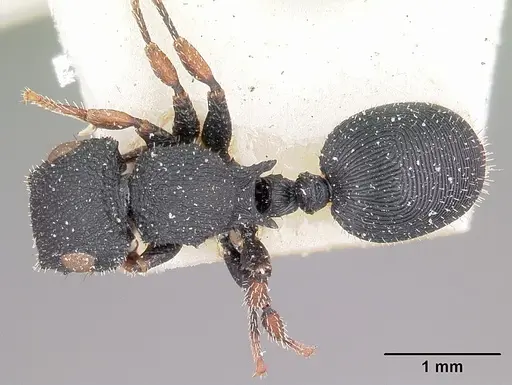
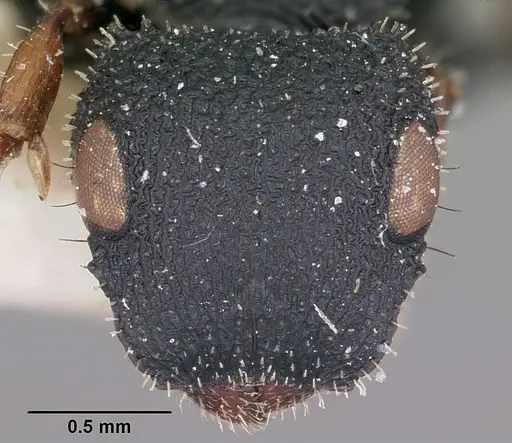
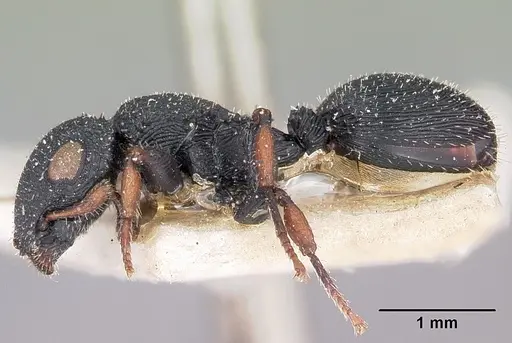
CASENT0101243
View on AntWeb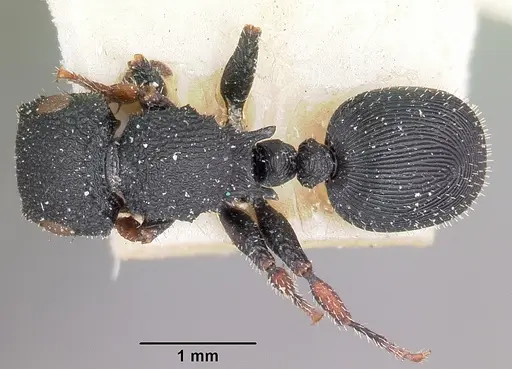
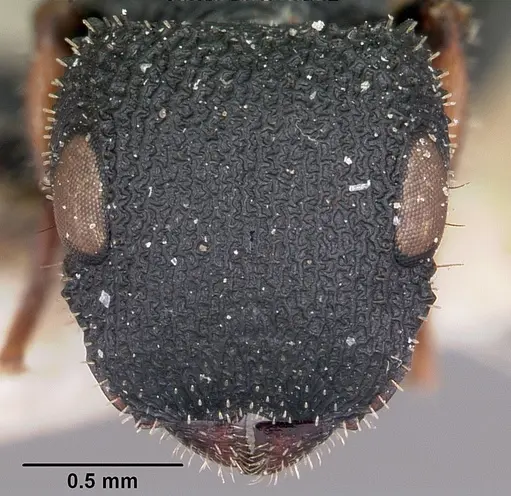
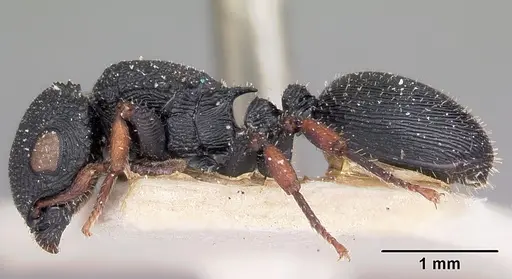
CASENT0101251
View on AntWeb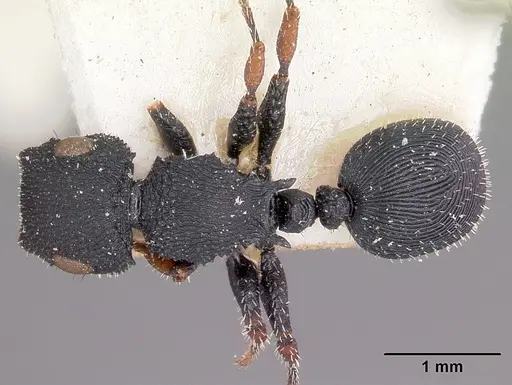
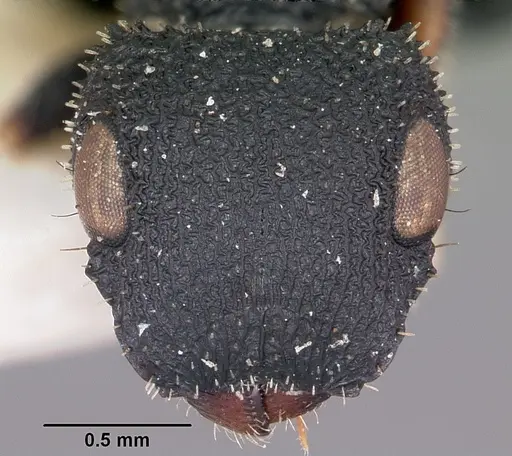
CASENT0101252
View on AntWeb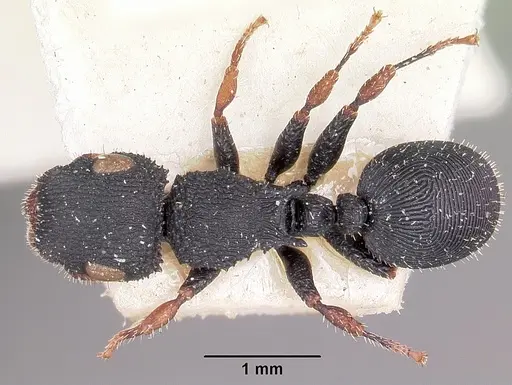
CASENT0134343
View on AntWeb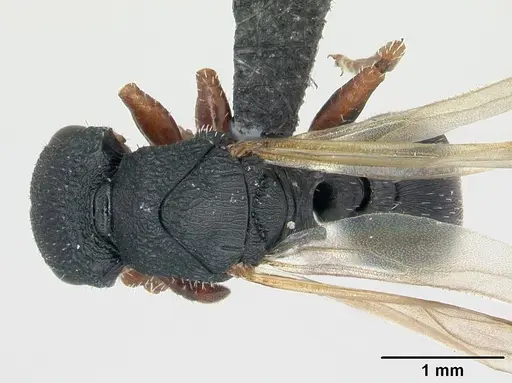
CASENT0134349
View on AntWeb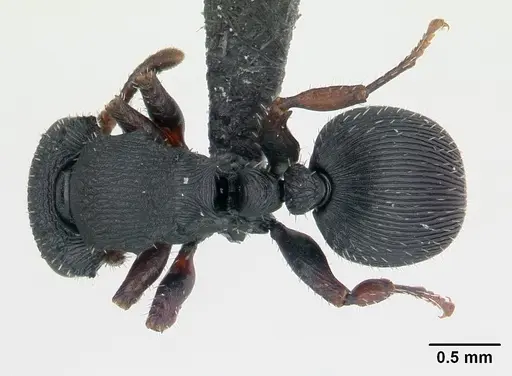
CASENT0146720
View on AntWeb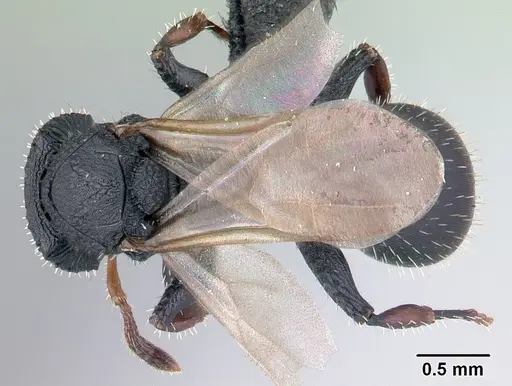
FOCOL2126
View on AntWeb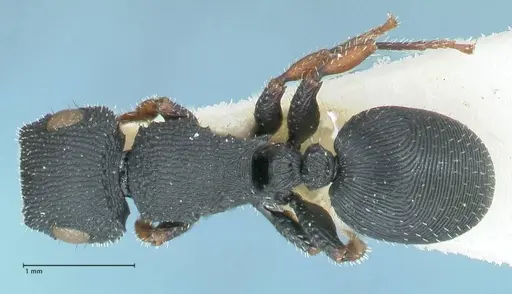
FOCOL2127
View on AntWeb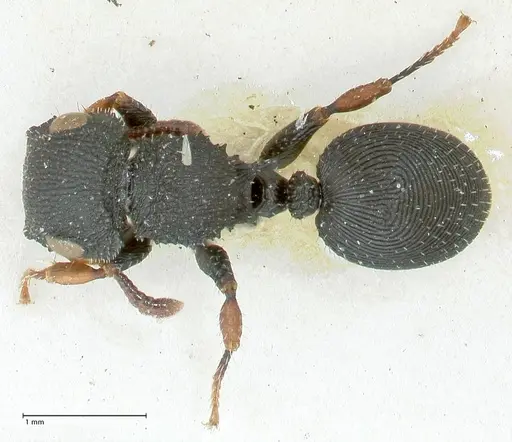
Literature
Loading...Loading products...