

Cataulacus taprobanae
- Scientific Name
- Cataulacus taprobanae
- Tribe
- Crematogastrini
- Subfamily
- Myrmicinae
- Author
- Smith, 1853
- Distribution
- Found in 3 countries
Cataulacus taprobanae Overview
Cataulacus taprobanae is an ant species of the genus Cataulacus. It is primarily documented in 3 countries , including India, Sri Lanka, Philippines. Detailed taxonomic data and occurrence records can be further explored via authoritative databases such as AntWeb or the Global Biodiversity Information Facility (GBIF).
Cataulacus taprobanae
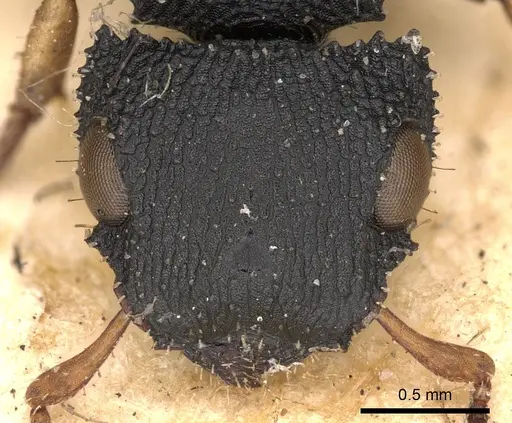
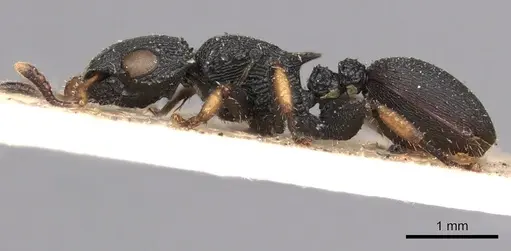
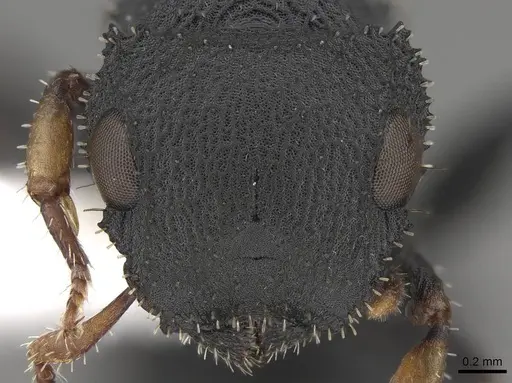
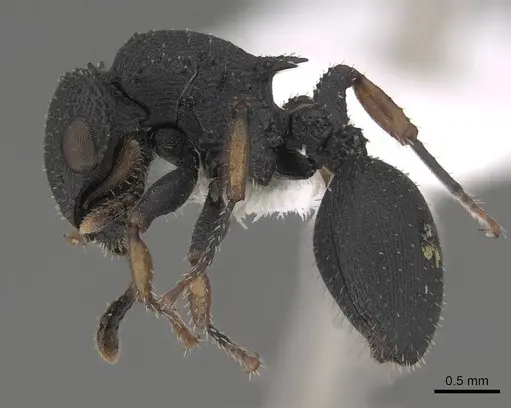
Cataulacus taprobanae is a distinctive arboreal ant species native to South and Southeast Asia, found across Sri Lanka, India, Nepal, and southern China. Workers measure 4.1-5.4mm and are black with yellowish-red appendages, featuring long divergent propodeal spines and a rough, sculptured body covered in fine puncturation and short erect hairs. Queens are larger at 6.8-7.0mm. This species belongs to the taprobane group within the genus Cataulacus and is one of the few Cataulacus species inhabiting the Indian subcontinent.
What makes Cataulacus taprobanae particularly interesting is its arboreal lifestyle and association with specific host plants. These ants are tropical climate specialists that nest in tree hollows and have been documented living inside Humboldtia laurifolia, a myrmecophyte (ant plant) native to Sri Lanka. They forage during the day on tree bark and leaves, and feed on extrafloral nectaries of plants like Humboldtia brunonis. This close relationship with trees and humid forest environments shapes their care requirements significantly.
Quick Summary
- Difficulty: Medium
- Origin & Habitat: Native to Sri Lanka, India, Nepal, and southern China. Found across multiple Indian states including Karnataka, Kerala, Maharashtra, Tamil Nadu, and the Andaman & Nicobar Islands. Inhabits humid tropical forest regions and has been recorded in wet, dry, and intermediate climate zones of Sri Lanka [1][2].
- Colony Type: Colony structure is not well documented in scientific literature. As an arboreal ant species, colonies are likely smaller than ground-nesting species, with single queens typical based on genus patterns.
- Size & Growth:
- Queen: 6.8-7.0mm
- Worker: 4.1-5.4mm
- Colony: Unknown, likely moderate sized colonies typical of arboreal Myrmicinae
- Growth: Moderate, inferred from tropical arboreal ant patterns
- Development: 6-8 weeks (estimated based on typical Myrmicinae development in tropical conditions) (Development time is estimated, no specific studies document the egg-to-worker timeline for this species. Tropical temperatures likely accelerate development compared to temperate species.)
- Antkeeping:
- Temperature: Keep at 24-28°C. This is a tropical species adapted to warm, humid conditions. Room temperature in most homes may be insufficient, consider using a heating cable on one side of the nest to create a warm zone [3].
- Humidity: High humidity required, these ants inhabit humid tropical forests and nest in tree hollows where moisture is consistent. Keep nest substrate moderately moist but not waterlogged. Provide a water tube for drinking access.
- Diapause: No, as a tropical species, Cataulacus taprobanae does not require hibernation. Maintain warm temperatures year-round.
- Nesting: Arboreal nesters, they naturally nest in tree hollows and hollow branches. In captivity, they do well in acrylic nests or Y-tong setups with narrow chambers scaled to their worker size. Avoid large open spaces, they prefer tight, enclosed chambers. Test tubes can work for founding colonies but may need modification to provide appropriate scale.
- Behavior: Diumal foragers that actively search for food during daylight hours on tree surfaces. They are not particularly aggressive but will defend their nest. Workers are medium-sized at 4-5mm, making them moderate escape risks, standard barrier methods like fluon on test tube rims work well. They are known to tend extrafloral nectaries, suggesting they accept sugar sources. Their association with plant nectaries makes them less dependent on insect prey than some Myrmicinae.
- Common Issues: tropical temperature requirements mean colonies may struggle in cool rooms or air-conditioned spaces, arboreal nature means they need appropriately scaled nests, too-large chambers can stress colonies, wild-caught colonies may carry parasites that affect survival in captivity, humidity needs must be balanced with ventilation to prevent mold, limited availability in the antkeeping hobby means established colonies are uncommon
Housing and Nest Setup
Cataulacus taprobanae requires an arboreal-appropriate setup that mimics their natural tree-dwelling habitat. In the wild, they nest in hollow branches and tree cavities, so your setup should provide enclosed, tight-fitting chambers rather than open spaces. Acrylic nests or Y-tong formicaria work well, choose chambers sized appropriately for their 4-5mm workers. Test tubes can work for founding colonies but ensure the cotton is properly secured and provide a dark covering since arboreal ants often prefer darker nesting areas. Because they are tropical specialists, maintain warm temperatures consistently, avoid placing the nest near windows or in air-conditioned rooms that might experience temperature fluctuations. [6][5]
Feeding and Diet
Based on field observations, Cataulacus taprobanae feeds on extrafloral nectaries from plants like Humboldtia brunonis. In captivity, offer sugar water or honey water as a regular food source. They are also predatory on small insects, so provide protein sources like small crickets, mealworms, or fruit flies. Feed sugar water constantly (via a soaked cotton ball or test tube) and offer protein prey 2-3 times per week. Remove uneaten prey after 24 hours to prevent mold. The combination of nectar-feeding and predatory behavior means they need both sugar and protein sources for optimal health. [5]
Temperature and Humidity
This species is a tropical climate specialist adapted to warm, humid conditions [4][3]. Keep temperatures in the 24-28°C range year-round. A heating cable placed on one side of the nest can help maintain appropriate temperatures, but always provide a temperature gradient so ants can self-regulate. For humidity, aim for 60-80% relative humidity, these ants naturally inhabit humid forest environments. Monitor substrate moisture and mist occasionally if needed, but ensure good ventilation to prevent mold buildup. The nest should have access to a water tube for drinking, as arboreal ants often collect water droplets.
Behavior and Activity
Cataulacus taprobanae is diurnal, meaning they are most active during daylight hours [5]. Workers can be observed foraging on tree bark and leaves in their natural habitat. They are not particularly aggressive toward keepers but will defend their nest if threatened. Their medium size (4-5mm workers) makes them moderate escape risks, use standard barrier methods like fluon on test tube rims or formicarium edges. They are known to be common in urban gardens and present across all seasons in tropical regions (premonsoon, monsoon, and postmonsoon) [6], suggesting they are adaptable and active year-round when kept warm.
Frequently Asked Questions
Can I keep Cataulacus taprobanae in a test tube?
Yes, test tubes work for founding colonies. Use a standard test tube setup with a water reservoir secured with cotton. Ensure the chamber is appropriately sized, these are medium-sized ants but prefer tight, enclosed spaces typical of their tree-hole nesting habits. Cover the tube with a dark material to simulate the dark interior of tree hollows they naturally inhabit.
What temperature do Cataulacus taprobanae ants need?
Keep them at 24-28°C. This is a tropical species that does not tolerate cool temperatures. Room temperature in many homes may be too cold, consider using a small heating cable or heat mat on one side of the nest to maintain warmth. Never let temperatures drop below 20°C.
How long does it take for Cataulacus taprobanae to produce first workers?
The exact timeline is unconfirmed for this species, but based on typical Myrmicinae development in tropical conditions, expect first workers (nanitics) approximately 6-8 weeks after the queen lays eggs. Warmer temperatures within the acceptable range may speed development slightly.
Do Cataulacus taprobanae ants need hibernation?
No, they do not require hibernation. As a tropical species, they are active year-round when kept warm. Maintain consistent temperatures of 24-28°C throughout the year without any cooling period.
What do Cataulacus taprobanae ants eat?
They are omnivorous with a preference for sugar and protein. Offer sugar water or honey water regularly as a carbohydrate source. For protein, provide small insects like fruit flies, small crickets, or mealworms. Their natural diet includes extrafloral nectar from plants, so sugar sources are important.
Are Cataulacus taprobanae ants good for beginners?
This species is rated as medium difficulty. While they are relatively adaptable and common in their native range, their specific temperature and humidity requirements as tropical arboreal ants make them slightly more challenging than common temperate species. They are a good choice if you have experience with other Myrmicinae and can maintain warm, humid conditions.
How big do Cataulacus taprobanae colonies get?
The maximum colony size is not well documented, but based on similar arboreal Myrmicinae, colonies likely reach several hundred workers. They are not known for supercolonies like some other ants.
Do Cataulacus taprobanae ants sting?
Cataulacus species have stingers but are not known for aggressive stinging behavior. They will defend their nest if threatened but are generally considered non-aggressive toward keepers. The sting is not medically significant if it occurs.
When should I move Cataulacus taprobanae to a formicarium?
Move from a test tube to a proper formicarium when the colony reaches 30-50 workers or when the test tube becomes crowded. Arboreal ants prefer nests with appropriately scaled chambers, avoid formicaria with overly large chambers or passages.
Can I keep multiple Cataulacus taprobanae queens together?
The colony structure is not well documented for this species. Combining unrelated queens is not recommended since it has not been studied. If you acquire a wild colony, observe for queen number and house accordingly.
References

This caresheet is licensed under CC BY-SA 4.0 .
CASENT0900254
View on AntWeb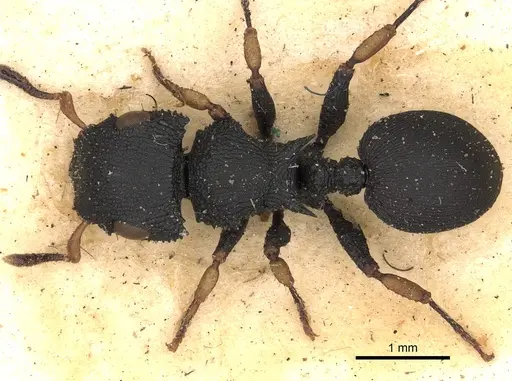
CASENT0922506
View on AntWeb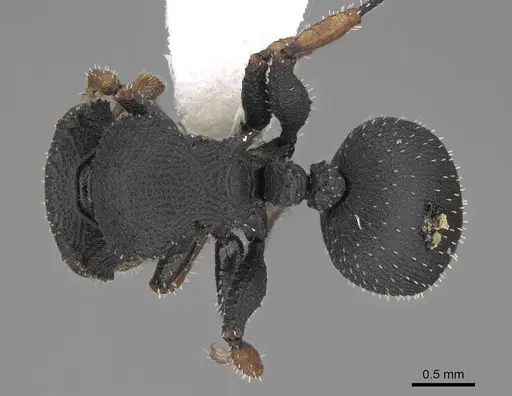
Literature
Loading...Loading products...